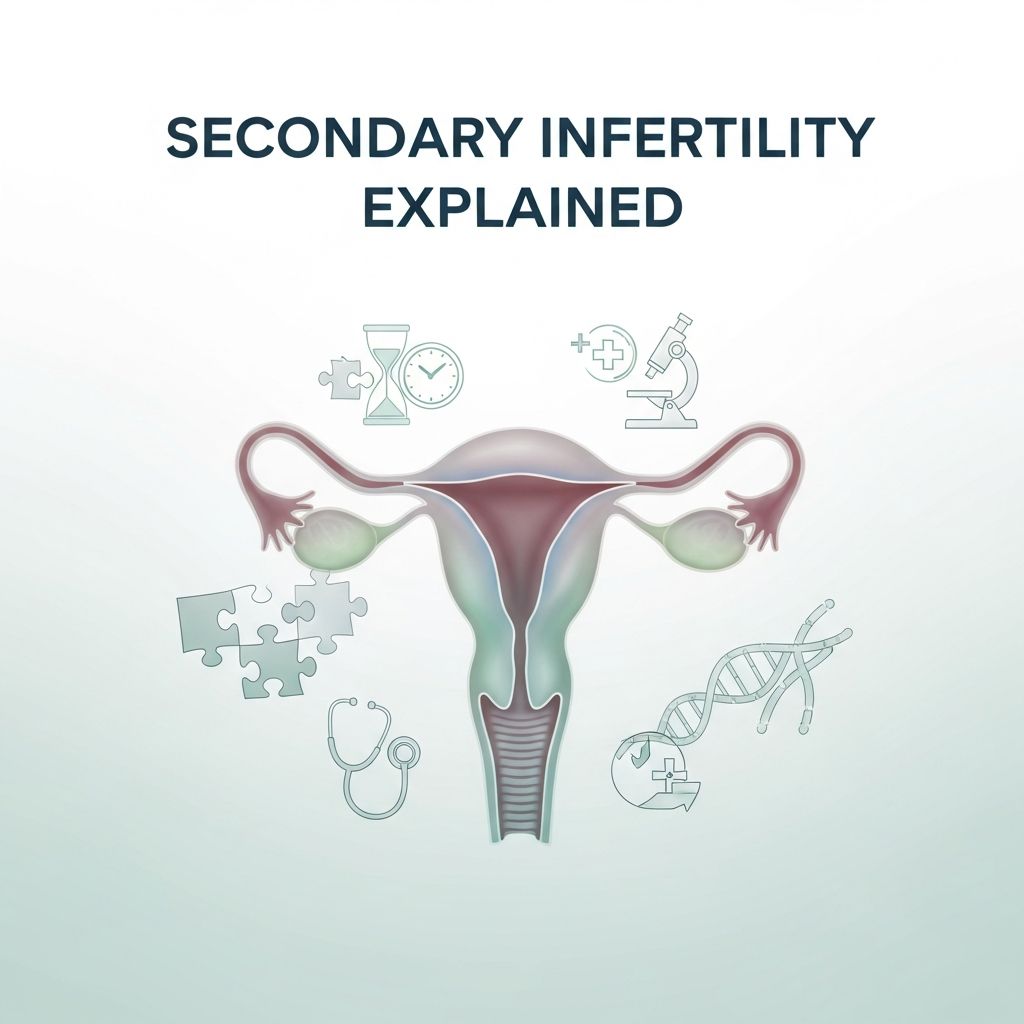
Secondary infertility refers to the inability to conceive or carry a pregnancy to term after previously having one or more children. This condition impacts around 11% of couples in the United States, a rate comparable to primary infertility. Unlike primary infertility, which occurs in those who have never conceived, secondary infertility brings unique emotional challenges for parents already raising a family.
Defining Secondary Infertility
Secondary infertility is diagnosed when couples fail to achieve pregnancy after 12 months of unprotected intercourse if the female partner is under 35, or after 6 months if she is 35 or older. It differs from primary infertility, where no prior births have occurred, but shares similar underlying causes and treatment pathways. Many couples assume fertility will remain straightforward after a first child, making this diagnosis particularly surprising.
Prevalence and Who It Affects
Affecting up to 14% of women who have given birth, secondary infertility is more common than often recognized. It can impact any couple regardless of prior reproductive success, with factors like time gaps between pregnancies influencing risks. Statistics from major clinics indicate it matches primary infertility in frequency, underscoring the need for awareness.
Primary Causes in Women
Several factors contribute to secondary infertility in women. Advanced maternal age is a leading cause, as egg quantity and quality decline significantly after 35, with fertility peaking around age 28. Conditions like polycystic ovary syndrome (PCOS), characterized by hormonal imbalances, irregular periods, and excess androgens, prevent proper ovulation.
Endometriosis, where uterine-like tissue grows outside the uterus, affects ovarian function and tubal patency. Uterine issues, including fibroids, adenomyosis, or scarring from C-sections or prior surgeries, block implantation or egg transport. Blocked fallopian tubes from infections or complications further hinder sperm-egg meeting.
Lifestyle elements such as weight gain, smoking, heavy alcohol use, or medications also play roles. Diabetes and thyroid disorders disrupt hormonal balance essential for conception.
Male Factors in Secondary Infertility
Male contributions are equally significant, often overlooked. Semen analysis reveals issues like low sperm count, poor motility, or abnormal morphology. Age-related declines in sperm quality, lifestyle changes including weight gain or smoking, and conditions like diabetes mirror female risks. Testicular issues may require procedures like testicular sperm extraction (TESE).
Diagnostic Process
Diagnosis begins with a thorough history and physical exams for both partners. Women undergo hormone blood tests, transvaginal ultrasounds, hysterosalpingography (HSG) to assess tubal patency, and possibly laparoscopy for endometriosis. Men receive semen analysis evaluating count, motility, and morphology.
Couples with prior infertility history or risk factors like age over 40, irregular periods, or major health changes should seek evaluation sooner. Comprehensive testing pinpoints issues, guiding personalized treatment.
Available Treatment Options
Treatments mirror those for primary infertility, tailored to causes. Lifestyle modifications—improved diet, exercise, stress reduction, and weight management—enhance outcomes.
Medications: Ovulation induction with drugs like clomiphene stimulates egg release; superovulation increases egg production. Hormonal therapies address PCOS or thyroid issues.
Assisted Reproductive Technologies (ART):
- Intrauterine insemination (IUI): Sperm is placed directly in the uterus during ovulation.
- In vitro fertilization (IVF): Eggs are fertilized in a lab, and embryos transferred to the uterus.
Surgery corrects structural problems like fibroids or tube blockages. Egg or sperm donation aids severe cases. Testicular sperm aspiration (TESA) retrieves sperm surgically.
| Treatment | Description | Best For |
|---|---|---|
| Ovulation Induction | Medications to trigger egg release | Irregular ovulation, PCOS |
| IUI | Sperm insertion into uterus | Mild male factor, ovulation issues |
| IVF | Lab fertilization and embryo transfer | Tubal blockages, endometriosis |
| Surgery | Repair of tubes or fibroids | Structural abnormalities |
When to Consult a Specialist
Seek help after 12 months if under 35, or 6 months if 35+. Immediate consultation is advised for those over 40, with irregular cycles, post-surgery, or prior infertility. Early intervention improves success rates.
Emotional and Psychological Impact
Secondary infertility evokes grief, jealousy, isolation, and guilt, intensified by existing children and societal expectations. Couples may feel pressure to expand families quickly. Counseling and support groups provide coping tools. Acknowledging emotions validates experiences and aids resilience.
Lifestyle Strategies to Boost Fertility
- Maintain BMI between 19-30 through balanced diet and exercise.
- Quit smoking and limit alcohol to under 5 units weekly.
- Manage stress via yoga, meditation, or therapy.
- Track ovulation with apps or kits for optimal timing.
- Ensure preconception vitamins, especially folic acid.
Partner involvement in healthy changes amplifies benefits.
Success Rates and Realistic Expectations
Success varies by age, cause, and treatment. IVF yields 40-50% live birth rates per cycle for women under 35, declining with age. Many achieve pregnancy post-diagnosis, emphasizing persistence.
Future Family Planning Options
Fertility preservation like egg freezing before age-related decline offers hope. Adoption or surrogacy provide alternatives. Open discussions with specialists align choices with goals.
Frequently Asked Questions
Is secondary infertility permanent?
No, it is often treatable with high success rates using IUI, IVF, or medications.
How does age affect secondary infertility?
Fertility declines sharply after 35 due to fewer, lower-quality eggs.
Can lifestyle changes help?
Yes, weight management, quitting smoking, and stress reduction improve chances.
What tests are involved in diagnosis?
Hormone panels, ultrasounds, HSG for women; semen analysis for men.
When should we see a doctor?
After 6-12 months trying, sooner if over 35 or high-risk factors.
Are treatments the same as primary infertility?
Yes, options like IVF and IUI apply to both.
References
- Secondary Infertility: Causes & Treatments Explained — RMA Network. 2023. https://rmanetwork.com/blog/secondary-infertility-morin/
- Secondary Infertility — University of Utah Health. 2024. https://healthcare.utah.edu/fertility/conditions/secondary-infertility
- Understanding Secondary Infertility — Indiana Fertility Institute. 2023. https://www.fertilityindy.com/blog/secondary-infertility
- Facing Secondary Infertility — Northwestern Medicine. 2023. https://www.nm.org/healthbeat/healthy-tips/emotional-health/facing-secondary-infertility
- Secondary Infertility – Causes and Treatments — Penn Medicine. 2024. https://www.pennmedicine.org/conditions/secondary-infertility
- Secondary infertility: Why does it happen? — Mayo Clinic. 2025-03-15. https://www.mayoclinic.org/diseases-conditions/infertility/expert-answers/secondary-infertility/faq-20058272