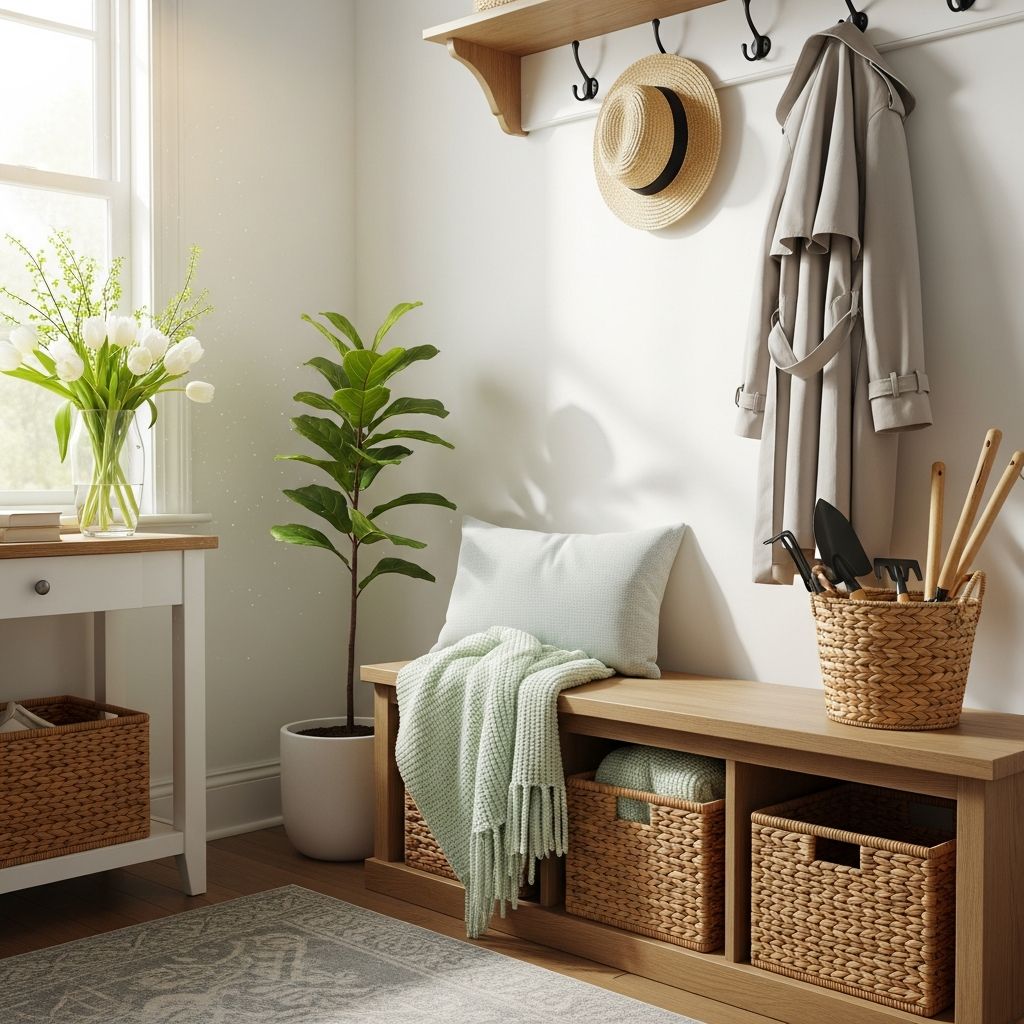
Understanding the Philosophy Behind Seasonal Home Resets
The concept of a seasonal home refresh extends far beyond simply scrubbing surfaces and vacuuming floors. Rather than viewing this undertaking as an overwhelming complete overhaul, successful seasonal resets begin with a mental shift—approaching the process as an opportunity to reset your environment intentionally and meaningfully. This mindset transformation allows homeowners to slow down and evaluate their living spaces with fresh eyes, considering how each room functions and what emotional response the space should evoke.
When transitioning into a new season, many people feel a natural urge to revitalize their surroundings. This impulse taps into a deeper human need for renewal and fresh starts. By framing your seasonal cleaning project as a deliberate reset rather than a mandatory chore, you create space for intentionality throughout the process. This approach encourages you to think critically about which items serve your current lifestyle and which simply occupy valuable square footage without adding value to your daily experience.
Establishing the Right Mental Framework Before You Begin
Successful seasonal home organization starts long before you pick up a cleaning cloth. The foundation lies in establishing clear intentions about what you want your refreshed space to accomplish. For spring specifically, many people envision creating a crisp, airy environment that feels light and rejuvenating after months of winter closure. Taking time to visualize this desired outcome provides motivation during the more physically demanding aspects of the project.
Engaging your senses during this planning phase amplifies your commitment to the task. Consider creating an environment that inspires action by selecting uplifting music that energizes rather than exhausts you. Seasonal scents—whether from candles, diffusers, or natural elements like fresh flowers—can anchor your mindset to the season you’re welcoming. These sensory elements work together to establish a positive atmosphere that makes the work feel less like an obligation and more like a purposeful practice.
Systematic Decluttering: The Foundation of an Organized Home
One of the most transformative aspects of a seasonal reset involves honest evaluation of possessions. Most homes accumulate items that no longer serve a purpose, whether because they’re broken, outdated, or simply no longer align with current needs. This accumulation of unused items creates visual and mental clutter that weighs on inhabitants, even if they’re not consciously aware of it.
An effective decluttering approach involves gathering multiple trash bags and moving through your home with intention. Rather than deciding the fate of individual items as you encounter them—a time-consuming approach—batch processing items into categories streamlines the decision-making process. Establish clear criteria: items you genuinely love and use regularly stay, broken items go to the trash, and items in good condition but no longer needed can be donated to local shelters or community organizations.
The benefits of removing excess possessions extend throughout your entire household. When rooms and living spaces have breathing room, family members often report feeling calmer and more focused. Spaces that aren’t crammed with items are easier to clean and maintain, creating a positive feedback loop where your organized environment encourages continued organization.
Creating a Comprehensive Organizational Blueprint
Without a structured plan, even the most motivated person can lose track of priorities in a large-scale cleaning and organizing project. Physical lists serve an important psychological function—they externalize tasks from your mental load and provide tangible evidence of progress as you complete each item. The act of writing down tasks also engages different neural pathways than simply thinking about them, reinforcing your commitment to completion.
An effective organizational blueprint should address rooms individually, acknowledging that each space has unique requirements and overlooked tasks. Moving systematically through your home—perhaps starting with the kitchen and working toward bedrooms—prevents the scattered approach that often leaves projects incomplete. Within each room, identify not just the obvious tasks like vacuuming and dusting, but also the frequently overlooked details: baseboards that collect dust, microwave interiors, furniture crevices that accumulate debris, and bathroom fixtures like toothbrush holders.
Breaking your master list into manageable subsections offers additional advantages. By dividing tasks across multiple days, you prevent the physical and mental exhaustion that comes from attempting an entire-home refresh in a single marathon session. This distributed approach also allows you to delegate specific tasks to family members, teaching responsibility while reducing the burden on any single person.
Timing Your Refresh for Maximum Success
Strategic scheduling significantly impacts your ability to complete a seasonal refresh thoroughly. When you attempt to squeeze a major organizational project into an already packed schedule, the work becomes rushed and incomplete. Instead, identify a time—ideally a weekend day or a day when you have minimal other commitments—and block off substantial, uninterrupted time for this purpose.
Dedicating an entire day to your seasonal reset creates psychological permission to fully engage with the project. Rather than constantly checking the clock or worrying about other obligations, you can settle into a focused rhythm that allows you to move methodically through your home. This concentrated effort often proves more efficient than spreading similar work across multiple rushed evening sessions.
Consider also the practical aspects of timing: choosing a day when weather permits opening windows improves ventilation, and selecting times when family members can participate or occupy themselves elsewhere reduces interruptions and creates a collaborative spirit around the project.
Elevating Your Cleaning Toolkit and Techniques
Beyond basic soap and water, several surprisingly effective cleaning solutions can enhance your ability to tackle various household challenges. A simple mixture combining equal parts white vinegar and water creates an effective solution for beverage-related stains, particularly on upholstered furniture or carpeting. The mild acidity of vinegar works to lift stains without the chemical intensity of commercial cleaners.
For those investing in quality furniture, protective treatments can prevent future damage before it occurs. Applying fabric protectant products creates a repellent barrier on upholstered pieces, giving you time to address spills before they permanently set into the fabric. This proactive approach proves far more cost-effective than treating stains after they’ve become embedded.
For paint-related cleanup, such as after DIY projects or children’s craft activities, specialized tools designed specifically for brush cleaning—including paint combs and vinegar-based solutions—can revive tools you might otherwise discard. This approach saves money while reducing waste.
Transforming Laundry Spaces Into Motivating Environments
The laundry room often receives minimal attention despite being a space where most households spend considerable time. When this utilitarian area feels cheerless and dreary, the associated task feels proportionally burdensome. Conversely, investing in improvements that make this space feel pleasant can meaningfully reduce resistance to the weekly laundry routine.
Key improvements might include maximizing natural light through strategic window placement or mirrors, ensuring adequate task lighting for sorting and folding, and creating storage solutions that keep supplies organized and accessible. When your laundry space includes pleasant elements—perhaps a comfortable place to fold, inspiring décor, or even a small seating area—you’re more likely to complete this necessary task without resentment. The environment literally impacts your emotional relationship with the work.
Strategic Storage and Display Solutions
Bathroom spaces often lack sufficient storage for daily essentials, yet these items don’t all need to remain hidden. Items like cotton balls, bandages, and cosmetic brushes can be stored in attractive glass jars or decorative baskets, transforming potentially cluttered items into pleasant displays. This approach acknowledges that functional items can contribute to your décor when presented thoughtfully.
The key to successful visible storage lies in selecting containers that align with your aesthetic preferences and your space’s overall design. By intentionally choosing how items are contained and displayed, everyday necessities become part of your intentional design rather than visual clutter.
Establishing Designated Zones for Easy Maintenance
Creating specific eating and drinking areas within your home—whether at a formal dining table or designated kitchen zone—simplifies cleanup and protects your furniture from unnecessary damage. By containing beverages and food to designated spaces, you reduce the likelihood of spills affecting your most valued furnishings and flooring.
This strategy proves particularly important in households with children, where accidents are inevitable. Rather than viewing spills as crises, having absorbent materials and cleaning solutions at hand—such as vinegar mixtures or appropriate stain treatments—allows you to address problems quickly before they become permanent.
Celebrating Progress and Sustaining Motivation
One of the most overlooked aspects of completing a major organizational project is the importance of acknowledging the accomplishment. After dedicating significant time and energy to refreshing your home, pausing to celebrate before moving forward maintains positive momentum and reinforces the value of the work.
Celebration looks different for everyone: some people prefer quiet relaxation in their newly organized space, perhaps with a favorite beverage or snack. Others might invite family to enjoy the refreshed environment together, creating shared appreciation for the collaborative effort. Regardless of form, this acknowledgment serves an important psychological function, marking the transition into a new phase of living in your revitalized space.
Maintaining Your Refresh Throughout the Season
The benefits of a seasonal reset extend only as long as you maintain the systems and habits established during the project. Incorporating small daily practices—returning items to designated locations, addressing spills immediately, and regularly dusting high-traffic areas—prevents reaccumulation of clutter and maintains the fresh environment you’ve created.
By establishing these maintenance habits during your initial refresh, you create sustainable patterns that keep your home feeling renewed throughout the season rather than gradually sliding back into pre-reset conditions.
Frequently Asked Questions
Q: How long does a complete seasonal home refresh typically take?
A: A thorough seasonal refresh varies based on home size and clutter level, typically ranging from one full day for smaller homes to multiple days for larger spaces. Dedicating an uninterrupted day often proves more effective than spreading similar work across several shorter sessions.
Q: What should I do with items I’m unsure about keeping?
A: Create a separate box for uncertain items and store it temporarily. If you don’t reach for these items within a month or two, they’re likely not essential. This approach prevents decision fatigue while giving you time to assess true necessity.
Q: How can I involve family members in the seasonal refresh process?
A: Assign specific tasks to different family members based on age and ability, create a checklist they can mark off, and maintain uplifting music throughout the project. Celebrating together afterward reinforces that this was a collaborative accomplishment.
Q: What’s the best homemade cleaning solution for general-purpose cleaning?
A: A mixture of equal parts white vinegar and water works effectively for many surfaces, including windows, mirrors, and light stains. For specific surfaces, research appropriate solutions to avoid damage.
Q: How can I prevent my newly organized space from becoming cluttered again?
A: Establish daily habits of returning items to designated locations, regularly evaluate new purchases against current needs, and perform mini-resets monthly to catch accumulation before it becomes overwhelming.
References
- Joanna Gaines Reveals Her 5 Best Spring Cleaning Secrets — Best Life Online. 2024. https://bestlifeonline.com/joanna-gaines-spring-cleaning/
- Joanna Gaines’ Clever Tips To Keep Your Home Clean & Organized — House Digest. 2024. https://www.housedigest.com/1970934/joanna-gaines-clever-tips-clean-organize-home/
- Resetting Your Home for Spring — Magnolia. 2024. https://magnolia.com/blogs/article/resetting-your-home-after-the-holidays
- Spring Clean just like Joanna Gaines with these 5 easy tips — Motherly. 2024. https://www.mother.ly/life/spring-cleaning-tips-from-joanna-gaines/