Seasonal allergies, often called hay fever, affect millions of children each year, turning playful outdoor days into battles against sneezing and discomfort. These reactions occur when a child’s immune system overreacts to harmless pollen from trees, grasses, or weeds, releasing chemicals like histamine that trigger symptoms. Understanding this condition empowers parents to take proactive steps, ensuring kids can thrive through changing seasons without constant misery.
Understanding the Roots of Seasonal Allergies
At its core, seasonal allergies stem from an exaggerated immune response to airborne particles prevalent during specific times of the year. Spring brings tree pollen, summer introduces grass pollen, and fall unleashes ragweed and other weeds. Unlike year-round allergies triggered by dust or pets, these are tied to pollen seasons, which vary by region and climate. Children may inherit a genetic predisposition, making them more susceptible if family members have similar issues. Environmental factors, such as pollution or climate change extending pollen seasons, can intensify exposure.
Pollen particles are microscopic and lightweight, easily carried by wind into noses, eyes, and mouths. Once inhaled, they prompt the release of histamine, leading to inflammation. Kids under 5 might not show symptoms yet, but by school age, many experience their first flare-ups. Recognizing patterns—such as symptoms worsening on windy days or after outdoor play—helps parents connect the dots early.
Spotting the Telltale Signs in Your Child
Distinguishing allergies from colds is crucial, as symptoms overlap but durations differ—allergies persist as long as exposure continues, while colds resolve in a week. Common indicators include:
- Frequent sneezing bouts: Often in clusters, especially mornings after pollen settles overnight.
- Clear, watery nasal discharge: Unlike thick mucus from infections.
- Itchy, watery eyes: Redness and rubbing are hallmarks, sometimes called allergic conjunctivitis.
- Nasal congestion: Leading to mouth breathing and disrupted sleep.
- Postnasal drip: Causing chronic cough or throat clearing, worse at night.
Less obvious signs involve fatigue from poor sleep, headaches, or irritability. In severe cases, symptoms mimic asthma, with wheezing or shortness of breath. Track symptoms with a journal, noting weather, activities, and pollen forecasts from apps or weather sites to confirm allergy patterns.
Prevention Strategies to Minimize Exposure
Reducing contact with allergens is the first line of defense, often more effective than medications alone. Parents can implement these daily habits:
- Check daily pollen counts via reliable weather apps and limit outdoor time when levels are high, especially midday.
- Keep windows shut during peak seasons; use air conditioners with clean filters and HEPA purifiers indoors.
- After outdoor play, have kids shower, wash hair, and change clothes to remove clinging pollen.
- Maintain a low-allergen home: vacuum with HEPA filters weekly, wash bedding in hot water, and use allergen-proof covers.
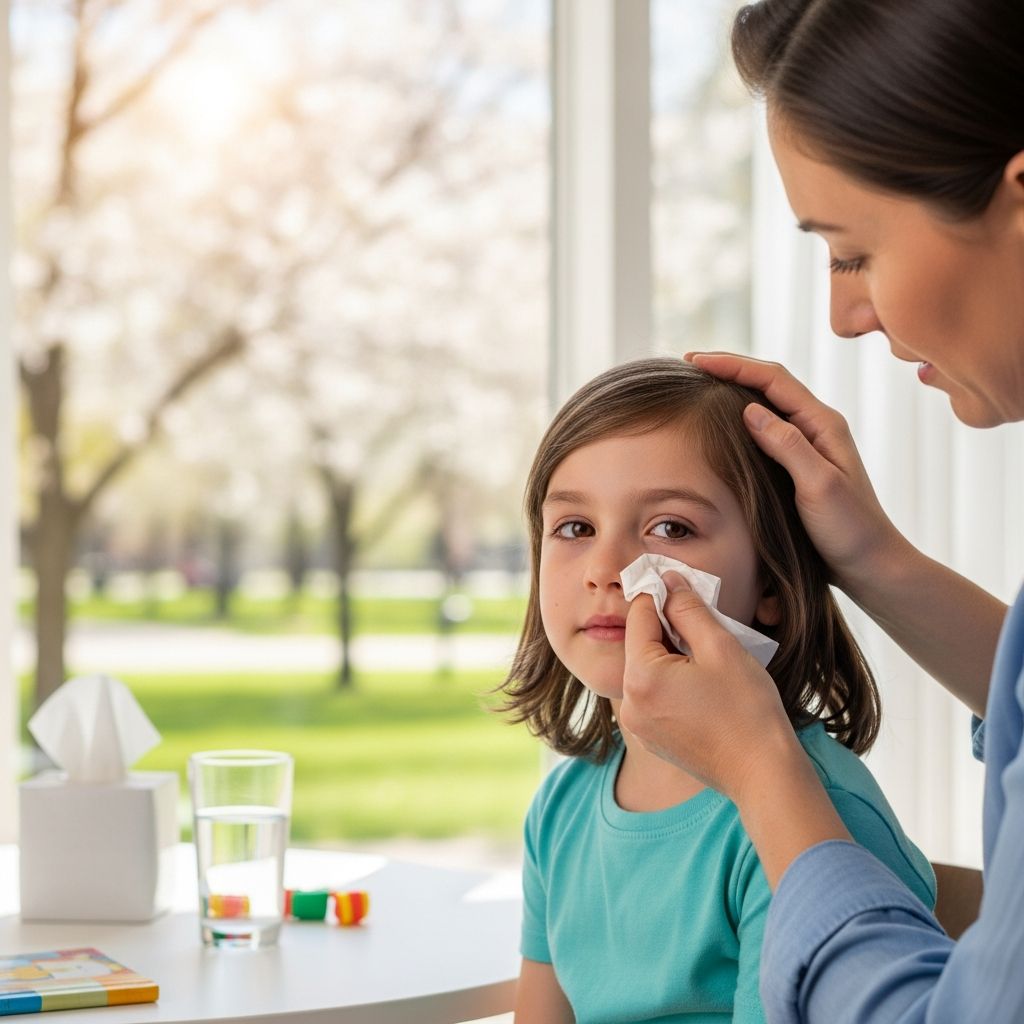
- Encourage nose blowing over rubbing to prevent spreading allergens to eyes.
These measures not only cut symptoms but also reduce reliance on drugs, promoting natural resilience. For families in high-pollen areas, combining with landscaping choices—like planting low-pollen trees—can further safeguard the environment.
Over-the-Counter Relief Options
When avoidance falls short, medications provide targeted relief. Most are available without prescription and safe for kids over age 2, but always consult a pediatrician for dosing by weight and age.
| Medication Type | Examples | Best For | Notes |
|---|---|---|---|
| Oral Antihistamines | Loratadine (Claritin), Cetirizine (Zyrtec) | Sneezing, itching, runny nose | Non-drowsy; once-daily dosing |
| Nasal Saline Sprays | Generic saline | Clearing congestion | Safe for all ages; use frequently |
| Steroid Nasal Sprays | Fluticasone (Flonase) | Inflammation, stuffiness | Start early in season; minimal side effects |
| Eye Drops | Ketotifen (Zaditor) | Itchy, red eyes | Fast-acting; combine with orals |
Decongestants like pseudoephedrine offer short-term nasal relief but avoid in young kids due to side effects like restlessness. Never mix multiple antihistamines—check labels for active ingredients.
Advanced Medical Interventions
For persistent cases, escalate to prescription options or specialists. Pediatricians may prescribe stronger antihistamines, leukotriene blockers like montelukast (Singulair) for asthma-allergy overlap, or potent steroid sprays. Referral to an allergist involves skin or blood tests to pinpoint triggers.
Immunotherapy, or allergy shots, builds tolerance via gradual exposure. Sublingual tablets are another option. These long-term therapies can reduce symptoms by 80% in responsive kids, minimizing daily meds.
Lifestyle Adjustments and Home Remedies
Beyond pills, natural aids soothe symptoms effectively:
- Nasal irrigation: Neti pots or squeeze bottles with saline flush allergens; supervise young users.
- Humidifiers: Maintain 40-50% indoor humidity to ease dry nasal passages.
- Honey locally sourced: Some evidence suggests it desensitizes to regional pollen (over age 1).
- Diet tweaks: Anti-inflammatory foods like fruits, veggies, and omega-3s may modulate responses.
Regular exercise indoors during peaks keeps kids active without exposure. Stress management through play or mindfulness indirectly helps, as anxiety can worsen symptoms.
When to Consult a Healthcare Professional
Not all sniffles need a doctor, but seek help if:
- Symptoms disrupt sleep, school, or play despite OTC treatments.
- Signs of infection emerge: yellow/green mucus, fever, facial pain.
- Breathing issues, wheezing, or chronic ear infections occur.
- Eye swelling or severe itching persists.
Early intervention prevents complications like sinusitis or growth delays from mouth breathing. Allergists offer personalized plans, including testing for multiple triggers.
Common Myths and Facts
| Myth | Fact |
|---|---|
| Allergies are just growing pains. | Untreated allergies impair concentration and sleep, affecting development. |
| Colds and allergies are identical. | Allergies lack fever, last longer, and cause itching. |
| Medications are unsafe for kids. | Age-appropriate doses from trusted brands are FDA-approved. |
Frequently Asked Questions (FAQs)
Can seasonal allergies start suddenly in older kids?
Yes, sensitivities can emerge anytime, often triggered by increased outdoor time or immune changes.
Are allergy shots painful for children?
Shots involve minor pricks; desensitization builds gradually with high success rates.
How do I know if it’s allergies or a cold?
Allergies feature clear discharge and itching without fever; symptoms align with pollen peaks.
Is local honey effective for hay fever?
It may help with pollen tolerance, but evidence is anecdotal; consult a doctor.
Can diet influence allergy severity?
Balanced nutrition supports immunity; avoid triggers like dairy if it worsens mucus.
Seasonal Allergies Across Regions and Ages
Pollen patterns differ: Southern states face year-round issues due to mild winters, while northern areas peak in spring/summer. Infants rarely show symptoms, but by age 10, prevalence hits 20%. Teens might outgrow mild cases, though many persist into adulthood. Tailor strategies to your locale using pollen.com or similar trackers.
School considerations include notifying teachers for indoor recesses and packing meds. Sports: Opt for evening practices when pollen dips. Family-wide plans ensure siblings aren’t overlooked.
Long-term, monitoring growth and academics is key—chronic allergies link to lower performance. Annual check-ups refine treatments as kids grow.
Empowering yourself with knowledge transforms allergy season from dread to manageable. Consistent prevention and prompt treatment let children embrace every bloom-filled day.
References
- Seasonal Allergies in Children: Symptoms, Treatment, and Prevention — COPA Kids. 2023. https://copakids.com/child-healthcare-news/seasonal-allergies-in-children-symptoms-treatment-and-prevention/
- Seasonal Allergies (Hay Fever) — Nemours KidsHealth. 2024. https://kidshealth.org/en/parents/seasonal-allergies.html
- Seasonal Allergies: Keeping Symptoms in Check — Children’s Hospital of Philadelphia (CHOP). 2024. https://www.chop.edu/news/health-tip/seasonal-allergies-keeping-symptoms-check
- Managing Seasonal Allergies in Kids — Children’s Healthcare of Atlanta (CHOA). 2024. https://www.choa.org/parent-resources/allergy/managing-seasonal-allergies-in-kids
- Children and Allergies — American College of Allergy, Asthma & Immunology (ACAAI). 2024. https://acaai.org/allergies/allergies-101/who-gets-allergies/children/
- Allergy Relief for Your Child — U.S. Food and Drug Administration (FDA). 2023-05-01. https://www.fda.gov/consumers/consumer-updates/allergy-relief-your-child
- Treatment for a Child’s Allergy to Pollen or Animals — University of Rochester Medical Center (URMC). 2024. https://www.urmc.rochester.edu/childrens-hospital/allergy/treatment-for-allergies