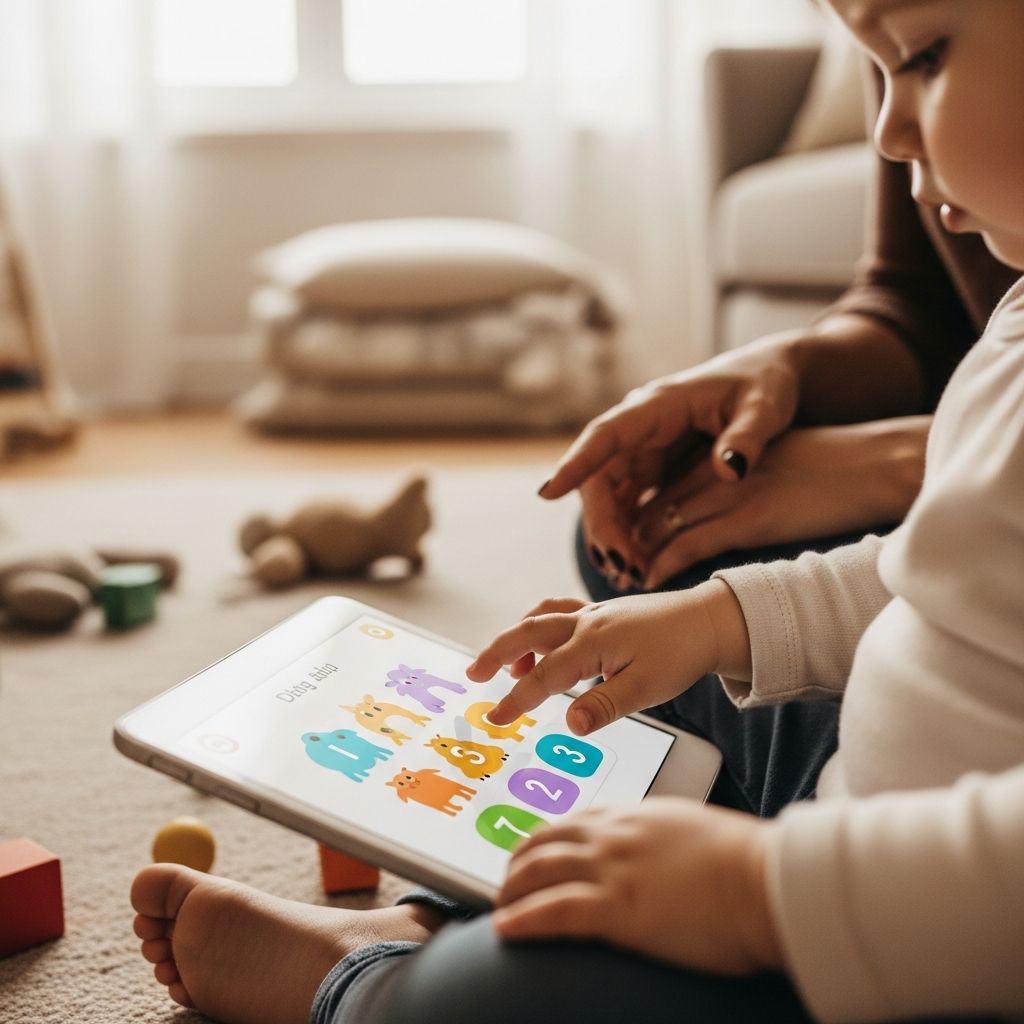
Modern parents live in a world where phones, tablets, and TVs are always on, yet toddlers and preschoolers still need the same things children have always needed: loving attention, active play, and time to explore. Screens can easily crowd out these essentials if there are no thoughtful boundaries.
Why Screens Feel So Hard to Manage
For many caregivers, screens solve short-term problems: they keep a child quiet while dinner is cooking, during a sibling’s activity, or when a parent simply needs a moment to breathe. The trouble is that what works in the moment can quietly become a daily habit, and those habits shape a child’s brain, expectations, and emotional world.
- Screens are designed to be gripping, with bright colors, quick cuts, and instant rewards that make it hard for young children to turn away.
- Parents often feel guilty both for using screens and for trying to limit them, which can lead to inconsistency and more conflict.
- Unlike toys or books, screens come with no built-in “stopping point,” so families must create their own off-switch.
What Toddlers and Preschoolers Need Most
Before deciding how much screen time is reasonable, it helps to remember what young children’s brains are built for. Knowing these core needs makes it easier to see why unlimited media use doesn’t fit.
- Face-to-face interaction: Back-and-forth conversation, shared laughter, and responsive attention are the raw materials of language and emotional security.
- Free, unstructured play: When children build, pretend, climb, draw, and explore, they practice problem-solving, creativity, and self-control.
- Movement: Big body play, like running, climbing, dancing, and jumping, strengthens muscles, balance, and coordination.
- Rest and rhythm: Predictable routines for meals, sleep, and quiet time help young nervous systems feel safe and regulated.
Screens are not automatically harmful, but they often displace exactly these activities when they are used frequently or without boundaries.
How Excessive Screen Time Can Affect Young Children
Every child is different, yet there are common patterns that appear when screens dominate the day. These effects may be subtle at first and then become more obvious over months or years.
- Attention and impulse control: Fast-paced media can make ordinary life seem slow, making it harder for a child to tolerate waiting, boredom, or simple tasks.
- Language and social skills: When a screen is talking, people talk less. Fewer conversations mean fewer opportunities to practice words, listening, and reading facial expressions.
- Emotion regulation: If a screen is always used to calm tears or tantrums, children miss chances to learn how to soothe themselves with support from a caring adult.
- Sleep and behavior: Screen use, especially later in the day, can disrupt sleep rhythms. Tired children are more prone to meltdowns, clinginess, and aggressive behavior.
These patterns do not mean a child is doomed or that parents have failed. They simply show why conscious limits and alternatives matter.
Guiding Principles for Healthy Screen Use
Instead of a rigid formula, most families benefit from a framework that can be adjusted as children, schedules, and needs change. These guiding principles help keep screens in their place.
- Connection before content: A child who regularly feels seen, heard, and safe is less likely to cling desperately to screens as the main source of comfort.
- Quality over quantity: Slow-paced, age-appropriate content viewed together is far more valuable than endless background noise or rapid-fire videos.
- Relationship over rules: Limits work best when they are paired with empathy, predictable routines, and room for a child’s feelings about those limits.
- Presence over perfection: Occasional extra screen time during illness, travel, or crises does not undo a generally thoughtful approach.
Sample Screen Guidelines by Age
Every household is unique, but the table below offers a general way to think about limits for toddlers and preschoolers. These are not rigid prescriptions, but starting points you can adapt.
| Age | Suggested Daily Screen Time | Key Focus |
|---|---|---|
| Under 18 months | Ideally none, aside from brief video chats with loved ones | Face-to-face interaction, sensory play, secure attachment |
| 18–24 months | Very limited, supervised, and together with an adult | Simple, slow media used occasionally, not daily routine |
| 2–3 years | Up to around 30–60 minutes, not all at once | Joint viewing, no background TV, plenty of offline play |
| 3–5 years | Roughly 1 hour on most days, with some screen-free days | Consistent rules, media literacy basics, active alternatives |
What matters most is not hitting an exact minute count, but noticing when screens are pushing aside sleep, movement, conversation, or play.
Creating a Screen-Smart Home Environment
Trying to argue about every show or game quickly leads to conflict and exhaustion. It is far easier to adjust the environment so that healthy choices are the default.
- Make screens less central: Keep the TV off when no one is intentionally watching, and avoid placing screens in children’s bedrooms.
- Designate shared spaces: Encourage that tablets and phones are used only in common areas, which makes it easier to supervise and stay connected.
- Set screen-free zones: For example, near the dining table, reading corner, or play rug, so these areas invite interaction and play instead.
- Prepare non-screen backups: Keep a basket of special toys, books, or craft supplies that appear when you would otherwise be tempted to hand over a device.
Building Predictable Screen Routines
Young children feel safer when they know what to expect. Instead of deciding impulsively each time they ask, create simple routines that answer “when” and “how much” in advance.
- Anchor screens to routines: For example, a short show after nap and snack, or a weekend family movie, rather than scattered all day.
- Use visual schedules: Picture charts showing playtime, meals, outdoor time, and screen time help young children grasp the daily rhythm.
- Decide stop signals: A timer, a specific number of episodes, or the end of a playlist works better than endless “one more minute.”
Once a pattern is established, you can refer back to the plan: “The timer says screen time is over. Now it’s puzzle time.” The routine, not the parent, takes the blame.
Responding to Protests with Gentle Limits
Even with the best plan, turning off a screen can trigger big feelings. This is not a sign that the limit is wrong; it simply means the child’s brain has shifted from stimulation to loss.
- Lead with empathy: Reflect what your child is feeling: “You really wish you could keep watching. It’s hard to stop when you’re having fun.”
- Hold the limit calmly: Stay steady and kind: “Screen time is finished for today. You can choose blocks or cars next.”
- Offer a physical transition: A cuddle, a snack, a dance break, or going outside can ease the shift from screen to real life.
- Stay present during upset: Instead of distracting immediately, sit with the tears, showing that their feelings are safe even when the answer is no.
Over time, consistent, warm boundaries teach children that screens have a beginning and an end, and that their feelings about limits can be expressed, heard, and survived.
Using Screens Without Losing Connection
Completely banning screens is unrealistic for most families and not always necessary. The goal is thoughtful use that preserves connection rather than replacing it.
- Co-view when possible: Sit with your child, comment on what is happening, and link it to real life: “That character is sharing. How do we share with your cousin?”
- Engage before and after: Ask what they expect to see or remember from a favorite show, encouraging storytelling and reflection.
- Turn content into play: Act out scenes with toys, draw characters, or invent a new ending together, which shifts the experience from passive to creative.
When screens become a shared experience, they are less likely to feel like an isolating escape and more like one small part of family life.
When Screens Replace Soothing
One of the most common patterns is using screens to stop crying, tantrums, or whining. This works quickly, but it teaches a powerful lesson: big feelings must be shut down, not understood.
- Notice your triggers: If certain behaviors always prompt handing over a device, gently explore what support you need in those moments.
- Practice alternative calming tools: Offer cuddles, deep breaths together, sensory play (like playdough or water), or a quiet corner with pillows and books.
- Talk about feelings in simple words: “Your body feels wild right now. Let’s help it slow down,” or “You’re so disappointed. I’m here.”
As children gradually learn that feelings can be expressed and comforted without a screen, they become less dependent on media as their main coping skill.
Supporting Sibling Dynamics Around Screens
In homes with multiple children, screen rules can become a source of conflict, especially when ages and needs differ. Clear, fair guidelines can ease rivalry.
- Base rules on age and developmental stage: Older children can handle slightly more screen time or more complex content, while younger siblings need simpler, shorter options.
- Schedule shared and separate times: Plan occasional family viewing, plus periods where older children use screens privately while younger ones nap or play elsewhere.
- Teach respectful pauses: Show older children how to pause or use headphones when a younger sibling’s needs come first, and acknowledge their cooperation.
Emphasizing fairness over sameness helps children accept that limits are based on what is appropriate, not on who is loved more.
Signs Your Child May Need a Reset
Sometimes screen use creeps up gradually, and you may only notice a problem when behavior or routines start to fall apart. A short reset can help you recalibrate.
- Your child melts down intensely whenever screen time ends or a device is unavailable.
- Play, books, and outdoor activities no longer hold interest unless a screen is allowed first.
- Sleep has become more difficult, especially if screens are used close to bedtime.
- Meals, car rides, and waiting times always involve a device to keep the peace.
A “screen reset” might mean several days or a week with greatly reduced media and extra support: more outdoor time, special one-on-one moments, and simple routines that emphasize connection.
Practical Ideas to Replace Screen Time
Reducing screens is far easier when there are appealing alternatives ready to go. Think about your child’s interests and energy level at different times of day.
- For active moments: Obstacle courses made from couch cushions, balloon volleyball, dance parties, or hallway races.
- For quiet times: Sticker books, simple puzzles, matching games, or looking at family photos and telling stories.
- For sensory seekers: Playdough, water play at the sink, sand boxes, finger painting with washable paints, or bins filled with rice and scoops.
- For connection breaks: Short “special time” sessions where you follow your child’s lead in play for 10–15 minutes with undivided attention.
Rotating toys and activities so they feel fresh can reduce the pull of screens, especially during transition times when children are most vulnerable to boredom and big feelings.
Frequently Asked Questions
Is any screen time okay for toddlers?
Yes, in many families limited, thoughtful screen use can be part of a healthy routine. What matters most is that screens do not replace essential experiences like sleep, language-rich interaction, outdoor play, and cuddles. Occasional short viewing, especially together with a caregiver, tends to be less concerning than frequent, unsupervised, or background use.
What kind of content is best for preschoolers?
Look for slow-paced, age-appropriate shows or apps that emphasize stories, problem-solving, kindness, and creativity rather than nonstop action or constant rewards. Content that encourages conversation, singing, or imitation is more valuable than material that keeps your child silently staring at the screen. Avoid scary themes, sarcasm, or violence, even if marketed as “for kids.”
How do I cut back without constant power struggles?
Start by changing the environment and routine rather than focusing only on rules: turn off background media, move devices out of bedrooms, and decide in advance when screens will be offered. Introduce limits with empathy, explaining them simply and repeating them calmly, while offering appealing alternatives and extra connection. Expect some protests and stay steady; consistency and kindness will make the new pattern feel normal over time.
What if I rely on screens because I am overwhelmed?
Feeling stretched thin is common, and using screens does not make you a bad parent. Instead of aiming for perfection, look for one or two small shifts you can realistically make, such as adding a short outdoor playtime before a show or keeping a special toy basket for moments when you need a break. As your capacity grows, you can gently tighten limits, always prioritizing your own rest and support as part of the solution.
Can educational apps really help my child learn?
Some apps and programs can introduce early concepts like colors, shapes, letters, and problem-solving, especially when a caregiver joins in and talks about what is happening. However, no digital tool can replace the richness of real-world exploration, conversation, and hands-on play. Treat “educational” screens as a small supplement rather than a primary teaching method, and be cautious of anything that claims to accelerate development dramatically.
Moving Toward a Balanced Digital Childhood
Raising children in a digital age does not mean choosing between “no screens ever” and “anything goes.” By focusing on connection, play, gentle limits, and thoughtful routines, families can help toddlers and preschoolers grow up curious, resilient, and deeply rooted in real-world relationships, with screens in the background—not at the center—of family life.