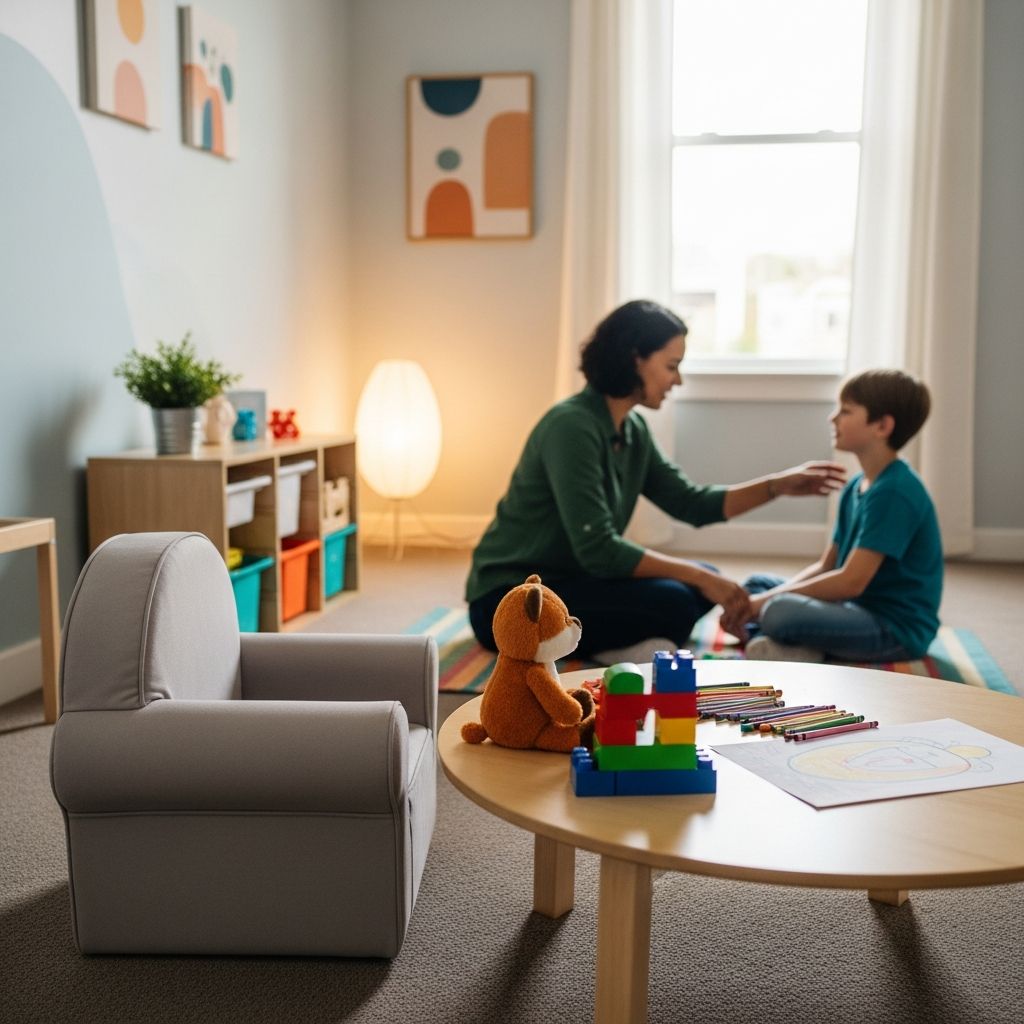
Embracing a summer without screens opens doors to endless possibilities for children and parents alike. By stepping away from digital devices, families can rediscover the simple joys of play, exploration, and connection with the natural world. This approach not only reduces screen time but also enhances physical health, boosts creativity, and builds stronger relationships. Research from the American Academy of Pediatrics recommends limiting recreational screen use to two hours per day for children over age two, emphasizing the benefits of active, unstructured play for development. In this guide, we’ll explore a variety of original, easy-to-implement activities designed to fill your days with laughter and wonder.
Why Go Screen-Free This Summer?
Excessive screen exposure can lead to sedentary lifestyles, sleep disruptions, and diminished attention spans in children. A screen-free summer counters these effects by promoting physical activity, which supports healthy growth and cognitive function. According to the Centers for Disease Control and Prevention (CDC), children aged 6-17 need at least 60 minutes of moderate-to-vigorous physical activity daily to maintain optimal health. Beyond physical benefits, unplugging fosters imagination and problem-solving skills. Parents report improved family dynamics, with more meaningful conversations and shared experiences replacing passive viewing.
Structuring your days around themes provides predictability without rigidity, helping kids transition smoothly from school routines. This strategy minimizes boredom-induced pleas for devices while maximizing engagement. Start small—designate screen-free zones like the backyard or mornings—and gradually expand to full days.
Daily Themes to Organize Your Week
Introduce variety through themed days, using household items to keep costs low. These themes encourage anticipation and allow kids input, making them feel involved.
- Make It Monday: Dive into hands-on creation with recycled materials. Build sculptures from cardboard boxes or mix natural dyes for fabric art.
- Trip Tuesday: Venture out to local spots like trails or ponds. Pack a picnic and observe wildlife along the way.
- Water Wednesday: Set up splash zones with buckets, hoses, or DIY water slides using tarps and soap.
- Thoughtful Thursday: Practice kindness through letter-writing or community clean-ups, teaching empathy.
- Free-For-All Friday: Let kids lead with their wildest ideas, from pretend plays to neighborhood games.
- Saturday Spark: Focus on sensory play like digging in dirt or mixing playdough from flour and salt.
- Sunday Slowdown: Wind down with storytelling circles or stargazing prep.
These themes adapt to any age group and weather, ensuring consistent fun.
Outdoor Exploration Ideas
Nature beckons with free, boundless entertainment. Turn your backyard or nearby green space into an adventure hub.
- Launch homemade kites from newspaper and string, racing against the wind.
- Construct twig structures or leaf boats for creek races.
- Embark on treasure hunts for natural treasures like feathers or stones.
- Practice skipping pebbles or building rock towers by water edges.
- Identify plants and insects with simple field guides printed from library books.
For added thrill, create a backyard campout. Pitch tents, roast marshmallows over a safe fire pit (with adult supervision), and share ghost stories under the stars. The National Park Service highlights how such activities instill environmental stewardship in youth.
Indoor Creativity Boosters
Rainy days don’t halt the fun. Transform living spaces into hubs of invention.
| Activity | Materials Needed | Benefits |
|---|---|---|
| Fort Building Challenge | Blankets, chairs, pillows | Spatial reasoning, teamwork |
| Sensory Bins | Rice, beans, scoops, toys | Fine motor skills, calm focus |
| Dance-Off Parties | Music player, scarves | Energy release, coordination |
| Shadow Puppet Shows | Flashlights, paper cutouts | Storytelling, imagination |
| Homemade Board Games | Cardboard, markers, dice | Strategy, math concepts |
These setups require minimal prep and cleanup, yet provide hours of engagement. A Lego or block-building contest, for instance, sharpens engineering basics as kids design towers or vehicles collaboratively.
Active Games and Challenges
Keep bodies moving with games that blend competition and cooperation.
- Design obstacle courses using hula hoops, cones, and ropes—time each other for friendly rivalry.
- Host relay races with egg-and-spoon balances or three-legged setups.
- Play classic tag variants like shadow tag or flashlight versions at dusk.
- Jump rope marathons or hopscotch grids drawn with chalk.
- Water balloon tosses or sponge relays for cooling summer fun.
The World Health Organization (WHO) notes that active play reduces obesity risks and improves mental health in children. Incorporate learning by tying games to skills like measuring distances or counting jumps.
Educational Twists on Play
Infuse learning seamlessly into fun. Simple science demos using baking soda volcanoes or sink-or-float tests in a basin teach cause-and-effect without workbooks. Nature journals capture drawings of bugs or weather patterns, honing observation skills. Historical role-play—pretending to be explorers or inventors—brings history alive. For math, create pattern hunts in leaves or symmetry challenges with folded paper art.
Family Bonding Rituals
Strengthen ties through shared rituals. Evening story swaps where each person adds a sentence build narrative skills. Pen pal exchanges with relatives encourage writing. Group cooking sessions yield edible experiments like no-bake treats from pantry staples. These moments create cherished memories, outlasting any app or show.
Tips for Success
Succeed by setting clear expectations: involve kids in planning to build buy-in. Prepare activity kits in bins for quick access. Lead by example—join in fully, device-free. Track progress with a summer chart of completed adventures, rewarding with group treats. If resistance arises, start with short bursts and highlight the fun post-activity.
Frequently Asked Questions (FAQs)
What if my kids beg for screens?
Redirect with choices: ‘Park adventure or fort build?’ Consistency pays off within a week.
Are these suitable for all ages?
Yes—scale down for toddlers (sensory focus) and up for teens (leadership roles).
How do I handle bad weather?
Shift indoors: dance parties or craft marathons keep energy high.
Do I need special supplies?
Mostly household items; borrow or improvise for extras.
What’s the biggest benefit parents notice?
Deeper conversations and kids’ independence in play.
References
- American Academy of Pediatrics Media and Young Minds — American Academy of Pediatrics. 2023-07-01. https://publications.aap.org/pediatrics/article/138/5/e20162591/52600/Media-and-Young-Minds
- Physical Activity Guidelines for Americans — Centers for Disease Control and Prevention. 2024-05-15. https://www.cdc.gov/physicalactivity/basics/children/index.htm
- Junior Ranger Program — National Park Service. 2025-01-10. https://www.nps.gov/kids/junior-ranger.htm
- WHO Guidelines on Physical Activity — World Health Organization. 2020-06-16. https://www.who.int/news-room/fact-sheets/detail/physical-activity
- Let Grow Outdoor Activities — Let Grow. 2023-04-20. https://letgrow.org/50-outside-activities-not-digital/