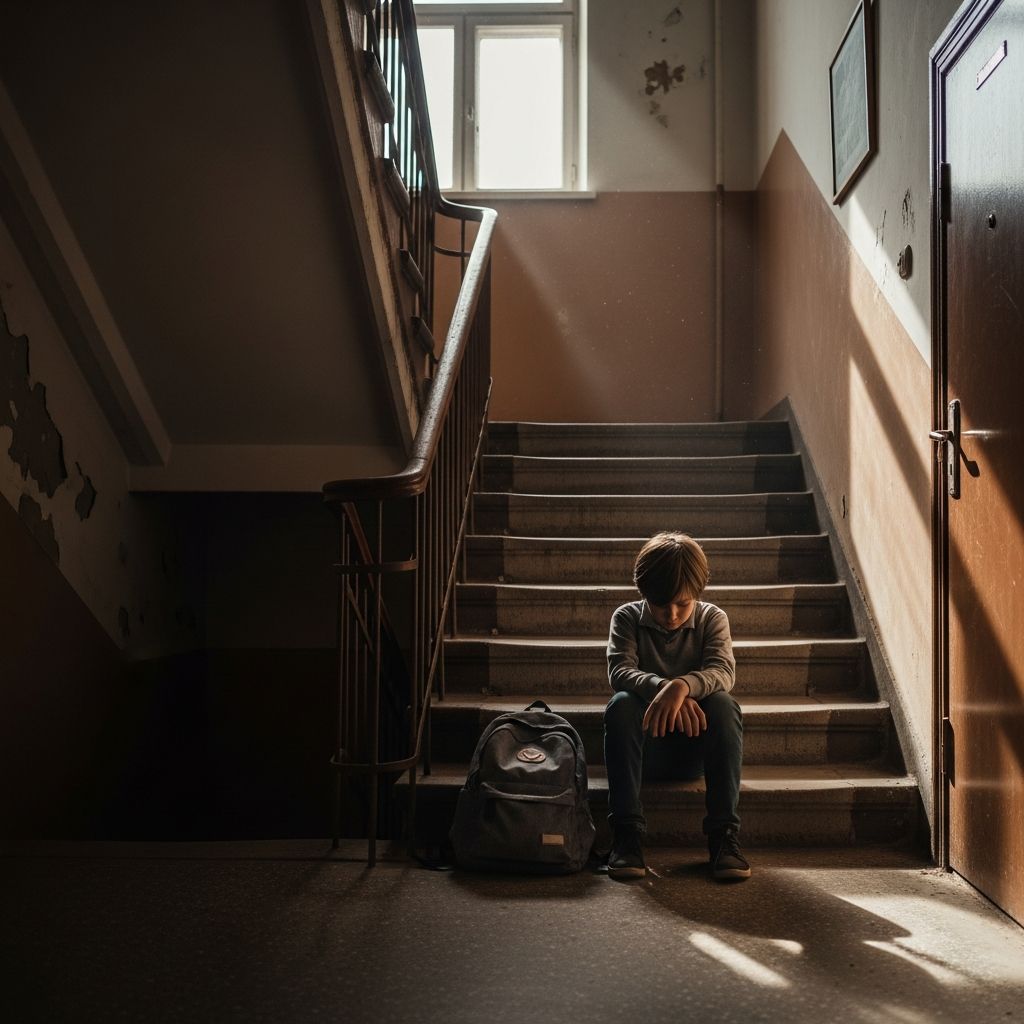
Decoding School Avoidance: What Parents Need to Know
When children consistently resist going to school, most parents initially assume the issue stems from typical childhood complaints or a desire to sleep in. However, mounting evidence reveals a more complex picture. School avoidance, also referred to as school refusal, frequently signals underlying emotional or physical distress that extends far beyond simple reluctance to leave home. A comprehensive national survey involving over 1,000 parents uncovered surprising patterns in why children resist attending school, challenging many common parental assumptions and highlighting the need for informed, compassionate responses.
Understanding the genuine reasons behind school avoidance represents a critical step toward helping children develop healthier relationships with their education and overall well-being. The distinction between typical school-day groaning and genuine school avoidance can mean the difference between addressing a minor phase and missing opportunities to intervene in a serious mental health concern.
The Prevalence and Scope of School Avoidance
School avoidance affects a substantial portion of the student population across the United States. According to the National Institutes of Health, as many as 28% of children experience some form of school avoidance, with the highest incidence occurring between ages 10 and 13, as well as during significant school transitions. The survey data reveals that this phenomenon extends across diverse family structures and socioeconomic backgrounds, though certain populations face heightened vulnerability to chronic absenteeism.
The impact of school avoidance extends beyond mere missed instructional time. Research demonstrates that missing just 10% of the school year—approximately 18 days in most districts—negatively affects academic performance and long-term educational outcomes. When avoidance becomes chronic, the consequences intensify, including elevated dropout risk, reduced career prospects, and perpetuated cycles of educational disadvantage.
Physical Symptoms as Mental Health Indicators
One of the most surprising findings from recent research involves the somatic manifestations of school avoidance. Among students who missed school, 42% reported not feeling physically well enough to attend, while 20% cited exhaustion as their primary reason. These physical complaints often perplex parents because medical evaluations frequently reveal no identifiable illness or organic cause.
This disconnect highlights a crucial insight: many physical symptoms in children carry psychological origins. Anxiety, fear, and emotional distress can manifest as genuine physical discomfort including headaches, stomachaches, nausea, and fatigue. A parent’s recognition of this mind-body connection proves essential for appropriate intervention. When children report feeling ill without medical explanation, parents should consider that underlying anxiety or stress may be expressing itself through bodily symptoms rather than dismissing these complaints as fabricated.
Pediatric psychologists emphasize that distinguishing between psychosomatic symptoms and actual illness requires careful observation and, when necessary, professional evaluation. However, the repeated pattern of physical complaints preceding school days, combined with symptom resolution on weekends or during breaks, often provides crucial diagnostic information.
The Emotional Foundations of School Resistance
While physical symptoms gain recognition, emotional factors represent perhaps the most significant drivers of school avoidance. According to recent survey findings, approximately 30% of parents reported their child missed more than a week of school due to fear or anxiety. This statistic underscores the severity of emotional distress that some children experience around school attendance.
The emotional landscape surrounding school avoidance encompasses multiple distinct concerns:
- Social anxiety and peer-related fears: Children may worry about bullying, exclusion, or not fitting in with classmates. Social navigation—already challenging during developmental years—can feel overwhelming for anxious children.
- Academic performance anxiety: Some children develop intense fear around testing, public speaking, or receiving grades. For struggling learners, daily school attendance can feel like continuous exposure to failure.
- Separation anxiety: Younger children or those with insecure attachments may experience severe distress when separated from parents, making school attendance feel intolerable.
- Generalized anxiety and depression: Some children experience broader anxiety disorders or depressive symptoms that reduce motivation and increase dread about routine activities, including school.
- Trauma-related responses: Children who have experienced traumatic events may develop school-related triggers that activate fear responses.
Undiagnosed Learning Challenges as Hidden Contributors
A frequently overlooked dimension of school avoidance involves undiagnosed learning disabilities and neurodevelopmental differences. Children who struggle academically but lack formal diagnosis or support often develop avoidant behavior as a coping mechanism. When daily school attendance involves repeated experiences of confusion, frustration, and perceived inadequacy, even resilient children may begin refusing to attend.
The psychological burden of chronic academic struggle cannot be understated. As one expert notes, “Nobody wants to feel frustrated daily,” and children facing constant grading, comparison, and pressure regarding their academic future may develop school avoidance as an understandable, if problematic, response to daily stress. Identifying undiagnosed learning differences—whether involving attention, processing speed, reading comprehension, or other domains—often proves transformative in addressing school avoidance, as children receive appropriate support and experience improved success.
The Role of Parental Response and Family Dynamics
While child-centered factors clearly influence school avoidance, emerging research illuminates the critical role of parental emotional regulation and child-rearing approaches. Parents of adolescents demonstrating school refusal behaviors report significantly higher levels of emotion dysregulation than parents of students without avoidance patterns. This finding suggests that family emotional climate and parental stress management directly influence children’s ability to manage their own anxiety around school.
A counterintuitive challenge emerges when well-intentioned parents respond to their child’s distress by permitting school avoidance. When children express anxiety about attending school, parents naturally wish to alleviate their child’s suffering. Allowing children to remain home during periods of distress may provide temporary relief, but this accommodation paradoxically intensifies anxiety over time. Avoidance learning—where anxiety reduction reinforces avoidant behavior—creates a cycle where anxiety grows increasingly powerful with each avoided situation.
Additionally, family circumstances including lack of structure, inconsistent supervision, or challenging household dynamics can convert general school unhappiness into chronic avoidance. For some children, school avoidance represents not just escape from school-based stressors but also a way to gain positive rewards associated with remaining home, such as comfort, control, and reduced demands.
Differentiating School Avoidance from Other Challenges
Not every child who occasionally complains about school experiences genuine avoidance. Understanding the distinction helps parents calibrate appropriate responses. School avoidance typically involves:
- Repeated, escalating resistance to school attendance
- Physical or emotional distress that intensifies as school approaches
- Significant impairment in functioning or family relationships due to school refusal
- Patterns that persist despite parental interventions and reassurance
- Associated mental health symptoms such as anxiety, depression, or trauma responses
Occasional school resistance, by contrast, may involve isolated complaints, resolve with reasonable encouragement, or respond positively to simple problem-solving. Recognizing these distinctions prevents both overreaction to normal childhood behavior and underresponse to genuine distress.
Effective Intervention Strategies for Parents
Research and clinical experience converge on several evidence-based approaches parents can implement:
Establish Consistent Structure and Predictability
Children experiencing anxiety benefit tremendously from clear, consistent routines and explicit expectations around school attendance. Predictability reduces uncertainty and helps anxious children anticipate and prepare for transitions. Morning routines, consistent bedtimes, and clear communication about daily schedules create a supportive framework.
Investigate Underlying Causes Through Compassionate Inquiry
Rather than dismissing complaints or assuming manipulation, parents should engage in genuine, non-judgmental exploration of their child’s concerns. Asking open-ended questions—”What specifically worries you most about school?” or “What part of the day feels most difficult?”—provides crucial information and demonstrates that their concerns are taken seriously.
Collaborate with School Personnel
Teachers, counselors, and school psychologists possess valuable perspectives on a child’s school behavior and can implement supportive accommodations. Some children benefit from modified entry routines, designated check-in spaces, or gradual exposure to anxiety-provoking situations with professional support.
Resist the Accommodation Trap
While short-term accommodations may be necessary, parents should avoid indefinitely permitting school avoidance, as this reinforces anxiety rather than resolving it. Working with mental health professionals to develop strategies that gently encourage attendance while addressing underlying distress proves more effective long-term.
Develop Coping Strategies and Crisis Plans
Children benefit from concrete tools for managing anxiety, such as grounding techniques, breathing exercises, positive self-talk, and problem-solving strategies. Creating a written plan for managing difficult moments helps children feel equipped and parents feel prepared.
When Professional Support Becomes Necessary
If school avoidance persists despite parental interventions, professional support from pediatricians, mental health providers, or school psychologists becomes essential. Cognitive-behavioral therapy demonstrates particular effectiveness in treating anxiety-related school avoidance, helping children develop resilience and coping skills.
Mental health professionals can utilize assessment tools specifically designed to identify the functions maintaining school avoidance, such as the School Refusal Assessment Scale, to guide targeted interventions. Medication may sometimes support children whose anxiety significantly impairs functioning, though therapy typically forms the foundation of effective treatment.
Understanding Vulnerable Populations
Certain children face heightened risk for school avoidance, including those from disadvantaged backgrounds, low socioeconomic circumstances, or marginalized communities. For these students, school avoidance often reflects compounded stressors including housing instability, inadequate family resources, and systemic barriers to educational access. Supporting these vulnerable populations requires not only individual intervention but also systemic attention to reducing educational barriers and improving resource availability.
Frequently Asked Questions
Is school avoidance a sign that my child is manipulating me?
School avoidance typically reflects genuine emotional or physical distress rather than deliberate manipulation. While children’s behavior may be influenced by reinforcement patterns, the underlying anxiety or discomfort is real and warrants compassionate investigation rather than dismissal.
Should I insist my child attend school even when they’re extremely distressed?
This complex question requires balance. Consistent attendance expectations prove important long-term, but severe acute distress may require temporary flexibility while simultaneously addressing underlying causes with professional support. Consulting with mental health providers helps parents navigate this balance.
Can giving my child a mental health day help prevent school avoidance?
While occasional mental health breaks may provide temporary relief, habitual use of staying home as an anxiety management strategy can paradoxically strengthen anxiety over time. Alternative coping strategies typically prove more beneficial long-term.
At what age does school avoidance most commonly occur?
School avoidance occurs most frequently between ages 10 and 13, and during transitions to new school environments. However, it can develop at any age and warrants attention whenever it emerges.
What if I suspect my child has an undiagnosed learning disability?
Request a comprehensive educational evaluation through your school district or consult with a pediatric psychologist or neuropsychologist. Identifying learning differences often dramatically improves school engagement and reduces avoidance behaviors.
References
- Survey reveals top reasons children avoid school: fear, anxiety, and exhaustion — Local 12 News, Hearst Television. 2025. https://local12.com/health/health-updates/survey-reveals-top-reasons-children-avoid-school-fear-anxiety-and-exhaustion
- New Survey Reveals Top Reasons Why Kids Avoid Going to School — Kids Mental Health Foundation, founded by Nationwide Children’s Hospital. 2025. https://www.kidsmentalhealthfoundation.org/about/media-center/press-releases/school-avoidance-survey
- 10 Facts About School Attendance — Attendance Works. 2024. https://www.attendanceworks.org/chronic-absence/the-problem/10-facts-about-school-attendance/
- Avoiding and Refusing to Go to School — Yale Medicine, Yale School of Medicine. 2024. https://www.yalemedicine.org/conditions/school-related-problems
- School Avoidance Facts — School Avoidance Organization. 2024. https://schoolavoidance.org/school-avoidance-facts/
- School Refusal Behaviors: The Roles of Adolescent and Parental Psychopathological Factors — National Center for Biotechnology Information (NCBI), U.S. National Library of Medicine. 2024. https://pmc.ncbi.nlm.nih.gov/articles/PMC11497732/
- Understanding EBSA: Why Children Miss School — The Youth Fairy. 2024. https://www.theyouthfairy.com/understanding-ebsa-why-children-miss-school/