Slipped capital femoral epiphysis (SCFE) is a hip condition that affects children and teenagers during rapid growth. It happens when the ball at the top of the thigh bone (femur) shifts out of its normal position through a weakened growth plate, causing pain, stiffness, and difficulty walking. Early diagnosis and treatment are essential to protect the hip joint and prevent long-term damage.
What Is SCFE?
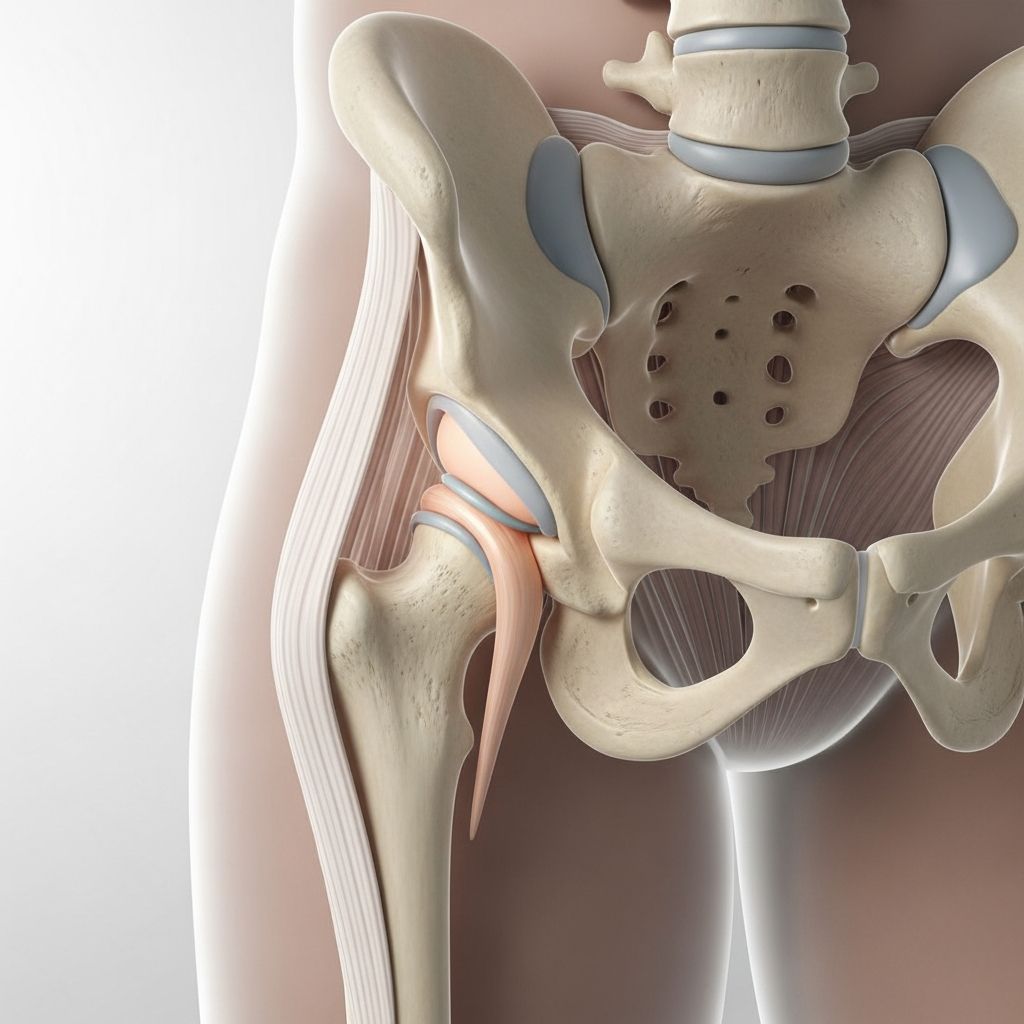
To understand SCFE, it helps to picture the hip joint like a ball-and-socket. The ball is the rounded head of the thigh bone, and the socket is part of the pelvis. In growing children, a soft growth plate sits between the ball and the shaft of the bone. In SCFE, this growth plate becomes weak, and the ball gradually or suddenly slips backward and downward on the neck of the femur.
SCFE is considered an orthopedic emergency because the more the bone slips, the greater the risk of complications. Treatment focuses on stabilizing the bone as soon as possible so the hip can continue to grow and function as normally as possible.
Who Is Most Likely to Develop SCFE?
SCFE usually appears in pre-teens and teenagers who are still growing. It tends to happen during growth spurts, when the growth plates are especially active and more vulnerable to stress. While it can occur in any child, certain factors make SCFE more likely.
- Age: Most cases occur between about 10 and 16 years of age.
- Sex: Boys are affected slightly more often than girls.
- Body weight: Children with overweight or obesity have a higher risk because extra weight puts more stress on the hip joint.
- Family history: Having a close relative who had SCFE may increase risk.
- Medical conditions: Some hormone and endocrine problems (for example thyroid or growth hormone disorders) can weaken the growth plate and make SCFE more likely.
Why Does SCFE Happen?
The exact reason SCFE develops in some children and not others is not fully understood, but the condition appears when the growth plate in the upper thigh bone becomes too weak to support normal forces. Everyday activities like walking, running, or minor falls can then cause the ball of the hip to slip.
Several contributing factors may combine to create this weakness:
- Rapid growth during puberty, which makes growth plates softer and more fragile.
- Increased body weight, which adds mechanical stress to the hip.
- Subtle differences in hip anatomy that load the growth plate unevenly.
- Hormonal imbalances that affect bone strength and cartilage health.
Common Signs and Symptoms Parents Notice
SCFE can be tricky to recognize because the pain is not always felt directly in the hip. Many children complain of knee or thigh pain, and the problem may appear gradually. Paying attention to changes in the way your child walks or moves can help catch SCFE earlier.
Typical signs and symptoms include:
- Limping or dragging one leg when walking.
- Pain in the groin, hip, thigh, or knee (sometimes only in the knee at first).
- Pain that worsens with activity and improves with rest.
- Stiffness or reduced range of motion in the hip.
- Walking with the affected foot turned outward.
- Sudden severe pain and inability to put weight on the leg in more serious cases.
Some children may seem clumsy or avoid sports and physical play because movement hurts. If your child develops a new limp or persistent leg pain without a clear reason, a medical evaluation is important.
Stable vs. Unstable SCFE
Doctors classify SCFE based on how securely the child can stand or walk on the affected leg. This distinction helps guide urgency and expectations for recovery.
| Type | Weight Bearing | Typical Symptoms | Risk of Complications |
|---|---|---|---|
| Stable SCFE | Child can walk, often with a limp, sometimes with crutches. | Gradual onset of pain and stiffness; symptoms may last weeks or months. | Generally lower, especially when treated quickly. |
| Unstable SCFE | Child cannot walk or bear weight, even with support. | Sudden severe pain, often after minor trauma; movement of the hip is very painful. | Higher risk of loss of blood supply to the femoral head and later arthritis. |
When to Seek Urgent Medical Care
Timing matters with SCFE. The longer the slip is left untreated, the more the ball of the hip can move out of position and the more likely permanent damage becomes. Parents should treat a suspected SCFE as a medical urgency.
Contact a doctor or visit an emergency department promptly if:
- Your child suddenly cannot put weight on one leg.
- Hip or knee pain appears suddenly after even a minor fall or twist.
- There is a noticeable outward turning of one foot with pain or limp.
- Pain and limp have been present for weeks and are gradually getting worse.
How Doctors Diagnose SCFE
Evaluation usually starts with a detailed history and physical exam. The doctor will ask when the pain began, where it is felt, and whether there were any injuries. Observing the child walk and move the hip provides important clues.
Key parts of the evaluation include:
- Physical examination: The provider gently moves the hip in different directions to check for stiffness, pain, and reduced internal rotation. The affected leg may seem slightly shorter or turn outward when the child lies relaxed.
- Imaging tests: X-rays of the pelvis and hips are used to confirm the diagnosis and measure how far the ball has slipped. In some cases, more detailed imaging such as MRI may be requested to look at early changes or the blood supply to the femoral head.
- Additional tests: If the child is very young, unusually old for SCFE, or has other concerning signs, blood tests or endocrine evaluations may be ordered to look for underlying hormone or metabolic conditions.
Treatment Goals for SCFE
SCFE does not improve on its own and cannot be treated with rest alone. Once confirmed, the main goals of treatment are to stop the slip from worsening, keep the ball of the hip in as close to a normal position as possible, and protect the blood supply to the bone.
To achieve this, children are usually admitted to the hospital quickly, and movement of the hip is limited until surgery can be performed. Crutches or a wheelchair are often used to prevent further slipping before the procedure.
Surgery: The Main Treatment for SCFE
The standard treatment for SCFE is surgery to hold the ball of the femur firmly in place while the growth plate closes and heals. The details vary depending on how severe the slip is and whether one or both hips are involved, but the general approach is similar across cases.
Common surgical strategies include:
- In situ fixation: A metal screw or similar device is placed across the growth plate through a small incision to prevent further slipping. This is often used when the slip is mild to moderate and the ball remains reasonably aligned.
- Corrective procedures: In more severe slips, the surgeon may reposition part of the bone before securing it to restore a better joint alignment. These operations are more complex and usually reserved for advanced cases.
- Preventive surgery on the opposite hip: If risk is high that the other hip may also slip (for example, due to underlying conditions or X-ray findings), the care team may recommend placing a screw in the unaffected side to prevent a second SCFE.
What to Expect After Surgery
Most children stay in the hospital for a short time after surgery and go home with clear instructions about activity and follow-up. Pain is usually managed with medication for a few days, and many children feel significant relief as the hip is stabilized.
Key elements of early recovery include:
- Using crutches or a wheelchair as directed, often for several weeks to months.
- Keeping weight off the operated leg until the surgeon confirms it is safe to bear more weight.
- Attending follow-up appointments and X-rays to be sure the screw is stable and the bone is healing correctly.
- Gradually returning to school and everyday activities as comfort and mobility improve.
Physical Therapy and Return to Activity
Physical therapy often plays a major role in regaining strength and flexibility. After the bone begins to heal and the surgeon allows more movement, a therapist teaches safe exercises to restore muscle power and joint motion without damaging the repair.
Over time, most children can return to many of their previous activities. However, the timeline and level of allowed sports participation will depend on the severity of the slip, the type of surgery performed, and how the hip looks on follow-up imaging. High-impact sports may be limited in some cases to protect the joint from early wear.
Possible Complications and Long-Term Outlook
With prompt diagnosis and proper treatment, many children with SCFE go on to lead active lives with good hip function. However, certain complications can occur, especially in severe or unstable slips.
Potential problems include:
- Loss of blood supply to the femoral head (avascular necrosis): If the blood flow is disrupted, part of the bone can weaken and collapse, leading to pain and limited motion.
- Imperfect hip shape (femoroacetabular impingement): Changes in the contour of the ball or socket can cause friction during movement and may contribute to cartilage wear.
- Early arthritis: Damage to the joint surface may eventually lead to hip arthritis at a younger age than usual.
- Leg length differences: In some cases, one leg may end up slightly shorter than the other, which can affect gait.
Regular follow-up with an orthopedic specialist helps monitor growth, catch problems early, and guide decisions about sports, work, and long-term joint care.
How Parents Can Support a Child With SCFE
SCFE can be stressful for the whole family. Children may feel frightened about surgery, frustrated about activity limits, or worried about missing school and social events. Emotional support is just as important as physical healing.
Helpful ways to support your child include:
- Explaining the condition and surgery in simple, reassuring language.
- Coordinating with school to arrange accommodations such as extra time between classes or help carrying books.
- Encouraging safe, permitted activities to keep your child engaged and connected with friends.
- Following all medical instructions closely, including follow-up visits and exercises.
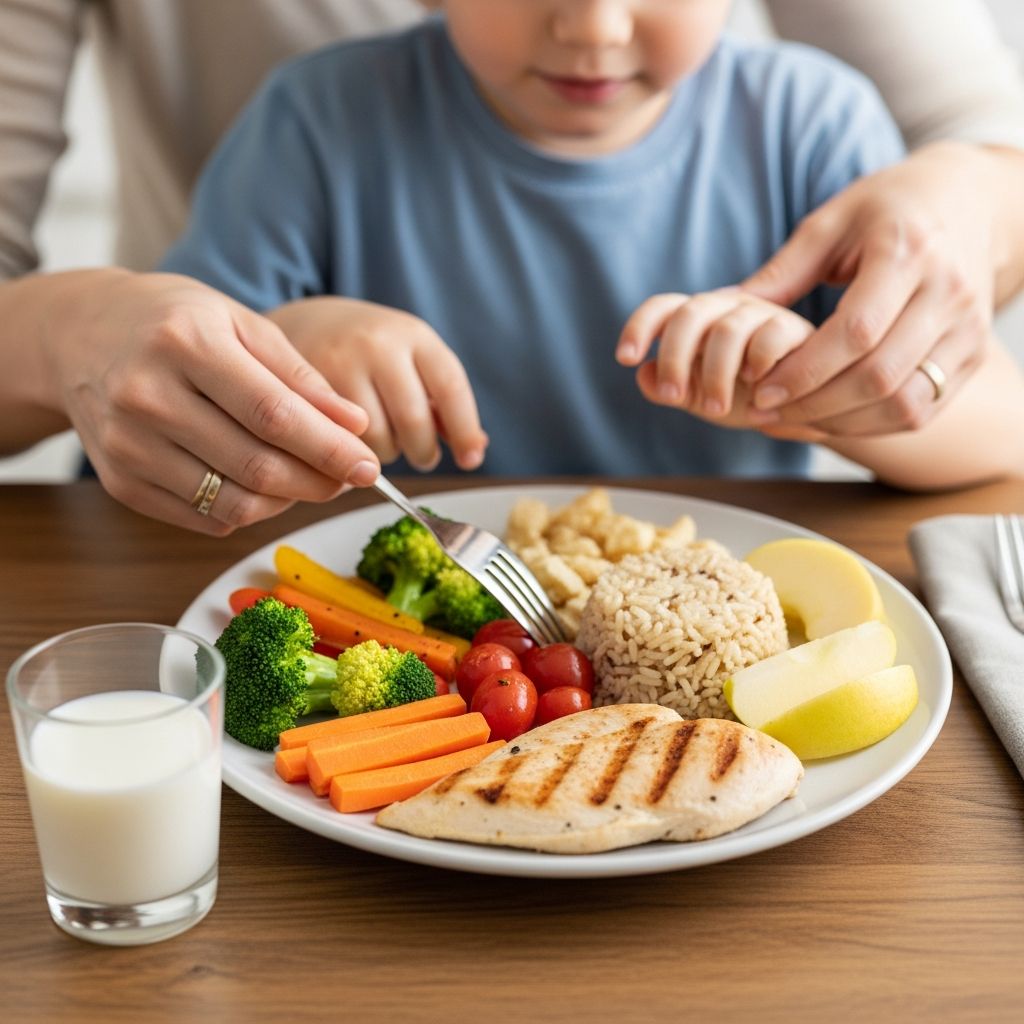
- Promoting healthy nutrition and, when appropriate, gradual weight management under professional guidance to reduce stress on the hip.
Frequently Asked Questions About SCFE
Is SCFE caused by an injury?
SCFE can sometimes appear after a minor fall or twist, but the underlying problem is usually a weakened growth plate rather than a single traumatic event. Everyday forces that most hips can handle may be enough to trigger slipping when the growth plate is fragile.
Can SCFE happen in both hips?
Yes. A significant number of children with SCFE eventually develop the condition in both hips, either at the same time or months to years apart. This is why doctors carefully monitor the opposite hip and may recommend preventive surgery in high-risk situations.
Will my child always walk with a limp?
Many children regain a near-normal gait after successful treatment and rehabilitation, especially if the slip was mild and treated early. Some may have a slight outward turn of the foot or a subtle limp, particularly after heavy activity, but this is often manageable.
Can SCFE be prevented?
Because SCFE is linked to growth and individual anatomy, it cannot always be prevented. Maintaining a balanced diet, encouraging regular age-appropriate physical activity, and working with healthcare providers to manage weight and endocrine conditions can help support overall bone and joint health.
Will my child be able to play sports again?
Many children return to sports once the hip has healed, but the timing and type of sport depend on the severity of the slip and the health of the joint. The orthopedic team and physical therapist will give specific guidance about when and how to resume training, and whether any long-term restrictions are necessary.
Key Takeaways for Parents
- Persistent hip, thigh, or knee pain and a new limp in a growing child should always be checked by a healthcare professional.
- SCFE is treatable, especially when recognized early and managed promptly with appropriate surgery.
- Close follow-up, physical therapy, and family support give children with SCFE the best chance of a strong recovery and an active future.