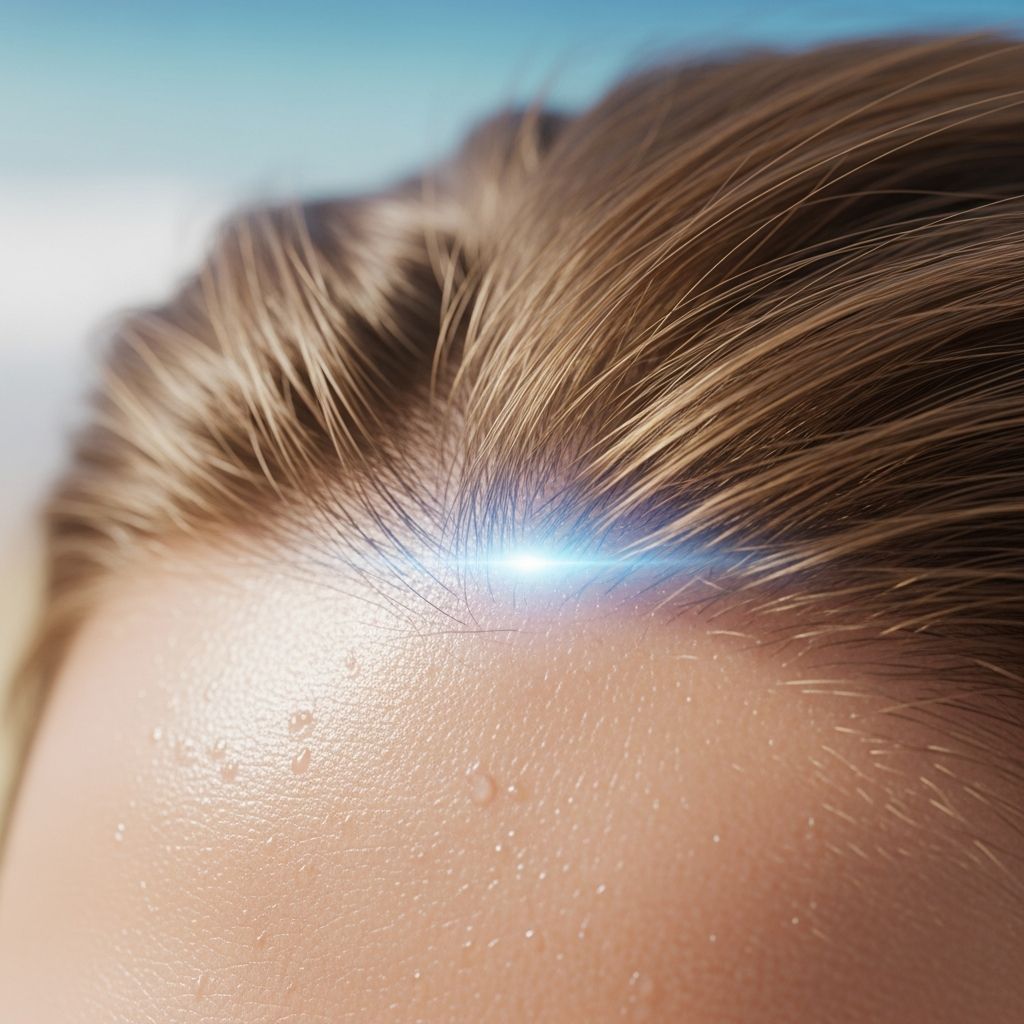
Your scalp is one of the most sun-exposed yet most overlooked parts of your body. Whether you have a wide part, thinning hair, curls pulled back, or a completely shaved head, the skin on top of your head is at real risk for sunburn, painful peeling, and long-term damage. Protecting it requires more than just relying on your hair.
This guide explains why the scalp needs dedicated protection, how ultraviolet (UV) radiation harms both scalp and hair, and which practical strategies and products work best. The focus is on realistic, everyday solutions parents, beachgoers, athletes, and anyone with hair (or without) can actually use.
Why Your Scalp Needs Special Sun Protection
The scalp is structurally similar to the rest of your skin, but its constant exposure and hair coverage make its sun risks a bit different from other areas of the body.
- High UV exposure: The scalp is at the highest point of the body and receives direct overhead sunlight, especially around midday.
- Often neglected: People routinely apply SPF to the face, neck, and shoulders, but skip the scalp because of hair or styling concerns.
- Frequent thinning or part lines: Even people who appear to have full, dense hair usually have visible parts, cowlicks, or receding areas that UV reaches easily.
- History of skin cancer: Non-melanoma skin cancers and melanoma can develop on the scalp, and scalp melanomas may be diagnosed later because hair hides early warning signs.
Dermatology research consistently shows that cumulative UV exposure is a major driver of both skin cancer and premature aging, and broad-spectrum sunscreen is a core prevention strategy.
How UV Radiation Damages Scalp Skin and Hair
Two main types of UV rays from the sun affect your scalp and hair: UVA and UVB.
- UVA: Penetrates more deeply into the skin and contributes heavily to photoaging (wrinkles, pigment changes) and indirect DNA damage.
- UVB: Primarily responsible for sunburn and direct DNA damage that can lead to skin cancer.
Hair offers some protection, but it is incomplete. Very fine, light, or thinning hair, tight parts, and styles that pull hair away from the crown leave skin vulnerable.
Effects on Scalp Skin
- Immediate damage: Redness, burning, tenderness, and eventually peeling after intense UV exposure.
- Long-term risk: Repeated burns increase the risk of actinic keratoses (precancerous lesions), basal cell carcinoma, squamous cell carcinoma, and melanoma on the scalp.
- Barrier disruption: Sunburned skin is drier, more sensitive, and more prone to itching and flaking.
Effects on Hair Fibers
UV radiation also alters the structure of the hair shaft itself.
- Protein breakdown: UV exposure degrades keratin, leading to weaker, more brittle hair.
- Color fading: Natural pigments and hair dye molecules are broken down, causing dullness and color change.
- Surface damage: The cuticle (outer layer) can become rougher and more porous, increasing frizz and split ends.
Hair-focused sunscreens and UV-filtering hair products can help maintain color and limit structural damage, especially in people with dyed, bleached, or naturally light hair.
When the Scalp Is at Highest Risk
While any uncovered scalp can burn, certain situations dramatically increase the risk.
- Thinning or fine hair: People with androgenetic alopecia, postpartum shedding, or naturally sparse hair have less physical shielding.
- Very light hair or skin: Less melanin means less natural protection against UV rays.
- Children: Kids often spend long hours outdoors and may not feel scalp burning until it is severe.
- Outdoor activities: Swimming, hiking, gardening, and sports expose the crown, part, and hairline for long periods.
- High UV index days: Late spring through early fall and midday hours increase intensity of UV radiation.
Types of Scalp and Hair Sun Protection
There are two broad strategies for protecting the scalp: physical barriers and topical sunscreens. Most people benefit from a combination of both.
| Protection Type | How It Works | Best For | Limitations |
|---|---|---|---|
| Hats & clothing | Block or absorb UV before it reaches skin | All ages, prolonged outdoor time | May be hot; doesn’t cover neck or ears unless designed to |
| Mineral scalp sunscreen | Reflects/scatters UV using zinc oxide or titanium dioxide | Sensitive skin, quick protection | Can look chalky if not well formulated |
| Chemical scalp sunscreen | Absorbs UV and converts it to heat | Lightweight feel, invisible finishes | May irritate very sensitive skin |
| Hair products with UV filters | Protect hair fibers and sometimes scalp surface | Color-treated or damaged hair | Often not enough for fully exposed skin |
Choosing a Scalp Sunscreen: Key Features to Look For
Dermatology and public health guidelines offer clear criteria for an effective sunscreen, whether it is applied to the body, face, or scalp.
- Broad-spectrum protection: The product should state that it protects against both UVA and UVB.
- SPF 30 or higher: Major health organizations recommend at least SPF 30 for routine use when outdoors.
- Water resistance: Helpful if you sweat heavily, swim, or exercise in the sun.
- Cosmetic elegance: The texture should work with your hairstyle and hair type, so you are willing to use it daily.
Formulations Made for the Scalp
Scalp and hair sunscreens have been developed to solve a common problem: regular sunscreen lotions often leave hair greasy or clumped. Newer formats are designed to be lighter and easier to blend through hair.
- Powder SPF: Usually packaged with a brush or shaker top and ideal for dusting along your part and hairline. They tend to be:
- Less likely to disturb your hairstyle
- Good for touch-ups throughout the day
- Often mineral-based (zinc oxide or titanium dioxide)
- Spray and mist SPF: Fine mists can be directed at the roots and part without saturating the lengths of the hair. Many are specifically advertised for scalp and hair use and may include conditioning ingredients to maintain softness and color.
- Stick SPF: Balm-like sticks glide over the hairline, ears, and bald spots and are easy for kids or athletes to carry and reapply.
Mineral vs Chemical Sunscreens on the Scalp
Both mineral and chemical sunscreens can be effective when properly formulated and applied. The best choice depends on your skin type, sensitivity, and personal preference.
| Type | Main Active Ingredients | Advantages | Considerations |
|---|---|---|---|
| Mineral (physical) | Zinc oxide, titanium dioxide |
|
|
| Chemical | Avobenzone, octisalate, octocrylene, and others |
|
|
Practical Application Tips for Different Hair Types
Protecting your scalp effectively means adapting your routine to your specific hair texture, density, and style.
For Fine or Thinning Hair
- Use a powder sunscreen to dust along visible scalp areas, including the crown and any expanding part.
- Consider adding a UPF-rated hat (ultraviolet protection factor) on high UV days for extra security.
- Check your scalp regularly for new spots, sores that do not heal, or changing moles and consult a dermatologist for anything concerning.
For Curly, Coily, or Thick Hair
- Focus on the part and hairline first; these are often the most exposed areas.
- Use a spray or mist SPF that can reach the scalp between curls without weighing them down.
- Look for formulas labeled as non-greasy or residue-free to preserve volume and curl pattern.
For Short Hair or Shaved Heads
- Treat the scalp like you would treat your face: apply a broad-spectrum SPF 30+ generously to all exposed areas.
- Reapply at least every two hours when outdoors, and after sweating heavily or swimming.
- Consider a wide-brimmed hat for prolonged exposure, especially at the beach or on the water.
For Children
- Use hats with neck flaps or wide brims whenever possible; they provide consistent physical coverage and remove the need for very frequent reapplication on wriggly kids.
- For exposed parts or cowlicks, choose a mineral-based spray or stick to reduce risk of eye irritation.
- Teach children that the top of the head needs sunscreen too, turning it into a habit early on.
Beyond Sunscreen: Clothing, Shade, and Timing
Sunscreen works best as part of a broader sun-safety plan. Public health recommendations emphasize a three-part strategy: shade, clothing, and sunscreen.
- Seek shade: Spend more time under umbrellas, trees, or canopies, particularly when the sun is highest in the sky.
- Wear protective headwear: Opt for tightly woven fabrics or hats specifically labeled with a UPF rating for reliable blocking of UV rays.
- Adjust timing: When possible, schedule outdoor activities for earlier morning or later afternoon, when UV intensity is lower.
Common Mistakes When Protecting the Scalp
Even with good intentions, a few frequent errors can undermine your efforts.
- Assuming thick hair is enough: UV can reach the scalp through part lines, swirls, and thinning patches, even if they are not immediately obvious.
- Using too little product: A quick spritz or light dusting may not provide the labeled SPF. Apply enough to visibly cover the skin, then blend.
- Skipping reapplication: Sweat, water, and friction from hats or towels reduce protection over time.
- Only protecting on beach days: Everyday exposure during commuting, walking the dog, or gardening also contributes significantly to cumulative UV damage.
Step-by-Step: A Simple Scalp Sun Routine
This example routine works for most adults with a visible part or some scalp showing. Adjust based on your hair type and sun exposure.
- Before going outside (15 minutes if using chemical SPF):
- Style your hair as usual.
- Apply scalp sunscreen along the part and hairline. For powders, tap the product directly onto exposed scalp and blend with the attached brush; for sprays, hold close to the roots and mist evenly.
- Use your fingers to gently separate hair and make sure the skin, not just the hair, is coated.
- During prolonged outdoor time:
- Reapply every two hours or sooner after swimming or heavy sweating.
- Add a hat whenever possible for extra coverage.
- After sun exposure:
- Cleanse your scalp and hair to remove product, sweat, and salt or chlorine.
- Use a gentle conditioner to help repair surface damage to the hair fiber.
- Check the scalp for any tender, peeling, or new spots and monitor them over time.
Frequently Asked Questions (FAQs)
Do I really need scalp sunscreen if I have very thick hair?
Even with dense hair, most people have at least one exposed area such as a part line, cowlick, receding corner, or thinning crown. UV radiation can still reach these spots, so using sunscreen on any visible skin plus wearing a hat on high UV days is recommended.
Can I just use my regular facial sunscreen on my scalp?
You can apply facial sunscreen to any exposed scalp or to a shaved head, but many facial formulas are too creamy for use through hair. Scalp-specific powders, sprays, and sticks are designed to be lighter and less greasy, so you are more likely to use them consistently.
How often should I reapply scalp sunscreen?
Guidelines for scalp sunscreen match body sunscreen: reapply at least every two hours when you are outdoors, and after swimming, heavy sweating, or toweling off. Powder formats make touch-ups easier without restyling your hair.
Are scalp sunscreens safe for color-treated hair?
Many scalp and hair sunscreens are formulated to help preserve color and reduce UV-related fading, and often include conditioning ingredients. Check labels for phrases like “color-safe” or “for color-treated hair” if this is a priority.
What should I do if my scalp is already sunburned?
Move out of the sun immediately, cool the area with a damp cloth, and use soothing measures such as oral hydration and, if appropriate for you, over-the-counter pain relievers. Health authorities recommend cool (not icy) compresses, gentle moisturizing lotions such as those containing aloe, and avoiding further sun until healed. See a healthcare professional promptly if you develop severe blistering, systemic symptoms like fever, or signs of infection.
References
- 6 Best Scalp Sunscreens of 2025, Recommended by Dermatologists — Women’s Health. 2025-06-03. https://www.womenshealthmag.com/beauty/g43967370/best-scalp-sunscreen/
- Scalp & Hair Sunscreen Mist SPF 30 — COOLA. 2024-04-01 (product page, accessed for ingredient and UV claims). https://coola.com/products/scalp-and-hair-spf-30-organic-sunscreen-spray
- 7 Hair Sunscreens To Keep Our Tresses Protected — The Good Trade. 2023-07-10. https://www.thegoodtrade.com/features/hair-scalp-sunscreen/
- Scalp Sunscreen for Thin Hair: How to Prevent Sunburn — Hims (medical content reviewed). 2024-02-15. https://www.hims.com/blog/scalp-sunscreen-for-thin-hair
- Sun and Skin — American Academy of Dermatology Association. 2024-05-01. https://www.aad.org/public/everyday-care/sun-protection
- Skin Cancer Prevention — Centers for Disease Control and Prevention. 2024-05-15. https://www.cdc.gov/skincancer/prevention/index.htm