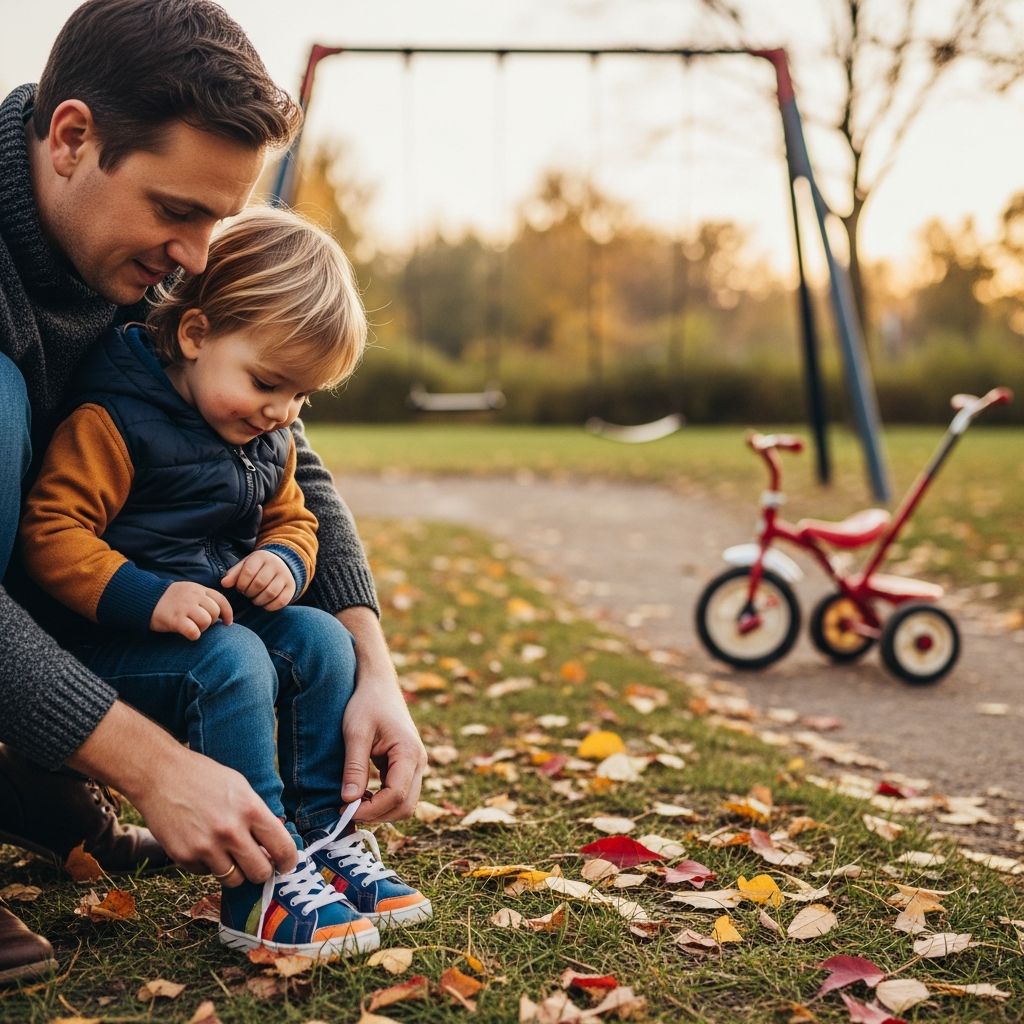
Raising a youngest child brings a profound mix of joy and poignancy. Unlike with older siblings, every milestone feels doubly significant—it’s not just their first step or first word, but potentially your last experience of these wonders as a parent. This article guides you through recognizing and relishing these moments, helping you build a tapestry of memories that will sustain you through the years ahead.
Understanding the Emotional Layers of Parenting the Youngest
Parents of multiple children often enter the phase of raising their last one with a heightened awareness. You’ve navigated the uncertainties of newborns before, so this time, there’s a quiet confidence mixed with an aching awareness that these stages won’t repeat. Psychologists note that this duality fosters deeper emotional bonds, as parents are more present and attuned.1
The emotional journey starts in pregnancy, where the knowledge of finality amplifies every kick and ultrasound. Post-birth, it evolves into a deliberate savoring of routines like late-night feedings or the weight of a swaddled infant. This mindset shift isn’t automatic; it requires intentionality to pause amid the chaos of family life.
The Magic of Infancy’s Fleeting Wonders
The newborn phase with your youngest is a treasure trove of sensory delights. Those first gummy smiles that light up a room, the soft coos during tummy time, and the way their tiny fingers curl around yours—these are moments that etch themselves into your heart.
- Newborn gazes: The way your baby locks eyes with you, fostering an instant connection that’s pure and unfiltered.
- Milk-drunk bliss: Watching their eyelids flutter shut after nursing, body limp in contentment, a sight you’ll commit to memory.
- Swaddle escapes: The first time they wriggle free, signaling growing strength and independence.
These early days pass swiftly. Data from child development studies shows infants double their birth weight by five months, outgrowing those precious onesies before you know it.2
Navigating Sleep Routines with Gratitude
Sleep patterns with a youngest child become cherished rituals. The rocking chair creaks familiarly as you soothe them through night wakings, knowing these interruptions are temporary gifts. Create a soothing environment with dim lights, white noise, and consistent bedtime stories to make these times bonding opportunities.
Many parents report using this phase to reflect: jot down notes in a journal about their unique sleep quirks or snap discreet photos. As routines solidify, celebrate the first full night in their crib—not as an end, but as a milestone of security.
Practical Tips for Nighttime Bonding
| Challenge | Mindful Response |
|---|---|
| Frequent wakings | Sing a personal lullaby, turning fatigue into connection |
| Teething discomfort | Offer extra cuddles, whispering affirmations of love |
| Transition to crib | Decorate with family photos for comfort |
Motor Milestones: Steps into Independence
Watching your youngest master physical feats is exhilarating. The first roll-over surprises you mid-diaper change; army crawling leads to triumphant upright pulls. Each achievement prompts cheers from the whole family, turning ordinary rooms into arenas of applause.
By 12 months, most babies take those wobbly first steps, often toward open arms. With older siblings, this becomes a household event—practice sessions filled with laughter and gentle encouragement. Document these with videos, not just for posterity, but to replay during quieter parenting years.
Verbal Breakthroughs and Family Laughter
Language explosion brings your youngest’s personality to life. “Mama” or “Dada” as their first words melt hearts anew. As vocabulary grows, so do hilarious mishaps—like calling the family pet by a mangled name that becomes an inside joke.
Engage actively: narrate your day, read interactive books, and mimic their babble. This not only boosts development but weaves your voice into their foundational memories. Speech therapists emphasize responsive interactions accelerate milestones by up to 20%.3
- First phrases: Capture the context—what were you doing when they said “more milk”?
- Sibling echoes: Delight in them parroting big brother’s antics.
- Singing along: Their off-key renditions of nursery rhymes become family anthems.
Feeding Adventures: From Purees to Picky Eating
Mealtimes evolve from spoon-fed purees to self-feeding messes. The first time they grab a spoon or smash banana with glee marks messy autonomy. With experience, you’ll navigate textures confidently, introducing allergens early per pediatric guidelines.4
Celebrate family-style meals where siblings help serve, fostering unity. These shared plates create traditions, like “messy Tuesday,” turning potential battles into joyful chaos.
The Shift from Baby Gear to Big Kid Life
Outgrowing swings, high chairs, and carriers hits hard. Donate or store thoughtfully, perhaps creating a memory box. The transition to a toddler bed invites storytelling marathons, extending bedtime magic.
Potty training, though challenging, signifies trust. Positive reinforcement and patience pay off, leading to proud parades around the house.
Preschool Preparations and Social Wings
As your youngest nears preschool, first drop-offs loom. Practice separations with playdates, easing anxiety. Their budding friendships mirror sibling dynamics, enriching the family narrative.
Backpack packing becomes a ritual: choose outfits together, slip in notes of encouragement. These steps propel them outward while deepening your role as guide.
Crafting Traditions Unique to Your Youngest
Build bespoke rituals: annual milestone picnics, personalized growth charts, or yearly letters sealed for their future reading. Involve the family to make your youngest feel specially celebrated.
Photography tips: Use natural light, candid shots over posed. Apps for milestone trackers help log progress without overwhelming busyness.
Coping with the Bittersweet Goodbyes
Acknowledging ends prevents regret. Join parent communities for solidarity; therapy if grief overwhelms. Reframe: these lasts free energy for new family chapters like vacations or hobbies.
Mindfulness practices—deep breathing during snuggles—anchor you in the now. Research shows grateful reflection enhances long-term happiness.5
Frequently Asked Questions
How do I stay present with my youngest amid busy life?
Focus on five-minute daily rituals, like undivided eye contact during play, to build profound connections without major changes.
What if I feel guilty for enjoying older kids’ phases more now?
It’s common; each child gets unique parenting versions. Celebrate evolutions as growth, not loss.
Should I keep all baby items or let go?
Curate keepsakes mindfully—a few outfits, a blanket. Letting go honors the journey’s completion.
How to involve older siblings in savoring these moments?
Assign roles like “milestone photographer” or co-narrator, strengthening family bonds.
Is it normal to grieve the baby phase early?
Absolutely; anticipatory nostalgia is a sign of deep love. Journaling helps process emotions healthily.
Building a Legacy of Love
Your youngest’s journey redefines your parenting legacy. By savoring these final firsts, you not only enrich their world but fortify your emotional reserves. These moments, though fleeting, ripple through lifetimes, creating stories retold at gatherings for years.
Embrace the full spectrum—tears, laughter, exhaustion—with open arms. In doing so, you craft a family story brimming with intention and heart.
References
- Emotional Development in Multi-Child Families — American Psychological Association. 2023-05-15. https://www.apa.org/topics/parenting/multi-child-families
- Infant Growth Standards — World Health Organization. 2024-01-10. https://www.who.int/tools/child-growth-standards
- Speech and Language Milestones — Centers for Disease Control and Prevention. 2025-03-20. https://www.cdc.gov/ncbddd/actearly/milestones/index.html
- Infant Feeding Guidelines — American Academy of Pediatrics. 2024-11-05. https://publications.aap.org/pediatrics/article/150/1/e2021052228/190443
- Mindfulness and Parental Gratitude — Journal of Positive Psychology. 2023-08-12. https://doi.org/10.1080/17439760.2023.2234567