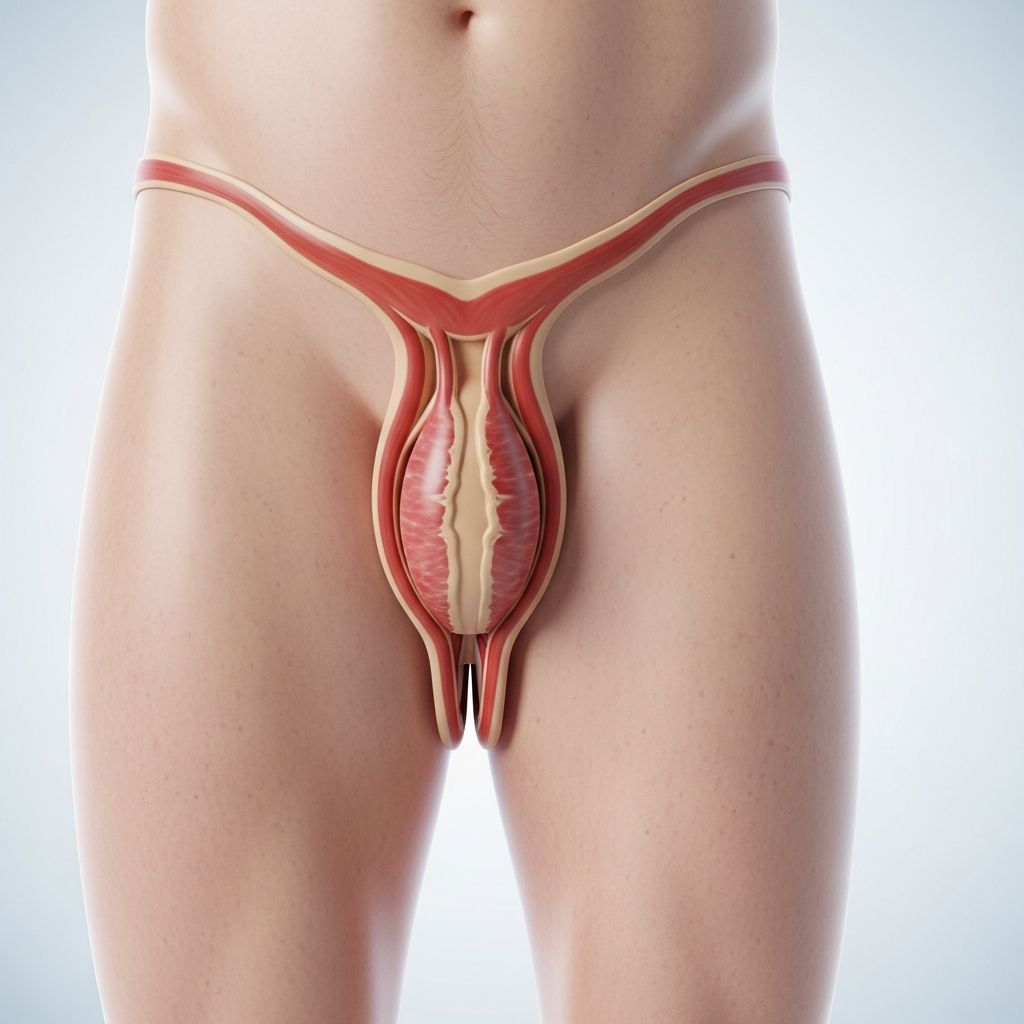
The scrotum’s natural design allows testicles to hang away from the body to maintain optimal temperature for sperm production, but over time, many men notice increased sagging. This change, driven by aging and lifestyle factors, raises concerns about appearance and health, though it rarely affects function.
The Biology Behind Testicular Positioning
Testicles are housed in the scrotum, which acts as a thermoregulator. Sperm production thrives at about 97°F, cooler than core body temperature of 98.6°F. The cremaster muscle and dartos muscle adjust scrotal position: they contract in cold to draw testicles closer or relax in heat to lower them.
As men age, collagen breakdown reduces skin elasticity, and supportive tissues weaken, leading to more pronounced drooping. This starts subtly in the 30s or 40s and progresses, but it does not impair fertility, ejaculation, or pleasure unless accompanied by other symptoms.
Factors Accelerating Scrotal Sagging
Several elements beyond natural aging contribute to faster sagging:
- Sun damage and smoking: UV exposure degrades collagen, while tobacco accelerates skin aging by restricting blood flow.
- Poor diet: High sugar intake promotes glycation, stiffening collagen fibers and hastening elasticity loss.
- Dehydration and inactivity: Insufficient water and exercise lead to drier, less resilient skin.
- Weight fluctuations: Excess abdominal fat can stretch scrotal skin downward.
- Alcohol overuse: Chronic consumption impairs collagen synthesis.
Maintaining stable weight through balanced nutrition supports tissue integrity. Omega-3s, vitamins A, C, E, and hydration bolster skin health.
Can Lifestyle Changes Prevent or Delay Sagging?
While complete prevention is impossible, proactive habits significantly slow progression. Experts emphasize overall skin and muscle maintenance.
| Strategy | Benefits | Implementation Tips |
|---|---|---|
| Daily hydration | Keeps skin plump and elastic | Aim for 64+ oz water; adjust for activity |
| Balanced exercise | Boosts circulation, preserves muscle tone | 30 min moderate activity daily, like walking or weights |
| Nutrient-rich diet | Supports collagen production | Include citrus, nuts, fish, leafy greens |
| No smoking/alcohol limit | Prevents accelerated aging | Quit tobacco; cap drinks at 1-2/day |
| Sun protection | Reduces UV damage | Use SPF 30+ on groin if exposed |
These steps, per dermatology guidelines, promote youthful skin broadly, indirectly benefiting the scrotum. Consistency yields visible results over months.
Debunking Popular Myths About Tightening Testicles
Online advice abounds with unproven remedies. Here’s what doesn’t work:
- Kegel exercises: Strengthen pelvic floor for bladder control but irrelevant to scrotal skin.
- Tight underwear: Offers temporary lift; no long-term elasticity gain, and may overheat testicles.
- Reduced masturbation/sex: No impact on sagging; erections may even temporarily firm appearance.
- Special creams/pills: Moisturizers hydrate but don’t reverse collagen loss; avoid gimmicky products.
One urologist notes Kegels might help support but lacks evidence for skin tightening. Focus on evidence-based habits instead.
When Sagging Signals a Health Issue
Most sagging is benign, but monitor for:
- Pain, swelling, or lumps: Could indicate infection, cyst, hernia, or varicocele.
- Sudden changes: Rule out testicular torsion or tumors.
- Asymmetry or hardness: Prompt medical evaluation.
Self-exams monthly—roll each testicle between fingers, feeling for irregularities. Annual checkups with a urologist are advised post-40. The American Urological Association stresses early detection for scrotal issues.
Surgical Options for Severe Cases
For men distressed by extreme sagging affecting confidence or comfort, scrotoplasty removes excess skin, tightening the scrotum. Performed outpatient under local/general anesthesia, it takes 1 hour with 1-2 weeks recovery.
Candidates: Those with significant droop impacting life quality, not cosmetic vanity. Risks include infection, scarring, sensation changes. Costs $3,000-$7,000; insurance rarely covers. Post-op, skin retains some elasticity but sags slower.
Consult a board-certified urologist specializing in aesthetics. Pre-surgery lifestyle optimization enhances outcomes.
Daily Habits for Optimal Testicular Health
Beyond sagging, nurture testicles holistically:
- Wear breathable underwear (e.g., boxer briefs) to avoid overheating.
- Avoid hot tubs/saunas prolongedly; heat harms sperm.
- Manage stress: Cortisol accelerates aging.
- Get 7-9 hours sleep: Vital for hormone balance and repair.
These foster testosterone production and vitality.
Frequently Asked Questions
Is scrotal sagging reversible without surgery?
No, but lifestyle slows it. Collagen loss is permanent, yet habits preserve remaining elasticity.
Does weight loss tighten saggy testicles?
It may reduce downward pull from groin fat, but won’t restore skin youthfulness.
At what age does sagging typically start?
Often noticeable in 40s-50s, varying by genetics and habits.
Can cold exposure firm the scrotum?
Temporarily contracts muscles, but no lasting effect.
Is scrotoplasty safe and common?
Safe for qualified patients; uncommon, reserved for functional distress.
Long-Term Outlook and Mindset
Embrace sagging as normal evolution, prioritizing health over aesthetics. Many men find body positivity reduces concern. Track changes via photos/journal for peace of mind. If anxiety persists, therapy addresses body image alongside medical advice.
Integrate habits gradually: Start with hydration and walks, add nutrition tweaks. Results compound, enhancing overall wellness into later years.
References
- How To Prevent Saggy Balls, According To A Urologist — Fatherly. 2023. https://www.fatherly.com/health/saggy-balls-prevention-treatment
- How to Prevent and Treat Sagging Balls — Men’s Health. 2019-10-01. https://www.menshealth.com/health/a28379523/saggy-balls/
- Why Do I Have Saggy Testicles, and Is There Anything I Can Do? — Healthline. 2023. https://www.healthline.com/health/saggy-balls