Planning Summer Outings When Your Child Cannot Be Vaccinated
As the warm season approaches, families across the country face a common challenge: how to give children meaningful summer experiences while protecting those who cannot yet receive vaccination. The arrival of summer brings cherished opportunities for outdoor recreation, social connection, and childhood memories. However, for families with younger children or those medically unable to receive vaccines, this season requires thoughtful planning and informed decision-making.
Parents navigating this situation often experience conflicting emotions. On one hand, extended school closures and isolation measures have created genuine mental health concerns for many children. On the other hand, the responsibility to minimize health risks remains paramount. Understanding how to evaluate the relative safety of various activities can help families find a balanced approach that honors both developmental and protective needs.
Understanding Risk Levels Across Common Summer Activities
The foundation of safe summer planning begins with recognizing that not all activities carry equal risk. Environmental factors such as ventilation, crowd density, and the ability to maintain distance significantly influence disease transmission potential. By categorizing activities into risk tiers, families can make more informed choices aligned with their comfort level and their child’s particular health circumstances.
Lower-Risk Summer Experiences
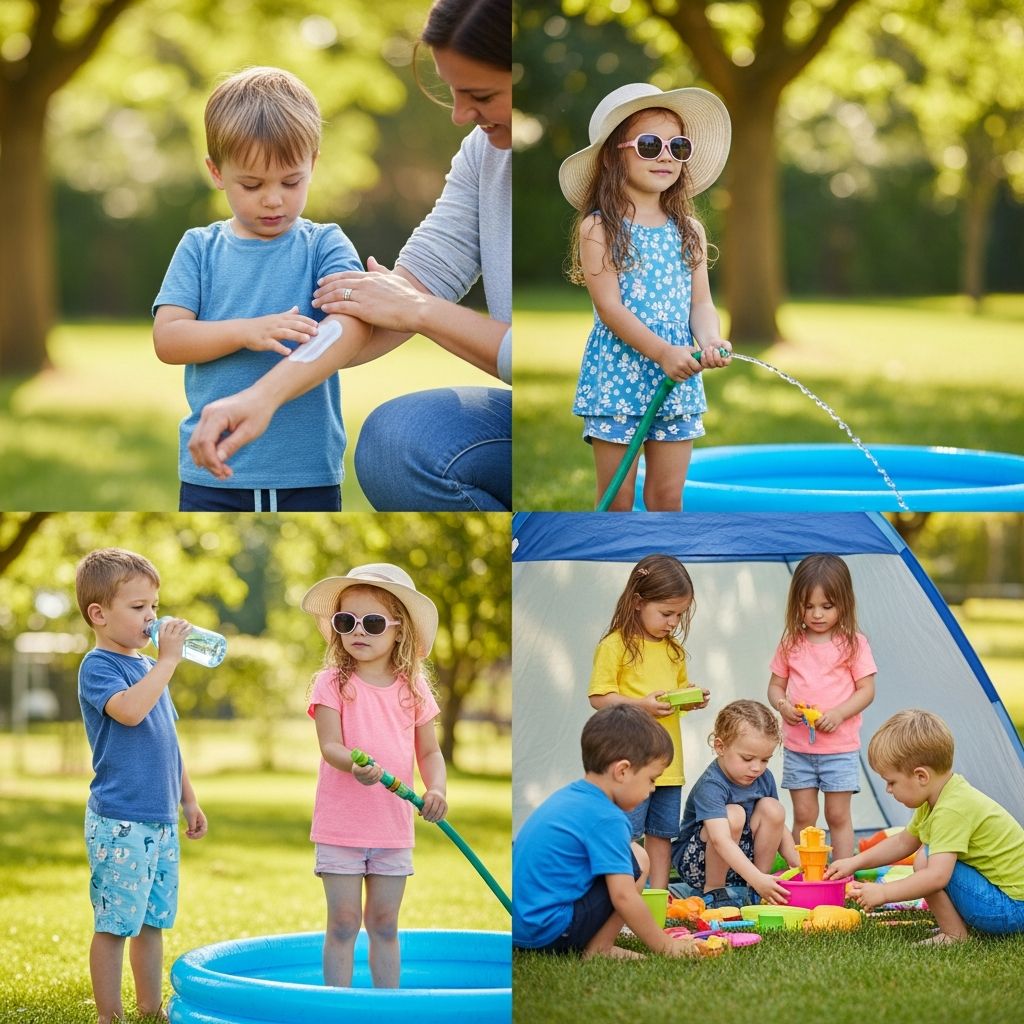
Activities conducted primarily outdoors in less crowded settings present substantially reduced transmission risks. Fresh air circulation and natural dispersal of respiratory droplets make outdoor environments inherently safer compared to enclosed spaces. Families can maximize these advantages by selecting times and locations that limit exposure to large gatherings.
- Backyard playdates with one or two familiar friends
- Hiking on nature trails with limited crowds
- Visiting parks during off-peak hours
- Beach or lakeside outings when less crowded
- Outdoor sports and recreational activities
- Swimming in private pools or natural bodies of water with familiar groups
These activities can often be enjoyed safely with basic precautions such as hand hygiene and masks in specific high-risk moments, particularly during meals or when close contact with unfamiliar individuals becomes necessary.
Moderate-Risk Activities Requiring Enhanced Precautions
Some summer experiences carry moderate risk levels that can be managed through implementation of specific safety protocols. These activities may involve mixed indoor-outdoor components, larger group sizes, or sustained close contact. Success with these activities depends heavily on the specific venue’s health policies and your active monitoring.
- Day camp programs with outdoor emphasis and structured protocols
- Public swimming facilities during quieter times
- Restaurants with outdoor seating options
- Community events held primarily outdoors
- Group sports with established health guidelines
Before committing to moderate-risk activities, conduct thorough research into the venue’s specific policies. Ask about their screening procedures, ventilation systems, group size limits, and whether masks are required during indoor portions for unvaccinated individuals.
Higher-Risk Activities Requiring Careful Consideration
Certain summer experiences carry elevated transmission risks and warrant careful evaluation against potential benefits. These activities typically involve crowded indoor spaces, sustained close contact with many individuals, or travel situations where exposure risks multiply.
- Indoor dining at restaurants
- Popular beaches and swimming areas during peak times
- Theme parks and amusement venues
- Air travel to crowded destinations
- Large multi-family gatherings indoors
- Overnight camps with shared sleeping and bathing facilities
These activities do not necessarily need to be completely avoided, but they require substantially greater caution, robust preventive measures, and honest assessment of whether the activity’s benefits justify the heightened risk exposure.
Evaluating Specific Summer Activities
Playdates and Small Group Gatherings
Social connection represents a crucial developmental need for children, and carefully structured playdates can provide this opportunity while maintaining reasonable safety. The key lies in limiting group size and prioritizing outdoor settings whenever possible.
When hosting or attending a playdate, consider inviting only one or two friends rather than larger groups. Outdoor locations such as backyards, parks, or natural settings offer superior safety profiles. When indoors become necessary due to weather, ensure adequate ventilation and maintain distance when feasible.
Families should feel comfortable discussing health precautions with other parents before arranged playdates. Clear communication about expectations regarding symptom monitoring, hand hygiene, and mask usage can prevent misunderstandings and ensure all parties feel comfortable with safety measures in place.
Summer Camp Enrollment Decisions
Summer camp represents a formative experience for many children, offering skill development, independence building, and social growth. Day camps generally present substantially lower risk than overnight camp programs, particularly when they emphasize outdoor activities and implement clear health protocols.
Before enrolling an unvaccinated child in any camp program, request detailed information about their specific safety measures. Important questions to ask camp administrators include:
- What is the group size for each activity cohort?
- How frequently are outdoor activities scheduled versus indoor programming?
- What ventilation and air filtration systems are in place for indoor spaces?
- Are health screenings conducted for campers and staff upon arrival?
- What is the masking policy for unvaccinated individuals, particularly during indoor activities?
- How frequently are cleaning and disinfection protocols implemented?
- Will staff members be screened or vaccinated?
Day camps that maintain transparent policies, limit group sizes, and maximize outdoor programming offer reasonable options for many families. Overnight camps present greater complexity due to shared sleeping quarters and sustained indoor contact throughout each day.
Family Travel and Vacation Planning
The desire to travel and explore new destinations during summer break is natural, yet travel decisions require particularly careful consideration for families with unvaccinated members. Transportation methods, destination characteristics, and accommodations all influence overall risk exposure.
Air travel concentrates unvaccinated individuals in confined spaces with numerous strangers for extended periods, making it among the higher-risk summer activities. If air travel becomes necessary, prioritize flights during less crowded times, maintain rigorous mask usage, practice frequent hand hygiene, and ensure adequate rest periods to support immune function.
Vacation destinations matter significantly in overall risk calculation. Popular theme parks, crowded beach resorts, and bustling tourist attractions concentrate large numbers of people in close proximity. Alternative vacation models may align better with health protection goals: renting private beach cottages, mountain cabins, or remote properties where your family can enjoy outdoor recreation with minimal contact with unfamiliar individuals.
Road trips using personal vehicles offer advantages over other travel methods, as they limit exposure to strangers and allow greater flexibility regarding stops, hygiene practices, and meal arrangements. Families might consider camping, visiting national parks, or exploring regional attractions accessible by car.
Practical Safety Strategies for Summer Activities
Masking in Appropriate Contexts
Masks remain an effective tool for reducing transmission risk, particularly in crowded outdoor settings or any indoor environment. However, masking protocols should be thoughtfully applied rather than universally implemented in every situation.
Masks become especially important during high-transmission-risk moments: indoors during activities, in crowded outdoor areas, and when sustained close contact with unfamiliar individuals is unavoidable. Less critical moments might include outdoor activities in uncrowded settings, times when the child is alone or with familiar vaccinated family members, and low-contact outdoor recreation.
Children should understand the reasoning behind masking requirements to increase cooperation and reduce resistance. Frame masking not as punishment but as a temporary tool that preserves their ability to participate in valued activities.
Hand Hygiene and Respiratory Etiquette
Consistent hand hygiene remains one of the most straightforward yet effective protective strategies available. Encourage frequent handwashing with soap and water, particularly after visiting public spaces, before eating, and after using restrooms.
Teach respiratory etiquette early: coughing and sneezing into elbows rather than hands, using tissues when available, and disposing of tissues appropriately. These habits protect not only unvaccinated children but also family members and community members they encounter.
Symptom Monitoring and Health Communication
Before attending group activities, conduct brief health checks with your child. Ask about any symptoms such as cough, fever, sore throat, fatigue, or gastrointestinal upset. If any symptoms are present, skip the activity and monitor your child while allowing recovery time.
Maintain open communication with other families in your social circle regarding health status. If your child develops symptoms following a group gathering, notify other families who participated so they can monitor their own children. Similarly, ask other families to inform you if their children develop symptoms after shared activities.
Balancing Protection and Child Development
The Psychological Impact of Isolation
Research and clinical observation have identified concerning psychological effects resulting from extended social isolation in children. Prolonged limitation of peer interaction, physical activity, and normal developmental experiences contributes to anxiety, depression, and developmental delays in some children.
Summer represents a natural opportunity to gradually expand safe social engagement after months of restricted interaction. Thoughtfully selected activities that balance developmental needs with health protection can help children recover emotionally while minimizing unnecessary risk exposure.
Finding Your Family’s Comfort Zone
Different families will reach different conclusions about acceptable risk levels based on their individual circumstances, values, and risk tolerance. A child with chronic medical conditions may warrant more conservative approaches than a healthy unvaccinated child. Geographic location matters as well: communities with lower transmission rates may support different activity choices than areas experiencing significant disease circulation.
Parents should avoid comparing their decisions to those of other families or allowing external pressure to override their own assessment of what feels appropriate for their specific situation. Conversely, consulting with your child’s healthcare provider can provide personalized guidance based on your child’s particular health profile and your community’s current disease patterns.
Frequently Asked Questions
Are outdoor activities truly safer for unvaccinated children?
Yes, outdoor activities generally present substantially lower transmission risk compared to indoor activities, primarily due to superior air circulation and natural dispersal of respiratory particles. However, crowding still matters outdoors, so even outdoor venues can become higher-risk during peak attendance times. Visiting outdoor locations during quieter hours significantly reduces exposure risk.
Can my unvaccinated child attend birthday parties with other children?
This depends on numerous factors including party size, location (indoor versus outdoor), duration, and the overall health status of attendees. Small outdoor birthday celebrations with limited guest lists present manageable risk levels for many families. Large indoor parties with numerous unfamiliar children carry substantially higher transmission risk and may warrant declining the invitation.
What should I do if my unvaccinated child develops symptoms during summer?
Contact your child’s pediatrician promptly for guidance. Most childhood illnesses resolve without intervention, but your healthcare provider can assess whether your child requires testing, monitoring, or medical evaluation. Avoid group activities while symptomatic and for the recommended recovery period to prevent spreading illness to others.
How can I help my child understand why certain summer activities feel restricted?
Age-appropriate conversation helps children understand temporary health precautions. Explain that vaccines help protect people from becoming very sick, that some vaccines aren’t yet available for younger children, and that certain activities are safer than others right now. Frame precautions as temporary measures that preserve your child’s ability to do many activities rather than as permanent restrictions.
Should my entire family avoid activities if one member is unvaccinated?
Not necessarily. Vaccinated family members can participate in activities with higher transmission risk while taking appropriate precautions. However, they should practice enhanced hand hygiene and respiratory etiquette to minimize bringing illness home to the unvaccinated family member. Some families may choose more restrictive approaches out of abundance of caution, while others accept this differentiated approach.
References
- Parents Navigate Summer with Unvaccinated Kids — Sutter Health Vitals. 2021. https://vitals.sutterhealth.org/parents-navigate-summer-with-unvaccinated-kids/
- What’s the Risk? Which Activities Are Safe When Kids Aren’t Vaccinated Yet — Connecticut Children’s Medical Center. 2021. https://www.connecticutchildrens.org/growing-healthy/whats-the-risk-which-activities-are-safe-when-kids-arent-vaccinated-yet
- What doctors wish parents knew about keeping unvaccinated kids safe — American Medical Association. 2021. https://www.ama-assn.org/public-health/infectious-diseases/what-doctors-wish-parents-knew-about-keeping-unvaccinated-kids
- When parents choose not to vaccinate: Risks and responsibilities — Canadian Paediatric Society. 2024. https://caringforkids.cps.ca/handouts/immunization/when-parents-choose-not-to-vaccinate-risks-and-responsibilities
- Vaccinated or Unvaccinated: What You Should Know — Children’s Hospital of Philadelphia Vaccine Education Center. 2025. https://www.chop.edu/sites/default/files/2025-08/vaccine-education-center-vaccinated-unvaccinated.pdf