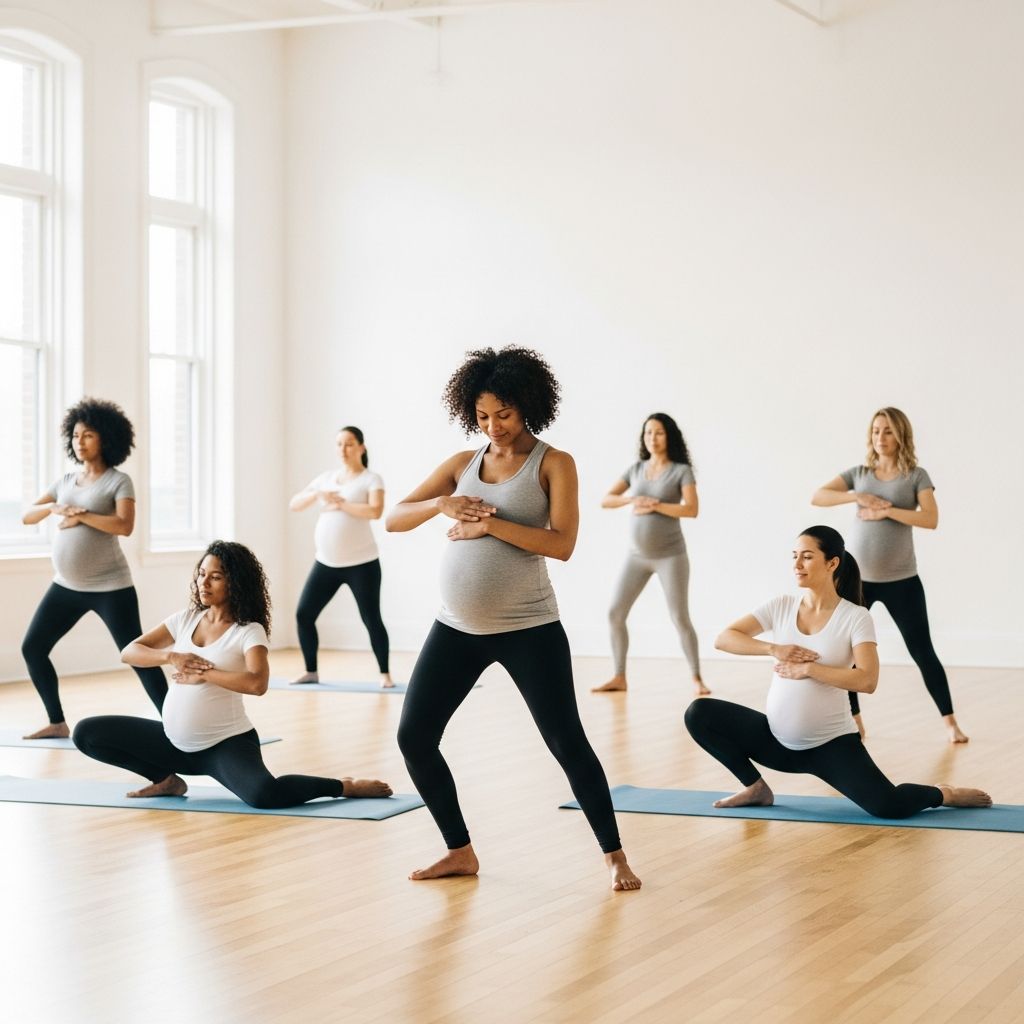
Building Strength and Endurance Throughout Your Pregnancy Journey
Physical activity during pregnancy offers profound benefits for both expectant mothers and their developing babies. Regular movement can enhance cardiovascular fitness, reduce discomfort associated with pregnancy changes, improve sleep quality, and strengthen the muscles that will support you through labor and recovery. Understanding which exercises work best for each stage of pregnancy ensures you maintain optimal fitness while protecting both yourself and your baby from unnecessary strain.
The key to successful pregnancy fitness is adaptation. Your body undergoes remarkable transformations across nine months, and your exercise routine should evolve alongside these changes. What works beautifully in your first trimester may need modification by your third, and recognizing these transitions helps you maintain momentum while prioritizing safety.
Understanding Exercise Recommendations During Pregnancy
Health organizations recommend that pregnant individuals engage in at least 150 minutes of moderate-intensity aerobic activity per week during pregnancy, equivalent to approximately 30 minutes on most days of the week. This guideline helps maintain cardiovascular health, manage weight gain, and build stamina for the physical demands of labor.
Before beginning any exercise program, consult with your healthcare provider to ensure your pregnancy is progressing normally and that you have no complications that might limit physical activity. Women who exercised regularly before pregnancy can generally continue their routines with modifications, while those new to exercise should start gradually with low-impact options.
First Trimester: Establishing Your Foundation
The initial three months represent an ideal time to establish healthy movement habits and build strength that will support you as your pregnancy progresses. During this phase, your body hasn’t yet adapted to significant weight changes, allowing you to maintain more intense activity levels compared to later months.
Optimal Exercise Categories for Early Pregnancy
- Cardiovascular Activities: Walking at various intensities, swimming, stationary cycling, and elliptical machines provide excellent cardiovascular conditioning without high impact on joints. Swimming offers the added benefit of water’s natural support, reducing joint strain while building muscular endurance.
- Strength Training Movements: If you exercised before pregnancy, continuing barbell or weighted squats remains safe during the first trimester. Incline push-ups, performed with hands elevated on a wall or sturdy bench, help maintain upper body strength without straining your developing core.
- Core Development: Standard planks remain safe in the first trimester, though you should discontinue immediately if you experience any abdominal bulging or discomfort.
Sample First Trimester Exercises
Reverse Lunge with Dumbbell Curl: Begin standing with feet together while holding a dumbbell in each hand. Step your right foot backward, lowering until both legs form 90-degree angles. As you step back, curl the dumbbells toward your chest. Return to standing position and repeat on the opposite side, completing 12 repetitions per leg. This movement targets your legs, glutes, and biceps simultaneously.
Single-Arm Row and Tricep Extension: Position your left foot forward with your left knee slightly bent, left hand resting on your thigh. Hold a dumbbell in your right hand with your arm extended downward. Pull the dumbbell up to chest height with your elbow tucked closely against your side, then extend your arm straight behind you. Reverse the motion back to the starting position. Complete 12 repetitions on each side, strengthening your back and triceps.
Stability Ball Arm Curls: Sit on a stability ball with feet planted shoulder-width apart on the floor. Maintain neutral hip position with your head over your chest and chest stacked above your hips. While engaging your core, lift dumbbells from your sides toward your shoulders in a controlled curling motion. Pause briefly at the top before lowering. This exercise builds arm strength while improving balance and core stability.
Second Trimester: Adapting as Your Body Transforms
Months four through six bring noticeable physical changes as your belly expands and your center of gravity shifts. This trimester requires strategic modifications to maintain fitness while preventing strain on your growing abdomen and changing joints.
Key Modifications for Midpregnancy
- Abdominal Exercise Adjustments: Transition from standard push-ups to wall push-ups to reduce strain on your core and back muscles. Planks can continue with hands elevated on a bench, holding for only 5 to 10 seconds at a time. Focus on core exercises that target your deep transverse abdominis muscle rather than surface abdominal muscles, preventing diastasis recti.
- Balance Considerations: Your shifting center of gravity makes balance more challenging, making stationary cycling and elliptical machines particularly appealing compared to activities with higher falling risk.
- Joint Support: The hormone relaxin loosens your ligaments, making stability work increasingly important. Exercises that strengthen hip abductors, such as side-lying leg lifts, provide crucial pelvic stability.
Effective Second Trimester Movements
Pelvic Tilts on Stability Ball: Sit on a stability ball with feet firmly planted on the floor in a neutral hip position. While exhaling, slowly curl your hips forward to round your lower back, initiating movement from your core rather than your legs. Inhale and return to the starting position. This gentle movement awakens deep core muscles while improving spinal mobility.
Bird-Dog Exercise: Begin on your hands and knees in a neutral spine position. Extend your right arm forward while simultaneously extending your left leg backward, creating a straight line from fingertips to heel. Hold briefly before returning to the starting position. Alternate sides, completing 12 repetitions per side. This movement enhances core stability without placing pressure on your growing abdomen while strengthening muscles along your spine.
Stability Ball March: Sit on a stability ball with feet shoulder-width apart on the floor, maintaining neutral hips and engaged core. While exhaling slowly, lift one foot off the ground, then lower it back down. Alternate feet in a marching pattern, completing 12 repetitions per leg. This exercise builds endurance and core strength in a low-impact format.
Glute Bridge: Lie on your back with knees bent and feet flat on the floor positioned near your glutes. Press through your heels to lift your hips toward the ceiling, engaging your posterior chain muscles. Hold briefly before lowering. This movement activates your glutes and hamstrings while stabilizing your pelvis and addressing lower back discomfort common in midpregnancy.
Third Trimester: Preparing Body and Mind for Labor
The final three months focus on maintaining cardiovascular health, building endurance for labor, and preparing your body through low-impact movement and stretching. High-impact activities become less appropriate as your baby grows and your balance becomes more compromised.
Third Trimester Exercise Priorities
- Low-Impact Cardio: Swimming becomes increasingly valuable as water buoyancy provides weightless relief from joint and spinal pressure while delivering excellent cardiovascular benefits. Walking—whether a leisurely stroll or brisk pace depending on fitness level—maintains cardiovascular health while remaining accessible throughout pregnancy.
- Mind-Body Connection: Prenatal yoga becomes particularly valuable, incorporating hip-opening poses, back stretching, and deep breathing exercises that prepare your mind and body for labor while reducing stress.
- Lower Body Conditioning: Lunges, squats, and side-stepping movements build leg strength and endurance essential for labor positions and pushing.
- Modified Upper Body Work: Continue strengthened upper body with lighter weights and modified positions to avoid excessive strain.
Sample Third Trimester Movements
Plié Squat with Pulse: Stand with feet wider than hip-width apart, toes pointed outward, holding a dumbbell in both hands with arms extended downward. Maintaining a tall chest and engaged core, lower straight down until your thighs approach parallel to the ground. Perform small one-inch pulses upward and downward before driving through your heels to return to standing. Complete 15 repetitions. This movement conditions your entire lower body while accommodating your larger belly.
Side Lunge: Begin standing with feet together or hip-width apart for added balance, holding a dumbbell in each hand at your sides. Take a large step to your right side while sitting back into your hips and extending your left leg straight. Return to standing by engaging your glutes and core. Complete 12 repetitions per side. Side lunges target your outer thighs, glutes, and inner thighs.
Modified Side Plank with Leg Lift: Position yourself in a modified side plank with your left hand supporting your upper body and your left knee on the ground. Extend your right leg straight out. Lift your right leg to hip height while engaging your obliques, then lower it back to the starting position. Complete 12 repetitions per side. This movement sculpts your glutes, thighs, and oblique muscles safely.
Weekly Movement Framework for Pregnancy
A balanced weekly routine incorporating varied movement types supports overall fitness while preventing overuse injuries and burnout. The following framework can be adapted based on your trimester and individual fitness level:
| Day | Focus Area | Sample Activities | Duration |
|---|---|---|---|
| Monday | Lower Body Strength | Squats, lunges, glute bridges | 30 minutes |
| Tuesday | Active Recovery & Flexibility | Gentle stretching, prenatal yoga | 20 minutes |
| Wednesday | Cardiovascular Conditioning | Brisk walking, swimming, stationary cycling | 30–40 minutes |
| Thursday | Upper Body & Core Strength | Incline push-ups, rows, bird-dog exercises | 30 minutes |
| Friday | Cardiovascular Activity | Brisk walking or water aerobics | 30–40 minutes |
| Saturday | Active Rest & Flexibility | Leisurely walk, prenatal yoga, stretching | 30 minutes |
| Sunday | Complete Rest | Rest and recovery | — |
Core Training During Pregnancy: Special Considerations
Your core muscles face unique demands during pregnancy as your growing uterus shifts your center of gravity and places increasing stress on your abdominal wall. Rather than focusing on traditional sit-ups or crunches that can stress the rectus abdominis muscle and potentially cause diastasis recti (separation of abdominal muscles), concentrate on exercises that strengthen your deep core muscle, the transverse abdominis, which acts like a natural corset supporting your expanding belly.
Pelvic Tilt Exercises: These movements gently awaken your deep core muscles while improving spinal mobility. Perform them on the floor or while seated on a stability ball for varied difficulty levels.
Bird-Dog Progressions: This movement stabilizes your entire core from shoulders to hips without placing pressure on your abdomen, making it ideal throughout pregnancy.
Standing Core Work: Movements such as Pallof presses using a resistance band build functional core strength without strain, helping you maintain stability as your body changes.
Cardiovascular Fitness Throughout Your Pregnancy
Maintaining cardiovascular health remains essential throughout all nine months. Walking offers accessible, joint-friendly conditioning that can be performed in every trimester, with intensity adjusted from brisk power walks in early pregnancy to gentler strolls as pregnancy advances. Swimming provides outstanding cardiovascular conditioning while the water’s buoyancy supports your joints and relieves pressure on your spine and pelvis. Stationary cycling eliminates fall risk compared to outdoor biking, making it a safer cardio alternative. Elliptical machines and arc trainers offer low-impact options that reduce joint stress compared to running.
Warning Signs and Safety Precautions
While exercise benefits pregnancy, certain symptoms warrant stopping activity immediately and contacting your healthcare provider. Stop exercising if you experience vaginal bleeding, amniotic fluid leakage, decreased fetal movement, chest pain, severe headache, muscle weakness, or calf pain. Additionally, avoid exercises performed lying flat on your back after the first trimester, as this position can restrict blood flow to your baby. Avoid high-impact activities, contact sports, and movements with high falling risk. Stay well-hydrated, maintain proper temperature regulation by avoiding overheating, and listen carefully to your body’s signals regarding fatigue and discomfort.
Frequently Asked Questions
How long should I wait to exercise after giving birth?
Consult your healthcare provider before resuming exercise postpartum. Women who experienced uncomplicated vaginal deliveries can typically begin gentle movement within days, while those who had cesarean sections usually need to wait 4–6 weeks before resuming exercise. Return gradually to pre-pregnancy intensity.
Is prenatal yoga safe throughout pregnancy?
Yes, prenatal yoga is safe throughout pregnancy when practiced mindfully. Focus on poses that open your hips, stretch your back, and incorporate deep breathing. Avoid deep twists, intense inversions, and excessive abdominal stretching. Work with an instructor experienced in prenatal modifications.
Can I continue running during pregnancy?
If you ran regularly before pregnancy, you may continue at modified intensity, particularly in your first and second trimesters. However, many pregnant individuals transition to lower-impact cardio like walking or swimming as pregnancy progresses, as your growing belly affects balance and joint stress increases.
What should I eat or drink before exercising while pregnant?
Eat a light snack containing carbohydrates and protein 1–2 hours before exercising. Drink water before, during, and after activity to prevent dehydration. Avoid exercising on an empty stomach, as this can lead to low blood sugar and dizziness.
Should I track my heart rate during pregnancy workouts?
Rather than targeting specific heart rate zones, use the “talk test”—you should be able to hold a conversation during moderate-intensity exercise. This approach is more practical and safe than relying on maximum heart rate calculations during pregnancy.
References
- Safe Pregnancy Exercises for Each Trimester: Prenatal Workouts — National Academy of Sports Medicine (NASM). 2024. https://blog.nasm.org/pregnancy-exercises-by-trimester
- A Practical Guide to Safe Exercises for Pregnant Women — First Steps Chiropractic. 2025-12-15. https://www.firststepschiropractic.com/2025/12/15/safe-exercises-for-pregnant-women/
- Pregnancy Workouts for Every Trimester — The Bump. https://www.thebump.com/a/pregnancy-workouts-by-trimester
- A Trimester-by-Trimester Guide to Safe Exercise During Pregnancy — Luminish Health. https://www.luminishealth.org/en/blog/a-trimester-by-trimester-guide-to-safe-exercise-during-pregnancy
- Exercise During Pregnancy — American College of Obstetricians and Gynecologists (ACOG). https://www.acog.org/womens-health/faqs/exercise-during-pregnancy
- Physical Activity Recommendations for Pregnant and Postpartum Women — Centers for Disease Control and Prevention (CDC). https://www.cdc.gov/physicalactivity/basics/pdfs/pa-pregnant-and-postpartum-women-508.pdf
- Exercise in Pregnancy — National Health Service (NHS). https://www.nhs.uk/pregnancy/keeping-well/exercise/