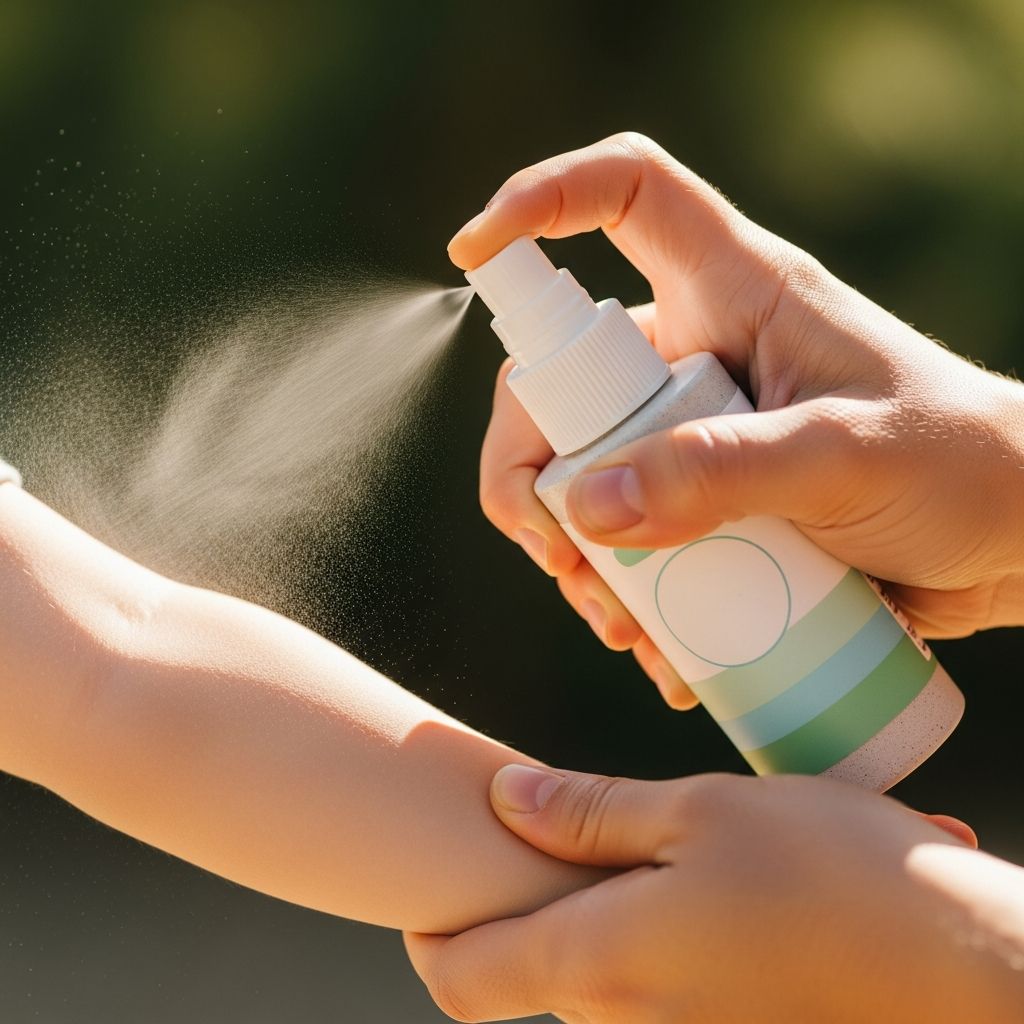
Insect repellents are vital tools for shielding children from mosquitoes, ticks, and other biting pests that transmit diseases like West Nile virus, Lyme disease, and Zika. When used correctly, these products provide effective protection without significant risks, especially for kids over 2 months old. This guide draws from expert recommendations to help parents navigate options, application methods, and safety protocols.
Understanding Insect Repellent Types for Families
Selecting the right repellent starts with knowing the active ingredients approved by the U.S. Environmental Protection Agency (EPA) for efficacy and safety. These chemicals deter insects from landing or biting, with varying durations based on concentration and environmental factors.
DEET: The Gold Standard Ingredient
N,N-Diethyl-meta-toluamide, commonly known as **DEET**, remains the most studied and recommended repellent for broad-spectrum protection against mosquitoes, ticks, fleas, and chiggers. The American Academy of Pediatrics (AAP) endorses concentrations up to 30% for children, noting that higher levels do not enhance protection but extend duration—typically 2-10 hours depending on the formula. For young children over 2 months, opt for 10-30% DEET products applied sparingly.
Picaridin: A Gentle Alternative
**Picaridin** (also called icaridin) offers comparable effectiveness to DEET against mosquitoes, ticks, and sand flies, often with less odor and no oily residue. Available in 5-20% concentrations, it provides 8-14 hours of protection and is suitable for children over 2 months, making it ideal for sensitive skin. Unlike DEET, it rarely causes irritation.
Permethrin: For Clothing and Gear Only
**Permethrin** is a synthetic insecticide, not a skin repellent, designed for treating clothing, tents, and backpacks. It kills ticks, mosquitoes, and chiggers on contact and remains effective through several washes, lasting up to a week. Never apply directly to skin, and avoid using treated items for infants who might chew fabric.
Natural Options: Limited Reliability
Products with citronella, essential oils, or bracelets provide minimal, short-lived protection—often under 2 hours—and are not EPA-regulated like synthetic options. For high-risk areas, prioritize proven repellents over these. Oil of lemon eucalyptus (OLE) or PMD works for ages 3+, but avoid for younger kids.
| Ingredient | Best For | Min Age | Duration (10-20% conc.) | Skin Safe? |
|---|---|---|---|---|
| DEET | Mosquitoes, ticks, fleas | 2 months+ | 4-8 hours | Yes (up to 30%) |
| Picaridin | Mosquitoes, ticks | 2 months+ | 8-14 hours | Yes |
| Permethrin | Ticks, chiggers on gear | All (clothing only) | 1 week | No |
| OLE/PMD | Mosquitoes | 3 years+ | 4-6 hours | Yes |
Step-by-Step Safe Application Guide
Proper use minimizes risks like skin irritation or accidental ingestion. Always choose EPA-registered products, identifiable by the registration number on the label.
- Read and follow label instructions: It’s illegal to misuse per federal law. Test a small skin patch first for allergies.
- Apply to exposed areas only: Focus on arms, legs, and neck not covered by clothing. Avoid undergarments.
- For face application: Spray into your hand, then gently rub on forehead, cheeks, and ears—steer clear of eyes, mouth, and lips.
- Skip hands for young kids: They rub eyes or suck fingers, risking exposure.
- Use sparingly: A thin layer suffices; excess doesn’t boost protection.
- Spray in open air: Hold 4-6 inches away, nozzle from face, to prevent inhalation.
- Reapply as needed: Only if sweating, swimming, or after 4-8 hours outdoors.
For infants under 2 months, skip repellents entirely—use protective clothing, nets, and screens instead.
Extra Layers of Protection Beyond Repellents
Combine repellents with physical barriers for optimal defense.
- Wear long sleeves, pants, and socks, especially at dawn/dusk when bugs peak.
- Tuck pants into boots and shirts into pants in wooded areas.
- Use mosquito nets over strollers or cribs.
- Eliminate standing water to reduce breeding sites.
- Opt for light-colored clothing, as dark shades attract insects.
Recognizing and Managing Reactions
Adverse effects from repellents are rare, but watch for rashes, burning, or swelling. DEET-related incidents occur in under 1 per 100 million users.
- If reaction occurs: Rinse with soap and water immediately, discontinue use, and monitor.
- Severe symptoms: Call Poison Control at 1-800-222-1222 or visit Poison.org. Seek medical help for breathing issues or eye exposure.
- Sensitive skin: Switch to picaridin or lower DEET concentrations. Premature infants need extra caution.
Storage, Cleanup, and Daily Habits
Post-use care prevents mishaps.
- Wash treated skin and clothing with soap upon returning indoors.
- Store repellents in original containers, out of kids’ reach.
- Avoid near food or in tents to prevent fumes.
- Check expiration dates; discard old products safely.
Frequently Asked Questions (FAQs)
Can I use bug spray on babies under 2 months?
No, avoid repellents on infants younger than 2 months. Rely on clothing, nets, and indoor precautions per CDC and AAP.
Is 100% DEET safe for children?
No, AAP limits DEET to 30% max for kids; higher offers no extra benefit and raises irritation risk.
What if my child rubs repellent in their eyes?
Rinse with water for 15 minutes and call Poison Control (1-800-222-1222). Most cases resolve without harm.
Are natural repellents better for kids?
Not necessarily; they offer shorter protection. Use EPA-approved synthetics for serious pest areas.
How often should I reapply during a hike?
Check label; typically every 4-8 hours or after water exposure. Don’t overapply.
Why Protection Matters: Disease Risks
Bug bites transmit serious illnesses. Mosquitoes carry West Nile, dengue; ticks spread Lyme, Rocky Mountain spotted fever. In the U.S., thousands report tick-borne cases yearly (CDC data). Repellents reduce bite risk by 80-95% when used right, balancing minimal chemical exposure against disease threats.
For travel to endemic areas, consult pediatricians for tailored advice. Educate older kids on self-application under supervision.
References
- Using Insect Repellents Safely — Nemours KidsHealth. 2023. https://kidshealth.org/en/parents/repellent-use-safety.html
- Bug Off! A Parent’s Guide to Safe Insect Repellent Use for Kids — Miami Pediatrics. 2023. https://www.miamipediatrics.com/post/bug-off-a-parent-s-guide-to-safe-insect-repellent-use-for-kids
- Using Insect Repellents on Children — Army Public Health Center. 2018-06. https://ph.health.mil/PHC%20Resource%20Library/UsingInsectRepellentsonChildren_FS_18-044-0618.pdf
- A Parent’s Guide to Insect Repellents — Pediatric Specialists. 2022. https://www.pediatricspec.com/storage/app/media/resources/InsectRepellent.pdf
- Insect Repellents — American Academy of Pediatrics. 2024. https://www.aap.org/en/patient-care/environmental-health/promoting-healthy-environments-for-children/insect-repellents/
- Keeping Mosquitoes Away: Insect Repellent and Children — Seattle Children’s. 2023. https://www.seattlechildrens.org/healthy-tides/keeping-mosquitoes-away-insect-repellent-and-children/
- DEET-based insect repellents: safety implications for children — NIH/PMC. 1998. https://pmc.ncbi.nlm.nih.gov/articles/PMC167123/