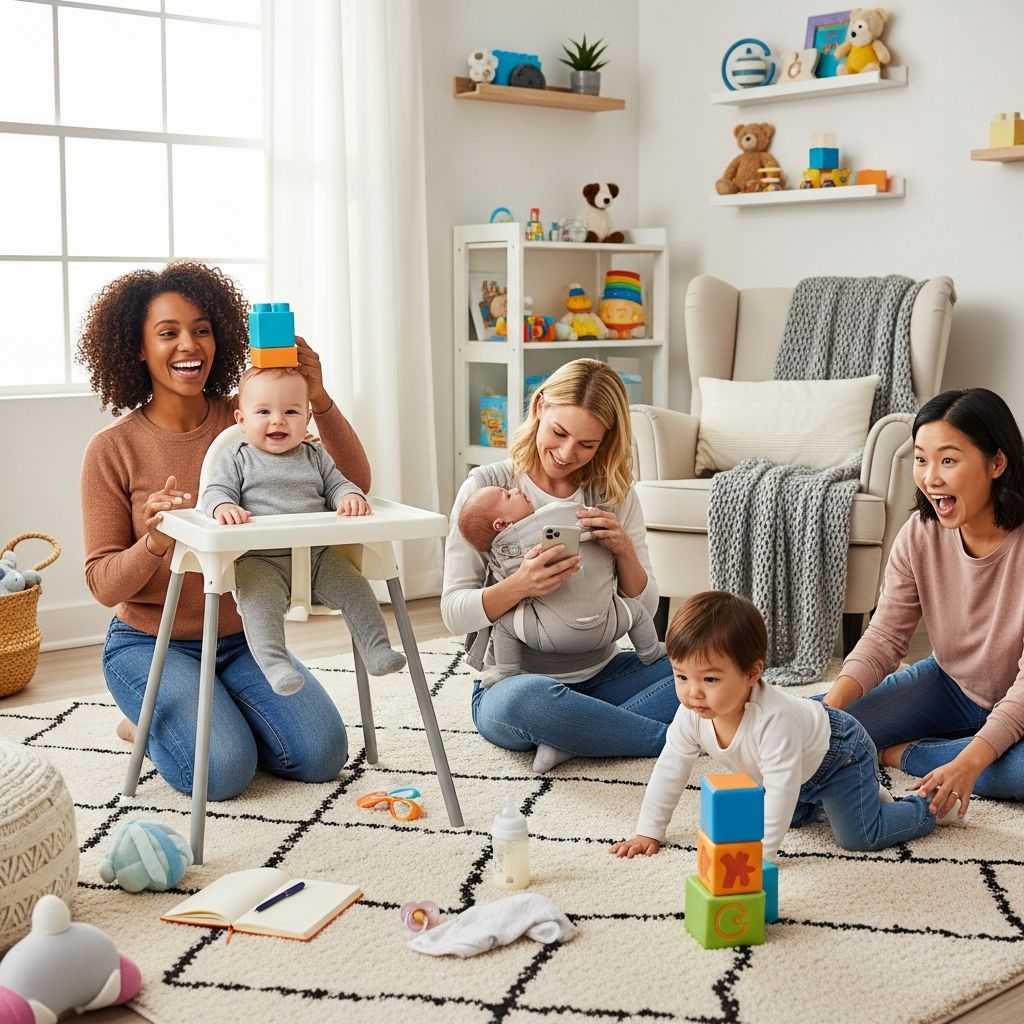
Becoming a mom for the first time is like being dropped into a new country where you adore the local resident (your baby) but don’t yet speak the language. This guide is here to help you find your footing, enjoy your days, and build a life that works for you and your little one.
Rethinking What It Means to Be a “Good” New Mom
Many rookie moms picture a perfect version of themselves who never forgets a diaper, always knows why the baby is crying, and loves every minute. Real life looks different—and that is not only normal, it is healthy. Instead of chasing perfection, focus on staying responsive, curious, and kind to yourself.
A helpful mindset shift is to think of the first year as on-the-job training. You are not expected to arrive knowing everything; you learn by doing, adjusting, and trying again. Every day with your baby gives you new information and another chance to practice.
Designing Your Days: Simple Routines That Actually Work
Rigid schedules can feel impossible with a newborn, but gentle routines provide just enough structure to help everyone feel more settled. Think in small units of time—morning, midday, afternoon, evening—rather than planning every hour.
Sample Flexible Day with a Young Baby
| Time of Day | Possible Focus | Mom-Focused Idea |
|---|---|---|
| Morning | Feeding, diaper changes, short play, first nap | Shower, stretch, or drink a hot drink while baby naps |
| Midday | Walk outside, tummy time, another nap | Listen to a podcast, call a friend, or eat a real meal |
| Afternoon | Low-key play, household task, feeding | Do one small chore and then rest without guilt |
| Evening | Bath (if desired), bedtime routine | Hand off bedtime when possible, then unwind intentionally |
Instead of trying to “get everything done,” choose one tiny priority for the day besides caring for your baby. That might be starting a load of laundry, sending a message to a friend, or taking a 10-minute walk. Keeping expectations realistic makes it easier to feel successful.
Creating Tiny Adventures with Your Baby
It is easy to feel trapped at home, especially in the early months. Short, simple outings can transform the day, giving you fresh air, light conversation, and a sense that you still belong to the world beyond your living room. You don’t need elaborate plans; you just need a destination and enough supplies.
Low-Stress Outing Ideas
- Neighborhood walk “tour”: Walk the same route and narrate what you see—colors, dogs, trees, sounds.
- Coffee shop visit: Order a drink, sit by a window, people-watch while your baby naps or nurses.
- Library lobby or children’s area: Many libraries welcome babies; bring a blanket and a board book.
- Quick errand practice: Pop into a small store to pick up one item so you can practice baby logistics.
- Park bench time: Find a shady spot, lay baby on a blanket, and enjoy a snack and some deep breaths.
Start with short trips at times when your baby is usually calm—often right after a feeding and diaper change. Over time, your confidence will grow and longer adventures will feel possible.
Playing with a Baby: Simple Ways to Connect and Entertain
Many rookie moms worry they are not doing “enough” to stimulate their baby. The good news is that your face, your voice, and gentle touch are your baby’s favorite toys in the first months. You can build connection and support development through ordinary, playful moments.
Age-Appropriate Play Inspirations
- 0–3 months: Skin-to-skin snuggles, soft singing, slow face-to-face talking, black-and-white picture cards.
- 3–6 months: Tummy time on your chest, rattles, crinkly books, peekaboo with a washcloth.
- 6–9 months: Rolling a ball back and forth, splashing in a small basin, feeling different textures in a basket.
- 9–12 months: Stacking cups, banging safe kitchen items, cruising along furniture, simple chase games.
Rotate a small selection of toys instead of filling your space with gear. Often, everyday items like measuring cups or scarves are just as fascinating as store-bought toys.
Taking Care of Yourself Without Guilt
Self-care for a rookie mom is less about spa days and more about preserving basic energy and sanity. Sleep, food, hydration, and emotional support are the true essentials. Even tiny investments in yourself benefit your baby because they have a more stable and resourced parent.
Micro Self-Care You Can Actually Do
- Body basics: Keep snacks and a water bottle where you feed the baby so you remember to eat and drink.
- Rest without multitasking: When your baby naps, try dedicating at least one nap per day to rest instead of chores.
- Ten-minute reset: Choose a short ritual—stretching, reading a few pages, journaling—that reminds you you’re more than a milk machine.
- Ask for specific help: Instead of “let me know if you need anything,” reply with clear requests like “Can you drop off a meal on Thursday?”
If you notice persistent sadness, anxiety, anger, or numbness for more than a couple of weeks, reach out to a healthcare provider or mental health professional. Seeking help is a sign of care for your child, not a failure as a parent.
Relationships, Roles, and the New Family Dynamic
The shift into parenthood reshapes romantic partnerships, friendships, and identity. Those changes can feel jarring even when they are expected. Clear communication and shared expectations make the transition smoother.
Conversations to Have with Your Partner
- Division of labor: List out daily and weekly tasks, then intentionally share them instead of assuming one person will just handle everything.
- Alone time for each of you: Schedule pockets of individual time so both parents can recharge.
- Connection rituals: Choose simple habits—like a nightly check-in or a weekend walk—that keep you connected beyond baby logistics.
When it comes to friendships, think in terms of “micro-connections.” Short voice notes, text threads, or brief walks with another parent can be more realistic than long nights out during this season.
Common Rookie Mom Worries (and Kinder Alternatives)
New mothers often carry invisible lists of expectations and self-criticism. Reframing those thoughts into more compassionate perspectives can dramatically change how the first year feels. Below is a quick reference you can return to whenever anxiety spikes.
| Unhelpful Thought | Kinder Reframe |
|---|---|
| “Real moms don’t struggle with this.” | “Every mom struggles with something; I am not alone in this.” |
| “I’m failing if my baby cries.” | “Crying is how babies communicate; responding calmly is what matters.” |
| “I should know what I’m doing by now.” | “Every new stage brings new skills to learn; it’s normal to feel unsure.” |
| “Everyone else is handling this better.” | “I am only seeing the highlight reels; my reality is valid and enough.” |
When you catch yourself in an all-or-nothing thought, try speaking to yourself the way you would speak to a close friend. The words you use with yourself matter as much as the routines you set up for your baby.
Making Space for Your Pre-Baby Self
Motherhood may change your schedule, but it does not erase your interests, talents, and quirks. Protecting a piece of your old identity can help you feel more grounded during this intense season. You are not being selfish when you nurture your own growth alongside your baby’s.
Ways to Stay Connected to Your Identity
- Mini hobbies: Break old hobbies into tiny pieces—one sketch, one page, one song—instead of long sessions.
- Style shortcuts: Curate a handful of comfortable outfits that make you feel put together without much effort.
- Brain food: Listen to audiobooks, take short online classes, or follow creators who inspire you while feeding or rocking your baby.
Over time, your life will feel less like “old me vs. mom me” and more like a blended version that includes both. That integration does not happen instantly, and that is perfectly okay.
FAQ: Rookie Mom Questions You’re Not Alone in Asking
How do I know if I’m doing enough with my baby each day?
If your baby is fed, held, responded to, and has opportunities to see, hear, and move throughout the day, you are already doing a lot. Simple routines like talking during diaper changes, offering tummy time, and going outside regularly provide rich stimulation without needing an elaborate schedule.
Why do I feel lonely even though I’m never actually alone?
Rookie motherhood often brings a sudden drop in adult conversation and spontaneous social time, which can feel isolating. Making even small efforts to connect with other parents—through a local group, online community, or recurring walk with a friend—helps remind you that you’re part of a wider village.
What if I don’t love every part of motherhood?
It is possible to love your baby deeply and still dislike certain aspects of the job, such as constant night wakings or feeding challenges. Mixed feelings are normal; they are not a measure of your worth as a parent, but a reflection of how demanding this season can be.
How can I manage the pressure from advice and opinions?
Choose a small circle of trusted sources—perhaps one healthcare provider, one or two experienced parents, and a couple of evidence-based resources. When unsolicited advice appears, you can thank the person and still decide whether it fits your family’s values and needs.
When does it start to feel easier?
The answer varies for every family, but many parents notice gradual shifts around milestones such as longer stretches of sleep, more predictable nap patterns, or the baby’s growing independence. Looking back, you may see that you became more confident long before everything felt “easy.”
Embracing Your Rookie Year
Your first year as a mom will include unforgettable sweetness and very real challenges. Approaching it as a season of learning, rather than a test you must ace, lets you make room for both joy and imperfection. The goal is not to become the “perfect” mom, but to become the mom your baby already believes you are: present, trying, and wonderfully human.
Take one small idea from this guide—an outing, a mindset shift, or a micro self-care ritual—and try it this week. Bit by bit, these small choices add up to a year that feels more like an adventure than a blur.