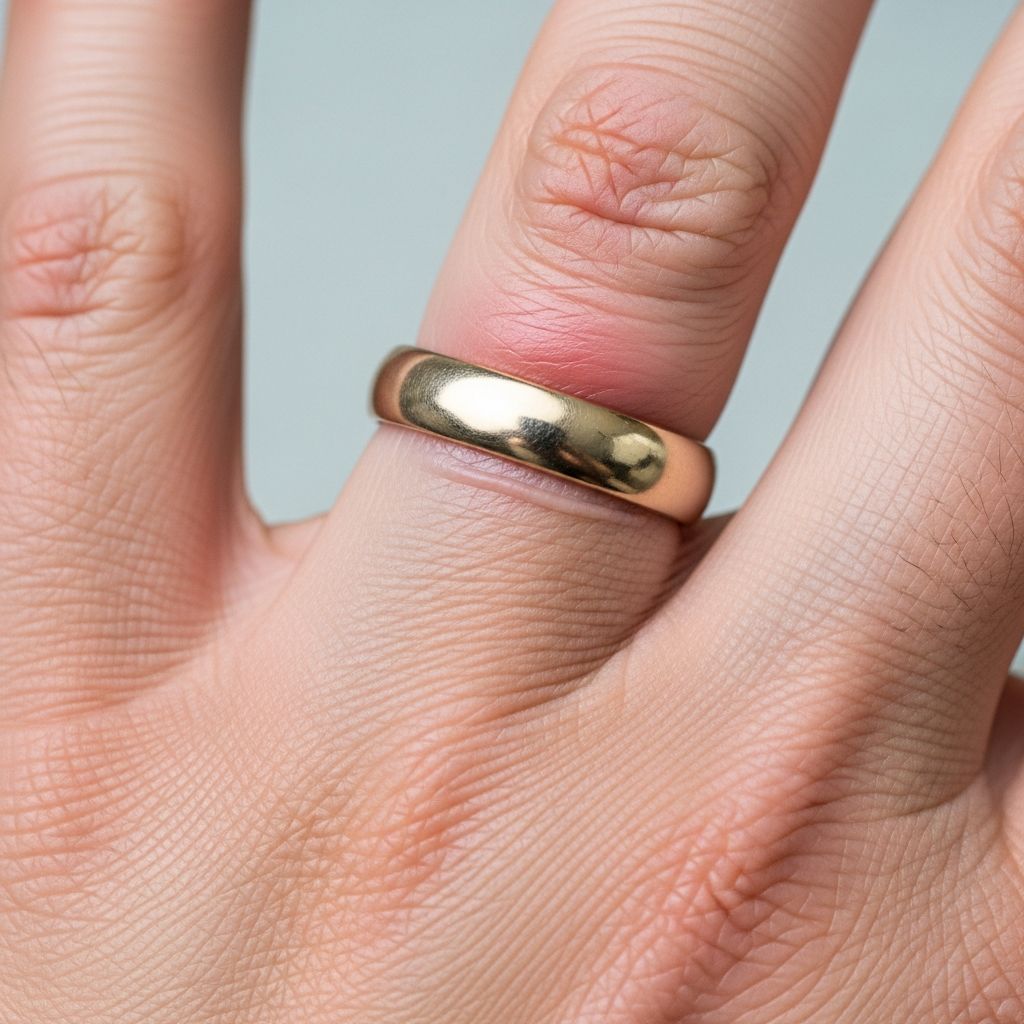
Ring avulsion, commonly called degloving, happens when a ring snags on an object and gets forcibly yanked, stripping skin, tissue, and sometimes bone from the finger. This injury demands immediate medical intervention to prevent permanent damage or amputation.
Understanding the Mechanics of Ring Avulsion Injuries
When a ring catches on something sturdy—like machinery, fences, or even furniture—and sudden force pulls it off, the ring’s edges act like a blade against the soft tissues of the finger. This can bruise vessels in minor cases or fully detach skin and underlying structures in severe ones, exposing bone and leading to potential fractures.
The term “degloving” vividly describes how the skin and fat layer separate from deeper tissues, much like removing a glove. Such trauma disrupts blood flow, nerves, and tendons, complicating recovery.
Classifications of Severity in Finger Degloving
Medical professionals categorize ring avulsions into three classes based on damage extent and circulation impact:
- Class 1: Circulation remains intact; limited to skin tears or fingertip damage. Often treated with cleaning, stitches, and bandaging.
- Class 2: Blood flow is compromised. Requires urgent surgery to repair vessels, followed by tissue and bone reconstruction.
- Class 3: Complete stripping of soft tissues or detachment/amputation. Demands complex reattachment surgeries, grafts, and extended therapy; full function may not return.
| Class | Circulation Status | Typical Damage | Treatment Overview |
|---|---|---|---|
| 1 | Intact | Skin/soft tissue laceration | Stitches, monitoring |
| 2 | Compromised | Vessel/nerve damage | Vascular repair surgery |
| 3 | Severed | Full degloving/amputation | Replantation, grafts, therapy |
This classification guides urgent care decisions, with Class 2 and 3 needing operating rooms immediately.
Common Scenarios Leading to These Traumatic Events
Ring avulsions strike unexpectedly in daily life. High-speed machinery in factories or construction sites yanks rings violently. Athletes risk it swinging bats or handling weights. Even household slips, like Jimmy Fallon’s 2015 fall where his ring snagged a table edge, requiring hours of surgery, highlight everyday perils.
- Industrial equipment pulling hands into gears.
- Falling while the ring hooks on protrusions.
- Swelling from heat, exercise, or conditions like arthritis turning rings into tourniquets.
Professions with hand-intensive tasks—manufacturing, firefighting, food prep—elevate risks, but anyone active can be affected.
Immediate Response to a Suspected Ring Injury
If a ring avulsion occurs, prioritize speed:
- Call emergency services (911). Time is critical for circulation salvage.
- Control bleeding: Apply firm pressure with sterile cloth; elevate the hand.
- Preserve detached parts: Wrap in moist gauze, place in iced bag (not directly on ice), and bring to hospital.
- Avoid reattempting to replace the ring.
Diagnosis involves physical exams and imaging like X-rays or Doppler ultrasound to assess vessel patency.
Medical Interventions and Long-Term Recovery
Treatment escalates with severity. Class 1 may heal outpatient; higher classes involve microsurgery for vessel and nerve anastomosis. Post-op, patients face months of therapy to regain motion and strength.
Complications include infections from exposed tissues, chronic pain, stiffness, or psychological trauma. Skin grafts and reconstructive procedures often follow, with full recovery uncertain—some lose fingers or endure scarring.
Rehabilitation includes occupational therapy focusing on dexterity exercises, splinting, and pain management. Economic burdens from surgeries, lost wages, and therapy underscore pursuing compensation in work-related cases.
High-Risk Groups and Lifestyle Factors
Not all ring wearers face equal threats. Those in manual labor, sports, or with swelling-prone conditions like arthritis are vulnerable. Summer heat exacerbates swelling, tightening rings.
- Workers: Construction, mechanics, first responders.
- Athletes: Weightlifters, team sports players.
- Medical conditions: Arthritis, edema from heat/pregnancy.
Even non-professionals risk it gardening, DIY projects, or chasing kids.
Proven Strategies to Prevent Ring-Related Trauma
Avoidance is straightforward:
- Remove rings during activities: Workouts, chores, machinery use.
- Opt for alternatives: Silicone rings flex without cutting; non-metal options reduce snag risks.
- Size properly: Ensure daytime fit; use sizing kits for fluctuations.
- Workplace policies: Many sites ban rings—comply strictly.
Workplaces should enforce no-ring zones near hazards, providing glove-compatible alternatives.[10]
Real-Life Accounts and Lessons Learned
High-profile cases like Jimmy Fallon’s illustrate universality. Industrial accidents often lead to lawsuits for negligence, emphasizing prevention’s role. Survivors share stories of grueling recoveries, reinforcing: a momentary snag can alter life permanently.
Frequently Asked Questions About Ring Avulsion
Can ring avulsion cause permanent finger loss?
Yes, especially in Class 3 cases where tissues are fully stripped; amputation rates are high without prompt surgery.
Is it safe to wear rings while exercising?
No—sweat swells fingers, and motion increases snag chances. Remove them or switch to flexible bands.
How quickly must I seek treatment?
Within hours; delayed care risks irreversible tissue death from poor circulation.
Are silicone rings truly safer?
Yes, they stretch and break away under force, preventing tissue stripping.
What if my finger swells with a tight ring?
Cut it off with proper tools; never force it, as this can worsen damage.
Workplace Safety and Legal Considerations
Employers must mitigate risks via training and gear. Injury victims may claim compensation for negligence, covering bills, rehab, and income loss. Consult specialists early.
In summary, awareness and precautions like ring removal transform potential tragedies into avoidable incidents. Prioritize safety for intact hands.
References
- Why You Should Leave Your Wedding Ring Home This Summer — Heiden Orthopedics. 2023. https://heidenortho.com/why-you-should-leave-your-wedding-ring-home-this-summer/
- Does Your Wedding Ring Put You At Risk Of Degloving? — Banner Health. 2024-05-15. https://www.bannerhealth.com/healthcareblog/teach-me/degloving-a-reason-to-take-off-your-wedding-ring
- Degloving Accidents: No Wedding Rings Beyond This Point — Habbas & Associates. 2022. https://www.habbaspilaw.com/degloving-accidents-ring-avulsion/
- Ring Avulsion Injury: Causes, Prevention, and More — Healthline. 2023-11-08. https://www.healthline.com/health/ring-avulsion
- What Is Ring Avulsion? Everything You Need to Know — Enso Rings. 2024. https://ensorings.com/articles/what-is-ring-avulsion
- Ring Avulsion (Injury): What It Is, Causes & Prevention — Cleveland Clinic. 2023-07-20. https://my.clevelandclinic.org/health/diseases/22368-ring-avulsion