Reusable water balloons have surged in popularity as an environmentally conscious alternative to single-use options, promising endless summer splashes without the waste. However, these convenient toys harbor a hidden peril: tiny, powerful magnets that can detach and cause devastating internal injuries if swallowed by children. Government agencies worldwide have issued urgent warnings about products exceeding safety flux limits, emphasizing immediate disposal and vigilance.
How Reusable Water Balloons Work and Where Risks Arise
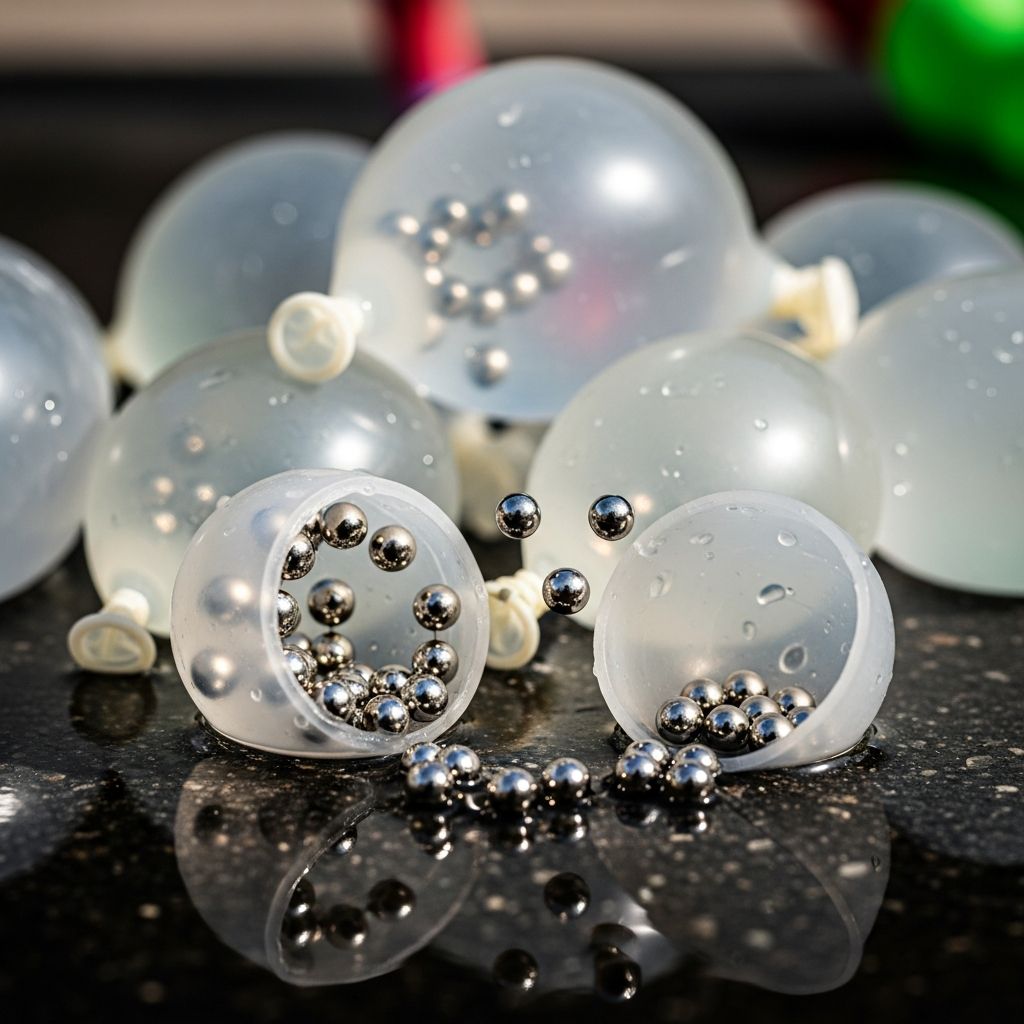
These balloons typically feature a flexible silicone or plastic sphere sealed by two rings embedded with small neodymium magnets. When filled with water, the magnets snap together to contain the liquid, mimicking the burst of traditional balloons upon impact. The design allows refilling hundreds of times, reducing plastic pollution—a major draw for eco-aware parents.
Problems emerge when manufacturing shortcuts compromise the casing. Over repeated use, heat exposure, or rough play, the protective layer wears thin, exposing or dislodging magnets. Children, drawn to shiny objects, may chew, swallow, or insert them into noses or ears. Unlike inert objects like coins, multiple ingested magnets attract across intestinal walls, pinching tissue and leading to perforations, blockages, infections, sepsis, and potentially fatal complications.
The Science Behind Magnet Ingestion Perils
Neodymium magnets boast exceptional strength due to their rare-earth composition, generating magnetic flux far surpassing older designs. Standards like EN71 and the U.S. Toys (Safety) Regulations 2011 cap flux at levels preventing such attractions in the body. Non-compliant balloons from unregulated sellers often exceed these, amplifying dangers.
Medical literature documents cases where magnets migrate, twisting bowels or eroding tissue over hours or days. Symptoms mimic common tummy aches—vomiting, pain, fever—but delay can necessitate surgery. The Office for Product Safety and Standards (OPSS) reports these toys, prevalent on online marketplaces, violate laws requiring warnings and flux compliance.
Real-World Incidents and Official Recalls
Incidents underscore the urgency. In one case, a child’s nasal magnets from balloons required emergency removal. The U.S. Consumer Product Safety Commission (CPSC) recalled SplishSplashFun balls for excessive magnet strength, citing risks of intestinal perforation and death. Canada’s recall of latex-free magnetic balloons highlighted similar ingestion hazards for all ages.
OPSS investigations targeted online sellers, mandating product removal. A Ohio mother rushed her daughter to hospital after balloon magnets lodged in her nose, illustrating everyday accessibility of these threats.
| Feature | Safe Brands (e.g., ZURU, Relatable) | Risky Imports |
|---|---|---|
| Magnet Flux | Meets EN71/CPSC limits | Exceeds limits |
| Testing | 1,500+ lifecycle tests | Often untested |
| Source | Reputable retailers | AliExpress/Temu |
| Warnings | Clear labels | Missing |
Spotting and Avoiding Hazardous Products
- Inspect Regularly: Before and after play, check for cracks, loose parts, or exposed metal. Discard at first sign of wear.
- Buy Smart: Stick to brands like ZURU’s Bunch O Balloons or Relatable’s Hydrobursts, tested rigorously and sold at major stores. Avoid ultra-cheap options under $3 from overseas platforms lacking safety data.
- Material Check: Prefer non-silicone, non-latex to dodge allergens and heat expansion risks.
- Supervise Play: Never leave children unattended; broken pieces or magnets are choking hazards akin to latex balloons.
Experts like Joan Lawrence of The Toy Association stress supervision, equating reusable balloons’ risks to traditional ones when damaged.
Safe Alternatives for Splash-Filled Summers
Not all reusable balloons spell danger. Reputable makers endure abuse testing, ensuring magnets stay secure. ZURU reports no damage after 1,500 bursts; Relatable complies with CPSC updates. Rotate sets seasonally and teach kids not to chew toys.
For zero-magnet options, consider pump-filled splash balls or edible water blobs (spherification kits using sodium alginate). Traditional water balloons from tested latex remain viable if supervised, though less eco-friendly.
Recognizing Ingestion Symptoms and Urgent Actions
Act fast on signs: abdominal pain, vomiting, diarrhea, fever, lethargy, or bloody stools. Do not induce vomiting or use laxatives—magnets can worsen damage en route.
- Seek emergency care immediately if ingestion suspected.
- Inform doctors: “Possible multiple small magnets swallowed.” X-rays may miss them; CT scans detect attractions.
- Contact poison control (U.S.: 1-800-222-1222) or CPSC (800-638-2772).
Post-incident, report to SaferProducts.gov for recalls.
Frequently Asked Questions
Are all reusable water balloons dangerous?
No, only those with non-compliant, loose magnets. Choose certified brands meeting EN71 or CPSC standards.
What if my child swallows a magnet?
Rush to ER; specify magnets ingested. Delays risk perforation.
How do I dispose of risky balloons?
Separate magnets if possible, trash securely away from kids/pets. Seek seller refund.
Can adults use these safely?
Adults face lower risk but should inspect; ingestion still hazardous.
Why are these magnets so risky?
They attract through tissue, causing unseen internal trauma unlike single objects.
Regulatory Landscape and Manufacturer Duties
Global bodies enforce strict rules. UK’s OPSS demands removal of violating stock; businesses must warn on ingestion risks. CPSC violations trigger recalls. Parents: Verify third-party certifications like ASTM F963.
Online marketplaces bear responsibility, yet cheap imports proliferate. Demand transparency—flux ratings, test reports—from sellers.
Broader Context: Magnet Hazards in Toys
High-powered magnets in desk toys/jewelry have caused surges in ER visits since the 2000s. Reusable balloons join this list, prompting pediatric warnings. Education campaigns, like OPSS posters, urge disposal.
Advocate: Support stricter import checks. Until then, proactive parenting prevents tragedy.
Reusable water balloons blend fun and sustainability, but safety first. Inspect, buy wisely, supervise—and keep summers safe.
References
- OPSS warns of magnetic reusable water balloons danger — UK Government, Office for Product Safety and Standards. 2023-07-21. https://www.gov.uk/government/news/opss-warns-of-magnetic-reusable-water-balloons-danger
- Reusable Water Balloon Safety: Everything You Need to Know — The Toy Insider. 2023-06. https://thetoyinsider.com/reusable-water-balloon-safety/
- Reusable Water Balloons – Safety — Nationwide Children’s Hospital. 2023-08-01. https://www.nationwidechildrens.org/family-resources-education/700childrens/2023/08/reusable-water-balloons
- PRODUCT SAFETY ALERT: Magnetic reusable water balloons — UK Government, OPSS. 2023. https://assets.publishing.service.gov.uk/media/64dca5193fde6100134a535e/magnetic-reusable-water-balloons-poster-v3.pdf
- Latex-Free Magnetic Re-usable Water Balloons recalled — Health Canada. 2023. https://recalls-rappels.canada.ca/en/alert-recall/latex-free-magnetic-usable-water-balloons-recalled-due-ingestion-hazard