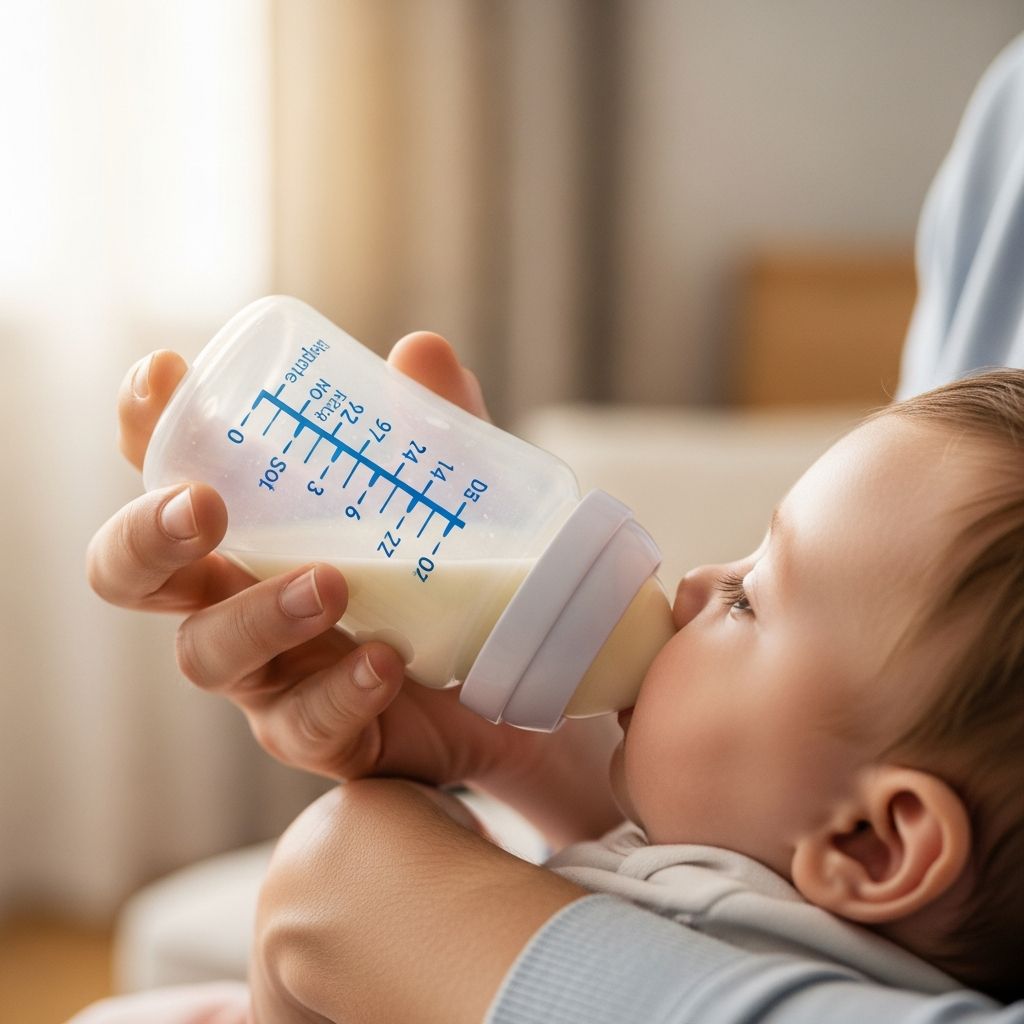
Responsive bottle feeding transforms traditional bottle sessions into baby-led experiences that closely replicate the natural rhythm of breastfeeding. By adjusting the bottle’s angle, incorporating pauses, and watching for hunger signals, caregivers enable infants to dictate the flow and volume of milk, fostering self-regulation and comfort during feeds.
Understanding the Essence of Responsive Bottle Feeding
This approach shifts power to the baby, allowing them to suck, pause, and stop based on internal cues rather than a constant stream of milk driven by gravity. Unlike conventional methods where bottles are tilted fully upright, filling the nipple completely, responsive techniques keep the nipple partially filled, slowing intake to match breastfeeding’s intermittent flow.
Infants fed this way often exhibit longer feeding durations and reduced rates, helping them recognize fullness without discomfort. Research shows these sessions promote maternal attunement to subtle baby signals, enhancing the caregiver-infant bond.
Key Advantages for Baby’s Health and Development
Adopting responsive bottle feeding yields multiple benefits, supported by clinical observations and studies.
- Prevents Overfeeding: Slowed milk flow gives babies time to sense satiety, reducing risks of excessive intake that leads to spit-up or discomfort.
- Eases Digestive Distress: Less gulping minimizes air swallowing, lowering chances of gas, colic, and reflux symptoms.
- Supports Breast-Bottle Transitions: Mimicking breast flow makes bottles more acceptable to nursed babies, avoiding nipple preference issues.
- Builds Healthy Habits: Early self-regulation teaches infants to respond to hunger and fullness cues, potentially aiding lifelong mindful eating.
- Boosts Responsiveness: Caregivers become more sensitive to infant behaviors, strengthening emotional connections.
A study with full-term infants found paced methods extended feeds without altering total milk consumed, while improving cue responsiveness when babies showed less clear signals.
Who Benefits Most from This Feeding Style?
Any bottle-feeding scenario can improve with responsiveness, but it’s particularly valuable for:
- Exclusively formula-fed newborns prone to rapid intake.
- Breastfed babies supplementing with expressed milk to maintain nursing ease.
- Infants showing signs of fussiness, frequent spit-up, or colic-like symptoms.
- Premature or coordination-challenged babies needing structured pauses.
Even older infants starting solids pair well with this method, as it encourages mindful eating from the start.
Step-by-Step Guide to Implementing Responsive Feeds
Mastering the technique requires practice, but these steps ensure success:
- Prepare the Environment: Find a quiet, comfortable spot. Burp the baby first if needed to start empty.
- Optimal Positioning: Hold baby semi-upright at a 30-45 degree angle, cradled close to your body for security.
- Bottle Grip: Grasp horizontally or slightly tilted so the nipple fills halfway with milk, not overflowing.
- Initiate Latch: Let baby root and latch actively; avoid forcing.
- Monitor Sucks: Allow 3-5 sucks, then gently tip the bottle down or remove it briefly for a pause, mimicking let-down pauses.
- Watch Cues: Pause at signs of slowing—relaxed hands, fluttering eyes, or halted sucking.
- Switch Sides: Midway, burp and offer the other side to simulate breastfeeding symmetry.
- Conclude Responsively: Stop when baby releases or dozes, even if milk remains.
| Common Cue | Action |
|---|---|
| Rooting, hand-to-mouth | Start feed |
| Relaxed jaw, slowing suck | Pause or end |
| Fists clenching, fussing | Burp or comfort |
| Turning head away | Feed complete |
Feeds typically last 10-30 minutes, varying by age and appetite.
Selecting the Right Gear for Success
Equipment influences flow control:
- Medium or Slow-Flow Nipples: Prevent flooding; check for appropriate age sizing.
- Wide-Base Nipples: Resemble breast shape for better latch.
- Standard Bottles: Work best; avoid anti-colic designs if they speed flow unintentionally.
- Warm Milk: Body temperature enhances acceptance.
Navigating Potential Hurdles
Challenges arise, but solutions exist:
Baby Refuses Pauses: Start with shorter intervals, gradually lengthening. Persistence builds acceptance.
Short Feeds: Trust cues over volume; supplement if growth lags, consulting professionals.
Gas Persists: Burp frequently; paced methods reduce but don’t eliminate air intake.
Over-Tiredness: Feed before extreme hunger to avoid frantic sucking.
Historical protocols for preterm infants emphasize cautious pacing to improve suck-swallow-breathe coordination, reducing bradycardia.
Scientific Backing and Expert Insights
Evidence supports efficacy: A 2024 study confirmed slower rates and better sensitivity in responsive vs. traditional feeding, especially for less communicative infants. Earlier trials showed efficient sucking patterns in paced groups. Pediatric guidelines advocate cue-based feeding for optimal outcomes.
Long-Term Impacts on Growth and Behavior
Beyond infancy, this method instills intuitive eating, potentially curbing obesity risks by honoring internal signals. Caregivers report calmer routines and less waste.
Frequently Asked Questions
Is responsive feeding suitable for all babies?
Yes, for full-term and most preterm infants, though consult providers for medical needs.
How long should a responsive feed last?
10-20 minutes typically, but follow baby’s lead.
Does it reduce gas completely?
It minimizes it by slowing intake, but burping remains key.
Can I use it with formula?
Absolutely; benefits apply regardless of milk type.
What if baby wants faster flow?
Gently persist; they adapt, avoiding flow preference.
Integrating into Daily Routines
Incorporate by feeding on demand, tracking wet diapers for adequacy. Combine with skin-to-skin for bonding. For multiples or pumped milk, it preserves supply by preventing gulping-induced early detachment signals.
Expand to solids: Use similar cues for purees, spoon-feeding slowly.
Expert Tips for Mastery
- Video sessions initially to self-assess technique.
- Partner practice ensures consistency.
- Lactation consultants refine for combo feeders.
- Track intake weekly, not per feed.
This holistic approach nurtures not just bodies, but confident eaters.
References
- Pace Bottle Feeding | Benefits and Disadvantages — Nourish Baby. 2023. https://nourishbaby.com.au/blogs/blog/paced-bottle-feeding
- Does paced bottle-feeding improve the quality and outcome of bottle-feeding? — PubMed/Elsevier. 2024-10-01. https://pubmed.ncbi.nlm.nih.gov/39693774/
- Pace Feeding: Definition, Benefits, and Step-by-Step Instructions — Healthline. 2023. https://www.healthline.com/health/baby/pace-feeding
- Paced Bottle Feeding — Nest Collaborative. 2023. https://nestcollaborative.com/blog/paced-bottle-feeding/
- Paced Bottle-Feeding: How to Bottle Feed a Newborn — Boppy. 2023. https://www.boppy.com/blogs/boppy/paced-bottle-feeding-tips-for-introducing-a-bottle-when-breastfeeding
- To Pace or Not to Pace – Part 1: A Review of the Evidence — Neonatal Therapists. 2023. https://neonataltherapists.com/to-pace-or-not-to-pace-part-1-a-review-of-the-evidence-partner-spotlight/