What Are Respiratory Retractions and Why They Matter
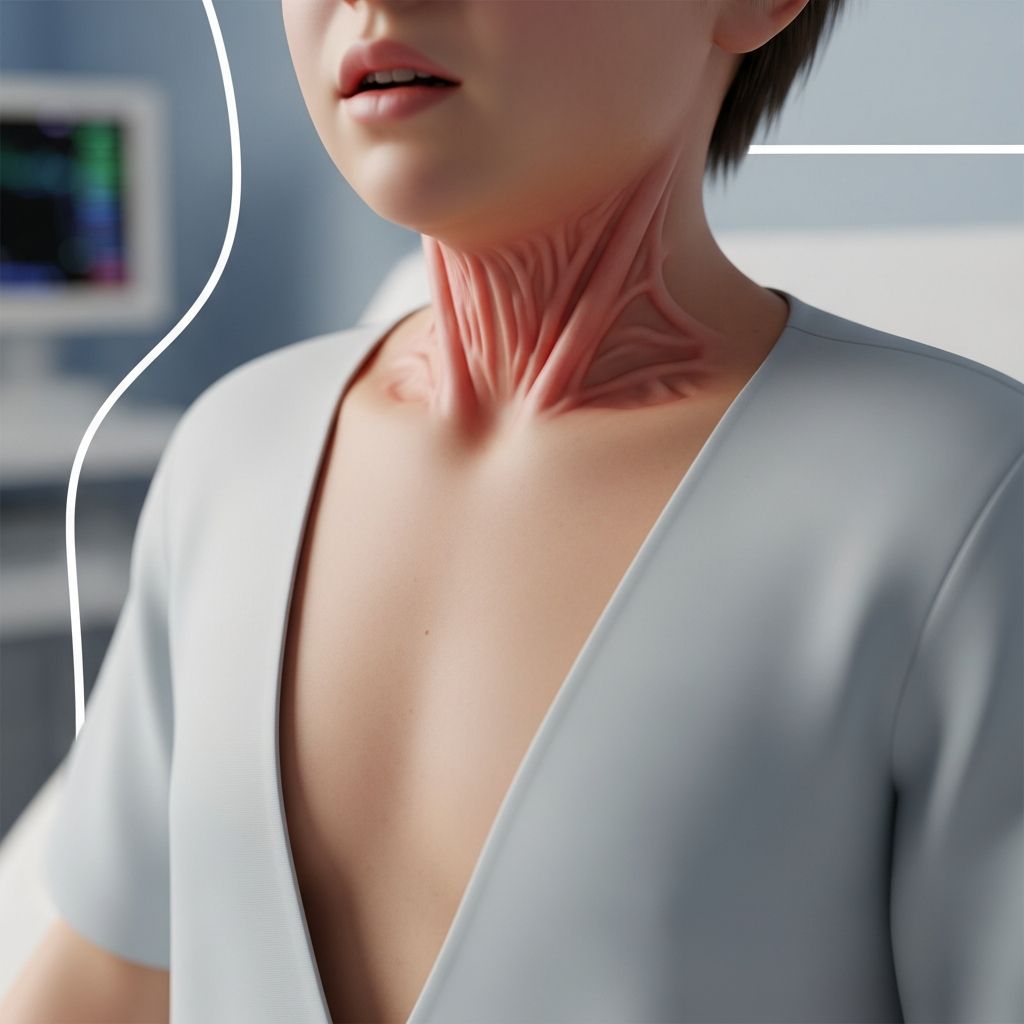
Respiratory retractions represent a physical sign that indicates a child’s body is working harder than normal to draw air into the lungs. When retractions occur, the skin in specific areas of the chest and neck appears to sink inward during the breathing process, creating a distinctive indentation pattern. This phenomenon occurs because the muscles and structures surrounding the lungs are being engaged more intensely to overcome resistance or difficulties in the breathing pathway.
Understanding retractions is crucial for parents because they often signal that a child’s respiratory system is under stress. Unlike normal, effortless breathing where the diaphragm and intercostal muscles work quietly in the background, retractions involve the activation of accessory muscles that are typically less involved in routine respiration. Recognizing this sign early can help parents determine when medical intervention becomes necessary.
The Mechanics of Normal Breathing
To fully comprehend retractions, it helps to understand how healthy breathing functions. During normal respiration, the diaphragm—a dome-shaped muscle beneath the lungs—contracts and moves downward. Simultaneously, the external intercostal muscles, which are situated between the ribs, contract and lift the rib cage upward and outward. This coordinated action creates negative pressure within the chest cavity, similar to drawing liquid through a straw. This pressure difference allows air to flow naturally into the lungs without any visible struggle.
The efficiency of this process means that healthy children breathe without obvious effort or visible signs of strain. The chest wall remains relatively still, and breathing occurs quietly and rhythmically. The body’s oxygen needs are met consistently, and the child can engage in play, eating, and other activities without interruption or fatigue related to breathing.
How Retractions Develop During Respiratory Distress
When a child experiences difficulty breathing, the body initiates a compensatory response by recruiting additional muscles to assist with the breathing process. These accessory muscles include those in the neck region, particularly the sternocleidomastoid muscles, as well as the scalene muscles. The abdominal muscles may also become involved as the body attempts to maximize respiratory effort.
When these extra muscles contract forcefully, they create stronger negative pressure within the chest cavity. However, if the airway is partially obstructed or if the lungs are stiff and difficult to inflate, the negative pressure becomes so strong that it pulls the skin inward rather than allowing smooth air entry. This inward pulling is what creates the visible retractions that parents and caregivers can observe.
Identifying the Locations of Retractions
Retractions can appear in several distinct locations on the body, and the pattern of retractions can sometimes provide clues about the underlying cause of respiratory distress:
- Subcostal retractions: These occur in the areas directly below the rib cage, where the skin sinks inward with each breath attempt.
- Intercostal retractions: These involve the spaces between the ribs pulling inward, creating a visible hollowing effect along the sides of the chest.
- Suprasternal retractions: Located in the area above the breastbone, this type of retraction becomes visible when breathing difficulty is significant.
- Supraclavicular retractions: These occur just above the collarbone and are often among the first signs of respiratory distress.
- Neck retractions: The skin of the neck may appear to hollow out, particularly in the area around the neck muscles.
Common Conditions Associated with Retractions
Respiratory retractions can occur with various childhood conditions affecting the lungs and airways. Asthma stands out as one of the most common causes, particularly during acute attacks when bronchospasm causes airway narrowing. In asthma episodes, the inflammation and tightening of the small airways forces the body to work considerably harder to move air through these restricted passages.
Bronchiolitis, an infection of the small airways typically caused by viral pathogens such as respiratory syncytial virus (RSV), frequently produces retractions in infants and young children. The inflammation within these small tubes creates resistance that triggers the body’s compensatory breathing response.
Croup, another viral infection affecting young children, causes swelling in the larynx and trachea. This swelling narrows the upper airway, making it difficult for air to pass through. Pneumonia, whether viral or bacterial, affects the lungs’ ability to expand properly, often resulting in visible retractions.
Foreign body aspiration, where a child has inhaled a small object, can create sudden and severe retractions as the body attempts to overcome the obstruction. Epiglottitis, a potentially life-threatening infection of the tissue that covers the airway, produces dramatic retractions and represents a medical emergency.
Recognizing the Severity of Retractions
The extent and intensity of retractions can indicate how much respiratory distress a child is experiencing. Mild retractions might be barely noticeable and occur only during exertion or when the child is particularly active. Moderate retractions become evident during normal activity or rest and may be accompanied by other signs such as increased respiratory rate or nasal flaring.
Severe retractions involve dramatic inward pulling of multiple areas of the chest and neck simultaneously. A child with severe retractions may struggle to eat, drink, or speak due to the effort required for breathing. The child may appear anxious or fatigued, and retractions visible at rest indicate significant respiratory distress that warrants immediate medical attention.
When to Contact Your Healthcare Provider
Parents should contact their child’s doctor if retractions appear for the first time or if existing retractions worsen. Any retractions occurring at rest deserve prompt medical evaluation. If a child with retractions cannot eat or drink normally, appears unusually drowsy or unresponsive, has lips or fingertips that appear bluish or grayish in color, or is struggling to speak in complete sentences, these signs indicate a medical emergency requiring immediate care.
Even mild retractions lasting longer than a few hours warrant communication with a healthcare provider to determine if evaluation is necessary. Parents should not wait for retractions to become severe before seeking help, as early intervention often prevents conditions from progressing to critical levels.
The Diagnostic Process
When evaluating a child with retractions, healthcare providers conduct a thorough assessment. They listen to lung sounds with a stethoscope to identify abnormal patterns such as wheezing, crackles, or decreased air movement. The provider observes the pattern and location of retractions, as this information helps narrow the diagnostic possibilities.
Vital signs including oxygen saturation, respiratory rate, heart rate, and temperature provide valuable information about the severity of respiratory distress and the child’s overall condition. In some cases, chest X-rays may be obtained to visualize the lungs and identify specific pathology. Pulse oximetry measurements help determine if the child’s oxygen levels are adequate.
Treatment Approaches Based on Underlying Causes
Treatment for retractions depends entirely on the underlying cause. A child with asthma-related retractions might receive bronchodilators to open the airways and corticosteroids to reduce inflammation. Viral infections like bronchiolitis typically receive supportive care focused on maintaining hydration and oxygen saturation, as antibiotics are ineffective against viral pathogens.
Children with croup may benefit from cool mist therapy or corticosteroids to reduce airway swelling. Bacterial infections such as pneumonia require antibiotic treatment along with supportive care. Foreign body aspiration requires urgent removal by trained medical professionals. The specific treatment approach is tailored to the underlying condition and the severity of the child’s symptoms.
Home Management and Comfort Measures
While awaiting medical evaluation or during the recovery phase of a respiratory condition, parents can implement comfort measures to support their child. Keeping the child upright or semi-upright helps facilitate easier breathing compared to lying flat. Using a humidifier to add moisture to the air may help soothe irritated airways, particularly in cases of croup or upper respiratory infections.
Ensuring the child stays well-hydrated supports the body’s ability to fight infection and helps prevent secretions from becoming thick and difficult to clear. Maintaining a calm environment reduces anxiety, which can exacerbate breathing difficulties. Parents should avoid smoke, strong perfumes, and other irritants that could further stress the respiratory system.
Preventive Strategies
Several measures can help reduce a child’s risk of developing conditions that cause retractions. Ensuring up-to-date vaccinations, including the influenza vaccine and pneumococcal vaccines, protects against many respiratory infections. Teaching children proper hand hygiene reduces transmission of viral pathogens that cause respiratory infections.
Maintaining a smoke-free environment is essential, as secondhand smoke irritates airways and increases susceptibility to infections. Avoiding known allergens and irritants helps prevent asthma exacerbations. Keeping the home environment appropriately humidified during winter months can help prevent airway drying and irritation.
Understanding Your Child’s Individual Respiratory Baseline
Parents benefit from becoming familiar with their child’s normal breathing patterns during health. This familiarity makes it easier to recognize when something is different. Some children naturally breathe more audibly or visibly than others, but significant changes from the child’s baseline warrant attention.
Children with chronic respiratory conditions such as asthma may experience occasional mild retractions during certain times or seasons. Parents managing chronic conditions should work with their healthcare provider to establish clear guidelines about when retractions indicate a need for increased medication versus when emergency care is necessary.
Common Questions About Respiratory Retractions
Can retractions go away on their own?
Mild retractions may improve as the underlying condition resolves or as the body’s compensatory efforts become more effective. However, persistent retractions indicate ongoing respiratory distress requiring medical evaluation to identify and treat the underlying cause.
Are retractions always a sign of a serious condition?A: While retractions always indicate that the respiratory system is working harder than normal, the underlying cause ranges from relatively minor infections to more serious conditions. Medical evaluation helps determine the cause and appropriate treatment.
Q: How quickly can retractions develop?
Retractions can develop gradually as an illness progresses, or they can appear suddenly in cases of acute obstruction or severe infection. Sudden-onset retractions warrant more urgent evaluation than gradual onset.
Can I treat retractions at home without medical evaluation?
Home comfort measures can support a child’s recovery, but retractions should always be evaluated by a healthcare provider to identify the underlying cause and ensure appropriate treatment. Avoid delaying medical evaluation in hopes that retractions will resolve independently.
Do retractions leave lasting damage to the chest wall?
Temporary retractions do not cause permanent damage. However, severe or prolonged retractions can occasionally affect chest wall development in infants, making timely treatment of the underlying condition important.
Moving Forward with Confidence
Recognizing respiratory retractions empowers parents to respond appropriately when their children experience breathing difficulties. By understanding what retractions are, learning to identify them, and knowing when to seek medical care, parents can ensure their children receive prompt evaluation and treatment. Most conditions causing retractions respond well to appropriate medical intervention, especially when identified early. Maintaining open communication with your child’s healthcare provider ensures that you have clear guidance specific to your child’s individual health situation.
References
- Retractions (for Parents) — Nemours Children’s Health. Accessed January 17, 2026. https://kidshealth.org/en/parents/retract.html
- Retraction — Medical Dictionary by The Free Dictionary. https://medical-dictionary.thefreedictionary.com/retraction
- Asthma: Clinical Features and Diagnosis — National Heart, Lung, and Blood Institute (NHLBI). U.S. Department of Health and Human Services. https://www.nhlbi.nih.gov/health/asthma
- Bronchiolitis — Centers for Disease Control and Prevention (CDC). U.S. Department of Health and Human Services. https://www.cdc.gov/rsv/clinical/index.html
- Croup: Clinical Features and Management — American Academy of Pediatrics (AAP). https://www.aap.org