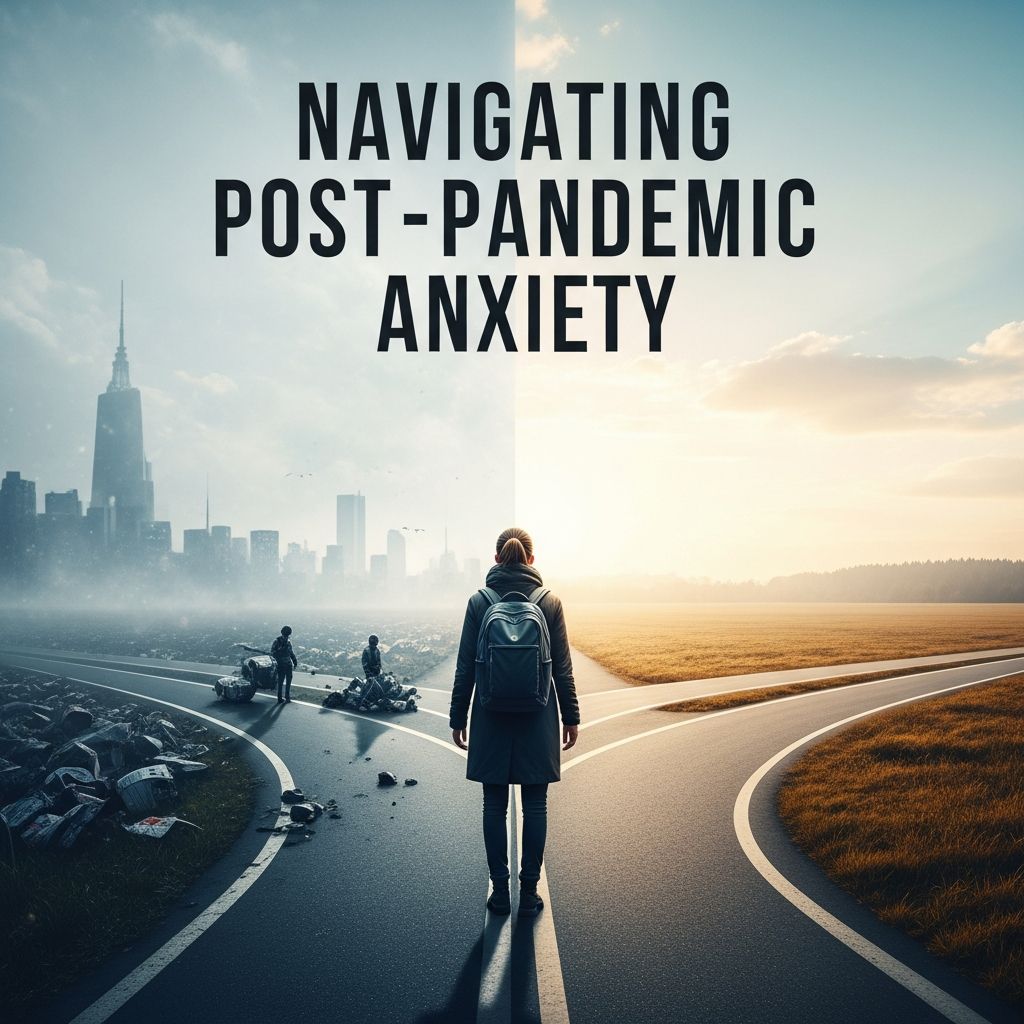
As societies emerge from prolonged lockdowns and restrictions, many individuals experience a surge of unease known as reopening anxiety. This phenomenon involves heightened worry about resuming social interactions, returning to workplaces or schools, and navigating an environment where safety feels uncertain despite lifted mandates.
Understanding the Roots of Reopening Anxiety
Reopening anxiety stems from the psychological shift after extended isolation. During lockdowns, people adapted to controlled environments with strict precautions like masking and distancing, which became comfort zones. Now, facing open spaces and gatherings triggers a conflict between the desire for normalcy and lingering fears fueled by ongoing virus variants and news cycles.
For parents, this anxiety intensifies due to concerns over children’s vulnerability. Studies show that while mental health diagnoses rose during the pandemic—from 2.8% to 3.5% among kids—reopening schools correlated with significant declines, including a 43% drop in new diagnoses by the ninth month post-reopening. This highlights how isolation exacerbated issues, but reconnection aids recovery.
Common Manifestations in Daily Life
Reopening anxiety appears in varied forms, often blending emotional, physical, and behavioral symptoms. Individuals might hesitate in low-risk settings, such as outdoor events with vaccinated crowds, yet feel compelled to maintain self-isolation.
- Physical signs: Rapid heartbeat, shallow breathing, sweating, or muscle tension during social encounters.
- Emotional responses: Persistent nervousness, hypervigilance to potential dangers, and doubt about personal safety.
- Behavioral patterns: Declining invitations, avoiding unmasked people, or obsessively tracking case numbers online.
Parents report amplified struggles, with anxiety spilling into family dynamics. Even those previously resilient find tolerance for uncertainty challenging, leading to irritability or overprotectiveness.
Impacts on Children and Family Dynamics
Children mirror parental stress, but data reveals positive shifts upon school reopenings. A California study across 24 counties (N=185,735) using difference-in-differences analysis found school reopenings linked to a 1.2 percentage-point drop in monthly mental health diagnoses, with 10.6% less healthcare spending. Anxiety and depression saw the sharpest declines, especially among girls.
| Mental Health Condition | Pre-Reopening Prevalence | Post-Reopening Change | Strongest Effect Group |
|---|---|---|---|
| Anxiety | Increased during lockdowns | Notable drop by 8-9 months | Girls |
| Depression | 2.8% to 3.5% rise | 43% fewer diagnoses by month 9 | All children |
| ADHD | Elevated | Drop by month 8 | School-aged kids |
These findings underscore that in-person learning fosters emotional stability, countering remote education’s isolating effects. Parents must model calm to prevent transmitting fears.
Practical Strategies for Personal Coping
Managing reopening anxiety requires self-awareness and gradual exposure. Begin by validating feelings as a normal response to trauma—living through a pandemic rewired threat perceptions.
- Reflect on triggers: Differentiate real risks (e.g., unvaccinated crowds) from habituated fears (e.g., discomfort in open spaces). Journaling helps clarify sources.
- Limit news intake: Set boundaries on COVID updates to reduce hypervigilance, focusing on local vaccination rates instead.
- Practice incremental steps: Start with mask-free walks in quiet areas, progressing to small gatherings during off-peak times.
- Incorporate mindfulness: Use deep breathing—inhale for 4 counts, hold for 4, exhale for 4—to interrupt physical symptoms.
Experts emphasize self-compassion: Adaptation takes time, and setbacks are expected.
Parenting Through Transition: Supporting Kids
Parents’ anxiety often peaks around school reopenings. Transparency builds trust—discuss ground rules for playdates openly, like confirming masking protocols. Focus on controllables: packing sanitizer or choosing outdoor meetups.
When overwhelmed, step away briefly for self-regulation. Assess if stress is from the child’s needs or personal bandwidth, then respond accordingly. Encourage kids’ autonomy, like letting them lead mask choices in safe settings, to build resilience.
Global reviews confirm school returns improved youth mental health broadly, suggesting structured social environments are healing.
Building Long-Term Resilience
Beyond immediate tactics, foster habits for sustained well-being. Prioritize sleep, exercise, and nutrition, which buffer anxiety. Community involvement, like parent support groups, normalizes experiences—countering the myth that ‘everyone else’s stress invalidates yours’.
For severe cases, professional help is vital. Therapists offer cognitive-behavioral tools to reframe fears. Data shows early intervention prevents chronic issues.
Frequently Asked Questions
Is reopening anxiety a sign of something serious?
It’s a common, temporary response to change, but if it persists or disrupts life, consult a professional.
How can I help my anxious child return to school?
Use routines, validate feelings, and expose gradually. Studies show benefits emerge within months.
What if social invitations feel overwhelming?
Decline politely and suggest alternatives like virtual chats. Ease in at your pace.
Does anxiety affect parents more than kids?
Often yes, as adults model behaviors, but reopenings benefit children significantly.
Can exercise reduce these symptoms?
Yes, physical activity lowers tension and boosts mood, aiding adjustment.
Embracing the New Normal
Reopening anxiety reflects humanity’s adaptability amid uncertainty. With data-backed strategies and compassion, families can transition smoothly. Children’s mental health rebounds quickly with structure, while adults benefit from deliberate steps. Patience and support pave the way forward.
References
- How to Deal with Reopening Anxiety – Therapy Central — Therapy Central. 2021-08-16. https://therapy-central.com/2021/08/16/how-to-deal-with-reopening-anxiety-and-shake-off-lockdown-habits/
- Kids’ anxiety and depression dropped fast after COVID school reopening — ScienceDaily. 2025-12-13. https://www.sciencedaily.com/releases/2025/12/251213042244.htm
- Managing Your Own Anxiety During School Reopening — Child Mind Institute. N/A. https://childmind.org/article/managing-anxiety-during-school-reopening/
- Effect of School Reopenings on Children’s Mental Health during COVID-19 — PMC (PubMed Central). N/A. https://pmc.ncbi.nlm.nih.gov/articles/PMC12824883/
- School reopening during COVID-19 pandemic associated with improvement in children’s mental health — Harvard T.H. Chan School of Public Health. 2025-12-08. https://hsph.harvard.edu/news/school-reopening-during-covid-19-pandemic-associated-with-improvement-in-childrens-mental-health/