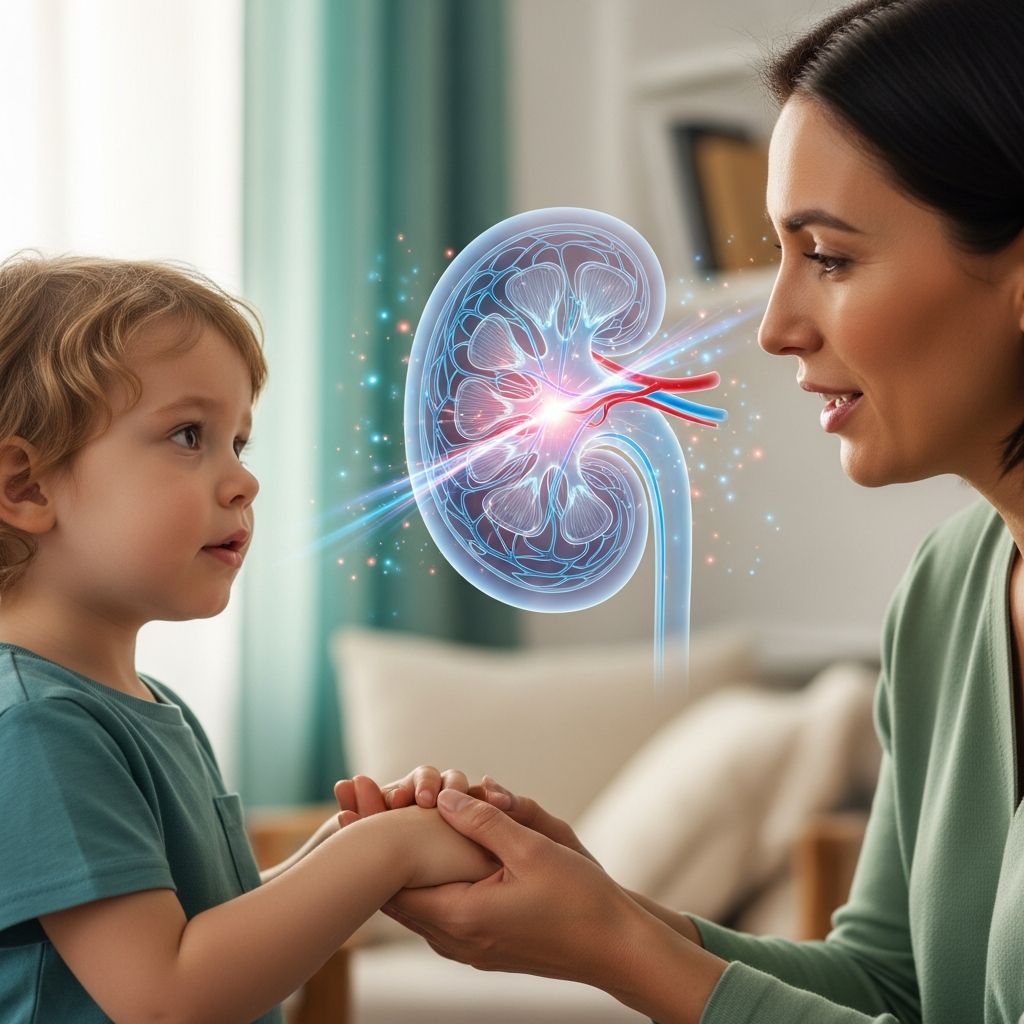
Renal tubular acidosis (RTA) is a kidney problem that affects how a child’s body controls its acid–base balance. When the kidneys do not handle acids correctly, too much acid can build up in the blood, which can affect growth, energy, and overall health. This guide explains RTA in clear language so parents and caregivers can recognize signs, understand medical terms, and support their child’s treatment plan.
How Healthy Kidneys Handle Acid and Base
Every day, the body creates acids as it breaks down food and uses energy. The kidneys help keep the blood at a safe, steady pH by removing extra acid into the urine and saving important “base” chemicals like bicarbonate. This balance keeps the body’s cells working properly.
Inside each kidney are millions of tiny filters and tubes called nephrons. The filters remove waste and extra fluid, while the tubules adjust the mix of acids, salts, and water before urine leaves the body. When these tubules do not work as they should, the blood can become too acidic, which is what happens in renal tubular acidosis.
- Filters (glomeruli) clean the blood and start making urine.
- Tubules fine-tune the urine by removing acid and keeping helpful substances.
- A healthy acid–base balance helps protect bones, muscles, and organs.
What Is Renal Tubular Acidosis?
Renal tubular acidosis is a group of conditions where the kidney tubules cannot properly get rid of acid or keep enough bicarbonate in the body. The main filtering part of the kidney can be normal, yet the child still develops a build-up of acid in the blood. This is different from many other kidney diseases, where the main problem is loss of overall kidney function.
RTA can be present from birth because of inherited changes in certain genes, or it can develop later due to medications, other illnesses, or temporary kidney stress. Doctors usually classify RTA into different types depending on which part of the tubule is affected and how it behaves.
- “Renal” means related to the kidneys.
- “Tubular” points to the problem being in the kidney tubules.
- “Acidosis” refers to extra acid in the blood.
Main Types of RTA in Children
Although the medical details differ, all types of RTA lead to too much acid in the body. Knowing the type helps the care team choose the best treatment and predict possible complications. Children are most often diagnosed with distal (Type 1) or proximal (Type 2) RTA, while some older kids and teens may have a form linked to hormone problems (Type 4).
| Type | Area of Tubule Affected | Basic Problem | Typical Concerns |
|---|---|---|---|
| Distal RTA (Type 1) | End (distal) part of the tubule | Kidney cannot get rid of acid into the urine effectively. | Risk of kidney stones, bone weakness, poor growth, low potassium. |
| Proximal RTA (Type 2) | Beginning (proximal) part of the tubule | Kidney loses too much bicarbonate in the urine. | Poor growth, bone problems, sometimes part of broader tubule disorders. |
| Type 4 RTA | Distal tubule and hormone signaling | Response to the hormone aldosterone is reduced or missing. | High blood potassium, mild acidosis, often linked with other conditions. |
Some children have RTA as part of a more complex kidney tubule disorder that affects many substances, not just acid and bicarbonate. In these cases, doctors may talk about additional lab findings, such as losses of certain salts, sugar, or minerals in the urine.
Causes and Risk Factors
RTA in children can be inherited or acquired. In inherited forms, a change in a gene passed from one or both parents alters how specific transport proteins in the tubule work. These proteins normally help move acids, bases, and minerals across the tubule wall.
Acquired forms can appear when the kidneys are stressed by another condition. Autoimmune diseases, some infections, and certain medications can interfere with tubule function. In many children, the exact trigger may not be identified, but treatment still focuses on correcting the acid–base problem and protecting growth.
- Family history of kidney problems or RTA can point toward a genetic cause.
- Previous use of specific drugs known to impact kidney tubules may be relevant.
- Medical problems that affect the immune system or electrolytes may increase risk.
Common Signs and Symptoms in Children
Symptoms of RTA can develop slowly and may be easy to mistake for other childhood issues, such as picky eating or frequent viral illnesses. Because the blood becomes too acidic, the body pulls minerals from bones and alters how muscles and nerves function, which can cause a wide range of complaints.
Not every child will have all of these signs, and the pattern can vary by age. Some children first come to medical attention because of poor growth, while others are evaluated for kidney stones or unexplained weakness.
Physical and Growth-Related Symptoms
- Slow weight gain or height growth compared with peers.
- Delayed milestones or appearing smaller than siblings at the same age.
- Frequent fatigue, low energy, or needing extra naps.
Urinary and Kidney-Related Signs
- More frequent urination than expected for age.
- History of kidney stones or calcium deposits in the kidneys found on imaging.
- Occasional blood in urine related to stones or crystals.
Other Possible Symptoms
- Muscle cramps, weakness, or aches.
- Fast breathing, especially when acid levels are high.
- Headaches, irritability, or trouble concentrating in older children.
How Doctors Diagnose Renal Tubular Acidosis
Diagnosis usually starts with a careful history and physical exam, followed by blood and urine tests. Doctors look for patterns showing that the blood is more acidic than normal but that overall kidney function (such as filtration rate) is still relatively preserved. They also check levels of salts like sodium, potassium, and chloride.
Urine tests reveal how well the kidneys are excreting acid and conserving bicarbonate. Sometimes special tests involve giving a medicine or measured amount of acid or base and then checking how the kidney responds. Imaging tests, like ultrasound, can look for kidney stones or calcium deposits.
- Blood tests: acid–base status, electrolytes, kidney function markers.
- Urine tests: pH (how acidic or basic), electrolytes, and crystals.
- Imaging: ultrasound to check kidney structure and stones.
Treatment Goals and Main Therapies
The main goal of RTA treatment is to restore and maintain a normal acid–base balance in the blood. By lowering the acid load, treatment helps protect bones, supports normal growth, and reduces the risk of kidney stones or long-term kidney damage. Children with RTA usually require ongoing follow-up with a pediatric nephrologist.
Most treatment plans include daily medicines that act as “alkali” or base. These medicines neutralize excess acid and often come as liquids or tablets. The exact dose depends on the child’s age, weight, and lab results, and it may change as the child grows.
Common Elements of RTA Treatment
- Alkali therapy, such as bicarbonate or citrate solutions, taken several times a day.
- Potassium supplements if blood potassium levels are low.
- Vitamin D or other bone-supporting medicines in children with bone weakness.
- Treating any underlying disease or adjusting medicines that may be harming the tubules.
Living With RTA: Daily Care Tips for Families
With proper treatment and monitoring, many children with RTA can grow and develop normally. Day-to-day care focuses on following the treatment plan, watching for warning signs, and keeping regular appointments for lab tests and check-ups. Parents and caregivers play a key role in ensuring medicines are taken correctly.
Close communication with the health care team helps families adjust the treatment plan if school schedules, taste preferences, or side effects become difficult. Over time, many families develop routines that make medication and lab visits a regular part of life.
Practical Tips at Home
- Use alarms or charts to remember doses, especially for medicines given several times a day.
- Ask about flavoring options or different forms if your child dislikes the taste of a specific medicine.
- Encourage plenty of fluids, unless the doctor has given a different instruction.
- Track growth measurements and share concerns about appetite, activity, or school performance.
Possible Complications and Long-Term Outlook
Without treatment, long-standing acidosis can affect bones, growth, and kidney health. Children may develop bone pain, fractures, or severe growth delays, and some can form recurrent kidney stones. Early diagnosis and consistent therapy greatly reduce these risks.
When treatment begins early and is followed closely, many children achieve near-normal growth and avoid major complications. Some forms of RTA may improve over time, while others require lifelong management. Regular follow-up allows doctors to catch changes in kidney function or bone health before they cause major problems.
- Bone health is monitored through growth charts, lab tests, and sometimes imaging.
- Kidney health is watched through urine studies and occasional ultrasounds.
- Adjustments to therapy may be needed during growth spurts, puberty, or illnesses.
Frequently Asked Questions About Renal Tubular Acidosis
Is renal tubular acidosis the same as kidney failure?
No. In RTA, the problem mainly affects how the tubules handle acid and base, while the basic filtering function of the kidneys may still be fairly normal. However, if severe acidosis is not corrected for a long time, it can contribute to worsening kidney damage.
Can a child outgrow renal tubular acidosis?
Some children with certain forms of RTA may show improvement as their kidneys mature, especially when treatment keeps acid levels under control. Other types are lifelong conditions that require ongoing medicine, but good control often allows for normal or near-normal growth and development.
Will my child need a special diet?
Diet plans are individualized. Many children are encouraged to stay well hydrated and eat a balanced diet that supports growth and bone health. In some cases, doctors may limit foods high in certain minerals or adjust salt and potassium intake, depending on blood and urine tests.
How often will my child need blood and urine tests?
Testing is more frequent soon after diagnosis or during medication changes, sometimes every few weeks or months. Once the condition is stable, visits may be spaced farther apart, but regular monitoring remains important to ensure the treatment dose keeps up with growth.
Can children with RTA play sports and attend school normally?
Many children with well-controlled RTA participate in usual school and recreational activities. Parents and teachers should be aware of the condition so they can support medication schedules, bathroom access, and rest if the child feels more tired during episodes of imbalance or illness.
Key Takeaways for Parents and Caregivers
- Renal tubular acidosis is a problem with how the kidney tubules handle acid and base, not necessarily with how the kidneys filter blood overall.
- Common warning signs include poor growth, frequent urination, tiredness, and in some cases kidney stones or muscle weakness.
- Treatment usually involves daily alkali medicines and close monitoring of blood and urine tests.
- With early diagnosis and consistent care, many children with RTA can grow, attend school, and live active lives.