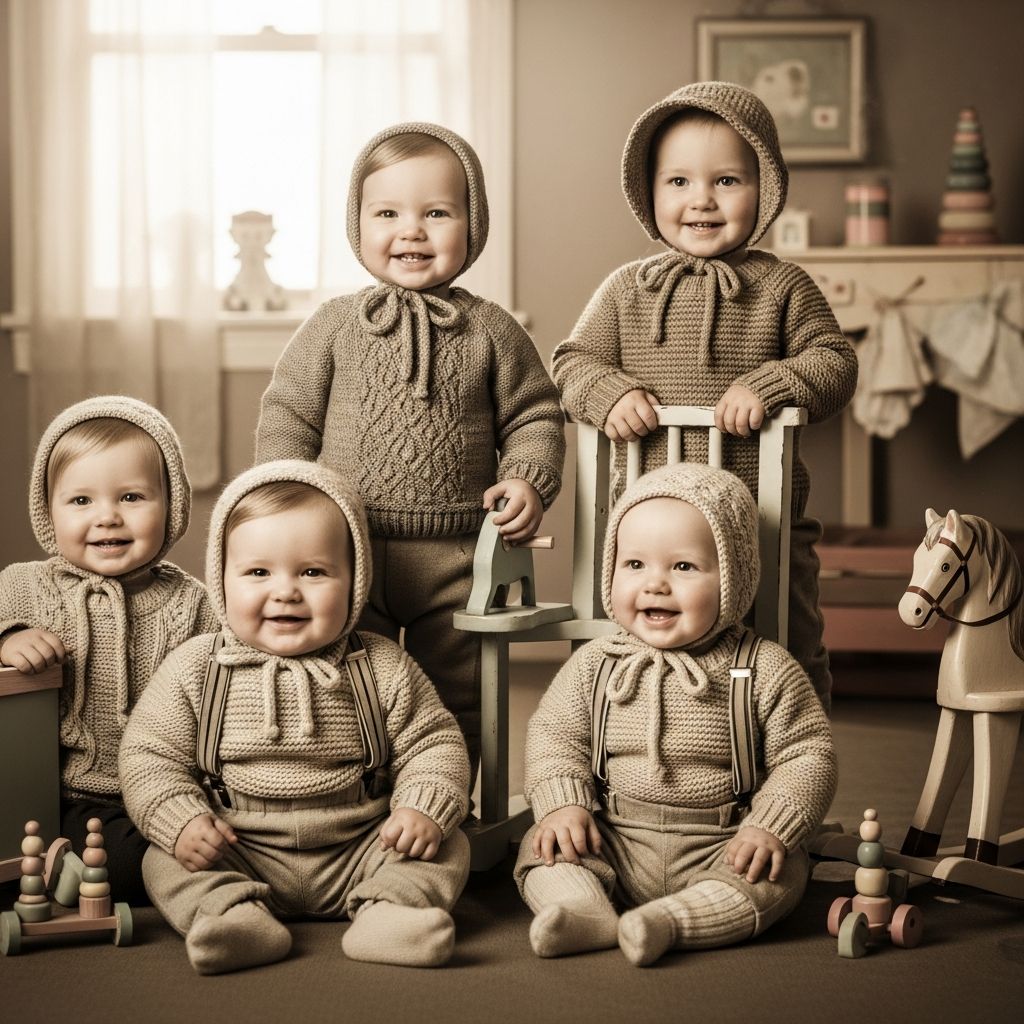
Elegant, timeless, and steeped in British aristocracy, Regency-era names from the early 19th century offer a sophisticated choice for today’s parents. Popularized by period dramas, these monikers evoke grandeur, romance, and refinement while remaining usable in contemporary settings.
The Allure of Regency Naming Traditions
During the Regency period (roughly 1811-1820), British parents favored names rooted in biblical texts, royal lineages, and classical literature. Common choices reflected social status, family heritage, and virtue signaling. Boys often received sturdy, repeated favorites like James or William, while girls enjoyed variations such as Elizabeth or Charlotte.
This era’s nomenclature blended tradition with emerging trends from French influences and Italian poetic forms. Upper classes adopted double-barreled names or surname-as-first-name honors, as seen in literary figures. Today, these names surge in popularity thanks to screen adaptations, blending historical authenticity with fresh appeal.
Top Regency Names for Boys
Regency boys’ names emphasized strength and legacy, with a heavy reliance on a core set of classics. Here’s a selection of popular and distinctive options:
- James: A perennial favorite, topping lists for its biblical roots meaning ‘supplanter’.
- John: Simple yet noble, derived from Hebrew for ‘God is gracious’.
- William: Royal resonance, meaning ‘resolute protector’; favored by monarchs.
- Thomas: Meaning ‘twin’, ubiquitous across classes.
- George: Boosted by King George III, signifying ‘farmer’ from Greek origins.
- Henry: Royal staple meaning ‘home ruler’; diminutives like Harry added charm.
- Charles: French-influenced, meaning ‘free man’.
- Edward: Wealthy guardian, common in noble families.
- Robert: Bright fame, a steady choice.
- Philip: Lover of horses, evoking equestrian Regency pursuits.
Less common gems include Reginald (ruler’s advisor), Edmund (wealthy protector), and surname-inspired picks like Fitzwilliam, honoring maternal lines. These names suited heirs titled as Viscounts or Honourables from birth.
Top Regency Names for Girls
Girls’ names during Regency times showed more variety, often drawing from virtues, flowers, or saints. Elizabeth led, with creative diminutives like Eliza or Beth.
- Elizabeth: God’s oath, versatile with nicknames Lizzy, Betsy.
- Mary (and variants Marie, Mary Ann): Bitter or beloved, eternally popular.
- Ann/Anne: Grace, simple and saintly.
- Charlotte: Free woman, royal boost from Princess Charlotte.
- Harriet: Home ruler, diminutive of Henriette.
- Frances: Free spirit, strong yet feminine.
- Jane: God is gracious, Austen’s heroine staple.
- Margaret: Pearl, with nicknames Meg or Peggy.
- Catherine (Catharine, Katherine): Pure, saint-inspired.
- Sophia: Wisdom, rising via German royals.
Rarer delights: Georgiana (farmer, feminine George), Henrietta, Louisa (famous warrior), and classics like Emma, Isabella, or Lydia. Double names like Mary Ann added elegance.
Meanings and Origins Table
Understanding etymology enriches name selection. Below is a table of standout Regency names with roots:
| Name | Gender | Origin | Meaning |
|---|---|---|---|
| William | Boy | Germanic | Resolute protector |
| Elizabeth | Girl | Hebrew | God’s oath |
| Charlotte | Girl | French | Free woman |
| Henry | Boy | Germanic | Home ruler |
| Sophia | Girl | Greek | Wisdom |
| George | Boy | Greek | Farmer |
| Anne | Girl | Hebrew | Grace |
| James | Boy | Hebrew | Supplanter |
| Emma | Girl | German | Whole/universal |
| Edward | Boy | Old English | Wealthy guardian |
Sources confirm these derivations from historical records.
Uncommon Regency Treasures
For uniqueness, consider these lesser-used Regency names. Boys: Cecil (blind), Dudley (Dudley’s field), Miles (soldier), Nicholas (victory of the people), Stephen (crown). Girls: Abigail (father’s joy), Beatrice (bringer of happiness), Caroline (free woman), Eleanor (light), Lavinia (purity of virginity), Letitia (joy), Rebecca (to bind).
Surname twists like Willoughby or Montague honored ancestry, while feminized males like Fredericka or Justina added flair. Italian influences birthed Olivia from Olive, Alicia from Alice.
Naming Customs and Titles in Regency Society
Children weren’t just named; they were titled. Heirs might be Lord [Firstname] or Viscount [Surname], siblings Honourable Master/Miss [Surname]. Servants used Master/Miss [Firstname], evolving to Mr./Miss by school age (around 7-14). This hierarchy influenced daily address, from nursery to ballroom.
Trends included saint-day ties (Lucy for light-bearer saint) and royal mimicry—Stuarts popularized surname first names. Diminutives personalized: Kitty for Catherine, Molly for Mary.
Why Choose Regency Names Today?
These names bridge past and present, offering familiarity without trendiness. Bridgerton mania has revived them, but their roots ensure longevity. Pair with modern middles: James Elias or Charlotte Rose. Consider flow, initials, and family ties for balance.
Regency names suit diverse heritages, with global appeal from English literature’s reach. They’re versatile for nicknames, professional settings, and playgrounds.
Frequently Asked Questions
What makes a name authentically Regency?
Authentic picks draw from 1800-1820s parish records, favoring biblical, royal, or classical sources without Victorian inventions.
Are Regency names popular now?
Yes, shows like Bridgerton boost Charlotte, Henry, and Daphne variants, blending vintage charm with usability.
How to shorten Regency names?
Traditional diminutives: Eliza for Elizabeth, Harry for Henry, Peggy for Margaret.
Can I mix Regency with modern names?
Absolutely—e.g., William Theo or Sophia Jade—for hybrid appeal.
Regency names for non-binary kids?
Flexible options like Alex (from Alexander), Jordan (surname style), or unisex classics like Francis work well.
Selecting Your Perfect Regency Name
Start with family history, then test pronunciation and spelling. Resources like period novels by Jane Austen inspire. Consult meanings for sentiment—wisdom (Sophia) or protection (William). Ultimately, choose what resonates, evoking Regency ballrooms for your child’s life story.
Expand creatively: double names like James Edward, or virtue names like Grace. These selections ensure your baby carries aristocratic poise into the future.
References
- What Regency Parents Named Their Children — Cheryl’s Regency Ramblings. 2011-09-25. https://cherylsregencyramblings.wordpress.com/2011/09/25/what-regency-parents-named-their-children/
- Regency era names — Sarah’s History Place. 2011-09. http://sarahs-history-place.blogspot.com/2011/09/regency-era-names.html
- How to Name Your Regency Era Baby (Or Character) — YouTube (Historical Fashion channel). Accessed 2026. https://www.youtube.com/watch?v=0hPxt1FHvKY
- Authentic Regency Era Names — Bryn Donovan. 2014-12-08. https://www.bryndonovan.com/2014/12/08/name-those-regency-era-characters/
- 103 Regency Names for Girls with Meanings — FamilyEducation. Accessed 2026. https://www.familyeducation.com/baby-names/list-ideas/naming-trends/103-regency-names-for-girls-with-meanings
- Regency Names — Jo Beverley. Accessed 2026. https://www.jobev.com/regname.html