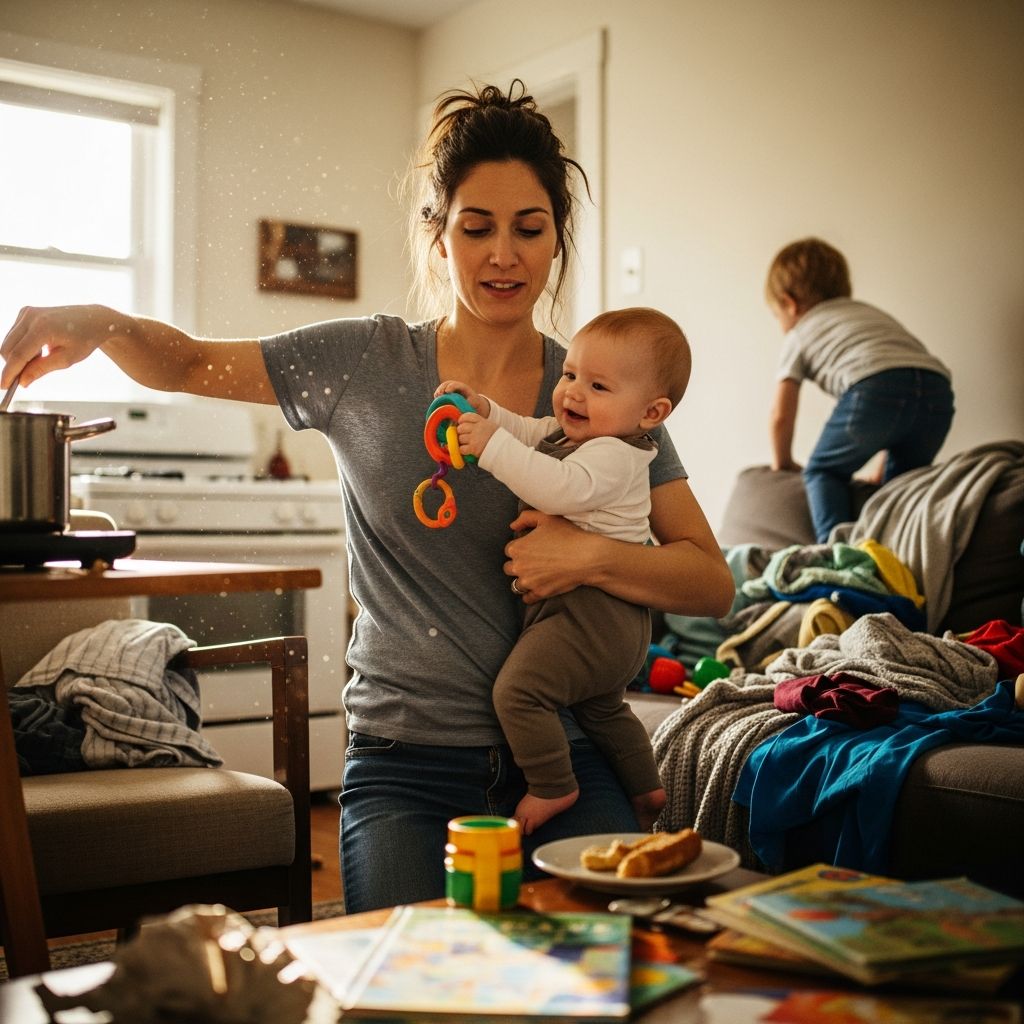
Motherhood is a tapestry woven from threads of joy, exhaustion, love, and unrelenting demands. Far from the polished images on social media, the real experience unfolds in spontaneous moments captured in everyday settings—messy kitchens, interrupted routines, and tender embraces amid clutter. These unscripted scenes remind us that parenting is not a highlight reel but a continuous journey of growth and adaptation.
The Unseen Layers of Daily Parenting
Every day brings a blend of highs and lows that define the parenting experience. Mornings often start with the rush of getting children ready, where spilled cereal and last-minute shoe hunts set the tone. Yet, within this frenzy lies deep fulfillment as parents witness their children’s first steps, words, or smiles. Research from the American Psychological Association highlights how these routine interactions foster secure attachments, crucial for child development.1
One powerful aspect is the constant multitasking. Parents juggle meal prep, work calls, and playtime simultaneously. A study by the Pew Research Center notes that 62% of mothers with young children report feeling overwhelmed by these demands at least sometimes, underscoring the emotional toll of balancing roles.2
- Multitasking Mastery: Preparing dinner while soothing a fussy toddler builds resilience and efficiency.
- Emotional Navigation: Swinging between frustration and adoration sharpens empathy.
- Spontaneous Joy: Unexpected hugs or laughter punctuate the chaos.
Capturing Authenticity Through the Lens
Photographers have long played a vital role in documenting motherhood’s truth. Series like those by Giedre Gomes showcase stay-at-home moms in their element: breastfeeding amid household chores, navigating supermarket meltdowns, or collapsing into bed after bedtime stories. These images strip away ideals, revealing parenting as a 24/7 commitment without breaks or paychecks.3
Such visual storytelling validates what many feel but rarely voice. A candid shot of a mother on the toilet with a child bursting in captures the loss of privacy—a universal rite of passage. Another depicts the rare quiet moment when kids finally sleep, allowing a brief exhale. These photos, shared widely on platforms like Bored Panda, resonate because they mirror real life.4
| Idealized Motherhood | Real Motherhood |
|---|---|
| Perfectly posed family portraits | Candid chaos with toys everywhere |
| Serene, rested expressions | Weary smiles amid exhaustion |
| Solitary self-care routines | Interrupted baths and quick showers |
Navigating the Emotional Rollercoaster
The psychological landscape of motherhood is rich and varied. Joy surges from milestones, but guilt, doubt, and fatigue lurk beneath. The Centers for Disease Control and Prevention (CDC) reports that about 1 in 8 women experience postpartum mood disorders, emphasizing the need for open conversations.5
Parents often grapple with societal expectations versus reality. Social media amplifies curated perfection, leading to comparison. Yet, embracing imperfection fosters mental well-being. Strategies include setting boundaries, seeking support networks, and practicing self-compassion. Journaling daily wins, no matter how small, reframes the narrative from survival to thriving.
Practical Strategies for Thriving Amid Chaos
To harness motherhood’s complexity, practical tools make a difference. Time-blocking schedules—allocating specific slots for tasks—helps regain control. Incorporating short mindfulness exercises, like deep breathing during transitions, reduces stress, as supported by Harvard Medical School research on parental well-being.6
- Prioritize Sleep: Alternate night duties with partners or use nap times wisely.
- Build a Village: Lean on family, friends, or online communities for shared childcare.
- Celebrate Micro-Victories: Acknowledge getting through the day as a success.
- Self-Care Rituals: Even five minutes of reading or stretching recharges.
Nutrition plays a key role too. Quick, nutrient-dense meals sustain energy. The USDA recommends balanced plates with proteins, veggies, and whole grains for busy parents modeling healthy habits for kids.
The Power of Community and Shared Stories
No one parents in isolation. Online forums and local groups provide solidarity. Sharing photos or anecdotes normalizes struggles, reducing isolation. Initiatives like photography projects empower moms to reclaim their narratives, turning vulnerability into strength.
One mother’s story might detail wrangling toddlers during grocery runs, another the quiet pride of bedtime routines. These exchanges build empathy and innovative solutions, from toy rotation systems to meal prep hacks.
Long-Term Perspectives: Growth Beyond the Toddler Years
Motherhood evolves. The intense early phases give way to school-age independence, teenage dialogues, and adult relationships. Longitudinal studies from the National Institute of Child Health show that early bonding predicts positive outcomes, affirming that chaos contributes to resilience in both parents and children.7
Reflecting on these years through photo albums or journals preserves memories. What seemed brutal in the moment often becomes cherished wisdom. Parents emerge more patient, creative, and connected.
Frequently Asked Questions About Real Motherhood
Is it normal to feel overwhelmed as a new mom?
Yes, overwhelming feelings are common. The CDC indicates 10-15% of new mothers face postpartum challenges, but support and time help most navigate them successfully.5
How can I capture authentic family moments?
Use your phone for spontaneous shots during daily routines. Avoid staging to preserve genuineness, inspired by photographers like Giedre Gomes.3
What if social media makes me feel inadequate?
Curate your feed to follow realistic parenting accounts. Limit scrolling time to protect mental health, per APA guidelines.1
Are there ways to reclaim personal time?
Yes, micro-breaks like partnered childcare swaps or early bedtimes create space. Consistency builds sustainable habits.
Does motherhood get easier over time?
It changes. Intensity shifts from physical to emotional demands, but accumulated experience eases many challenges.
Embracing the Full Spectrum
Motherhood’s complexity is its greatest gift. Honest depictions—through words, images, or shared experiences—invite appreciation for the raw, beautiful whole. By honoring both the mess and the magic, parents cultivate deeper fulfillment and stronger family bonds.
References
- Parenting Stress and Child Development — American Psychological Association. 2023-05-15. https://www.apa.org/topics/parenting/stress
- Motherhood in America Today — Pew Research Center. 2024-02-20. https://www.pewresearch.org/social-trends/2024/02/20/motherhood-in-america/
- Photographer Captures Reality of Motherhood — The Independent. 2018-04-10. https://www.independent.co.uk/life-style/motherhood-reality-stay-at-home-mum-photography-series-giedre-gomes-a8352661.html
- Brutally Honest Photos of Moms — Bored Panda. 2018-03-05. https://www.boredpanda.com/mother-children-photography-mothers-day-giedre-gomes/
- Postpartum Mood Disorders — Centers for Disease Control and Prevention. 2025-01-12. https://www.cdc.gov/reproductivehealth/maternalinfanthealth/postpartum-depression.htm
- Mindfulness for Parents — Harvard Medical School. 2024-11-08. https://www.health.harvard.edu/mind-and-mood/mindfulness-for-parents
- Longitudinal Study on Parenting — National Institute of Child Health. 2023-09-18. https://www.nichd.nih.gov/research/supported/seccyd