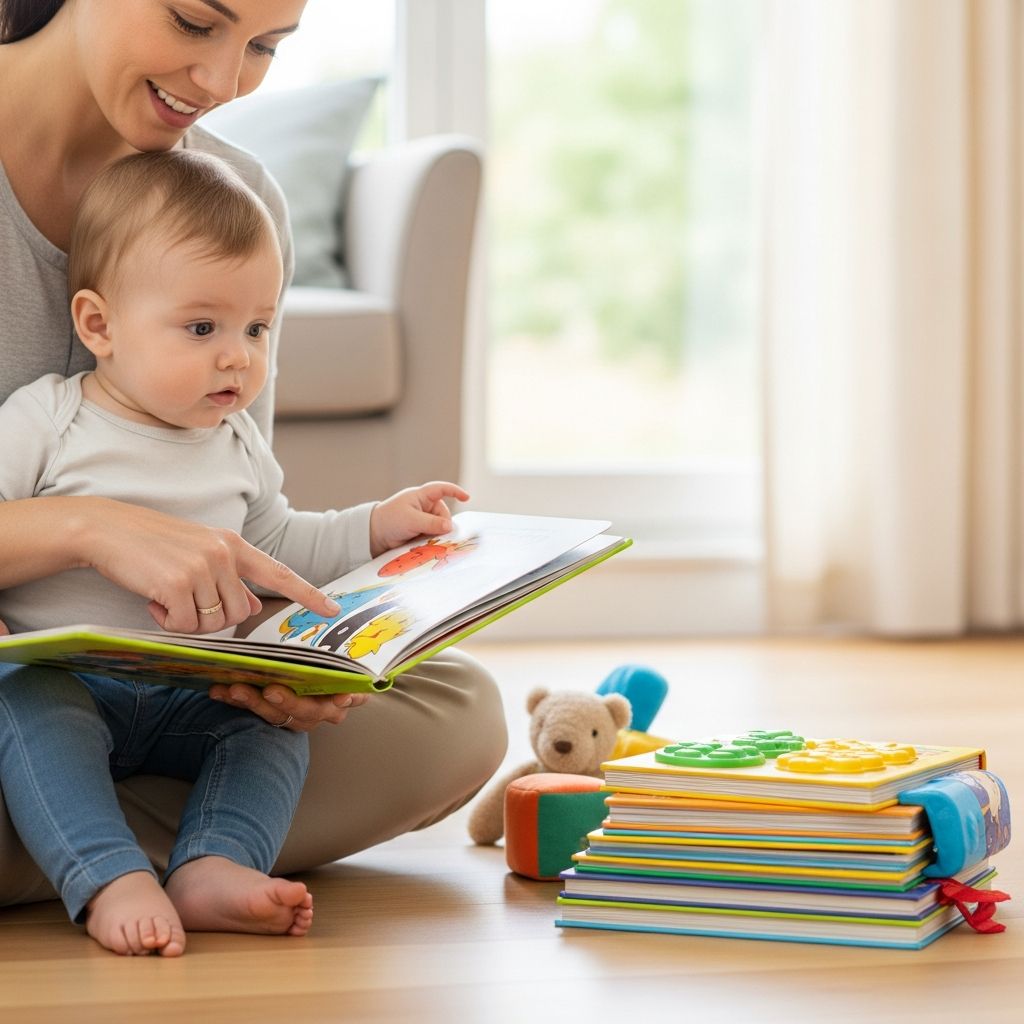
Early exposure to books profoundly shapes a child’s cognitive and language development, laying the groundwork for academic success. From birth, babies benefit from interactive reading sessions that stimulate brain growth and strengthen parent-child bonds.
Why Reading Matters from Day One
Reading to infants isn’t just entertainment; it’s a cornerstone of brain development. During the first three years, neural connections form rapidly, with language exposure playing a key role. Studies show that children hearing more words daily exhibit advanced vocabulary by kindergarten. Interactive reading enhances listening skills, emotional regulation, and imagination, reducing future reading difficulties.
Consistent routines build security and curiosity. Parents who read daily report stronger family connections and measurable gains in comprehension. This guide outlines milestones by age, offering practical strategies to engage little ones effectively.
Newborn to 6 Months: Building Sensory Foundations
In the earliest months, babies respond to high-contrast images, rhythmic sounds, and gentle voices. Their vision focuses best at 8-12 inches, ideal for face-to-book proximity during cuddles.
- Track faces and bold patterns on pages.
- React to caregiver’s voice tones and rhymes.
- Grasp soft books or cloth pages instinctively.
Focus on black-and-white illustrations or primary colors. Sing-song texts mimic natural speech patterns, aiding sound recognition. Hold books close, narrate slowly, and pause for eye contact. This stage fosters print awareness—understanding books convey stories.
Developmental gains include improved auditory processing and early bonding hormones release during touch-and-read moments. Aim for 5-10 minute sessions multiple times daily.
6 to 12 Months: Discovering Sounds and Objects
Babies now babble, mimic gestures, and reach for books eagerly. They turn pages clumsily but with intent, associating pictures with real objects.
- Point to familiar items like balls or animals.
- Babble along during repetitive phrases.
- Respond to simple questions like “Where’s baby?”
- Enjoy peek-a-boo flaps and textures.
Introduce board books with tactile elements. Exaggerate expressions and sounds to match emotions—happy for sunny pages, soft for bedtime scenes. Name objects repeatedly to build receptive vocabulary, which expands to hundreds of words by year one.
Interactive play boosts memory; babies recall story elements after repeats. Combine reading with songs for rhythm mastery, precursor to phonemic awareness.
12 to 18 Months: First Words and Engagement
Toddlers utter first words, imitate actions, and “read” by reciting memorized lines. Motor skills allow page-turning and pointing precisely.
| Milestone | Activities to Support |
|---|---|
| Recognizes 5-10 body parts or objects | Label during reads: “Touch your nose!” |
| Follows 1-step directions | “Find the doggy.” |
| Uses 5-20 words | Prompt: “What does kitty say?” |
| Pretends to read familiar books | Encourage turn-taking narration. |
Use durable books with photos of real babies for relatability. Short, repetitive stories like animal rhymes hold short attention spans. Props extend play—add toy versions of book characters post-reading.
This phase bridges hearing to speaking; daily exposure correlates with larger vocabularies. Rotate 3-5 books weekly to maintain novelty.
18 to 24 Months: Vocabulary Explosion
Language surges with 200+ words; toddlers name pictures independently and form 2-word sentences. They demand favorites, signaling comprehension.
- Points to book details unprompted.
- Anticipates plot twists.
- Identifies letters in own name.
- Engages in back-and-forth dialogue about stories.
Select books with diverse themes: emotions, daily routines, nature. Ask predictive questions: “What happens next?” to spark inference skills. Dramatic readings with voices and gestures amplify retention.
Print motivation emerges—excitement for stories predicts later reading proficiency. Integrate into routines: car rides, baths with waterproof books.
24 to 36 Months: Storytelling and Concepts
Preschoolers retell plots, understand sequences, and grasp basic narratives. Scribbles represent writing; they “read” with fluency.
- Recounts events in order.
- Recognizes rhymes and patterns.
- Understands opposites (big/small).
- Invent stories from pictures.
Advance to longer tales with morals or humor. Discuss characters’ feelings to build empathy. Point out text directionality, introducing left-to-right flow subtly.
Critical period for phonics prep; rhyming books sensitize to sounds. Group readings with peers model social language use.
Choosing the Right Books by Age
| Age Group | Book Types | Key Features |
|---|---|---|
| 0-6 Months | Contrast board books | High-contrast art, mirrors, crinkly pages |
| 6-12 Months | Touch-and-feel | Textures, flaps, simple rhymes |
| 12-24 Months | Picture stories | Repetition, real photos, questions |
| 24-36 Months | Narrative books | Plots, humor, diverse characters |
Diversity matters—include multicultural faces, abilities, families to reflect real world. Libraries offer free access; apps supplement but prioritize physical interaction.
Daily Reading Routines for Maximum Impact
Consistency trumps duration. Morning boosts mood, evenings signal sleep. Involve siblings for modeling. Track progress via journals: note new words or favorites.
Overcome fussiness with movement—walk while reading. Digital detox: limit screens, as hands-on books superior for motor-literate links.
Overcoming Common Challenges
Short attention? Start tiny, build up. Picky? Follow interests (trucks, animals). Bilingual homes? Read both languages interchangeably for cognitive boosts.
Monitor red flags: no babbling by 12 months, disinterest post-24 months. Consult pediatricians early.
Frequently Asked Questions
How often should I read to my baby?
Daily, 10-20 minutes total, split into short bursts matching attention span.
What if my baby chews books?
Choose indestructible board or cloth books; it’s normal exploration.
Does screen reading count?
Limited; physical books better for touch and bonding.
Can reading help speech delays?
Yes, interactive sessions expand vocabulary and model sounds.
When do babies recognize letters?
Often by 2-3 years, starting with name letters.
Long-Term Benefits of Early Reading
Children read to regularly score higher in language arts, show better focus, and enjoy learning. Lifelong readers emerge from nurtured infancy habits. Start today—your voice is their first library.
References
- Stages of Reading Development — Voyager Sopris Learning. 2023. https://www.voyagersopris.com/vsl/blog/stages-of-reading-development
- Chall’s Stages of Reading Development — Landmark Outreach. 2023. https://www.landmarkoutreach.org/strategies/challs-stages-reading-development/
- Five Stages of Reading Development — The Literacy Bug. 2023. https://www.theliteracybug.com/stages
- Developmental Milestones Birth to Pre-K — University of Florida Literacy Institute. 2024-01-16. https://ufli.education.ufl.edu/resources/parent/birth-to-pre-k/developmental-milestones/
- Stages of Reading Development — Reading Rockets. 2023. https://www.readingrockets.org/topics/about-reading/articles/stages-reading-development
- Developmental Milestones of Early Literacy — American Academy of Pediatrics HealthyChildren.org. 2023. https://www.healthychildren.org/English/ages-stages/baby/Pages/Developmental-Milestones-of-Early-Literacy.aspx