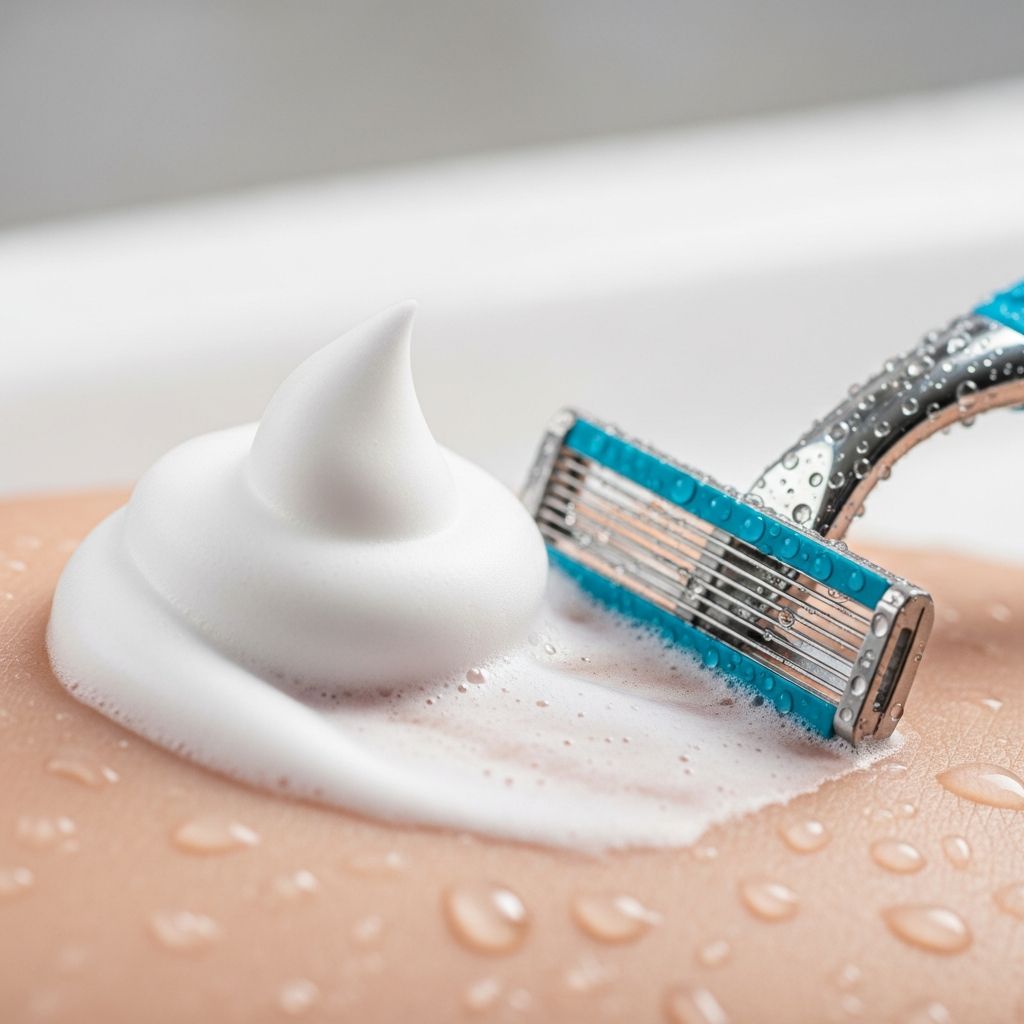
Shaving can make skin feel smooth and clean, but it can also leave behind a burning, itchy rash known as razor burn. This guide explains what razor burn is, why it happens, how to treat it gently, and what you can do to prevent it so shaving becomes more comfortable and less stressful.
What Exactly Is Razor Burn?
Razor burn is a type of skin irritation that appears after shaving. It often shows up as red, blotchy, or streaky areas that can sting, itch, or feel hot to the touch. Anyone who shaves—no matter their gender or skin type—can experience it.
This irritation can develop on any area that you shave, including the face, neck, underarms, legs, and pubic area. Razor burn is usually temporary, but it can be uncomfortable and sometimes embarrassing, especially if it appears in visible areas.
Razor Burn vs. Razor Bumps
People often mix up razor burn with razor bumps, but they are not exactly the same. Razor burn is a rash-like irritation, while razor bumps are small raised spots caused by hairs that curl back into the skin or get trapped as they grow out.
It is also possible to have both razor burn and razor bumps at the same time, especially in areas with coarse or curly hair. Understanding the difference helps you choose the right care and prevention steps.
| Feature | Razor Burn | Razor Bumps |
|---|---|---|
| What it looks like | Red, irritated patches or streaks on shaved skin | Small, raised bumps that may look like pimples |
| Main cause | Friction and irritation from the razor blade on the skin | Hairs curling or growing back into the skin (ingrown hairs) |
| Common sensations | Burning, stinging, itching, tenderness | Itching, tenderness, sometimes pus-filled tips |
| Where it occurs | Any shaved area | Common in areas with curly or coarse hair, like beard, bikini, or underarms |
Common Signs and Symptoms
Razor burn usually appears within minutes to hours after shaving. The exact symptoms can vary from person to person, but they tend to follow the same general pattern.
Typical Symptoms to Watch For
- Red or pink patches where you shaved.
- Stinging, burning, or a hot feeling on the skin.
- Itchiness or a prickly sensation.
- Skin that feels tight, dry, or sensitive when touched.
- Occasional small bumps or swelling in the shaved area.
These symptoms are usually mild and fade within a few hours to a few days, especially if you avoid shaving the irritated area again right away.
Why Razor Burn Happens
Razor burn develops because shaving removes not only hair but also some of the top protective layers of your skin. When the blade drags across your skin, it can create tiny scratches and reduce moisture, which makes the area more vulnerable to irritation.
On top of that, small bits of hair and shaving products can build up on the blade, forcing you to press harder or go over the same spot several times. That extra friction can quickly lead to redness and discomfort.
Shaving Habits That Trigger Razor Burn
- Shaving without water, gel, or shaving cream (also called dry shaving).
- Using old, dull, or rusty blades that drag instead of glide.
- Pressing the razor too hard against the skin.
- Shaving against the direction of hair growth, especially on sensitive areas.
- Going over the same area many times trying to get it perfectly smooth.
- Shaving very quickly without paying attention to technique.
- Using strongly scented or harsh shaving products that irritate sensitive skin.
Risk Factors: Who Gets Razor Burn More Easily?
Some people can shave quickly with almost any razor and hardly ever deal with irritation, while others seem to get razor burn from even careful shaving. Several factors can increase your chances of getting it.
Things That Make Razor Burn More Likely
- Having naturally sensitive or dry skin that reacts easily to products and friction.
- Shaving thick, coarse, or curly hair, especially on the face, bikini line, or underarms.
- Living in dry or cold climates that already leave your skin less hydrated.
- Using low-quality razors or not changing blades regularly.
- Starting to shave for the first time and still learning good technique.
While these factors raise your risk, they do not mean you are stuck with razor burn forever. Good habits, gentle products, and the right tools can make a big difference.
How to Treat Razor Burn Gently
Most cases of razor burn heal on their own, but there are simple steps you can take to calm your skin and feel more comfortable while it heals. The main goals are to cool, soothe, and protect the irritated area.
Immediate Steps Right After You Notice It
- Stop shaving the irritated area. Give your skin time to recover before using a razor there again.
- Rinse with cool water. Gently splash or run cool (not icy) water over the area to remove leftover shaving cream, sweat, or product residue.
- Use a cool compress. Apply a clean, damp, cool washcloth for a few minutes to reduce heat and redness.
Soothing the Skin Over the Next Few Days
- Apply a gentle, fragrance-free moisturizer or aftershave lotion to keep the skin hydrated.
- Look for calming ingredients such as aloe vera, oat extract, or ceramides.
- Avoid products with strong fragrances, high alcohol content, or harsh exfoliants on the irritated area.
- Wear loose, breathable clothing over the area, especially around the bikini line or underarms.
If a particular product seems to sting, burn, or worsen the rash, wash it off and switch to something milder. Your skin’s reaction is usually a clear sign that a product is too strong for that area.
When Razor Burn Might Be Infected or More Serious
Razor burn is usually mild, but sometimes the irritated skin can become infected, especially if you scratch it or shave over it again too soon. Knowing what to look for can help you decide when it is time to get medical advice.
Signs You Should Talk to a Health Professional
- Rash lasts longer than a week or keeps getting worse instead of better.
- You notice yellowish fluid, pus, or large, painful bumps.
- The area feels very warm, swollen, or extremely tender.
- You develop blisters or crusts in the shaved zone.
- The discomfort is so strong that it affects sleep, walking, or daily activities.
If you are not sure whether you have razor burn, razor bumps, or another skin condition like a fungal infection or sexually transmitted infection in the genital area, it is always safer to check with a trusted healthcare provider.
Step-by-Step Routine to Prevent Razor Burn
Prevention is the best way to deal with razor burn. By adjusting your shaving routine, you can lower friction, protect your skin barrier, and reduce how often irritation appears.
1. Prep Your Skin and Hair
- Shave at the end of a warm shower when your skin and hair are soft.
- If you are not showering, hold a warm, damp washcloth on the area for a few minutes to soften the hairs.
- Make sure your skin is clean to remove sweat, dirt, and oil that can clog the razor.
2. Use the Right Products
- Apply a thick layer of shaving gel, cream, or foam instead of shaving on dry skin.
- Choose products labeled for sensitive skin or fragrance-free if you tend to react easily.
- Avoid bar soaps that leave the skin feeling tight or squeaky, as this can increase friction.
3. Choose and Care for Your Razor
- Use a sharp, clean blade; replace disposable razors or cartridges regularly.
- Rinse the razor under running water after every few strokes to remove hair and cream buildup.
- Store your razor in a dry place instead of a constantly wet shower ledge to reduce rust and bacteria.
4. Shave With Gentle Technique
- Shave in the direction that your hair grows, especially in sensitive spots like the bikini area and neck.
- Use light, short strokes rather than pressing hard or dragging the razor over large areas at once.
- Avoid going over the same patch repeatedly; if hair remains, reapply shaving cream and try one more light pass.
5. Take Care of Skin After Shaving
- Rinse off leftover shaving cream with cool or lukewarm water.
- Pat the skin dry with a clean towel instead of rubbing vigorously.
- Apply a gentle, alcohol-free moisturizer or aftershave balm to lock in moisture.
- Avoid tight clothing immediately after shaving areas like underarms or bikini line.
Special Tips for Different Body Areas
Not all body hair is the same, and different areas can require slightly different shaving strategies. Adjusting your approach for each zone can reduce your chances of razor burn and bumps.
Face and Neck
- Examine the direction your facial hair grows and follow that pattern instead of shaving against it immediately.
- Use plenty of shaving cream, especially on the neck, which is often more sensitive and uneven.
- Stretch the skin slightly with your free hand to create a flatter surface, but do not pull too hard.
Underarms
- Hair under the arms tends to grow in different directions, so you may need to adjust the angle of the razor carefully instead of making random strokes.
- A mild, unscented deodorant or antiperspirant can be less irritating right after shaving than strong perfumes or sprays.
- Try shaving at night so the area can recover while you sleep instead of rubbing against clothing all day.
Legs
- Use long, even strokes and avoid pressing down hard on bony areas like shins and knees.
- Reapply shaving gel to spots you need to go over again, rather than shaving bare skin.
- Moisturize your legs after shaving to prevent dryness and flaking that can worsen irritation.
Bikini and Pubic Area
- Trim longer hairs with scissors or an electric trimmer before using a razor to reduce pulling and tugging.
- Use a fresh, sharp blade and shave slowly, with the grain of the hair growth.
- Wear breathable, cotton underwear and avoid very tight clothing immediately after shaving.
Razor Burn Myths You Can Ignore
There are plenty of shaving myths that can actually make razor burn worse or cause unnecessary worry. Clearing up the confusion can help you make smarter choices for your skin.
- Myth: More blades always mean a better shave. Multi-blade razors can give a close shave, but on very sensitive skin, they can also cause more friction and irritation. Sometimes a single or double blade is more comfortable.
- Myth: Shaving every day is bad for your skin. Shaving daily can be fine for some people if they use a gentle routine, good products, and sharp blades. For others, spacing out shaves helps; it depends on how your skin reacts.
- Myth: A burning feeling means the aftershave is working. A strong sting usually means the product is irritating your skin, not helping it. Calming products should feel soothing, not painful.
- Myth: You must shave against the grain to get smooth skin. Shaving against the direction of hair growth can feel closer, but it also raises the risk of razor burn and ingrown hairs, especially in sensitive areas.
Building a Teen-Friendly Shaving Kit
Having the right tools makes shaving less stressful and more predictable. You do not need anything super fancy, but a few basic items can make a big difference in preventing razor burn.
Simple Items to Include
- A quality razor with replaceable cartridges or a reliable disposable razor.
- Shaving gel, cream, or foam suited to your skin type (sensitive, oily, normal, or dry).
- A mild facial or body cleanser to remove sweat and oil before shaving.
- A soft washcloth for warm compresses and gentle cleaning.
- A fragrance-free moisturizer or aftershave balm.
If you have questions about which products are best for your skin, a parent, guardian, or healthcare professional can help you sort through options and ingredient lists.
Frequently Asked Questions About Razor Burn
How long does razor burn usually last?
Mild razor burn typically improves within a few hours and clears completely within a few days. If it is still red, painful, or worsening after a week, it is a good idea to talk to a healthcare professional.
Can I shave over razor burn if I am in a hurry?
Shaving over irritated skin almost always makes razor burn worse and can lead to cuts or infection. It is better to wait until the area has healed, or gently trim the hair with scissors or an electric trimmer instead of using a blade.
Does using an electric shaver prevent razor burn?
Electric shavers can be gentler for some people because the blades do not usually touch the skin as directly. However, they can still cause irritation if used on dry, sensitive skin or if pressed too hard, so technique and skin care still matter.
Is it normal to get razor burn every time I shave?
Frequent razor burn is common but not something you just have to accept. Adjusting your shaving routine, changing blades more often, switching products, or asking a healthcare provider for advice can help you find a method that works better for your skin.
Should I stop shaving altogether if I keep getting razor burn?
Some people choose to shave less or try other hair removal methods like trimming, depilatory creams, or waxing, but these can also cause irritation for some skin types. There is no rule that you have to remove body hair, so you can decide what feels best and most comfortable for you personally.
Razor burn can be annoying, but it does not have to be a regular part of your shaving routine. By understanding why it happens, learning gentle techniques, and listening to your skin’s signals, you can reduce irritation and feel more confident every time you pick up a razor.