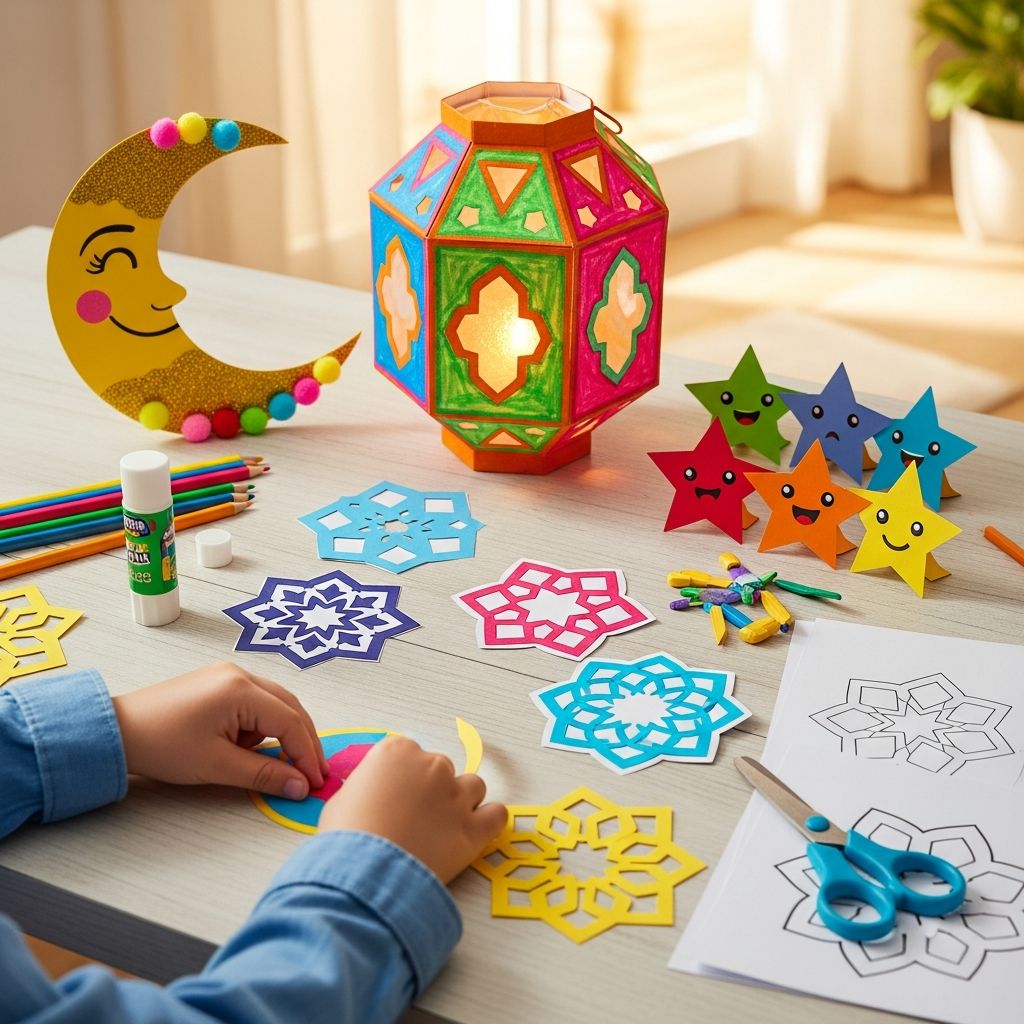
Ramadan is a month filled with reflection, prayer, and community, but for children it is also a time of curiosity, questions, and wonder. Coloring pages and simple printable activities can turn that curiosity into meaningful learning while keeping little hands happily busy. This guide offers original ideas for Ramadan-themed printables you can design or download, plus practical tips on using them at home, in the classroom, or at community events.
Why Coloring Pages Work So Well During Ramadan
Coloring pages look simple, but they can be powerful tools for teaching children about the spirit and values of Ramadan. When kids color mosques, lanterns, dates, or kind deeds, they start to form visual connections between what they see, what they do, and what they feel.
- They help children slow down and focus, which fits the quiet, reflective mood of Ramadan.
- They create natural openings for conversations about fasting, charity, and gratitude.
- They give younger children who are not yet fasting their own special way to “participate.”
Instead of treating coloring sheets as busywork, think of them as conversation starters. A single lantern on a page can spark a talk about light, guidance, and hope.
Planning Your Ramadan Printable Pack
Before you start collecting or designing pages, decide how you want your printable activities to support your family or students over the month. A small amount of planning helps you choose pages that feel purposeful rather than random.
- Age group: Are your children toddlers, early readers, or older kids who can write short reflections?
- Time available: Will you use printables mostly on weekends, after school, or in the hour before iftar?
- Goals: Do you want to focus on learning basic facts, building habits (like kindness), or celebrating creativity?
| Age Range | Recommended Printables | Skills Emphasized |
|---|---|---|
| 3–5 years | Simple coloring pages (lanterns, crescent moons, dates), tracing lines and shapes, large-picture matching sheets. | Fine motor control, color recognition, early Ramadan vocabulary. |
| 6–8 years | Coloring scenes, “spot the difference” pages, kindness charts, basic word searches with Ramadan words. | Reading practice, attention to detail, habit-building. |
| 9–12 years | Color-and-journal pages, short reflection prompts, design-your-own bookmark or lantern templates. | Self-reflection, creative planning, written expression. |
Types of Ramadan Coloring Pages to Create
There is no single “right” set of images to include in a Ramadan coloring pack. The key is to choose visuals that feel warm, welcoming, and gentle, while connecting to the core themes of the month. Here are ideas you can mix and match.
Peaceful Night and Moon Scenes
Ramadan follows the lunar calendar, so children naturally notice the moon. Coloring pages that show a crescent moon and stars over a quiet city, a family looking through a window, or an open sky can help them remember how the month begins and ends.
- Include large, simple moon and star shapes for younger kids to color with crayons or markers.
- Add subtle details for older kids, such as hills, rooftops, or a calendar border they can decorate.
Mosques, Prayer Spaces, and Community
A mosque does not need to look complex to be meaningful. A simple outline with domes and minarets, a doorway, and a path leading to it can be enough to invite imagination. Children might color the walkway, add flowers, or draw themselves and their friends arriving for prayer.
- Offer a basic mosque outline and leave some empty sky for children to add clouds, birds, or lanterns.
- For older kids, design a “decorate the mosque” page where they create window patterns or tile designs.
Food, Sharing, and Iftar Moments
Ramadan is strongly associated with meals taken before dawn and after sunset. Children are often fascinated by the special foods and table settings they see. Coloring pages of simple iftar scenes can reinforce the idea of gratitude and sharing.
- Draw plates of dates, cups of water or juice, and a plain tablecloth that kids can decorate.
- Create a “build an iftar table” page with separate cut-out items kids can color and glue to a blank table.
Kindness, Charity, and Good Deeds
Ramadan is also about generosity and being gentle with others. Printable coloring sheets can display scenes of kindness in ways that children easily understand. These images help make abstract ideas like charity more concrete.
- Show a child giving a bag of food, sharing toys, or helping a parent carry a box.
- Include small “good deed” icons (a heart, a helping hand, a gift) that children can color each time they do something kind.
Beyond Coloring: Interactive Printable Activities
Coloring is only the beginning. When you mix in other types of printables, you create a more rounded experience that engages both imagination and thinking skills. The following ideas are easy to adapt to different ages.
Ramadan Good Deeds Chart
A good deeds chart is a simple grid with days of the week, small symbols, or blank spaces. Children color one symbol each time they perform an act of kindness or complete a small goal. Over the weeks, they see their efforts grow into a colorful pattern.
- Include rows for “kind words,” “helping at home,” and “sharing” so children can visualize different kinds of good deeds.
- Allow children to choose their own color for each type of deed to give them ownership and pride.
Color-and-Count Worksheets
Younger kids benefit from combining basic math with new vocabulary. Simple pages with groups of lanterns, stars, or dates that children count and color introduce both numbers and Ramadan symbols without feeling like homework.
- Ask children to color three lanterns blue, four lanterns yellow, and so on.
- Use short written prompts so early readers can practice reading and following instructions.
Printable Bookmarks and Door Hangers
Bookmarks and door hangers feel special because children can actually use them every day. Printable templates with open spaces for coloring and writing small messages work well both as quiet-time crafts and as gifts for siblings or grandparents.
- Design a bookmark with a small mosque outline at the bottom and a long empty space above it for patterns.
- Create a door hanger that children can color and customize with phrases like “Quiet time” or “Reading Qur’an.”
Combining Art and Conversation
The most powerful part of any Ramadan printable is not the paper itself, but the discussions that naturally happen around it. Use each coloring page or activity as a chance to gently introduce ideas in simple language suited to your child’s age.
- Ask open questions such as, “What do you think is happening in this picture?” or “How do you think the people feel?”
- Share short stories from your own experiences of Ramadan that connect to the image they are coloring.
Try to keep the tone calm and encouraging. Children learn well when they feel safe to ask questions, make mistakes, and explore without pressure.
Tips for Printing and Organizing Your Pages
A little organization makes it easier to use printables throughout the month without scrambling each evening. You do not need expensive supplies to build a fun Ramadan activity corner for your kids.
- Print a small stack of pages before Ramadan begins and store them in a labeled folder or binder.
- Keep crayons, colored pencils, and a few washable markers in a basket nearby.
- Set up a display area—such as a corkboard or section of a wall—for finished pages.
If ink is limited, choose outlines with fewer details so children can still enjoy coloring without needing many pages. You can also print two smaller images on one sheet to reduce paper use.
Creating a Ramadan Art Wall
Displaying children’s artwork sends a powerful message that their efforts matter. A Ramadan art wall or gallery can become a daily reminder of their growth and reflections during the month.
- Choose a space where children will see their work often, such as near the dining table or by the door.
- Rotate artwork every few days so each new piece gets attention and appreciation.
- Invite children to pick their favorite page of the week and explain why it means something to them.
To make the gallery more interactive, add small labels under some pieces where children can write a word or sentence about what the picture represents to them.
Adapting Printables for Classrooms and Community Events
Ramadan printables are not only for homes. Teachers and community organizers can use them in classrooms, after-school programs, or mosque gatherings. A few simple adjustments make them easier to manage in a group setting.
- Choose designs with bold outlines and limited tiny details so young children can color quickly during short sessions.
- Prepare a variety of difficulty levels so older kids feel challenged while younger ones are not overwhelmed.
- Offer optional writing spaces where children who are ready can add a word, a du’a, or a sentence about the picture.
Group displays, such as a collective Ramadan mural made from individual coloring pages, can help children feel part of something larger than themselves.
Accessibility and Inclusion Considerations
Every child experiences Ramadan differently. When designing or selecting printables, aim for flexibility so children with different abilities and learning styles can participate.
- Use clear, thick outlines that are easier for children with fine motor challenges or visual impairments.
- Offer alternative materials such as stickers, sponge stamps, or larger coloring tools instead of only thin pencils.
- Allow children to dictate their reflections or thoughts while an adult writes them in the blank spaces.
Inclusive activities ensure that no child feels left out, whether or not they are fasting or reading independently yet.
Sample Weekly Structure Using Ramadan Printables
You do not need to use printables every day to see benefits. A simple weekly rhythm can give kids something to look forward to while leaving plenty of time for other activities, reading, and rest.
| Day | Activity | Focus |
|---|---|---|
| Monday | Color a moon-and-stars scene. | Introduction to the lunar calendar and Ramadan nights. |
| Wednesday | Fill in a good deeds chart. | Kindness, responsibility, and habit-building. |
| Friday | Design and color a mosque bookmark. | Creativity and connecting reading to worship. |
| Sunday | Color an iftar table together as a family. | Gratitude for food and togetherness. |
This kind of structure can be repeated with new designs each week, keeping the activities familiar but fresh.
Frequently Asked Questions (FAQ)
1. How many Ramadan coloring pages do kids really need?
There is no magic number, but a small set used well is more valuable than a huge stack no one finishes. A dozen thoughtfully chosen pages—mixed between simple coloring sheets, charts, and small crafts—can easily carry a family through the month when spread out over different days.
2. When is the best time of day to use Ramadan printables?
Many families find that the quieter times of day work best: after school, in the late afternoon when energy is lower, or in the calm period before iftar. Choose a window when children are not overly tired or hungry so they can enjoy the activity and the conversation that goes with it.
3. What if my child just wants to color and does not want to talk?
That is perfectly fine. Coloring itself is calming and can still help children absorb the symbols, shapes, and feelings of Ramadan. You can offer short comments or stories without pushing for questions, and over time many children will start making their own connections.
4. Can non-Muslim children use Ramadan coloring pages?
Yes. Simple, respectful images of mosques, moons, lanterns, and kind deeds can be a wonderful way for children of all backgrounds to learn about a major religious tradition. Teachers can use these pages to support lessons on world cultures, empathy, and respect.
5. How can older kids stay interested in printables?
Older children often enjoy more control and complexity. Offer them design challenges such as creating their own lantern pattern sheet, writing short reflections next to a colored image, or turning a coloring page into a card or mini poster for someone else.
Bringing It All Together
Ramadan coloring pages and printables for kids do more than fill time. When chosen and used thoughtfully, they can introduce children to the gentle rhythm of the month, encourage small daily acts of kindness, and give families shared moments of calm creativity. With simple outlines, flexible prompts, and space for conversation, these activities help even the youngest children feel included in the beauty and meaning of Ramadan.