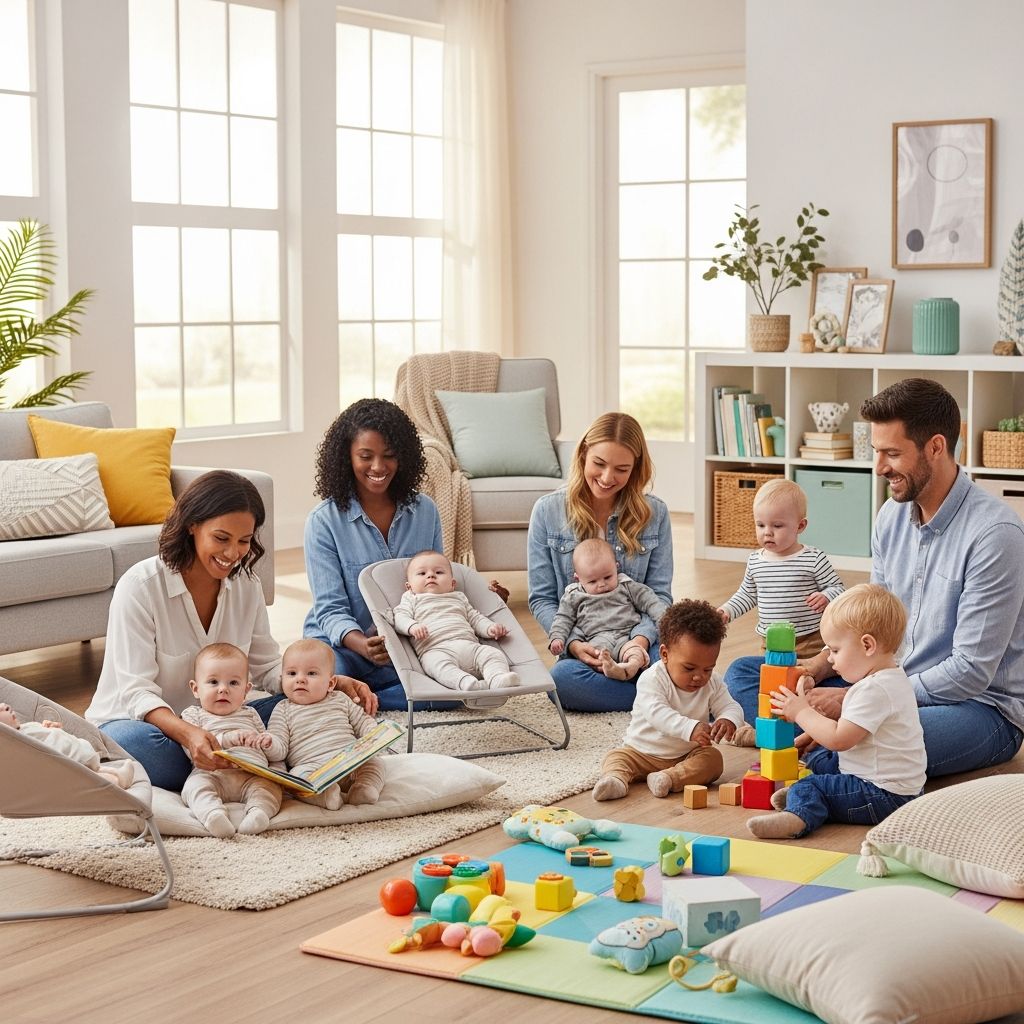
Welcoming twins, triplets, or more into your family doubles—or triples—the love, but it also multiplies the daily demands. Parents of multiples often navigate a whirlwind of feedings, sleep schedules, and emotional adjustments while cherishing the instant sibling connections that form.Success hinges on preparation, teamwork, and self-compassion, turning potential chaos into manageable joy.
Embracing the Double Delight: Emotional Realities of Multiples
The emotional landscape of parenting multiples is rich and varied. Joy surges from watching your babies interact from day one, their unique bond a source of endless fascination. Yet, fatigue and guilt can creep in when time for each child feels scarce, especially if older siblings are in the mix. These feelings are normal and speak to your deep investment in your family’s well-being.
Research highlights how such dynamics influence family health. Children in stable two-parent homes often benefit from modeled positive relationships, reducing stress and enhancing emotional security.Parental stress levels can rise with multiples, but positive predispositions toward larger families correlate with higher life satisfaction and lower rumination, according to studies on parental psychology.
- Anticipate waves of exhaustion: Newborn multiples demand round-the-clock care, disrupting sleep and personal time.
- Celebrate sibling synergy: Multiples often develop advanced social skills early, comforting each other during fussy periods.
- Address guilt proactively: It’s common to mourn ‘one-on-one’ moments lost, but quality interactions matter more than quantity.
Building a Solid Foundation: Partner Collaboration in Larger Families
A united front between partners is crucial when raising multiples. Shared responsibilities prevent burnout and model healthy teamwork for children. Successful families prioritize joint decision-making, from dividing night shifts to planning family outings.
Studies affirm that two-parent households provide emotional buffers, with children showing better academic outcomes and fewer risky behaviors due to consistent support. Financially, dual incomes ease pressures, allowing investments in education and health—vital for multiples’ needs.
| Challenge | Team Strategy | Benefit to Family |
|---|---|---|
| Sleep deprivation | Alternate night duties | Both parents rested, responsive |
| Decision overload | Weekly planning sessions | Aligned goals, less conflict |
| Emotional strain | Daily check-ins | Stronger bond, secure kids |
Conflict resolution is key; approaching disagreements calmly teaches children resilience. External support, like family networks, further balances work-family demands.
Mastering Daily Logistics: Routines for Harmony
Structured routines transform the frenzy of multiples into predictable flow. Start with synchronized feedings and naps, syncing cycles to free moments for rest or chores. Designate home zones: a calm sleep corner, play area for stimulation, and quiet spot for older kids’ homework.
Streamline tasks to cut stress. Batch-prepare meals, use multi-baby carriers for outings, and rotate toys to maintain engagement without clutter. A realistic budget covers diapers (doubled!), gear, and healthcare—consult advisors for family-specific plans.
- Feedings: Cluster every 2-3 hours; use pillows for tandem nursing or bottle propping safely.
- Sleep: Shared cribs initially (back-to-sleep safe), transitioning to separate as they grow.
- Baths: Group or alternate to save time, turning it into bonding play.
- Outings: Double strollers and organized diaper bags prevent meltdowns.
Financial Navigation: Budgeting for a Bigger Brood
Multiples amplify costs—formula, clothing, childcare—but smart planning mitigates this. Track expenses categorically: essentials (diapers ~$100/month per baby), medical (extra appointments), and extras (toys shared efficiently).
Two-income stability aids access to quality care and education, linked to better child outcomes. Seek tax credits for dependents, bulk buys, and hand-me-down networks. Long-term, invest in education funds early.
- Prioritize needs: Formula over fancy gadgets.
- Leverage resources: Multiples clubs offer swaps and advice.
- Build emergency funds: Unexpected NICU stays happen.
Nurturing Individuality Amid the Pair
Each multiple is unique, with distinct personalities emerging early. Honor this by noting preferences— one may love rocking, another swaddling. Tailor interactions to boost self-esteem; a 2016 study links parental attunement to higher emotional intelligence.
Schedule solo time: 10 minutes daily per child for reading or walks builds deep bonds. Compare less; celebrate differences to foster secure identities. As they grow, separate classrooms if possible to encourage independence.
Spotting and Supporting Uniqueness
- Observe cues: Track sleep, feeding, cries individually.
- Personalize: Custom nicknames, toys matching interests.
- Encourage peer play: Beyond multiples, diverse friends aid growth.
Health and Growth Milestones: What to Watch
Multiples may share womb experiences but diverge post-birth. Monitor growth charts separately; preterm common, requiring NICU vigilance. Vaccinations, well-checks double up—pediatricians versed in multiples help.
Developmentally, they hit milestones together often, spurring each other, but address delays promptly. Nutrition scales with activity; solids introduce simultaneously for ease.
Enlarging the Family: Integrating Older Siblings
Existing children face adjustment when multiples arrive. Involve them pre-birth via ultrasounds, prepare with books on ‘new babies.’ Assign helper roles: fetching diapers, building pride.
Maintain one-on-one: Special outings prevent resentment. Family meetings air feelings, strengthening bonds. Research shows stable homes with clear roles enhance security.
Self-Care Imperative: Parental Well-Being Sustains All
Parents must recharge to thrive. Nap when babies do, eat nutritiously, exercise briefly. Connect with multiples communities for solidarity—online forums, local groups share wisdom.
Mental health matters; therapy if overwhelm persists. Positive outlooks link to better adjustment. Date nights preserve partnerships, modeling love for kids.
Frequently Asked Questions (FAQs)
Q: How do I manage nighttime feedings with twins?
A: Tag-team with your partner—one feeds while the other sleeps. Sync feeds to lengthen stretches; white noise aids settling.
Q: Will my older child feel left out?
A: Yes, initially, but preparation and dedicated time rebuilds connection. Involve them positively for inclusion.
Q: What’s the best gear for multiples?
A: Double stroller, tandem nursing pillow, convertible cribs. Prioritize versatile, safe items.
Q: How to handle different developmental paces?
A: Track individually, consult pros early. Celebrate each milestone uniquely.
Q: Is it normal to feel overwhelmed?
A: Absolutely—seek support networks. It passes with routines solidifying.
Long-Term Rewards: The Multiples Advantage
Beyond infancy, multiples cultivate empathy, negotiation skills from shared life. Families report profound closeness, lifelong allies formed early. Challenges build resilience, yielding a vibrant home pulsing with laughter and love.
With strategy, raising multiples isn’t just survival—it’s extraordinary flourishing.
References
- Parenting Multiples — Children’s Minnesota. 2023. https://www.childrensmn.org/educationmaterials/parents/article/7761/parenting-multiples/
- The Impact of Two Parent Households on Family Well-being — Riaz Counseling. 2024-05-15. https://www.riazcounseling.com/blog-posts/the-impact-of-two-parent-households-on-family-well-being
- Is the Predisposition to Have More Children Beneficial — PMC (National Library of Medicine). 2022-07-12. https://pmc.ncbi.nlm.nih.gov/articles/PMC9266142/
- A Comprehensive Guide to Managing and Caring for Multiple Kids — Hello Nanny. 2024. https://hellonanny.com/caring-for-multiple-kids/