Parenting young boys often comes with a barrage of preconceived notions that can shape expectations and influence daily interactions. Many believe boys are inherently rough, unemotional, or destined to drift away from family ties as they grow. These ideas, while pervasive, frequently misrepresent the diverse realities of boyhood. Drawing from personal anecdotes, developmental research, and cultural observations, this exploration dismantles these stereotypes to help parents foster genuine connections.
Understanding the Roots of Boyhood Myths
Stereotypes about boys emerge from a mix of media portrayals, generational traditions, and societal norms. For instance, television shows and movies often depict boys as wild adventurers who shun tenderness, reinforcing the idea that masculinity equates to toughness. Yet, child development experts emphasize that such portrayals overlook the full spectrum of male childhood experiences. Boys, like all children, thrive on a balance of play, affection, and guidance tailored to their individual personalities.
Historically, these myths have persisted because they simplify complex behaviors. A common narrative suggests boys require less emotional nurturing, but studies show early emotional validation is crucial for their long-term mental health. Parents who challenge these assumptions report stronger, more resilient sons.
Myth 1: Boys Are Naturally Messier Than Girls
One enduring belief is that boys revel in dirt and chaos, leaving trails of mud and disorder wherever they go. While active play is common, this overlooks hygiene habits formed through consistent routines. Many parents find that with engaging clean-up games and age-appropriate tools, boys maintain tidiness just as well as girls.
- Introduce sensory play with washable materials to channel energy constructively.
- Set clear boundaries using fun timers for tidying sessions.
- Model personal care to demonstrate its value without nagging.
In reality, messiness ties more to personality and environment than gender. Boys who explore outdoors bring home adventures, but teaching responsibility turns potential chaos into pride.
Myth 2: Males Suppress Emotions from a Young Age
The notion that boys are stoic by nature discourages emotional expression, yet young boys display feelings vividly through actions and words. Crying, hugging, or seeking comfort are normal, and suppressing them can lead to later challenges. Encouraging open dialogue builds emotional intelligence essential for adulthood.
Research from child psychologists indicates boys process emotions similarly to girls but may externalize them via physical outlets like running or roughhousing. Parents can support this by naming emotions during play: “You seem frustrated—want to talk or kick the ball?”
Myth 3: Sons Drift Away from Family in Adulthood
A poignant myth claims boys grow up to prioritize independence over family bonds, leaving mothers behind. In truth, lifelong connections depend on nurtured relationships, not gender. Sons who feel secure in childhood often maintain close ties, calling home regularly and valuing parental wisdom.
| Myth | Reality | Parenting Tip |
|---|---|---|
| Boys leave families | Strong bonds endure | Build rituals like weekly calls |
| Girls stay closer | Individual choice matters | Foster mutual respect early |
| Independence means distance | Balance autonomy with connection | Encourage shared hobbies |
Myth 4: Fashion Battles Are Absent with Boys
Unlike the stereotype of girly wardrobe wars, boys supposedly dress without fuss. However, preferences for bold colors or specific themes arise early. Involving them in choices promotes autonomy and reduces resistance, turning dressing into a collaborative adventure.
- Offer limited options: superhero shirts or dinosaur ones?
- Shop together for durable, expressive clothes.
- Celebrate their style to boost confidence.
Myth 5: Teenage Dating Worries Skip Sons
Many assume monitoring daughters’ dates is paramount, while sons roam free. Boys face parallel risks—emotional vulnerability, peer pressure, and safe choices. Open conversations about consent, respect, and boundaries equip them equally.
Statistics from youth health organizations reveal boys benefit from these talks, reducing risky behaviors. Frame discussions neutrally: “Relationships involve mutual care—how do you ensure that?”
The Active Energy of Boyhood: Managing High Spirits
Boys are often labeled hyperactive, but channeled energy fuels creativity and health. Outdoor pursuits, sports, and structured play meet physical needs while teaching discipline. Indoor alternatives like obstacle courses keep vitality in check.
Nutrition plays a role too—protein-rich snacks sustain focus without crashes. Parents note calmer evenings follow active days, debunking the endless-energy myth.
Building Emotional Resilience in Boys
Far from unfeeling, boys crave connection. Vulnerability fosters strength; sharing fears models healthy coping. Storytime with male heroes showing emotions normalizes this, countering tough-guy tropes.
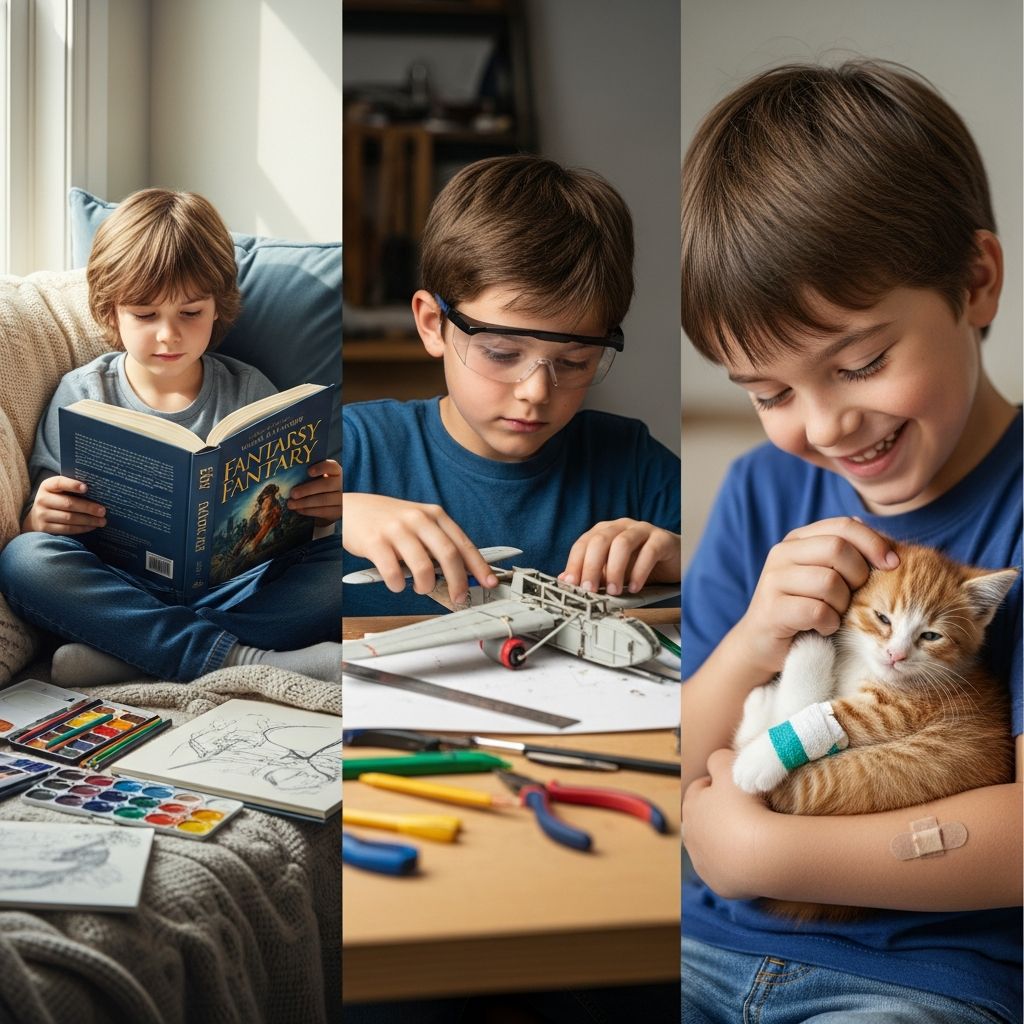
Activities like journaling or art allow non-verbal expression. Over time, emotionally literate boys navigate life with empathy and poise.
Sibling Dynamics: Boys with Sisters and Brothers
Myths suggest boy-girl clashes are inevitable or boy-boy pairs are rougher. Dynamics vary by temperament. Facilitate fair play, intervene in conflicts teachingly, and highlight teamwork to harmonize relationships.
Academic and Social Expectations for Boys
Beliefs that boys lag in school or socially ignore their strengths in hands-on learning. Kinesthetic methods—building models, experiments—engage them deeply. Socially, boys form profound friendships; nurture these for support networks.
Health and Wellness Realities for Young Males
From check-ups to mental health, boys need proactive care. Myths downplay vulnerabilities like anxiety, but routine wellness talks prevent issues. Balanced diets, sleep, and play combat sedentary risks.
Frequently Asked Questions (FAQs)
How can I encourage my son’s emotional expression?
Validate feelings daily, use books with emotional storylines, and create safe spaces for sharing without judgment.
Are boys really more physical than girls?
Many are, but individual energy levels vary. Provide outlets regardless of gender stereotypes.
What if my boy resists cleaning up messes?
Make it playful with music or races; consistency builds habits over time.
Do boys need different discipline approaches?
Firm, empathetic methods work best, focusing on behavior’s impact rather than punishment.
How do I prepare my son for teen relationships?
Discuss respect, communication, and boundaries early through everyday examples.
Empowering Parents to See Boys Clearly
Discarding myths reveals boys as multifaceted individuals needing love, limits, and latitude. Celebrate their uniqueness—curious minds, boundless energy, tender hearts. This approach yields confident, compassionate men.
Through mindful parenting, transform assumptions into appreciations, creating homes where boys flourish authentically.
References
- Child Development Basics — Centers for Disease Control and Prevention. 2024-01-15. https://www.cdc.gov/ncbddd/childdevelopment/positiveparenting/index.html
- Emotional Development in Boys — American Academy of Pediatrics. 2023-06-20. https://www.aap.org/en/patient-care/mental-health-minute/emotional-development/
- Gender Stereotypes in Parenting — American Psychological Association. 2022-11-10. https://www.apa.org/monitor/2022/11/parenting-gender-stereotypes
- Boys and Emotional Health — National Institute of Mental Health. 2025-03-05. https://www.nimh.nih.gov/health/topics/child-and-adolescent-mental-health
- Raising Resilient Children — Harvard Graduate School of Education. 2024-09-12. https://www.gse.harvard.edu/ideas/usable-knowledge/24/09/raising-resilient-children