Understanding the Global Black Family Experience
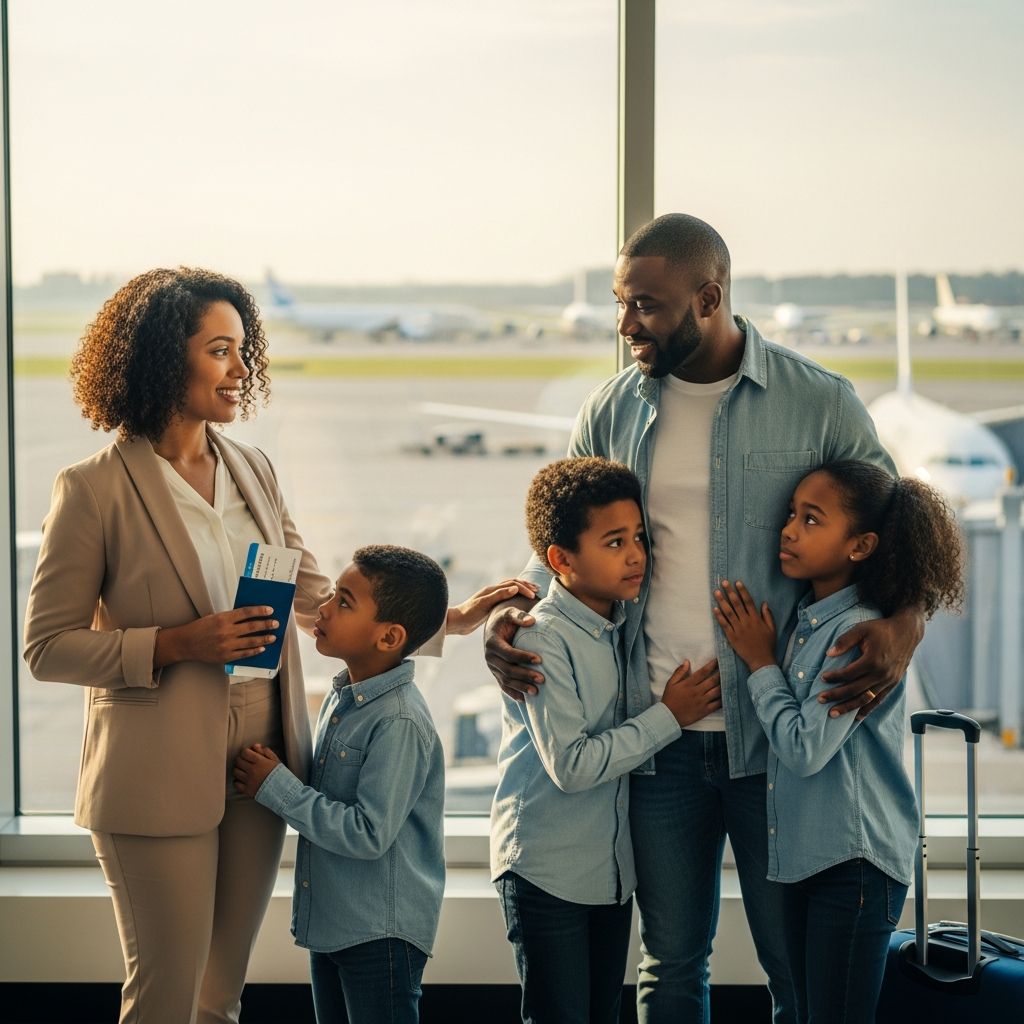
Families of color navigating international relocation face a distinctive set of circumstances that extend beyond the typical challenges of moving to a new country. When Black families choose to raise their children abroad, they contend with questions of identity, belonging, and cultural continuity while simultaneously adapting to unfamiliar social systems and environments. Whether driven by professional opportunities, educational pursuits, or personal aspirations, Black parents abroad must thoughtfully consider how their children will develop a sense of self in spaces where their racial and cultural identity may carry different meanings.
The decision to relocate internationally represents more than a logistical transition—it encompasses emotional preparation, practical planning, and ongoing support for children as they navigate multiple worlds. Parents must balance their desire to expose children to global experiences with the responsibility of grounding them in their heritage and providing stability during significant life changes.
The Complexity of Identity Development in Unfamiliar Contexts
Children raised abroad often become what researchers refer to as third-culture individuals—young people who navigate between their heritage culture, the host country’s culture, and the global cultures they encounter through international communities. For Black children specifically, this triple navigation becomes layered with additional considerations around race, belonging, and historical context.
A critical aspect of identity development involves helping children understand their racial heritage while simultaneously thriving in environments where racial dynamics differ from their parents’ home countries. Parents must engage in proactive conversations about race, racism, and resistance, ensuring children develop pride in their identity rather than confusion or shame. These discussions cannot be postponed; they require ongoing dialogue tailored to each child’s developmental stage and individual temperament.
The challenge intensifies when parents recognize the limitations of their own knowledge. A white parent of Black children, for instance, may need to actively build networks connecting their children with Black mentors, educators, and peers who can provide perspectives and guidance that the parents themselves cannot authentically offer. This recognition represents mature parenting—understanding that protecting children means sometimes stepping aside to allow other trusted adults to provide crucial cultural education and affirmation.
Individualized Preparation Strategies for Each Child
A fundamental truth often overlooked in parenting literature is that effective parenting requires adapting approaches to each child’s unique needs, personality, and developmental readiness. When families move abroad, this principle becomes even more critical. Siblings may require entirely different preparation processes despite sharing the same household and destination.
Some children thrive with minimal preparation and naturally embrace new experiences with confidence and curiosity. Others benefit from detailed, hands-on support involving conversations about daily logistics, social navigation, academic expectations, and emotional coping strategies. Neither approach is inherently superior; the goal is matching preparation intensity to the individual child’s needs.
Consider that a child who has previously traveled internationally and developed comfort with new environments may need less reassurance than a sibling for whom this represents their first international experience. Similarly, children with different attachment styles, anxiety levels, or temperaments will require customized approaches. The parent’s role involves careful observation and honest assessment of each child’s strengths and vulnerabilities.
Practical dimensions of preparation vary significantly. One child might handle their own application processes and travel arrangements independently, viewing parental assistance as intrusive, while another child genuinely benefits from collaborative planning, list-making, and detailed discussions about what awaits them. Respecting these differences honors each child’s autonomy while ensuring appropriate support levels.
Communication as the Foundation for Successful Transitions
Effective communication represents perhaps the single most important tool parents possess when supporting children through international relocation. This communication must operate on multiple levels and address various dimensions of the transition.
First, parents should provide age-appropriate but honest information about what children will encounter. Surprises and shocks can be traumatic for young people already managing the stress of cultural adjustment. When children understand what to expect—from climate and food to social customs and educational systems—they develop realistic frameworks for processing new experiences.
Second, parents must create space for children to express concerns, anxieties, and questions without judgment. In some family cultures, particularly those with authoritarian parenting traditions, children may feel discouraged from voicing doubts or worries. Creating explicit permission for honest dialogue helps parents understand their children’s emotional landscape and provide targeted support.
Third, communication should explicitly address race and identity in developmentally appropriate ways. Rather than assuming children will naturally understand how their racial identity intersects with their new environment, parents should facilitate conversations about potential microaggressions, cultural differences in racial dynamics, and strategies for maintaining positive self-identity. These conversations require ongoing refinement as children mature.
Building and Maintaining Connection Networks
One of the most underestimated challenges for families abroad involves the disruption of the “village” that traditionally supports child-rearing. Extended family, established friendships, trusted mentors, and institutional supports suddenly disappear or become accessible only through technology.
Intentional connection-building becomes essential. Parents should establish concrete systems for children to maintain relationships with loved ones left behind—regular video calls, written correspondence, planned visits, and shared online projects can help preserve important relationships. The key is creating specific, achievable plans rather than vague intentions. Children are more likely to stay connected when they have assigned responsibility for reaching out to particular people at scheduled intervals.
Simultaneously, parents must actively work to build new community connections in their host country. For Black families, this might involve seeking out Black community organizations, churches, cultural centers, and social groups that can provide cultural affirmation and mentorship. These connections offer more than social benefits; they provide children with role models, cultural grounding, and a sense of belonging within their racial community in a new context.
Navigating Practical and Emotional Dimensions of Relocation
The logistics of international relocation can overwhelm families, particularly when both parents work multiple jobs, manage financial stress, and contend with the normal demands of parenting. The accumulation of practical concerns—housing, education enrollment, work permits, healthcare registration—can leave limited emotional energy for supporting children’s adjustment.
Parents benefit from acknowledging this reality rather than believing they should seamlessly manage everything. Seeking support from community organizations, schools, and other families who have navigated similar transitions reduces the burden on individual parents. Many schools and expatriate communities offer orientation programs, buddy systems, and family support services specifically designed to ease transitions.
Additionally, parents should monitor their own emotional well-being. Parental stress, anxiety about safety, or unresolved grief about leaving their home country inevitably affects children. Taking time for self-care, maintaining adult relationships, and seeking counseling when necessary enables parents to show up more effectively for their children.
Addressing Unique Challenges for Adopted Children
Black children who joined families through adoption carry their own specific considerations when facing international relocation. These children may have experienced previous separations, losses, or disruptions that make new transitions particularly challenging. An international move, while intended to be positive, can reactivate trauma or trigger anxiety related to earlier instability.
Parents of adoptive children should provide extra reassurance about permanence and stability, help children maintain any cultural or familial connections to their birth heritage, and remain patient with any regression or behavioral changes during the transition. Professional support from therapists familiar with adoption and trauma can be invaluable.
Key Strategies for Supporting Child Development Abroad
- Explicit conversation about race and identity—Do not assume children will naturally develop healthy racial identity; actively nurture this through ongoing dialogue and community connection
- Balance protection with appropriate independence—Children need freedom to develop autonomy and resilience, not excessive shielding from normal challenges
- Create communication systems for maintaining home connections—Establish specific, achievable plans for staying connected to loved ones left behind
- Seek mentors and cultural guides—Recognize limitations in what you can provide and actively recruit trusted adults who can offer perspectives and guidance you cannot
- Develop realistic expectations—Acknowledge that adjustment takes time and that setbacks do not indicate failure
- Monitor child behavior and emotional responses—Watch for signs of isolation, anxiety, or identity confusion that may require professional support
- Celebrate growth and resilience—Acknowledge the significant achievements inherent in adapting to new environments
Understanding Third-Culture Kid Benefits and Challenges
Children raised in international contexts develop distinctive capabilities and face unique obstacles. Understanding both dimensions helps parents maintain realistic perspectives during the adjustment process.
Potential Advantages: Children who navigate multiple cultural contexts often develop sophisticated communication skills, cultural flexibility, and a global perspective. They become comfortable managing international travel logistics, adapting to new social situations, and building friendships across cultural and linguistic boundaries. These skills position them well for increasingly interconnected world and create educational enrichment opportunities unavailable to children who remain in single cultural contexts.
Common Challenges: The same international experience that develops resilience can also create feelings of dislocation, difficulty forming stable friendships if relocations occur frequently, identity confusion, anxiety about belonging, language barriers, and sensory overload in radically different environments. Some children experience difficulty repatriating—returning to their passport country—after living abroad, feeling like outsiders in places they expected to feel at home.
Building Realistic Expectations and Managing Worry
Parents often experience significant anxiety about sending children abroad, particularly when concerned about their children’s safety, social adjustment, or exposure to racism and xenophobia. While these concerns warrant attention, excessive worry can communicate anxiety to children and undermine their confidence.
The reality is that many feared difficulties do not materialize. Children often surprise parents with their resilience, flexibility, and capacity to thrive in new environments. Host families, school communities, and even strangers frequently demonstrate kindness and support. While microaggressions and racism certainly occur in many contexts, the assumed inevitability of trauma often exceeds actual experience.
Rather than attempting to predict all possible problems, parents benefit from trusting their children’s capabilities while remaining available for support, building genuine relationships with the local community, and maintaining confidence that their children possess greater resilience than parents sometimes acknowledge.
The Importance of Flexibility and Ongoing Adjustment
Successful parenting abroad requires flexibility in expectations and willingness to adjust strategies based on how the actual experience unfolds rather than how parents anticipated it would progress. Children may struggle with aspects parents expected to be simple, while thriving in areas that seemed challenging. Schools may operate differently than expected. Social dynamics may surprise everyone involved.
Rather than viewing unexpected developments as failures, parents benefit from approaching them as normal aspects of significant life transitions. Flexibility means being willing to modify plans, support children in unexpected ways, and sometimes admit that initial approaches are not working.
Frequently Asked Questions
How can I help my child maintain their cultural identity while living abroad?
Intentionally build connections with cultural community organizations, mentors, and peer groups in your new location. Maintain regular communication with family in your home country, engage in cultural practices at home, and have ongoing conversations about your family’s heritage, values, and history. Recognize that developing a multicultural identity—rather than a single cultural identity—is a healthy outcome of international living.
What should I do if my child struggles to fit in socially after moving abroad?
Initial social difficulty is common and often resolves with time. Provide reassurance that adjustment takes time, help your child identify specific interests or activities where they can meet peers with shared interests, and avoid the temptation to over-rescue. If difficulties persist beyond a few months or include signs of depression or anxiety, seek support from school counselors or child psychologists familiar with expat family dynamics.
How do I prepare my child for potential racism or discrimination abroad?
Have age-appropriate conversations acknowledging that racism exists in most places, help your child develop language and strategies for responding to microaggressions, build community connections that affirm their racial identity, and maintain open communication so your child feels comfortable discussing experiences. Consider connecting with other Black families in your new location who can share their experiences and perspectives.
Should I be concerned about my child losing their home country accent or language?
Language and accent shifts are developmentally normal for children in immersive environments. This adaptation does not indicate loss of identity or disloyalty; rather, it represents flexibility and linguistic intelligence. You can support home language maintenance through deliberate practice, media in your home language, and community connections, while also celebrating your child’s linguistic capabilities.
What if my child wants to return home before our planned relocation period ends?
Homesickness and adjustment challenges are normal, particularly in the first months abroad. Before making major changes, explore what specifically is challenging your child and whether simple modifications might help. That said, your child’s genuine distress warrants serious consideration. Sometimes, returning home is the right choice; other times, pushing through initial difficulty with strong support leads to positive outcomes. Professional counseling can help you distinguish between normal adjustment and genuine maladjustment requiring intervention.
How can single parents manage the additional stress of raising children abroad alone?
Single parents managing international relocation face genuine additional challenges, from financial strain to limited backup support. Prioritize building your support network aggressively—seek out other single parents, utilize school and community resources, and do not hesitate to ask for help. Consider whether counseling, either individual or family-based, might provide valuable support. Remember that asking for help is not weakness; it is essential self-care that enables you to parent more effectively.
References
- Wanting to Give the World to My Children: How It Felt to Send My Black Son and Daughter Abroad — Megan Dowd Lambert, EmbraceRace. Accessed January 2026. https://www.embracerace.org/resources/wanting-to-give-the-world-to-my-children-or-how-it-felt-to-send-my-black-son-and-daughter-abroad-this-summer
- Difficulties Of Raising African Children Abroad with Kemi Seriki — Interview discussion. Accessed January 2026. https://www.youtube.com/watch?v=p45Y575Ls0M
- Raising Future Third Culture Kids — The Black Expat. Accessed January 2026. https://theblackexpat.com/future-third-culture-kids/