Rabies is a rare but extremely serious infection that affects the brain and spinal cord. Once symptoms start, the disease is almost always fatal, but it is also almost completely preventable when the right steps are taken immediately after exposure. This guide explains what every parent needs to know about rabies, animal bites, and how to keep kids safe.
What Exactly Is Rabies?
Rabies is a viral disease that attacks the central nervous system (the brain and spinal cord). It spreads mainly through the saliva of infected animals, most often through bites.
After entering the body, the virus usually multiplies around the bite site and then slowly travels along the nerves toward the brain. Once the virus reaches the brain and symptoms appear, rabies is almost always fatal.
Key facts parents should know
- Cause: Rabies virus (a type of lyssavirus).
- Main route of spread: Bites from infected mammals (dogs, bats, raccoons, skunks, foxes, and others).
- Fatality: Nearly 100% once symptoms begin, but preventable with prompt care.
- Prevention: Vaccinating pets, avoiding wild animals, and quick medical care (post-exposure prophylaxis) after a bite.
How Children Are Exposed to Rabies
Children often love animals and may try to pet or play with them, even when they seem sick or aggressive. This makes kids more likely to be bitten or scratched and less likely to report minor injuries right away.
Common sources of exposure
- Domestic animals: Unvaccinated dogs and cats are a major source of rabies in many countries.
- Wild animals: Bats, raccoons, skunks, foxes, and other wild mammals can carry the virus.
- Bat encounters: Any direct contact with a bat, or even waking to find a bat in a room with a sleeping child, can be considered a possible exposure and needs medical advice.
Ways the virus can enter the body
- Bites: The most common route. The virus in saliva enters through broken skin.
- Scratches: If the claws are contaminated with saliva from a rabid animal.
- Saliva on broken skin or mucous membranes: Licks on open cuts, the mouth, eyes, or nose can pose risk.
Rabies is not spread through casual contact such as petting a healthy-appearing animal, touching dried saliva, or contact with blood, urine, or feces.
What Happens After a Bite? (Incubation Period)
The time between exposure and the first symptoms is called the incubation period. For rabies, it usually lasts about 1–3 months, but can be as short as one week or longer than a year in rare cases.
Factors that affect how fast rabies appears
- Bite location: Bites on the head, neck, or hands are more dangerous and may lead to faster onset of symptoms because these areas have many nerves and are closer to the brain.
- Depth and number of wounds: Multiple or deep bites allow more virus to enter.
- Amount of virus: Some animals may shed more virus than others.
During this incubation phase, the child looks completely healthy. This is the window when treatment is still highly effective at preventing disease.
Early Warning Signs and Advanced Symptoms
Once symptoms begin, rabies progresses quickly. Early signs are often mild and easy to mistake for common illnesses.
Early (prodromal) symptoms
These may last a few days and can include:
- Fever
- Headache or feeling generally unwell
- Fatigue or weakness
- Anxiety or irritability
- Tingling, burning, or pain at the site of the bite, even if it looks healed
Progressive neurological symptoms
As the virus spreads through the brain and spinal cord, more serious symptoms appear:
- Confusion and agitation
- Hallucinations or unusual behavior
- Difficulty swallowing and fear of drinking fluids (hydrophobia)
- Excess saliva or drooling
- Muscle spasms or seizures
- Weakness or paralysis
Once this stage begins, survival is extremely rare, even with intensive hospital care.
Why Rabies Is an Emergency
Unlike many infections, rabies is almost 100% preventable if treated before symptoms appear, but almost 100% fatal once they start.
| Stage | Child’s appearance | Chance to prevent death |
|---|---|---|
| Right after exposure (hours–days) | Looks normal, has fresh bite or scratch | Excellent if wound is cleaned and PEP is started quickly |
| Incubation (weeks–months) | Appears healthy, no symptoms | Excellent if PEP is given before symptoms appear |
| Symptomatic rabies | Shows neurologic or behavioral symptoms | Extremely poor; disease is almost always fatal |
First Aid Steps After a Possible Rabies Exposure
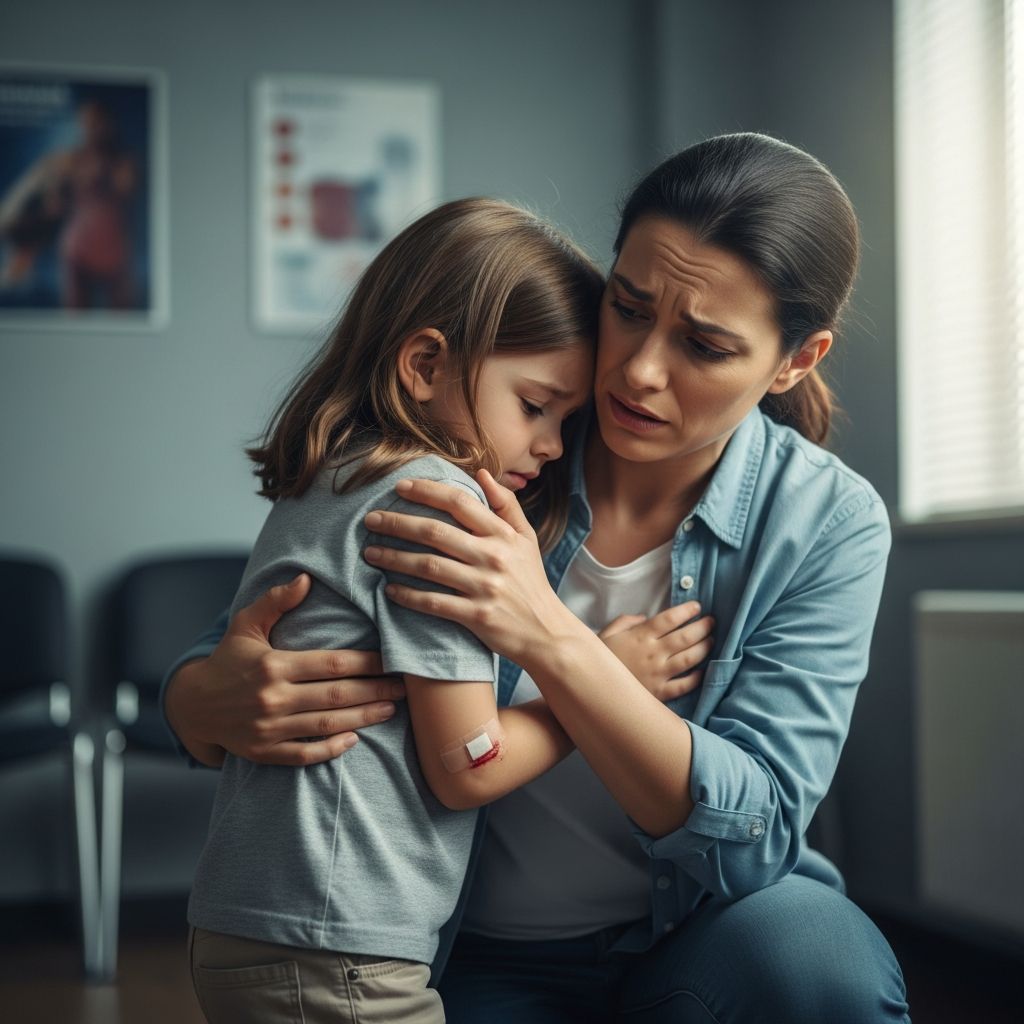
If your child is bitten, scratched, or licked on broken skin by a mammal that could have rabies, act immediately. Do not wait to see whether the animal “looks sick.”
Step 1: Thorough wound washing
- Rinse the wound right away under running water.
- Wash gently but thoroughly with soap and lots of water for at least 15 minutes if possible.
- If available, after washing with soap and water, a disinfectant such as povidone-iodine can be used around the wound.
Step 2: Seek urgent medical care
- Contact your child’s doctor or go to an urgent care or emergency department immediately.
- Bring details about the animal (type, behavior, vaccination status, whether it can be observed or tested).
- Follow all medical advice about vaccinations and other treatment.
Step 3: Report the animal when advised
- Health professionals may involve animal control or public health authorities to find or test the animal and identify other people at risk.
Post-Exposure Prophylaxis (PEP): Life-Saving Treatment
Medical care after a possible exposure is called post-exposure prophylaxis (PEP). It stops the virus before it reaches the brain.
What PEP usually includes
- Thorough wound care: Cleaning the bite or scratch as described above.
- Rabies immune globulin (RIG or HRIG): A preparation of antibodies that gives immediate, short-term protection while the vaccine starts working.
- Rabies vaccine: A series of injections that helps the child’s immune system produce its own long-lasting antibodies to the virus.
How the shots are given
- Rabies immune globulin: For children who have never been vaccinated against rabies before, this is usually given once, as soon as possible, directly into and around the bite wound, with any remaining amount injected into a muscle away from the vaccine site.
- Rabies vaccine: Typically given in the upper arm muscle over a set schedule of several doses (for example, four doses over two weeks for previously unvaccinated people).
When PEP is started promptly and completed as recommended, it is nearly 100% effective at preventing rabies.
Diagnosing Rabies Once Symptoms Appear
There is no single simple test to diagnose rabies early. Once symptoms develop, doctors may use specialized tests on saliva, skin, or spinal fluid, often in consultation with public health laboratories.
However, the critical point for parents is that waiting for test results before starting PEP can be dangerous when exposure risk is significant. Doctors base the decision to treat mainly on the type of contact and the animal involved.
Can Rabies Be Treated After Symptoms Start?
Unfortunately, once a child develops clinical rabies, there is no widely effective cure. Treatment focuses on keeping the child comfortable and managing symptoms, often in an intensive care unit.
Very rare survival cases have been reported, but they often involve severe long-term neurological problems and intensive, experimental treatments. Current medical guidance emphasizes prevention through PEP, not treatment of established disease.
Protecting Your Child: Prevention Strategies
The best way to keep children safe is to reduce the chance of exposure and ensure they know how to behave around animals.
1. Vaccinate pets and follow local rules
- Keep your dogs and cats up to date on rabies vaccines as required by your local regulations.
- Avoid contact between pets and wild animals whenever possible.
2. Teach kids safe animal habits
- Do not approach unfamiliar dogs or cats, even if they seem friendly.
- Never try to pet or catch wild animals, especially bats, raccoons, skunks, or foxes.
- Do not tease, chase, or disturb animals while they are eating, sleeping, or caring for babies.
- Tell an adult immediately about any animal bite or scratch, even if it seems small.
3. Special caution with bats
- Never touch a bat, alive or dead.
- If a bat is in a room with a sleeping child, a young child, or someone who cannot report a bite, seek medical advice about rabies risk.
4. Pre-exposure vaccination for high-risk situations
Pre-exposure rabies vaccination may be recommended for:
- Veterinarians and animal handlers
- Laboratory workers handling rabies virus
- People traveling to areas where dog rabies is common and access to medical care is limited
Even after pre-exposure vaccination, medical evaluation and additional vaccine doses are usually needed after a bite.
When to Seek Immediate Medical Help
Contact a doctor or go to an emergency department right away if:
- Your child is bitten or scratched by any wild mammal.
- Your child is bitten by a dog, cat, or other pet whose rabies vaccination status is unknown or out of date.
- A bat has been in close contact with your child, especially if a bite or scratch cannot be ruled out.
- You are unsure whether a wound could be risky—medical professionals can help assess the situation.
Frequently Asked Questions (FAQs)
How soon after a bite should my child get rabies shots?
Rabies medical care should begin as soon as possible after a potential exposure. The first steps are thorough wound cleaning and urgent medical evaluation for PEP. Starting treatment quickly offers the best chance to prevent infection.
If the bite is small and stops bleeding, is it still dangerous?
Yes. Even small punctures can allow the virus to enter. Any bite or scratch from a possibly rabid animal should be taken seriously. Wound size does not reliably predict risk, so medical advice is always recommended.
What if the animal looks healthy?
Many animals with rabies may not appear obviously sick at first. Decisions about PEP are based on the type of animal, the circumstances of the bite, and local rabies patterns, not just how the animal looks. Health professionals or public health authorities may arrange to observe or test the animal when possible.
Are rabies shots safe for children?
Modern rabies vaccines are inactivated (they do not contain live virus) and have an excellent safety record in both adults and children. Side effects are usually mild, such as soreness at the injection site or low-grade fever.
Can my child get rabies from another child?
Human-to-human transmission of rabies is extremely rare and essentially limited to organ transplantation cases. Everyday contact, including playing, hugging, or sharing items, does not spread rabies.
If we start PEP and later learn the animal was healthy, was it unnecessary?
In situations where the risk is significant, beginning PEP promptly is far safer than waiting. If later testing or observation proves the animal was not rabid, further doses may sometimes be adjusted, but those decisions are made by your healthcare provider in consultation with public health authorities.
References
- Rabies — StatPearls (Rupprecht CE, Hemachudha T, Blanton JD, et al.). 2024-01-05. https://www.ncbi.nlm.nih.gov/books/NBK448076/
- Rabies – Key Facts — World Health Organization. 2023-06-17. https://www.who.int/news-room/fact-sheets/detail/rabies
- About Rabies — U.S. Centers for Disease Control and Prevention. 2024-02-07. https://www.cdc.gov/rabies/about/index.html
- Rabies Infections and Prevention in Dogs — Cornell University College of Veterinary Medicine. 2022-10-12. https://www.vet.cornell.edu/departments-centers-and-institutes/riney-canine-health-center/canine-health-topics/rabies-infections-and-prevention
- Rabies: Diagnosis & Treatment — Mayo Clinic. 2023-04-19. https://www.mayoclinic.org/diseases-conditions/rabies/diagnosis-treatment/drc-20351826
- Rabies: Symptoms, Causes, Vaccine, Treatment, and Prevention — Medical News Today. 2023-08-14. https://www.medicalnewstoday.com/articles/181980