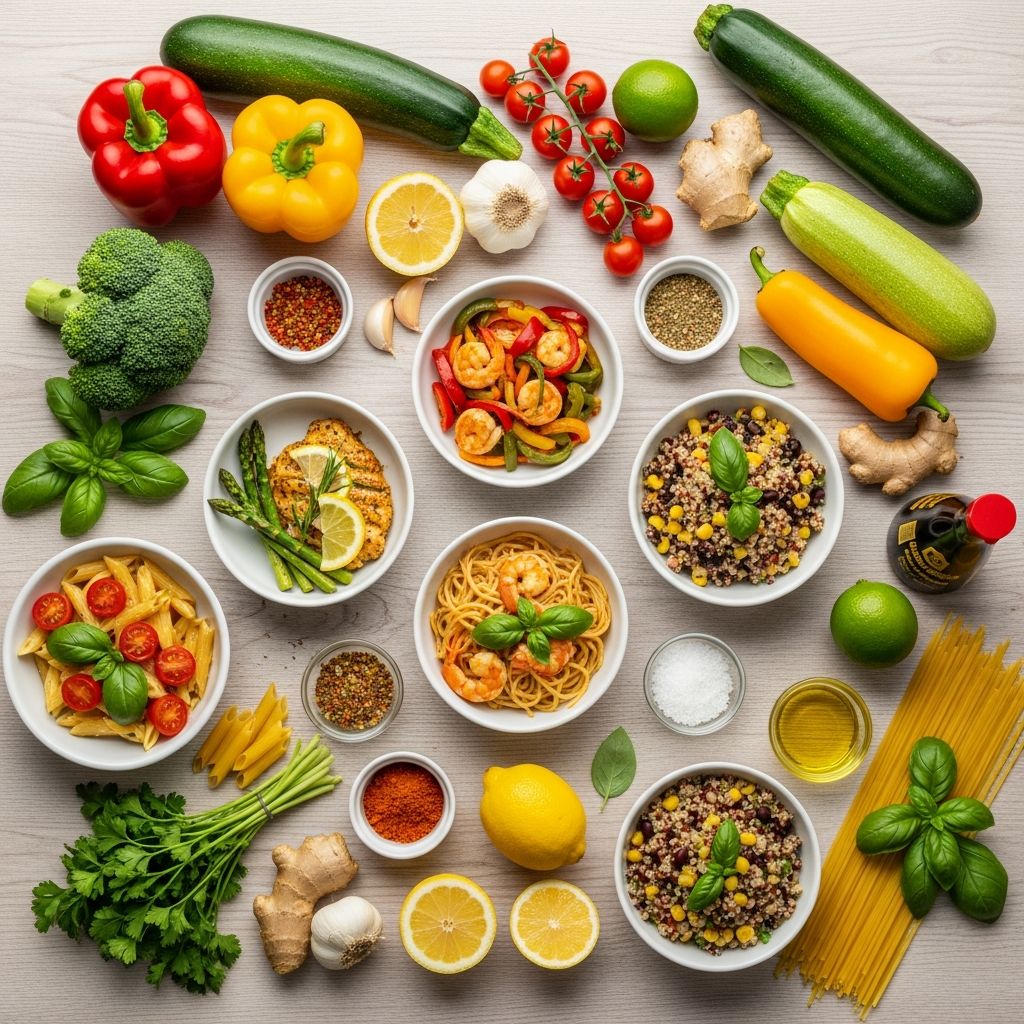
Mastering the Art of Speedy Dinner Preparation
The challenge of preparing dinner after a long day is a universal experience for families juggling work, childcare, and countless other responsibilities. When fatigue sets in and appetites need satisfying, the pressure to deliver a nutritious meal can feel overwhelming. However, the solution lies in understanding that time-efficient cooking doesn’t require sacrificing nutritional value or flavor. By embracing strategic cooking methods and ingredient selection, parents can create satisfying dinners within a tight timeframe.
The foundation of quick dinner success begins with recognizing that speed and nutrition can coexist harmoniously. Rather than defaulting to processed convenience foods or takeout options, a structured approach to meal preparation allows families to enjoy homemade meals that nourish their bodies while respecting their limited time. This approach transforms dinner preparation from a source of stress into an achievable daily task.
Time-Efficient Cooking Methods That Deliver Results
Modern cooking appliances have revolutionized how quickly home cooks can prepare meals without compromising quality. These methods reduce active cooking time and often produce superior results compared to traditional stovetop techniques.
Sheet Pan and One-Pan Cooking
Sheet pan dinners represent one of the most practical approaches to rapid meal preparation. This method involves arranging proteins and vegetables on a single pan, drizzling with oil and seasonings, then allowing the oven to handle the cooking process. The beauty of this technique lies in its simplicity: minimal preparation yields maximum nutrition with virtually no monitoring required during cooking. Proteins such as chicken thighs, salmon, or shrimp pair excellently with seasonal vegetables like broccoli, Brussels sprouts, bell peppers, and root vegetables.
The appeal extends beyond convenience. Sheet pan meals naturally create balanced nutrition by combining lean proteins with fiber-rich vegetables, all achieved through a single cooking vessel that requires minimal cleanup afterward. This method typically takes between 20 and 30 minutes from start to finish, including preparation time.
Air Fryer Advantages
Air fryers have emerged as game-changing appliances for busy households. These devices cook food rapidly using circulating hot air, dramatically reducing cooking times compared to conventional ovens. Chicken tacos, seasoned shrimp, vegetable sides, and even protein-based dishes achieve crispy, appealing textures in mere minutes. The air fryer’s speed combined with its hands-off operation makes it ideal for parents managing multiple dinner-time tasks simultaneously.
Slow Cooker Flexibility
While slow cookers require advance planning, they deserve inclusion in any efficient cooking strategy. The advantage lies in meal preparation occurring during a time when cooking isn’t prioritized, such as morning hours or the previous evening. By evening, a complete, warm meal awaits, requiring only the addition of side dishes or final assembly touches. This approach essentially distributes cooking time across the day rather than concentrating it into a single evening period.
Building a Strategic Pantry for Quick Meals
The difference between a rushed, stressful dinner hour and a smoothly executed meal often hinges on pantry preparation. Stocking specific staple ingredients enables quick assembly of nutritious meals without requiring a special grocery trip for each dinner.
Essential Protein Options
Maintaining diverse protein sources supports variety while enabling speed. Canned beans, frozen shrimp, rotisserie chicken, ground turkey, and canned tuna serve as reliable foundations for countless dishes. These ingredients require minimal preparation and can transform simple vegetables or carbohydrates into complete meals. Quality matters here: selecting premium versions of these staples often improves the final dish without substantially increasing cooking time.
Vegetables: Fresh, Frozen, and Convenient
Frozen vegetables revolutionize quick cooking by eliminating washing, chopping, and prep time while maintaining nutritional integrity. Pre-cut vegetable kits and salad mixes reduce preparation demands even further. Building a rotation of frozen broccoli, mixed stir-fry vegetables, edamame, and corn creates flexibility without requiring advance planning for individual vegetables.
Fresh vegetables with minimal prep requirements also deserve priority in the pantry: cherry tomatoes, bell peppers, and leafy greens add nutritional variety without demanding significant preparation time.
Flavor Foundations and Sauces
Strategic selection of flavor-enhancing ingredients compensates for reduced cooking time. Quality sauces—whether Mediterranean-inspired options with garlic and herbs, Asian varieties with teriyaki or chili-garlic profiles, or classic marinara preparations—can elevate simple protein and vegetable combinations into satisfying dinners. Seasoning blends, olive oil, vinegars, and condiments stored strategically transform basic ingredients into restaurant-quality meals.
Recipe Categories for Rapid Preparation
Stir-Fry and Sauté Variations
Stir-fried dishes represent the quintessential quick dinner solution. By cooking proteins and vegetables simultaneously in a hot pan or wok, multiple components reach completion within 15 minutes. Serving over rice, noodles, or other grains creates a complete meal. The technique’s flexibility allows incorporation of whatever proteins and vegetables are available, making it adaptable to varying pantry inventories.
Casserole-Based Dinners
Certain casserole formats deliver surprisingly quick results despite their traditionally time-intensive reputation. “Dump and bake” approaches where combined ingredients require only oven time—rather than stovetop preparation—collapse total cooking time significantly. These meals benefit from being prepared in advance and reheated, or eaten fresh immediately after baking.
Taco and Wrap Formats
Tacos and wraps offer flexibility that extends cooking speed. Using pre-cooked ingredients, canned beans, pre-shredded lettuce, and jarred salsas allows assembly-style dinner preparation. Individuals can customize their own meals according to preferences, eliminating the need for multiple cooking processes. This format also works well for using leftover proteins from previous meals.
Pasta-Based Dinners
While pasta cooking times remain relatively fixed, the accompanying components can be prepared with minimal time investment. Simple sauce preparations using quality jarred marinara, frozen vegetables, and pre-cooked proteins transform basic pasta into nutritious meals. Broccoli-lemon pasta exemplifies this approach: the florets cook directly in the pasta water while a simple emulsion of olive oil, garlic, and lemon juice creates a light yet satisfying sauce.
Strategic Ingredient Combinations for Success
Understanding which ingredients naturally complement each other enables rapid meal construction without extensive recipe consultation. Building comfort with flavor profiles—Mediterranean, Asian, Latin-inspired, or Italian—provides a framework for improvisation when specific recipes aren’t available.
Mediterranean combinations featuring feta cheese, olives, red pepper sauce, garlic elements, and herb blends create cohesive meals quickly. Asian profiles incorporating chili-garlic sauce, soy-honey combinations, and sriracha work with any protein and vegetable selection. These flavor frameworks reduce decision-making time during meal preparation while virtually guaranteeing satisfying results.
Meal Prep Strategies That Support Quick Dinners
Minimal advance preparation dramatically impacts dinner-hour efficiency. Dedicating 30 minutes on a weekend day to specific prep tasks—washing and cutting vegetables, cooking grains, or preparing protein bases—creates building blocks for multiple quick dinners throughout the week.
Pre-portioned frozen vegetables, cooked proteins, and prepared grains function as meal components requiring only combination and heating during the week. This approach doesn’t require elaborate meal-prep sessions; simple, strategic preparation of specific ingredients supports multiple dinner variations.
Balancing Nutrition in Time-Constrained Meals
Quick cooking doesn’t justify nutritional compromises. Prioritizing lean proteins, vegetables across multiple color categories, and whole grain bases ensures meals deliver sustained energy and satisfaction despite reduced preparation time. The quickest meals often prove nutritionally superior to convenience alternatives due to minimal processing and fresh ingredient incorporation.
Building meals around these principles—adequate protein, substantial vegetable content, and complex carbohydrates—creates dinners that satisfy hunger longer and provide essential nutrients without requiring extended cooking times.
Common Quick Dinner Challenges and Solutions
Limited Ingredient Availability
Maintaining staple proteins, vegetables, and seasonings enables meal creation regardless of specific ingredient availability. Understanding basic substitutions—replacing specific vegetables with frozen alternatives or exchanging one protein for another—eliminates the need for additional shopping trips.
Varying Taste Preferences
Assembly-style meal formats where individuals customize their portions accommodate diverse preferences within a single meal preparation. Tacos, bowls, and wrap-based dinners naturally support this approach, reducing the need for cooking multiple separate meals.
Fatigue and Decision Fatigue
Pre-planned menus or rotating dinner themes reduce daily decision-making demands. Designating specific meal types to specific days—such as “Taco Tuesday” or “Pasta Thursday”—simplifies evening meal choices when mental energy is depleted.
Frequently Asked Questions
Can nutritious meals truly be prepared in under 35 minutes?
Yes, nutritious meals combining lean proteins, vegetables, and whole grains regularly cook within this timeframe using efficient cooking methods like sheet pans, air fryers, or quick stovetop techniques.
What proteins cook fastest for weeknight dinners?
Shrimp, thin chicken cutlets, ground poultry, and canned proteins (tuna, beans) cook most rapidly. Pre-cooked rotisserie chicken also saves considerable time.
How can frozen vegetables support quick, healthy dinners?
Frozen vegetables eliminate washing and chopping time while maintaining nutritional value. They cook quickly and work seamlessly in stir-fries, sheet pan dinners, and pasta dishes.
Are simple sauces sufficient for satisfying weeknight meals?
Absolutely. Simple combinations of quality oil, acid (vinegar or lemon), seasonings, and garlic create flavorful meals. Jarred sauces also provide quick flavor foundations.
What meal formats work best for families with varied preferences?
Assembly-style meals like tacos, wraps, and customizable bowls allow individual preference accommodation within a single meal preparation.
References
- Quick and Easy Dinner Recipes That My Kids Love — Motherly. 2024. https://www.mother.ly/food/quick-and-easy-dinners-my-kids-love/
- 10 Easy Meals for Busy Moms on the Go — Motherly. 2024. https://www.mother.ly/food/meals-for-busy-moms/
- Minimal Effort, Maximum Nutrition: Easy Dinners for Exhausted Moms — Moderately Messy RD. 2024. https://moderatelymessyrd.com/easy-dinner-guide-for-exhausted-moms/
- Dietary Guidelines for Americans 2020-2025 — U.S. Department of Agriculture and U.S. Department of Health and Human Services. 2020. https://www.dietaryguidelines.gov/
- Healthy Eating Plate — Harvard School of Public Health. 2024. https://www.hsph.harvard.edu/nutritionsource/healthy-eating-plate/