Why Push Walkers Matter for Early Development
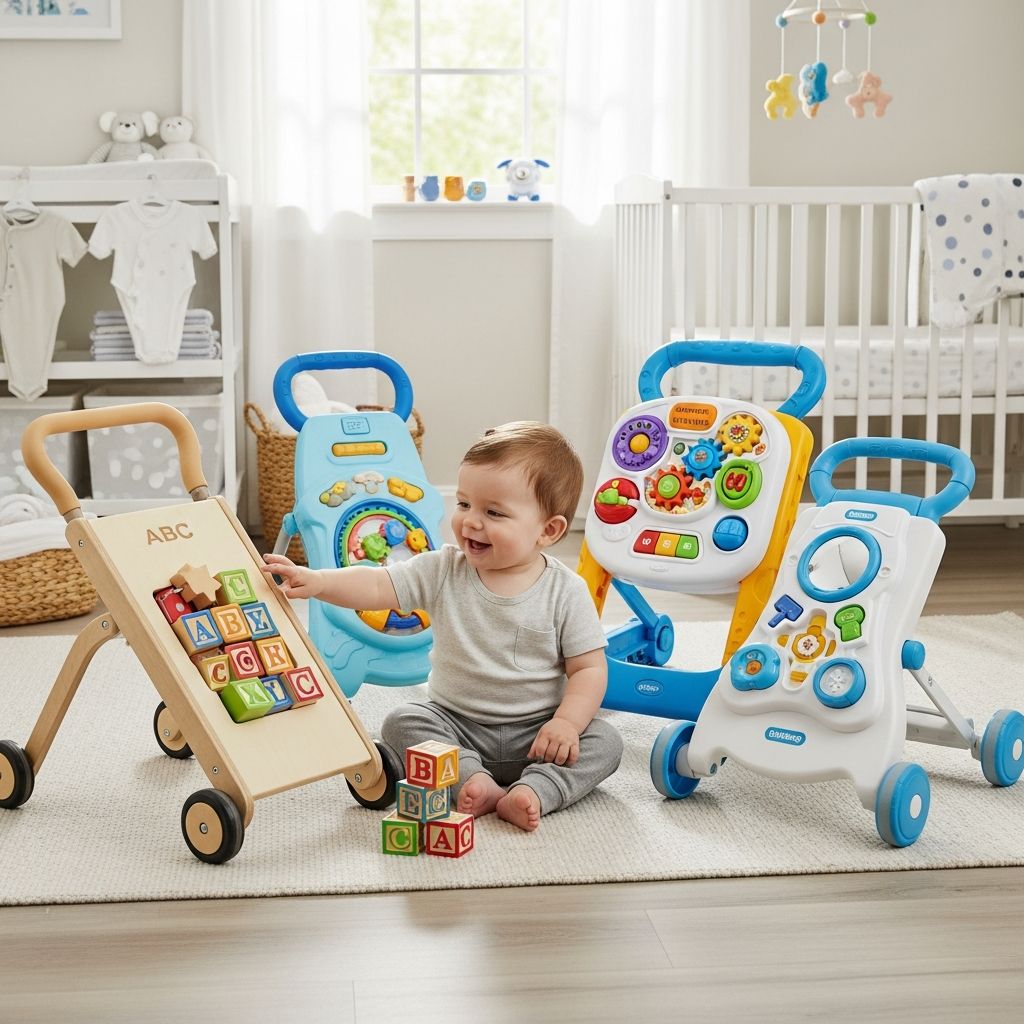
As babies begin to explore their world, push walkers can play a supportive role in their journey toward walking independently. Unlike sit-in walkers, which have been linked to safety risks and developmental delays, push walkers encourage babies to use their own muscles and balance, fostering natural movement patterns and confidence.
Developmental Benefits of Push Walkers
- Push walkers help babies practice balance and coordination as they move forward, building core strength and leg muscles.
- They promote independence, allowing babies to explore their environment at their own pace while gaining self-assurance.
- Regular use can enhance motor skills, preparing babies for more complex movements as they grow.
Safety First: What to Look for in a Push Walker
Choosing a safe push walker is essential for protecting your baby while they learn. Key safety features include:
- Stable, wide base to prevent tipping.
- Non-slip wheels or wheel locks for better control on different surfaces.
- Durable materials and absence of sharp edges or pinch points.
- Compliance with recognized safety standards and certifications.
Push Walkers vs. Sit-In Walkers: Making the Right Choice
While both types are marketed as walking aids, push walkers are generally considered safer and more beneficial for development. Sit-in walkers can pose risks such as falls, tipping, and access to dangerous objects, and may even delay walking by limiting muscle engagement.
| Feature | Push Walker | Sit-In Walker |
|---|---|---|
| Safety | Lower risk of falls and injuries | Higher risk of tipping and accidents |
| Development | Encourages muscle use and balance | May delay walking and muscle development |
| Independence | Promotes self-guided exploration | Restricts movement and exploration |
Best Practices for Using Push Walkers
- Always supervise your baby while they use a push walker.
- Use the walker on flat, hazard-free surfaces and away from stairs or water.
- Limit use to short periods (no more than 15 minutes at a time) to avoid overuse.
- Remove sharp objects, electrical cords, and other hazards from the area.
- Ensure the walker fits your baby’s size and weight, and that their feet touch the ground.
Common Questions About Push Walkers
Are push walkers safe for babies?
Push walkers are generally safe when used with supervision and on appropriate surfaces. Always check for safety features and follow usage guidelines.
Can push walkers help my baby walk sooner?
Push walkers can support walking development by building strength and confidence, but babies will walk when they are developmentally ready, regardless of walker use.
What age is best for a push walker?
Push walkers are best for babies who can stand and cruise independently, typically around 9–12 months. Avoid using them before your baby can sit or after they walk confidently.
Can push walkers be used outdoors?
Push walkers can be used on smooth, safe outdoor surfaces with close supervision. Avoid uneven or slippery terrain.
Do expensive push walkers offer better safety?
Price does not guarantee safety. Focus on stability, wheel locks, and safety certifications rather than brand or cost.
Final Thoughts: Supporting Your Baby’s Journey
Push walkers can be a valuable tool in your baby’s development, offering support and encouragement as they learn to walk. By prioritizing safety, choosing the right features, and using the walker responsibly, you can help your baby build confidence and independence in a safe environment.