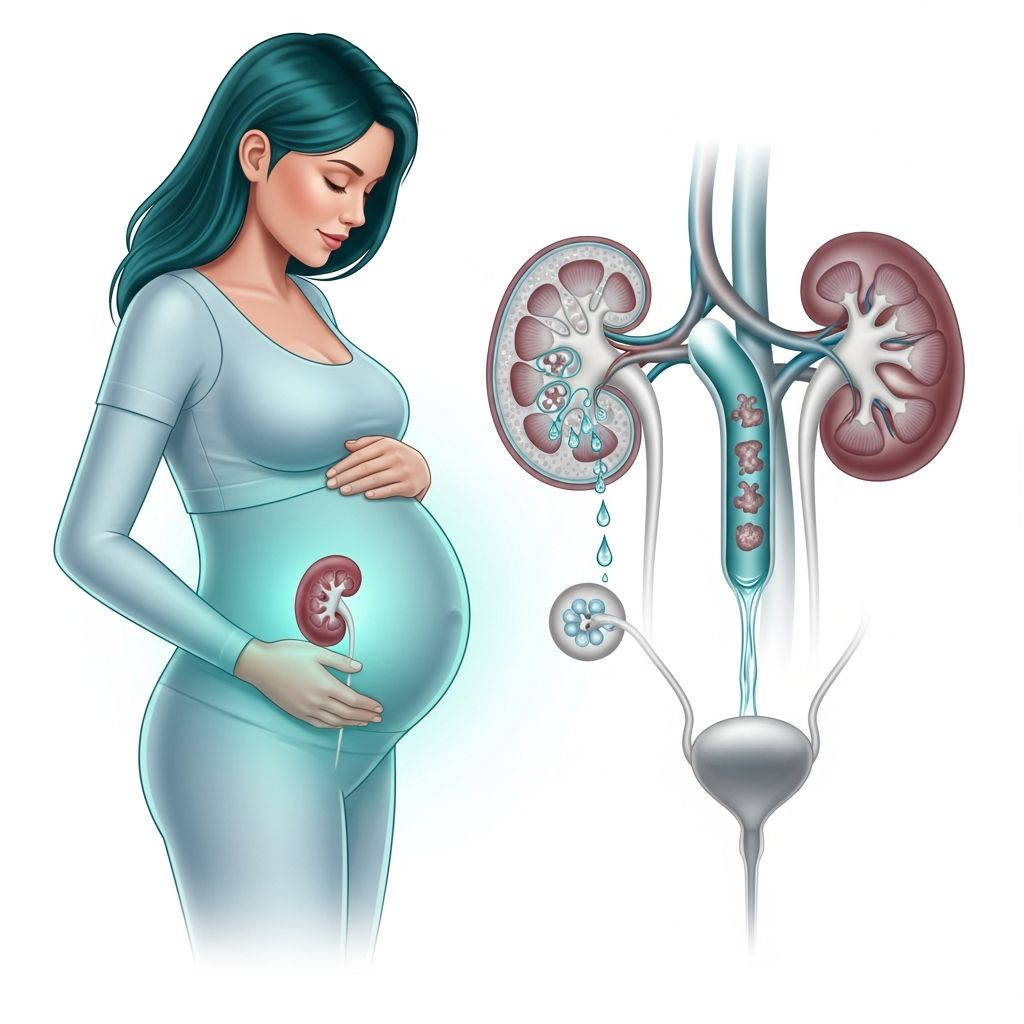
Understanding Protein Presence in Urine During Pregnancy
During pregnancy, your body undergoes profound physiological changes that affect multiple organ systems. One of these systems is your kidneys, which work harder during this period to filter waste products from your blood. Routine urinalysis performed at prenatal visits screens for protein in your urine, a finding that can signal important information about your health status and your developing baby’s well-being.
Proteinuria, defined as the presence of excess protein in urine, occurs in approximately 8% of pregnant women. While small amounts of protein can be normal due to pregnancy-related changes in kidney function, elevated or persistent levels warrant closer investigation and medical attention. Understanding what protein in your urine means and recognizing when it becomes concerning empowers you to advocate for your health and seek appropriate care when needed.
The Physiology Behind Protein Leakage in Pregnancy
Your kidneys function as sophisticated filtration units, removing metabolic waste while preserving essential proteins, electrolytes, and other vital substances in your bloodstream. During pregnancy, the body experiences increased blood volume and higher filtration rates through the kidneys. This enhanced workload can occasionally result in microscopic amounts of protein escaping into the urine—a condition sometimes referred to as “trace protein.”
In most cases, trace protein represents a benign finding that resolves naturally after delivery. However, your healthcare provider monitors this carefully because elevated protein levels—particularly those that persist or increase over time—can indicate underlying conditions requiring intervention. The distinction between harmless trace amounts and clinically significant proteinuria is crucial, as it determines whether additional testing and treatment are necessary.
Identifying Contributing Factors and Risk Conditions
Multiple factors can contribute to protein appearing in your urine during pregnancy, ranging from temporary and benign causes to serious conditions requiring immediate medical attention. Understanding these potential contributors helps you recognize when certain symptoms warrant urgent evaluation.
Temporary and Reversible Causes
- Dehydration: Insufficient fluid intake concentrates urine and can temporarily elevate protein readings. Increasing water consumption may resolve this issue in mild cases.
- Physical Exertion: Strenuous activity or excessive exercise can stress the kidneys and cause transient proteinuria.
- Urinary Tract Infections: Bacteria in the urinary system irritate tissues and trigger protein spillage. Antibiotic treatment typically resolves this form of proteinuria.
- Fever: Elevated body temperature from viral or bacterial infections can temporarily increase protein in urine.
Pregnancy-Specific and Serious Conditions
- Preeclampsia: This pregnancy-specific disorder, characterized by elevated blood pressure and organ strain, represents one of the most serious causes of proteinuria. It typically emerges after the 20th week of pregnancy and requires careful monitoring and management.
- Gestational Hypertension: High blood pressure developing specifically during pregnancy can damage kidney function and cause protein leakage.
- Chronic Kidney Disease: Women with pre-existing kidney conditions face elevated risk of proteinuria during pregnancy, which may worsen kidney function if not carefully managed.
- Diabetes: Both pre-gestational and gestational diabetes, particularly when inadequately controlled, can damage kidney structures and lead to protein loss.
Recognizing Warning Signs and Symptoms
While proteinuria itself often produces no noticeable symptoms, accompanying conditions typically present recognizable warning signs. Vigilance in identifying these indicators enables timely medical evaluation.
Observable Physical Changes
- Foamy, frothy, or bubbly appearance to urine
- Swelling (edema) in hands, feet, face, or abdominal area
- Unexplained or sudden weight gain occurring over days or weeks
- Increased urinary frequency
- Nausea, vomiting, or general feeling of malaise
- Nocturnal muscle cramps
Serious Symptoms Requiring Immediate Attention
- Severe or persistent headaches unrelieved by over-the-counter medications
- Visual disturbances including blurred vision, temporary vision loss, or sensitivity to light
- Shortness of breath or difficulty breathing, suggesting fluid accumulation in lungs
- Upper abdominal pain, particularly on the right side
- Elevated blood pressure readings during home monitoring
If you experience any combination of these symptoms, contact your healthcare provider immediately or seek emergency care. These signs may indicate preeclampsia or other serious conditions requiring urgent intervention.
Diagnostic Approaches and Testing Methods
Your healthcare provider employs several testing strategies to evaluate the presence and significance of protein in your urine. These diagnostic tools provide different information and help guide treatment decisions.
Initial Screening and Further Investigation
During routine prenatal visits, your provider performs a simple dipstick urinalysis to detect protein presence. If protein is identified, further testing typically follows to quantify the amount and assess overall kidney function.
Twenty-four-hour urine collection represents the gold standard for measuring total protein loss. You collect all urine produced over a 24-hour period, storing it in a refrigerated container, then submit it for laboratory analysis. This method provides precise quantification of daily protein excretion.
Urine protein-to-creatinine ratio offers a faster, more convenient alternative that estimates daily protein loss from a single urine sample. This ratio calculation correlates protein levels with creatinine concentration, providing reliable assessment without the need for prolonged collection periods.
Additional Evaluative Tests
Beyond urine analysis, comprehensive blood testing evaluates kidney and liver function, platelet counts, and other markers of organ health. These tests help determine whether proteinuria reflects isolated kidney changes or part of a more systemic condition like preeclampsia. Blood pressure monitoring at each prenatal visit provides additional critical information, as the combination of elevated blood pressure with proteinuria significantly increases preeclampsia risk.
Understanding Preeclampsia: The Most Serious Consideration
Preeclampsia stands as one of the most serious pregnancy complications, and proteinuria frequently serves as an early warning sign. This condition develops when pregnancy triggers abnormal placental development, leading to blood pressure elevation and organ stress, particularly affecting kidneys and liver.
The diagnostic threshold for preeclampsia-related proteinuria is 300 milligrams or more of protein in a 24-hour urine collection. However, the absolute amount of protein does not necessarily correlate with preeclampsia severity—some women develop severe preeclampsia with modest protein levels.
Progression to Severe Disease
Left untreated, preeclampsia can progress to eclampsia, a life-threatening condition characterized by seizures, loss of consciousness, and severe organ damage. Additionally, HELLP syndrome (hemolysis, elevated liver enzymes, low platelets) represents another severe variant requiring immediate hospitalization and delivery.
Implications for Your Baby
Preeclampsia-related proteinuria indicates kidney compromise that affects the mother’s ability to regulate fluid balance and blood pressure, potentially impairing placental blood flow. This can restrict fetal growth and reduce oxygen delivery to the developing baby. Early diagnosis and management minimize these risks substantially.
Treatment and Management Strategies
Management approaches vary depending on the underlying cause of proteinuria and the clinical context. Your healthcare provider tailors recommendations to your specific situation.
Conservative Measures for Mild Cases
When proteinuria results from dehydration or mild kidney stress, increasing water intake to ensure adequate hydration may resolve the issue naturally. Reducing strenuous physical activity and managing stress support kidney function. If urinary tract infection causes proteinuria, antibiotic treatment eliminates the infection and typically normalizes protein levels.
Intensive Monitoring and Medical Management
When proteinuria reflects more serious conditions, your provider increases the frequency of prenatal visits for closer monitoring. Blood pressure management becomes a priority, potentially involving antihypertensive medications prescribed as safe during pregnancy. Dietary modifications, including reduced sodium intake and adequate protein consumption, support overall health.
Delivery Timing Considerations
In severe cases of proteinuria associated with preeclampsia or other serious complications, early delivery may be recommended to protect maternal and fetal health. While delivery at term is ideal, the risks of continuing pregnancy sometimes outweigh benefits of additional gestational time. Your provider discusses delivery timing with you in detail, balancing fetal maturity against maternal safety.
The Postpartum Resolution and Long-Term Outlook
In most cases, proteinuria resolves after delivery, particularly when it resulted from pregnancy-related physiological changes. Your healthcare provider schedules follow-up urinalysis after delivery to confirm normalization. If proteinuria resulted from preeclampsia, most women’s kidney function returns to normal within weeks to months postpartum.
However, women who experienced preeclampsia-related proteinuria face increased lifetime risk of chronic hypertension and kidney disease. Establishing a relationship with your primary care physician for ongoing health monitoring and screening helps identify any long-term kidney consequences early, enabling preventive interventions.
Frequently Asked Questions
Q: Is all protein in pregnancy urine a sign of preeclampsia?
A: No. While preeclampsia causes proteinuria, many other conditions produce protein in urine, including dehydration, urinary tract infections, and normal pregnancy-related kidney changes. Your provider evaluates the context, amount of protein, and associated symptoms to determine the underlying cause.
Q: Can I prevent proteinuria during pregnancy?
A: While you cannot prevent all proteinuria, maintaining excellent hydration, managing blood pressure if hypertensive, controlling diabetes if present, and promptly treating urinary tract infections reduce your risk. Regular prenatal care enables early detection and intervention.
Q: What does trace protein in urine mean?
A: Trace protein represents minimal amounts of protein—usually considered normal variation due to pregnancy-related kidney changes. However, your provider monitors this at subsequent visits to ensure it does not increase.
Q: Will proteinuria affect my baby’s development?
A: Proteinuria itself does not directly harm fetal development. However, serious underlying conditions causing proteinuria, particularly untreated preeclampsia, can restrict fetal growth and oxygen delivery. Early diagnosis and appropriate management significantly reduce these risks.
Q: How often will my urine be tested if protein is found?
A: Testing frequency depends on the amount of protein detected and your clinical presentation. Some women require weekly or twice-weekly testing, while others may be monitored more frequently if preeclampsia is suspected.
Q: What should I do if I notice foamy urine at home?
A: Report this observation to your healthcare provider, especially if accompanied by swelling, headaches, or vision changes. While foamy urine can result from dehydration or other benign causes, it may also indicate proteinuria requiring evaluation.
References
- Protein in Urine During Pregnancy: Causes, Risks, and Treatment — CloudNine Care. 2024. https://www.cloudninecare.com/blog/protein-in-urine-during-pregnancy
- Proteinuria in Pregnancy Explained — Associates in Nephrology, PC. 2024. https://www.associatesinnephrologypc.com/2024/08/16/proteinuria-in-pregnancy-explained
- Preeclampsia — Symptoms & Causes — Mayo Clinic. 2024. https://www.mayoclinic.org/diseases-conditions/preeclampsia/symptoms-causes/syc-20355745
- Protein in Urine (Proteinuria): Symptoms, Causes, Tests and Treatments — National Kidney Foundation. 2024. https://www.kidneyfund.org/all-about-kidneys/other-kidney-problems/protein-urine
- Protein In Urine (Proteinuria): Causes, Symptoms & Treatment — Cleveland Clinic. 2024. https://my.clevelandclinic.org/health/symptoms/16428-proteinuria
- Pre-eclampsia — National Health Service (NHS). 2024. https://www.nhs.uk/conditions/pre-eclampsia/
- Preeclampsia Tests — Preeclampsia Foundation. 2024. https://www.preeclampsia.org/preeclampsia-tests