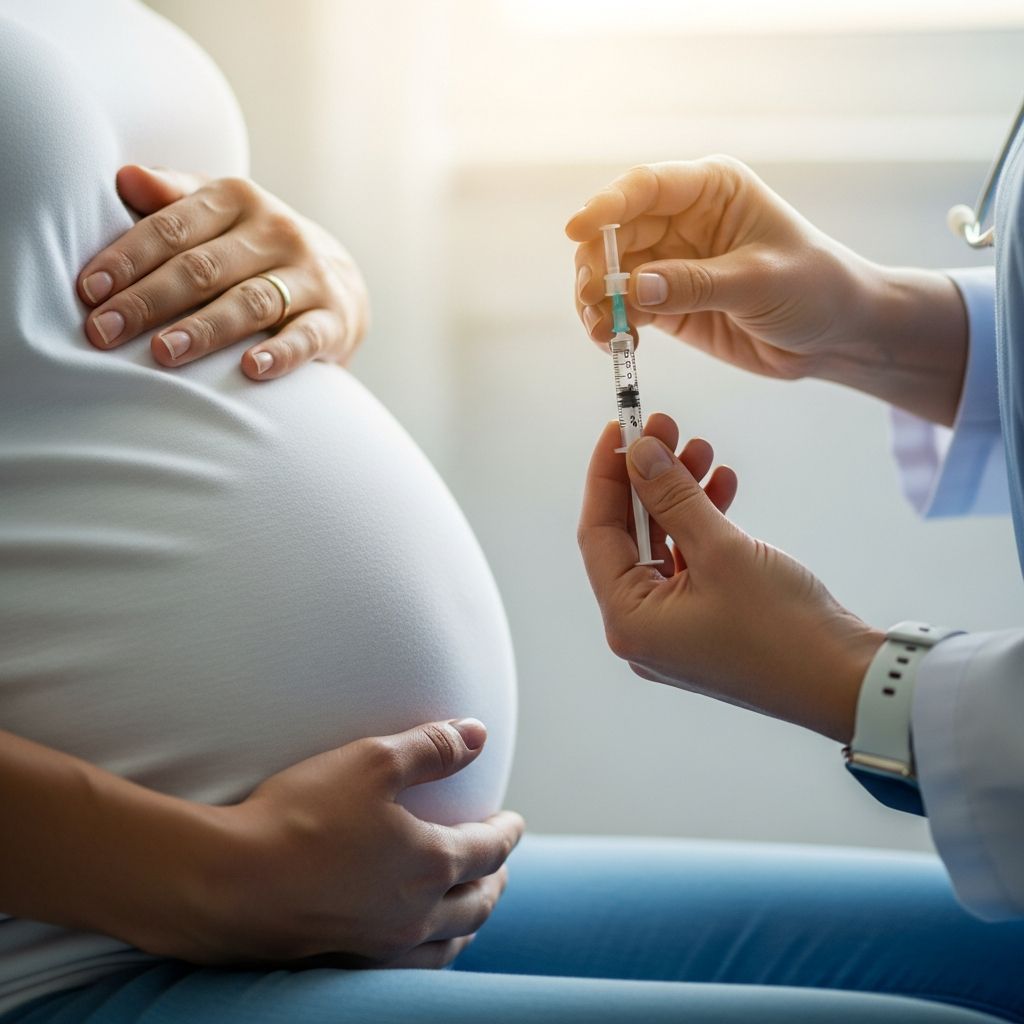
Progesterone shots are a treatment some pregnant women receive to help lower the chance of giving birth too early. These injections contain a form of the hormone progesterone, which plays an important role in keeping the uterus relaxed and the pregnancy stable.
This guide explains, in simple language, why progesterone is important, when shots might be recommended, what the injection process looks like, and how to weigh the benefits and risks with a health care provider.
The Role of Progesterone in Pregnancy
Progesterone is a hormone that helps prepare the uterus for pregnancy and supports the developing baby throughout gestation. During a normal pregnancy, progesterone levels rise to help the uterus stay relaxed and to maintain a healthy lining where the baby grows.
- Helps the uterine lining thicken and stay stable so the baby can implant and grow.
- Reduces the likelihood of early contractions that could lead to preterm labor.
- Supports changes in the cervix and the immune system that allow pregnancy to continue.
When the body does not produce enough progesterone, or when a woman has certain risk factors, doctors may consider adding extra progesterone in the form of injections.
What Are Progesterone Shots?
Progesterone shots are injections of a synthetic or specially prepared form of progesterone given during pregnancy. One commonly used injectable form is called hydroxyprogesterone caproate, sometimes abbreviated as 17P.
These shots are usually given into a large muscle, such as the upper arm, hip, or thigh. The hormone is released slowly over time to help maintain more stable progesterone levels between doses.
- Given on a regular schedule, often once a week, during a specific window of pregnancy.
- Used mainly in women at increased risk for preterm birth, not as a routine treatment for everyone.
- Prescribed and monitored by an obstetrician or other pregnancy care specialist.
Why Might a Pregnant Woman Need Progesterone Shots?
Not all pregnant women need progesterone injections. Doctors consider them for women with certain histories or findings that suggest a higher chance of delivering early. The goal is to help the pregnancy reach later weeks when the baby’s lungs, brain, and other organs are more developed.
Common reasons a doctor may discuss progesterone shots include:
- Previous spontaneous preterm birth: A history of giving birth before 37 weeks of pregnancy, especially without a medical induction or planned early delivery.
- Short cervix: An ultrasound measurement showing that the cervix is shorter than expected for that stage of pregnancy, which can be linked to earlier labor.
- Certain patterns of pregnancy loss: Repeated second-trimester losses or early labors may prompt discussion of progesterone support, depending on the cause.
Every pregnancy is unique, so the decision to use progesterone shots is based on a person’s full medical history, physical exam, and test results.
How Progesterone Shots May Help
Progesterone injections are designed to support the body’s natural hormone levels so that the uterus remains a stable place for the baby to grow. They are not a guarantee against preterm birth, but they may decrease the likelihood of labor starting too soon in some high-risk women.
- Help keep the uterus from contracting too early by promoting relaxation of uterine muscle.
- Support the cervical environment so it is less likely to shorten or open before the baby is ready.
- Give the baby more time to mature, potentially lowering the chance of breathing, feeding, or learning problems linked with prematurity.
Even with progesterone shots, careful monitoring of the pregnancy is essential. Doctors may still recommend other interventions, such as cervical length checks, bed rest recommendations, or hospitalization if signs of early labor appear.
When Are Progesterone Shots Usually Started?
Timing is important. Because these injections are aimed at preventing early labor, they are generally started before any signs of labor begin. In many cases, they are begun in the second trimester.
A common approach is:
- Beginning injections sometime between 16 and 20 weeks of pregnancy, depending on the doctor’s recommendation.
- Continuing weekly shots until around 36 weeks, or until the health care provider advises stopping.
Future pregnancies may be managed differently than first pregnancies, especially if there was a previous preterm birth, so it is important to talk to a provider early, even before conception when possible.
What to Expect During the Injection Visit
Progesterone shots are usually given in a clinic, hospital, or sometimes at home by a trained provider. Each visit tends to be fairly quick, but it is helpful to know what will happen.
- The nurse or doctor will review how the pregnancy is going and ask about any side effects from prior injections.
- The skin at the injection site is cleaned with an antiseptic wipe.
- The injection is given into the muscle with a small needle; a brief stinging or burning sensation is common.
- Pressure or a gentle massage may be applied after the shot to help the medicine disperse.
Women can usually return to normal daily activities right after the visit, unless the provider has given other instructions.
Common Side Effects of Progesterone Shots
Like any medication, progesterone injections can cause side effects. Many are mild and related to the injection itself, though some women notice changes that feel similar to normal pregnancy symptoms.
Minor and Local Reactions
- Soreness, tenderness, or warmth at the injection site.
- Mild redness or bruising where the shot was given.
- A small lump under the skin that gradually fades.
Rotating injection sites and using proper technique can help minimize discomfort.
Other Possible Symptoms
- Mild headache or dizziness.
- Feeling more tired than usual.
- Breast tenderness, mood changes, or nausea, which can also occur in pregnancy without shots.
Most side effects are short-lived. Any worrisome or persistent symptoms should be reported to a health care provider.
Serious Risks: What to Watch For
Serious complications from progesterone injections are uncommon, but it is important to know which warning signs require immediate medical attention. Some reactions may relate to the hormone itself, while others involve the injection process.
- Allergic reaction: Trouble breathing, swelling of the face or throat, or severe rash may indicate a serious allergy and require emergency care.
- Signs of blood clots: Sudden leg swelling, chest pain, or difficulty breathing should be evaluated right away.
- Severe pain, redness, or heat at the injection site: Could suggest infection or another issue needing medical review.
Women with a history of clotting disorders, severe liver disease, or certain cancers may not be good candidates for progesterone shots and should discuss alternatives with their doctor.
Who Should Not Receive Progesterone Shots?
Progesterone injections are not appropriate for everyone. Before prescribing them, the provider will ask about medical history, current medications, and any past reactions to hormones.
In general, these shots may be avoided or used with extreme caution in women who have:
- Active or past blood clots in the legs, lungs, or other areas.
- Certain types of hormone-sensitive cancers, such as some breast cancers.
- Severe liver disease or unexplained vaginal bleeding.
Only a medical professional can decide whether progesterone shots are safe in a particular situation, so complete and honest sharing of health history is essential.
Benefits and Limitations at a Glance
The table below summarizes potential advantages and downsides of progesterone injections to help guide discussion with a provider.
| Potential Benefit | What It Means for Mother and Baby |
|---|---|
| Lower chance of preterm birth in some high-risk women | More time for the baby’s lungs, brain, and other organs to mature, which may reduce complications. |
| Improved stability of the uterine environment | Fewer early contractions and a better chance of reaching later weeks of pregnancy. |
| Structured, weekly follow-up visits | Regular contact with the care team can help catch other pregnancy concerns early. |
| Possible Limitation or Risk | What Parents Should Consider |
|---|---|
| Not effective for all causes of preterm birth | Some early births are due to issues progesterone cannot fix, such as infection or severe health conditions. |
| Injection discomfort and local reactions | Weekly shots can be inconvenient and sometimes painful. |
| Rare serious side effects | Potential for blood clots or allergic reactions means careful screening and monitoring are necessary. |
Preparing for a Conversation With Your Doctor
When progesterone shots are mentioned, it is normal to have questions or worries. Taking a list of topics to your appointment can make the discussion clearer and more reassuring.
Consider asking:
- Why are you recommending progesterone shots in my specific case?
- What are the expected benefits for my pregnancy and baby?
- What are the possible side effects and rare risks?
- When would treatment start, and how long would it continue?
- Are there alternatives if I decide not to receive injections?
Taking notes or bringing a partner, family member, or friend for support can help you remember the information discussed.
Practical Tips for Managing Weekly Injections
Living with weekly injections over many weeks can feel overwhelming at first. A few simple strategies can make the routine more manageable and comfortable.
- Schedule appointments on the same day and time each week to build a habit.
- Wear loose clothing to appointments so the injection area is easy to access.
- Use a cold pack briefly before the injection and a warm pack afterwards if approved by your provider.
- Keep track of injections in a notebook or app, along with any side effects you notice.
Support from family, friends, or a pregnancy support group can also help with motivation and emotional well-being during treatment.
Frequently Asked Questions (FAQs)
1. Do progesterone shots hurt?
Most women describe the injections as briefly uncomfortable rather than extremely painful. You may feel a sting or burning sensation when the medicine enters the muscle and some soreness afterward. Using relaxation techniques, deep breathing, and rotating injection sites can help reduce discomfort.
2. Will progesterone shots guarantee that my baby will not be born early?
No treatment can fully guarantee that a baby will reach full term. Progesterone shots are meant to lower the risk of preterm birth in certain high-risk women, but some pregnancies will still deliver early despite treatment. It is important to continue other recommended monitoring and care.
3. Can progesterone shots harm my baby?
Progesterone is a hormone that the body already produces in pregnancy. When used under medical supervision for appropriate reasons, injectable progesterone is generally considered safe for the developing baby. As with any medication in pregnancy, the benefits and risks should be carefully reviewed with your provider.
4. What if I miss a dose?
If a weekly shot is missed, contact your health care provider as soon as possible. Do not try to double doses on your own. The provider will advise whether to reschedule quickly or adjust the schedule going forward.
5. Are there non-injection forms of progesterone?
Yes. In some situations, progesterone can be given as vaginal suppositories, capsules, or gels. However, for women with a specific history of preterm birth, injectable forms may be preferred based on current practice patterns and research. Your doctor can explain which option fits your situation best.
6. Will I need progesterone shots in future pregnancies?
Women who have had a preterm birth or required progesterone in one pregnancy may be candidates for similar treatment in later pregnancies. The decision is not automatic; it is made after reviewing the details of past pregnancies, any new health conditions, and updated medical guidelines.
Key Takeaways for Parents
Progesterone shots are one tool doctors may use to help reduce the risk of preterm birth in women with certain risk factors. By supporting the pregnancy’s hormonal environment, these injections can give some babies additional time to grow before birth.
If progesterone injections are suggested for your pregnancy, take time to ask questions, discuss benefits and risks, and consider how the treatment fits with your values and preferences. Working closely with a trusted care team can help you feel more informed and confident about your choices.