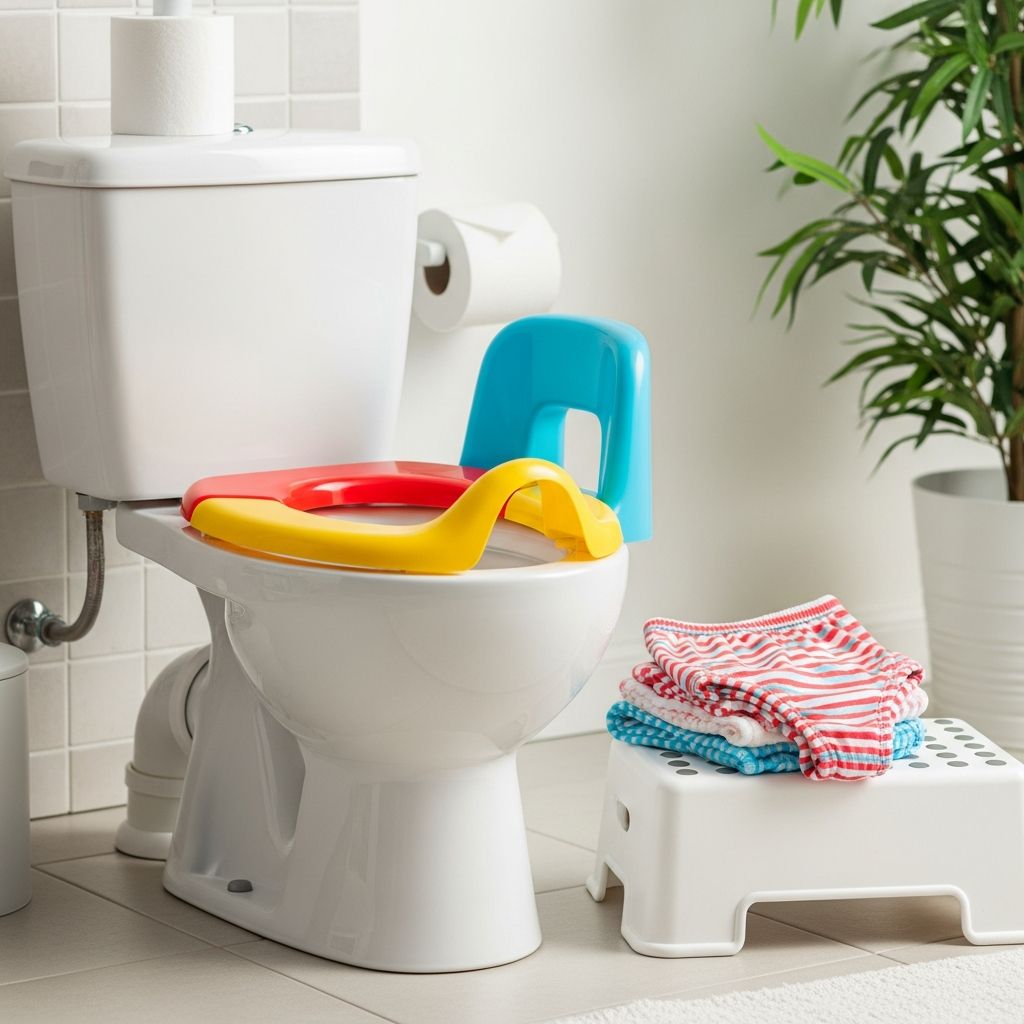
Professional potty training consultants provide specialized support to help children master toilet independence, offering tailored strategies that address individual needs and family dynamics. These experts can transform a challenging milestone into a confident achievement, often leading to quicker results and less frustration for everyone involved.
Why Families Turn to Potty Training Professionals
Potty training ranks among the most daunting tasks for parents, blending emotional, physical, and logistical hurdles. While many children train naturally between ages 2 and 3, others resist due to developmental stages, sensory sensitivities, or family stressors. Consultants step in with evidence-based methods, drawing from behavioral science to create effective pathways.
Key drivers for hiring include persistent accidents past preschool age, special needs like autism where standard approaches fail, or packed parental schedules that demand efficient solutions. Data from child development studies shows that structured interventions can cut training time by weeks, fostering early independence and boosting self-esteem.
- Overwhelmed parents: Endless trial-and-error with books or apps yields minimal progress.
- Special circumstances: Children with delays benefit from ABA-inspired techniques proven in clinical settings.
- Time constraints: Working families need rapid, consistent plans that fit real life.
Services Offered by Toilet Training Specialists
Potty training services span virtual calls to immersive in-home stays, each calibrated to varying family needs and budgets. Professionals assess readiness—signs like staying dry for hours or showing potty interest—before crafting plans.
Common offerings include:
- Virtual consultations: 30-60 minute video or phone sessions ($99-$300) for personalized roadmaps with follow-up texts.
- In-home intensives: 2-3 day live-in programs where experts handle all routines, often costing $1,000-$3,000 for 48-hour coverage ($40-$60/hour equivalent).
- Remote packages: Step-by-step guides, daily check-ins, and progress tracking via apps or email, ideal post-2020 for flexibility.
- Specialized therapy: ABA-based programs for neurodiverse kids, sometimes insurance-covered if tied to broader therapy.
| Service Type | Duration | Avg. Cost | Best For |
|---|---|---|---|
| Phone/Video Consult | 30-60 min | $99-$300 | Quick plans, mild issues |
| In-Home Intensive | 2-3 days | $1,000-$3,000 | Urgent cases, special needs |
| Remote Package | 1-4 weeks | $200-$800 | Busy schedules |
| ABA Therapy Add-On | Ongoing | Varies (insurance?) | Developmental delays |
This variety ensures accessibility, with remote options proving as effective as in-person for many since virtual tools advanced.
Financial Breakdown: What to Expect and How to Budget
Costs fluctuate based on location, expert credentials, and program intensity, typically $50-$300 hourly for core services. Urban areas command premiums, while travel fees add $0.50-$1/mile beyond local zones. Packages bundle value: a $249 session might include unlimited texts for two weeks.
Long-term math favors investment—U.S. families average $936 in first-year diaper costs alone, per consumer data. Successful training slashes this by 70-80% within months, offsetting fees quickly. For special needs, insurance may cover portions if documented as therapy.
Budget tips:
- Start with affordable consults to test fit.
- Compare 3-5 providers via reviews and credentials.
- Factor savings: fewer diapers, wipes, and laundry.
Advantages of Bringing in a Professional
Experts deliver customized blueprints respecting each child’s temperament—active toddlers get high-energy methods, shy ones gentle nudges. Consistency is key; consultants align caregivers, preventing mixed signals that prolong accidents.
Benefits shine brightest in tough cases:
- Speed: Many kids train in days versus months.
- Stress reduction: Parents report calmer homes, with pros handling messes and motivation.
- Expertise: Early issue-spotting averts regressions.
- Confidence boost: Child independence sparks ‘I did it!’ pride.
Stanford-affiliated research underscores training’s role in signaling body cues and self-regulation, amplified by pro guidance.
Potential Drawbacks and How to Mitigate Them
No service is flawless. High costs deter some, and not all kids gel with outsider involvement. Remote lacks hands-on demo, while intensives demand schedule clears.
Weigh these:
- Expense: Upfront hit, but ROI via savings.
- Dependency risk: Plans emphasize parental handoff for sustainability.
- Fit mismatch: Vet via trial calls.
Alternatives like apps or groups suit mild cases, but pros excel for stalls.
Selecting the Ideal Potty Training Partner
Credentials matter: Seek certified behavior analysts (BCBA), pediatric experience, or potty-specific training. Reviews on trusted sites reveal success rates—aim for 90%+ positives. Inquire about methods (positive reinforcement over punishment) and guarantees.
Red flags: Vague plans, no personalization, pressure sales. Interview questions:
- How do you assess readiness?
- What’s your success rate for [child’s age/needs]?
- Follow-up included?
Local vs. remote: Hands-on for complex fears; virtual for convenience.
Real Parent Experiences and Outcomes
Families rave about transformations. One parent of a 4-year-old with autism shared: ‘Two days with a consultant, and he’s independent—worth every penny.’ Others note halved training time amid work chaos. Challenges arise if expectations misalign, but most find value in pro insights.
Frequently Asked Questions
When should I hire a potty training consultant?
If your child is 3+ with no progress, shows resistance, or has special needs, pros accelerate success. Early intervention prevents entrenched habits.
Are remote potty training services effective?
Yes, virtual options match in-person results for most, offering flexible, proven plans via video and guides.
How much do potty training consultants charge?
Rates span $50-$300/hour; consults $99-$300, intensives $1,000+.
Is potty training help covered by insurance?
Often for ABA-linked cases; verify policy for therapy inclusions.
Can any child benefit from a professional trainer?
Absolutely—typical or delayed, experts tailor for efficiency and reduced stress.
References
- Hiring an Expert To Potty Train Your Kids — Lori Abosch. 2023. https://loriabosch.com/hiring-an-expert-to-potty-train-your-kids/
- Pros and Cons of Hiring a Professional Potty Trainer for Your Child at Home — The Potty School. 2023. https://www.thepottyschool.com/post/finding-help-exploring-the-pros-and-cons-of-hiring-a-professional-potty-trainer-for-your-child-at-home
- Toilet Training — Luna Behavioral Health. 2024. https://lunabht.com/toilet-training/
- Professional Potty Trainers & Parenting Coaches — ParentCo. 2023-01-01. https://www.parent.com/blogs/conversations/2023-professional-potty-trainers-and-two-other-early-parenting-coaches-you-can-hire
- Potty Training Program — On Target ABA. 2025. https://ontargetaba.com/potty-training-progam/