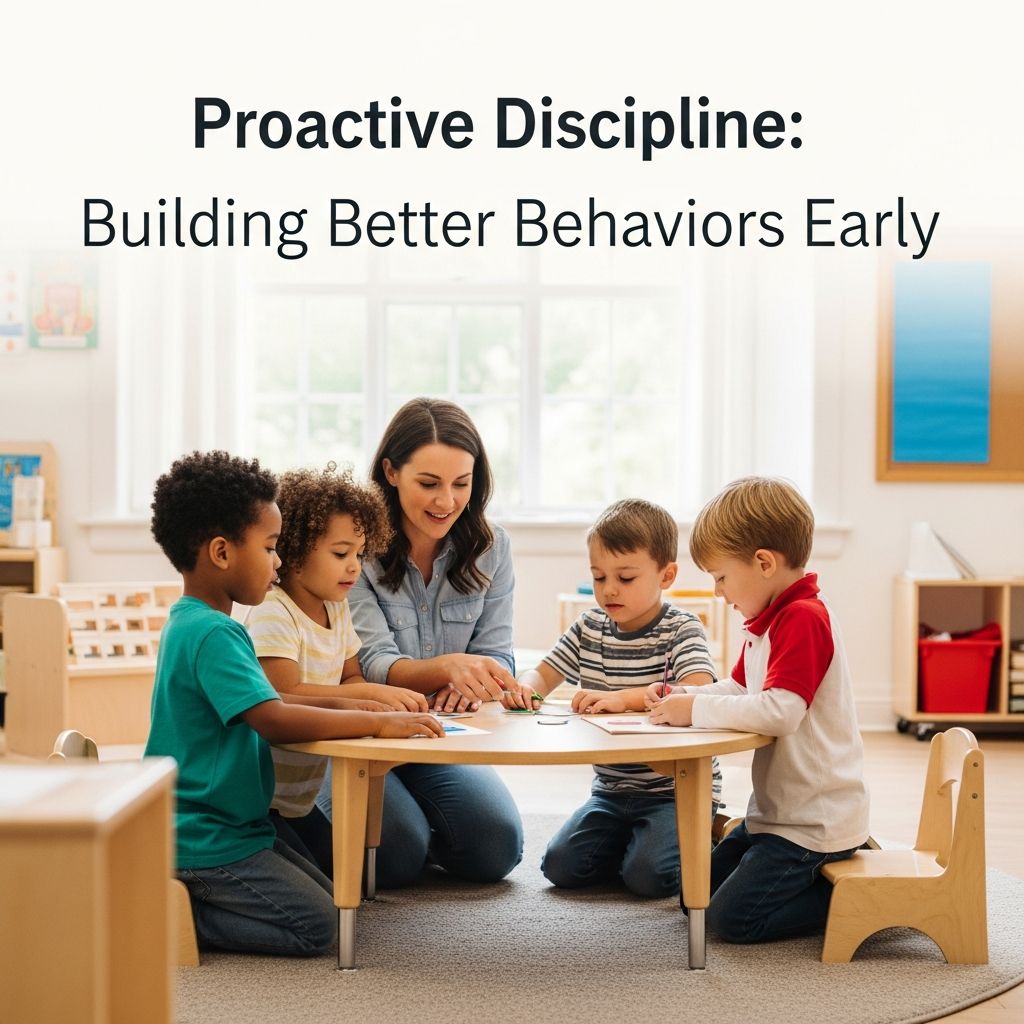
Proactive discipline shifts the focus from reacting to misbehavior to preventing it through thoughtful preparation, empathy, and consistent guidance. This approach empowers parents to create a harmonious home environment where children learn self-control and respect naturally.
Why Proactive Discipline Works for Families
Traditional discipline often relies on punishment after the fact, which can erode trust and fail to teach lasting skills. In contrast, proactive methods build skills in advance, addressing root causes like unmet needs or lack of tools for emotional regulation. Research supports that children raised with authoritative parenting—balancing warmth with clear expectations—show better social skills, fewer behavioral issues, and higher academic success.
By anticipating challenges, parents model calm problem-solving. This not only reduces daily conflicts but also equips kids with resilience for life’s bigger hurdles. Families report less stress, stronger connections, and children who internalize rules because they understand why they matter, not out of fear.
Core Principles of Effective Proactive Discipline
Success hinges on a few foundational ideas:
- Empathy First: Acknowledge feelings to help children feel understood, making them more receptive to guidance.
- Firm Yet Kind Boundaries: Rules provide security; enforce them lovingly without rigidity.
- Positive Language: Frame instructions as what to do, not what to avoid, for clearer comprehension.
- Autonomy Through Choices: Offer limited options to satisfy a child’s need for control while maintaining parental authority.
- Consistency Without Lectures: Follow through calmly to build trust in the system.
These principles draw from positive parenting frameworks, which prioritize relationship-building over control.
Step-by-Step Guide to Implementing Proactive Discipline
Follow this structured process to handle everyday challenges proactively.
1. Center Yourself Before Intervening
Children’s big emotions trigger parental stress responses. Pause for two deep breaths—inhale peace, exhale tension—to regulate your nervous system. A steady parent keeps the child’s calmer, creating space for learning. Practice this daily to make it instinctive.
2. Validate Emotions and State the Boundary
Start with empathy: “I see you’re excited about that game.” Then, clearly state the limit: “Now it’s time for dinner.” This duo—need + boundary—shows respect while holding the line.
3. Use Positive, Action-Oriented Instructions
Children process “Walk inside” better than “Don’t run.” The Centers for Disease Control and Prevention (CDC) recommends positive phrasing in their positive parenting resources, noting it reduces power struggles.
4. Provide Bounded Choices
Empower with options: “Do you want the red cup or blue?” or “Brush teeth now or after PJs?” This respects autonomy without chaos.
5. Enforce with Calm Action
If ignored, repeat once: “Time to go.” Then act—gently guide to comply. Minimal words prevent escalation.
6. Apply Natural or Logical Consequences
Link outcomes to actions: Throwing toys? They rest until later. No coat? Feel the chill briefly. These teach without shame.
Teaching Replacement Skills Proactively
Prevention means equipping kids with alternatives before issues arise.
- Model and Practice: For hitting, teach “Use words or high-fives.” Role-play during calm moments—repetition builds habits.
- Daily Rehearsals: Turn routines into games: Whisper “inside voices” together.
- Specific Praise: “You shared the toy even when it was hard—great kindness!” Highlights effort, boosting motivation.
Table of Common Scenarios and Responses:
| Hot Spot | Boundary | Choice | Consequence |
|---|---|---|---|
| Bedtime Resistance | “Time for bed.” | “Book first or snuggle?” | Stay up 5 min longer next time if compliant. |
| Mealtime Mess | “Eat at table.” | “Fork or spoon?” | Meal ends if thrown; natural hunger teaches. |
| After-School Chaos | “Shoes off.” | “Basket or mat?” | Shoes wait by door till morning. |
| Sibling Squabbles | “Gentle hands.” | “Hug or space?” | Short reset beside parent. |
Planning for Your Daily Hot Spots
Identify 3-5 predictable trouble times (e.g., mornings, transitions). For each, script boundary, choice, consequence. Post visibly. Review weekly—what worked? Adjust.
Example Plan:
- Morning Rush: Boundary: “Clothes on first.” Choice: “Shirt or pants?” Consequence: Help provided, natural delay.
- Screen Time End: Boundary: “Screens off.” Choice: “Puzzle or blocks?” Consequence: Screens rest 24 hours.
Long-Term Benefits and Science Behind It
Authoritative parenting, blending structure with warmth, yields kids who are self-motivated, empathetic, and less prone to aggression. Positive discipline fosters intrinsic discipline—doing right because it’s valuable, not fear-driven.
Studies from the American Academy of Pediatrics affirm natural consequences over punishment, as they promote problem-solving without resentment.[CDC Positive Parenting]
Frequently Asked Questions (FAQs)
What if my child ignores choices repeatedly?
Move to calm enforcement. Consistency shows boundaries are real; they learn faster with follow-through.
Is this suitable for all ages?
Yes, adapt language: Simpler for toddlers, more reasoning for school-age.
How does this differ from permissive parenting?
Proactive discipline has firm enforcement; permissiveness avoids boundaries, leading to insecurity.
Can I use rewards?
Prefer praise for effort over tangibles to build internal motivation.
What about sensitive children?
Extra empathy and pauses for regulation; teach emotions explicitly.
Overcoming Common Challenges
Parental Burnout: Self-care first—boundaries protect your energy.
Partner Differences: Align on key rules; united front matters.
Public Meltdowns: Stay calm, use empathy privately after.
Track progress in a journal: Fewer outbursts signal success. Adjust as kids grow.
References
- Gentle discipline, firm boundaries: holding both without losing yourself — Motherly. 2023. https://www.mother.ly/discipline/gentle-discipline-firm-boundaries-holding-both-without-losing-yourself/
- 10 positive parenting techniques for disciplining your child — Motherly. 2023. https://www.mother.ly/parenting/positive-parenting-and-discipline/
- 8 ways to discipline with authority—and love — Motherly. 2023. https://www.mother.ly/parenting/8-ways-to-discipline-with-authority/
- Positive Discipline – Definition & Explanation for Mothers — Motherly. 2023. https://www.mother.ly/terms/positive-discipline/
- Essentials for Parenting Toddlers — Centers for Disease Control and Prevention (CDC). 2024-01-15. https://www.cdc.gov/parents/essentials/toddlers.html