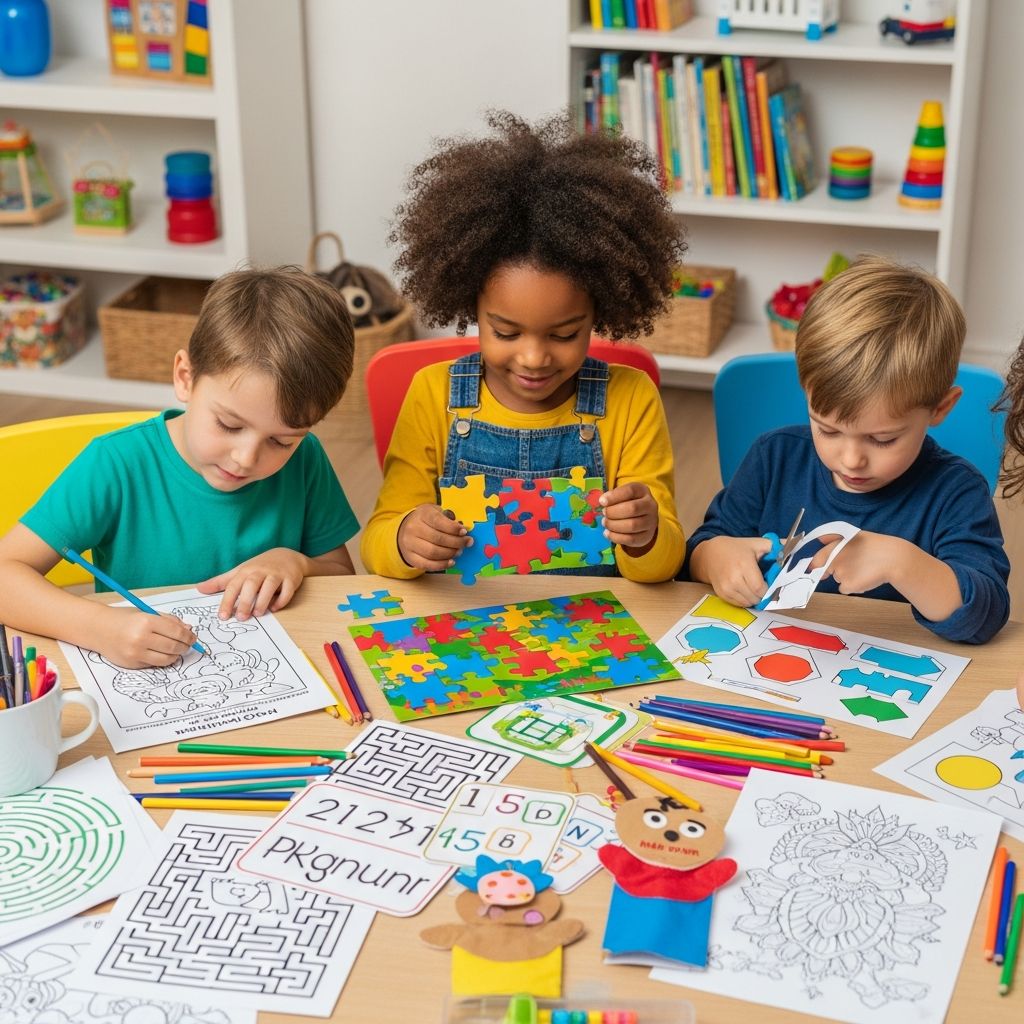
Engaging young minds through printable activities offers parents and educators a simple yet powerful way to nurture essential skills while keeping children entertained. These downloadable resources transform ordinary paper into gateways for exploration, creativity, and academic growth, suitable for ages 2 to 8. From tracing letters to crafting imaginative projects, printables provide flexible, low-cost tools that adapt to busy schedules and home environments.
Why Printables Are a Game-Changer for Early Childhood Development
Printable activities stand out because they blend education with play, encouraging children to learn actively rather than passively. Research from early education experts highlights how hands-on materials improve retention and motivation. For instance, interactive worksheets help build neural pathways for reading and counting, while craft templates foster problem-solving and artistic expression. Parents appreciate the convenience—no special equipment needed beyond a printer, paper, and basic supplies like crayons or glue.
These resources cater to diverse learning styles. Visual learners thrive with colorful puzzles, kinesthetic kids enjoy cutting and pasting, and analytical minds tackle matching games. Seasonal and thematic options ensure relevance, tying into holidays, nature, or favorite characters to sustain interest year-round.
Building Foundational Literacy Skills with Interactive Printables
Literacy forms the bedrock of lifelong learning, and printables make it accessible and exciting. Start with alphabet-focused sheets where kids trace curved lines to form letters, associating shapes with sounds. Progress to rhyming games that pair pictures like ‘cat’ and ‘hat,’ sharpening phonemic awareness crucial for reading fluency.
- Letter formation mats: Use with playdough or dry-erase markers for repeatable practice.
- Sound-matching puzzles: Connect images to initial sounds, like ‘S’ for snake.
- CVC word builders: Assemble short words such as ‘pin’ or ‘dog’ using strips and cards.
These tools not only teach recognition but also boost confidence as children see their progress on paper. Incorporate sight word hunts or simple sentence builders to bridge toward full reading.
Mastering Math Concepts Through Playful Worksheets
Early math printables demystify numbers, turning abstract ideas into tangible fun. Number clip cards challenge kids to count objects and secure clips on matching totals, honing precision and one-to-one correspondence. Dot-to-dot sheets reveal hidden pictures while reinforcing sequences from 1 to 20.
| Activity Type | Skills Targeted | Age Range | Supplies Needed |
|---|---|---|---|
| Counting Mats | Recognition, Sequencing | 3-5 | Counters, Clips |
| Shape Puzzles | Identification, Sorting | 4-6 | Crayons |
| Simple Addition Strips | Basic Operations | 5-7 | Markers |
| Pattern Worksheets | Prediction, Logic | 3-6 | Stickers |
Encourage real-world ties by counting household items during activities, solidifying concepts like addition through games where kids ‘shop’ with pretend money.
Enhancing Fine Motor Skills with Hands-On Challenges
Fine motor development prepares children for writing and self-care tasks. Printables like mazes, scissor paths, and threading templates strengthen hand-eye coordination. Sorting worksheets prompt classifying shapes or colors, refining dexterity.
- Pre-writing lines: Zigzags and loops build pencil control.
- Cutting practice: Follow dotted lines around themed objects.
- Beading patterns: Trace and replicate designs with string and beads.
Laminating sheets allows reuse with markers, extending value. These exercises indirectly support academic readiness by tiring out wiggly fingers for focused desk work.
Themed Printables: Bringing Stories and Seasons to Life
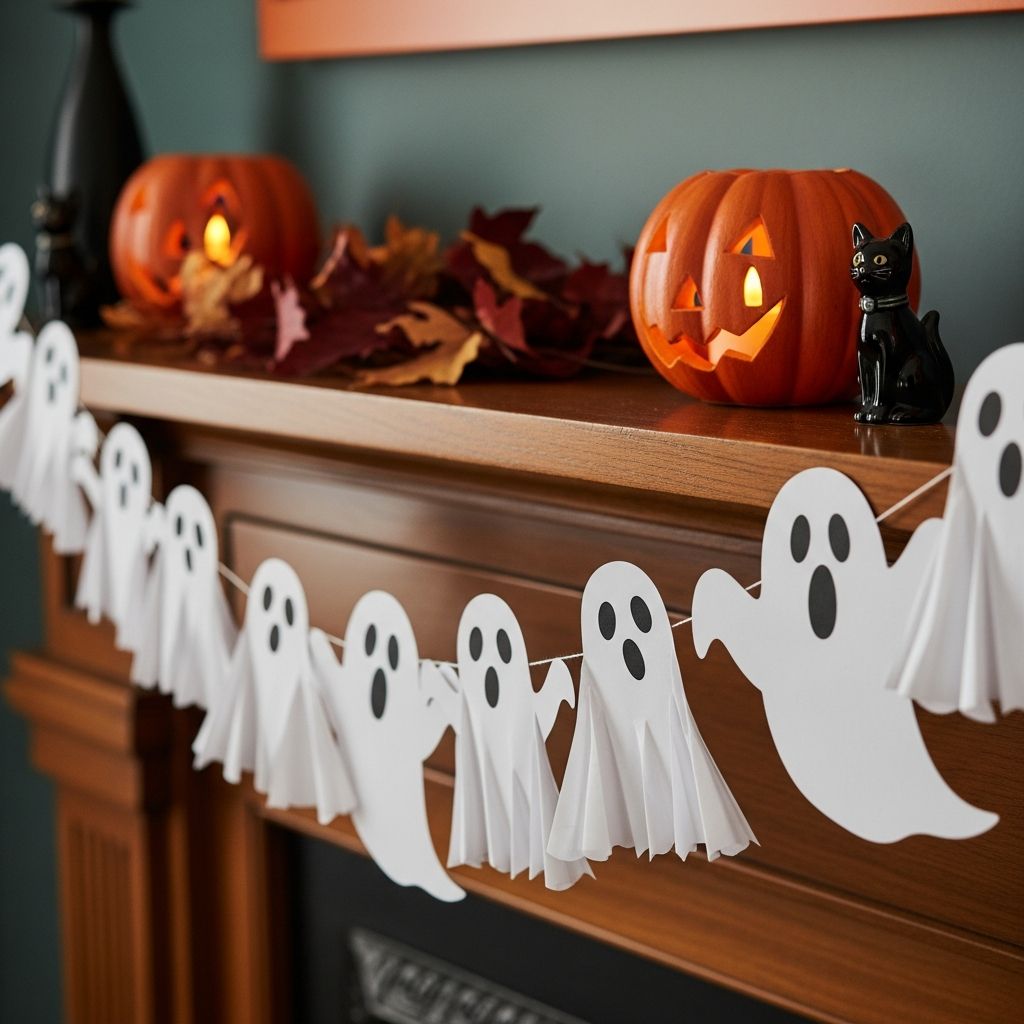
Thematic resources captivate imaginations, making learning feel like adventure. Ocean packs feature counting fish and labeling sea creatures; farm sets include animal matching and planting sequence cards. Holiday editions cover pumpkins for fall or snowflakes for winter, aligning with classroom curricula.
Popular themes like dinosaurs or unicorns add whimsy—editable board games let families customize for letters or numbers. Space explorers trace rockets while learning orbits; superhero missions build sight words. These keep sessions fresh, preventing burnout.
Craft Templates That Ignite Creativity and Imagination
Beyond worksheets, craft printables unleash artistic potential. Cut-out templates for paper animals or vehicles encourage assembly into 3D models. Coloring pages with prompts like ‘design your dream robot’ stimulate storytelling.
Group projects shine here: collaborative murals from nature tracings or puppet theaters from character sheets. No-rules coloring fosters emotional expression, vital for social-emotional growth. Supplies stay simple—markers, glue sticks, recycled materials.
Memory and Puzzle Games for Cognitive Boost
Puzzles sharpen memory and logic. Printable memory matches flip to reveal pairs, from animals to shapes. Mazes teach perseverance and spatial reasoning, with levels from simple paths to complex labyrinths.
- Spot-the-difference: Builds observation.
- Hidden pictures: Encourages scanning and detail focus.
- Logic grids: Intro to deduction for older kids.
These quiet activities suit travel or quiet time, doubling as screen-free entertainment.
Practical Tips for Maximizing Printable Activities
To get the most from printables:
- Print in color on cardstock for durability.
- Laminate favorites for dry-erase reuse.
- Set up stations with themed supplies.
- Rotate activities weekly to maintain novelty.
- Combine with movement, like acting out learned words.
Track progress with completion charts, celebrating milestones to build intrinsic motivation.
Frequently Asked Questions
What ages are these printables best for?
Most suit ages 2-7, with scalable difficulty for preschool through early elementary.
Do I need special supplies?
Basic items like paper, crayons, scissors suffice; advanced ones use glue or counters.
Can teachers use these in classrooms?
Yes, many sites allow educational non-commercial use for groups.
How do I store printables?
File digitally or in binders; laminate for longevity.
Are they free?
Thousands of options exist at no cost from reputable education sites.
Extending Learning Beyond the Page
Printables shine when paired with discussion or extensions. After a weather worksheet, track real forecasts. Post-alphabet crafts, hunt letters in books. This holistic approach deepens understanding and family bonds.
For tech-savvy twists, scan completed work into digital portfolios showcasing growth. Community shares via parent groups inspire new ideas.
References
- Early Childhood Literacy Development Guidelines — U.S. Department of Education. 2024-01-15. https://www2.ed.gov/about/offices/list/os/technology/factsheets/earlychildhoodliteracy.html
- Guidelines for Mathematics Practice in Early Grades — National Council of Teachers of Mathematics. 2023-09-20. https://www.nctm.org/standards-and-positions/position-statements/principles-to-actions/
- Fine Motor Skills and School Readiness — American Academy of Pediatrics. 2024-05-10. https://publications.aap.org/pediatrics/article/153/5/e2024063012/196022
- Play-Based Learning in Preschool — Head Start Early Childhood Learning & Knowledge Center. 2023-11-05. https://eclkc.ohs.acf.hhs.gov/child-screening-assessment/child-screening-assessment-overview
- Cognitive Benefits of Puzzles for Children — Zero to Three. 2024-02-28. https://www.zerotothree.org/resource/cognitive-development-0-3/