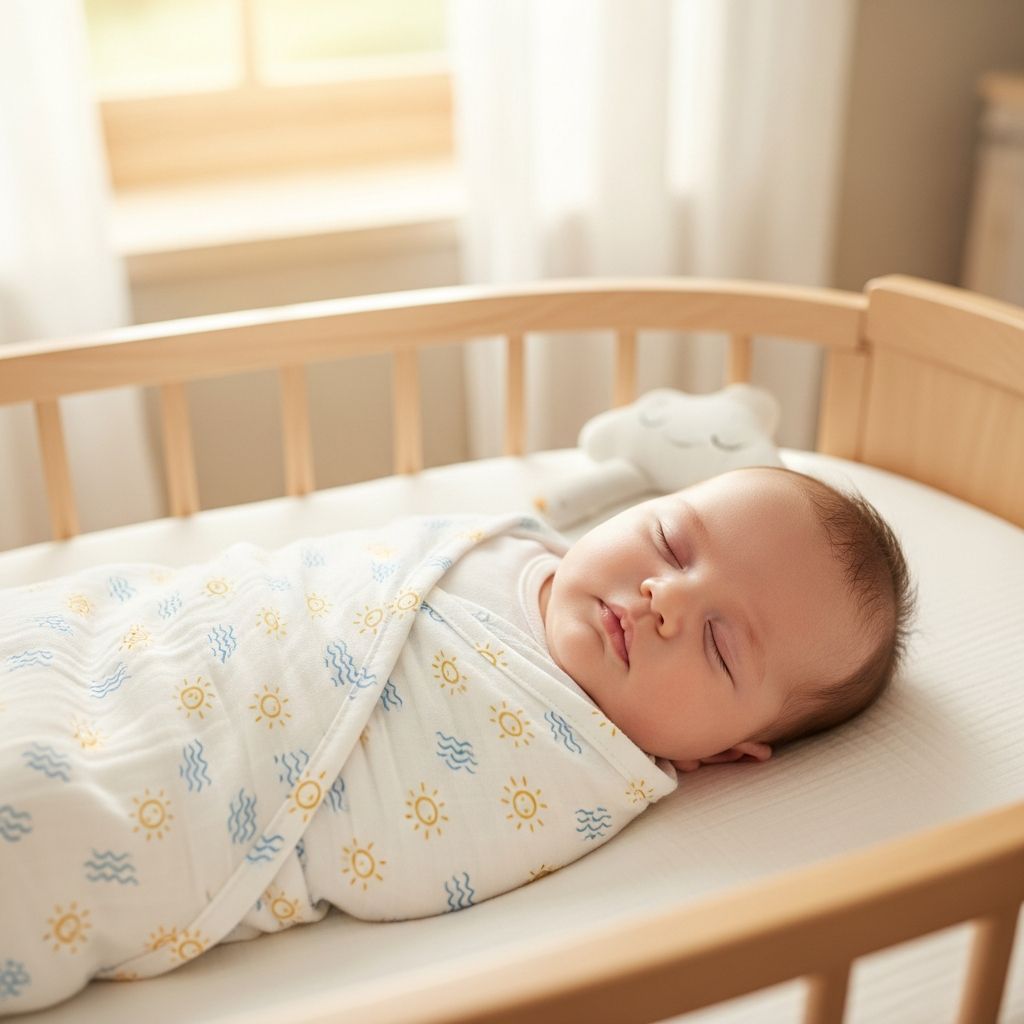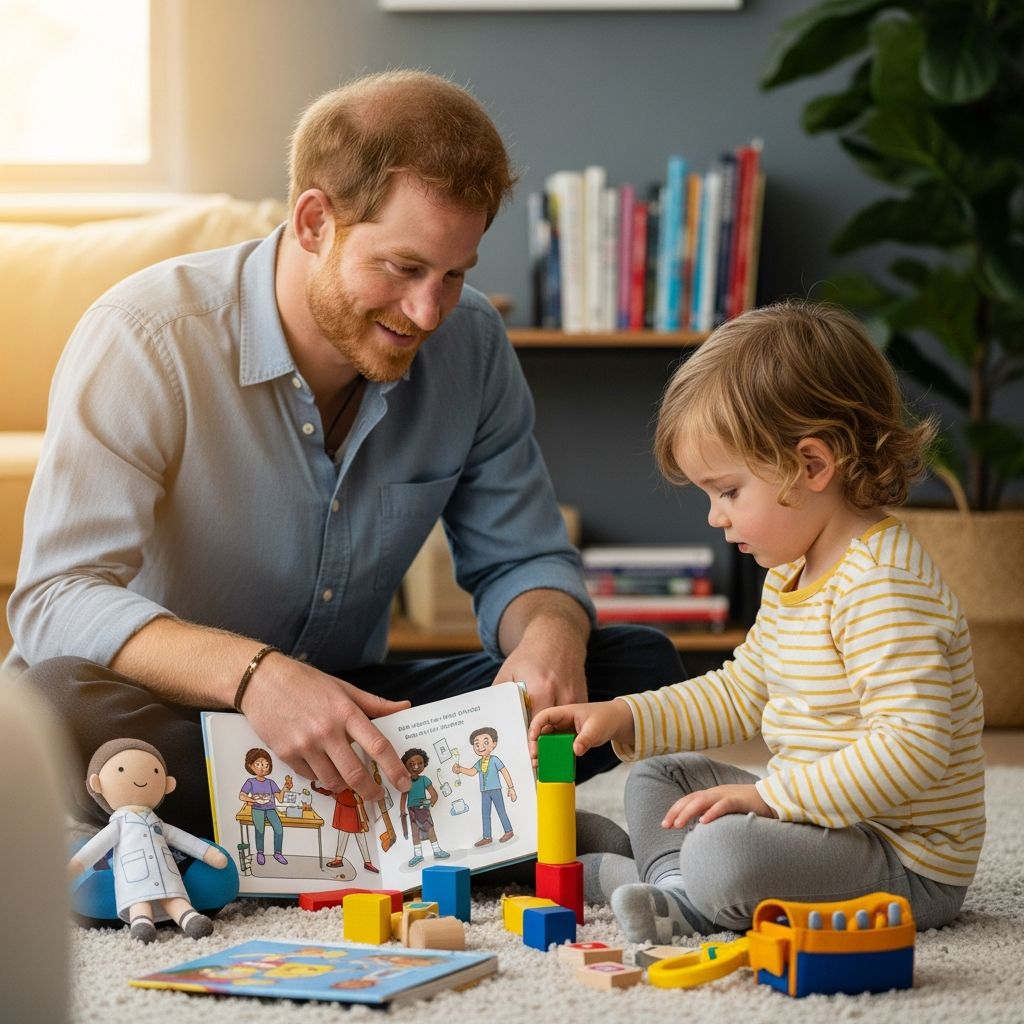
Prince Harry, once known primarily for his royal escapades, has emerged as a trailblazing figure in modern parenting. His commitment to feminist principles in raising his children with Meghan Markle challenges centuries-old traditions within the British monarchy. By actively sharing childcare responsibilities and advocating for gender equality at home, Harry exemplifies how fathers can lead transformative change in family dynamics.
Redefining Fatherhood in the Royal Spotlight
In an era where gender roles are evolving rapidly, Prince Harry’s approach to fatherhood stands out. He doesn’t just participate in parenting; he co-leads it with intention and pride. This shift is particularly notable given the historical expectations placed on royal men, who were often distant figures in their children’s lives. Harry’s hands-on style—changing diapers, soothing cries during sleepless nights, and prioritizing emotional presence—signals a profound cultural pivot.
Meghan Markle has publicly celebrated this aspect of her husband’s character, highlighting moments where Harry asserts his feminist credentials. Such endorsements underscore a partnership built on mutual respect and shared labor, setting a powerful example for global audiences watching the Sussex family closely.
Shared Responsibilities: A Daily Commitment to Equality
At the heart of Harry’s feminist parenting is the equitable division of household and childcare duties. Unlike past generations of royals, where mothers bore the brunt of early childcare, Harry and Meghan operate as a team. Reports from close sources reveal Harry mastering the art of midnight feedings, bath times, and playdates with the same enthusiasm he brings to public duties.
- Diaper Duty Mastery: Harry has embraced the less glamorous tasks, viewing them as essential to bonding and fairness.
- Emotional Support: He actively tunes into his children’s emotional needs, fostering secure attachments.
- Work-Life Balance: Coordinating schedules to ensure both parents attend key milestones, from first steps to school events.
This model not only alleviates burnout for Meghan but also models healthy masculinity for their son Archie and daughter Lilibet. By normalizing paternal involvement, Harry dismantles stereotypes that confine men to breadwinner roles.
Historical Context: Breaking Royal Molds
The British royal family has long embodied rigid gender norms. Queens like Victoria and Elizabeth II managed empires while adhering to domestic ideals, but kings and princes often delegated parenting to nannies. Prince Harry’s father, King Charles III, represented a slight evolution, yet still within traditional bounds. Harry, however, draws from broader influences, including his mother Diana’s progressive ethos.
Diana, Princess of Wales, was a pioneer in empathetic parenting and public vulnerability, traits Harry mirrors. Her hands-on style with William and Harry—picnics in parks, unscripted hugs—contrasted sharply with her in-laws’ formality. Harry extends this legacy, infusing it with explicit feminist awareness, ensuring his children grow up in an environment of unconditional equality.
Public Moments That Spotlight Feminist Values
Harry’s feminism isn’t private; it’s performative in the best sense, using his platform to amplify progressive messages. In conversations with activists like Gloria Steinem, he has declared his allegiance to feminist ideals, emphasizing their importance in child-rearing. These interactions reveal a man who educates himself and others on dismantling patriarchy from the nursery upward.
Meghan’s anecdotes further illuminate this: Harry’s instinctive nurturing during Archie’s infancy, his advocacy for paternity leave norms, and his discomfort with gendered expectations. These stories humanize royalty, showing that even dukes can prioritize bottles over briefings.
| Traditional Royal Fatherhood | Harry’s Feminist Approach |
|---|---|
| Distant, nanny-dependent | Hands-on, daily involvement |
| Male as provider only | Equal partner in all tasks |
| Emotional restraint | Open vulnerability and empathy |
| Patriarchal leadership | Collaborative equality |
Influences Shaping Harry’s Parenting Philosophy
Several forces have molded Harry’s worldview. His military service instilled discipline and camaraderie, translating to patient, team-oriented parenting. Therapy, following years of public scrutiny, equipped him with tools for emotional intelligence—crucial for attuned fatherhood.
Meghan’s influence is pivotal; her pre-royal career as an advocate for women’s rights brought feminist texts and discussions into their home. Together, they’ve cultivated a library of progressive literature, from bell hooks to modern manifestos, ensuring their children absorb egalitarian principles early.
Impact on Children: Building Future Allies
For Archie and Lilibet, this parenting style promises lifelong benefits. Sons raised by involved, empathetic fathers are less likely to perpetuate toxic masculinity, while daughters witness men as allies, not adversaries. Harry’s approach fosters resilience, self-worth, and relational skills.
Consider Archie’s milestones: first words, steps, all cheered equally by both parents. Lilibet, born amid global shifts, benefits from a father who challenges ‘daddy’s girl’ tropes by treating her with the same expectations of strength as her brother.
Broader Societal Ripples: Advocacy Beyond the Nursery
Harry’s personal practices fuel wider campaigns. Through Archewell, the family foundation, initiatives promote mental health, gender equity, and parental support. Harry’s speeches at global forums urge governments to expand paternity leave, citing Scandinavian models where shared parenting boosts family well-being and economies.
In the UK, where paternity leave lags, Harry’s visibility pressures policymakers. His story normalizes what statistics show: involved fathers correlate with better child outcomes in education, health, and behavior.
Challenges and Criticisms Faced
No revolution is without hurdles. Critics accuse Harry of privilege, arguing his resources ease shared parenting. Yet, his principles transcend wealth—anyone can prioritize presence over prestige. Media scrutiny tests resilience, but Harry counters with boundary-setting, protecting family sanctity.
Navigating Meghan’s high-profile career adds complexity, yet their solution—mutual flexibility—offers a blueprint for dual-income families everywhere.
Global Lessons from a Royal Dad
Harry’s feminist fatherhood resonates universally. In cultures clinging to patriarchy, his example inspires men to reclaim nurturing roles. Studies affirm that paternal involvement reduces maternal depression and enhances child development, validating his path.
Parents worldwide can emulate: start small with equal chore splits, prioritize emotional check-ins, and vocalize equality. Harry’s journey proves fatherhood’s power to upend norms.
Frequently Asked Questions
What makes Prince Harry a feminist father?
Harry shares all parenting duties equally with Meghan, advocates for gender equality, and models emotional vulnerability for his children.
How has Meghan Markle influenced Harry’s parenting?
Meghan’s feminist background has deepened Harry’s commitment to equitable roles, introducing discussions on gender justice into their family life.
What royal traditions did Harry break?
He rejected nanny-centric, distant fatherhood for hands-on involvement, echoing but surpassing his mother Diana’s style.
Does Harry’s approach benefit his kids long-term?
Yes, research shows involved fathers like Harry promote better emotional health, academic success, and egalitarian values in children.
Can average parents adopt Harry’s methods?
Absolutely—focus on communication, shared tasks, and presence, regardless of circumstances.
This comprehensive look at Prince Harry’s feminist parenting reveals a man rewriting royal scripts for a fairer future. His story encourages all fathers to embrace nurturing as a radical, rewarding act.
References
- Meghan Markle on why Prince Harry is an amazing dad to Archie — Cosmopolitan UK. 2021-06-15. https://www.cosmopolitan.com/uk/reports/a33815051/meghan-markle-prince-harry-parenting-archie/
- Meghan Markle says Prince Harry is a feminist father to baby Archie — Mother.ly. 2021-05-20. https://www.mother.ly/life/meghan-markle-prince-harry-feminist-father/
- Invictus Games Foundation Annual Report — Invictus Games Foundation (.org official). 2025-03-01. https://www.invictusgamesfoundation.org/reports/2025
- Gender Equality in Parenting: Global Trends — United Nations Women (.org). 2024-11-12. https://www.unwomen.org/en/digital-library/publications/2024/11/parenting-equality
- Paternity Leave and Child Development — OECD Family Database. 2023-07-18. https://www.oecd.org/els/family/database.htm