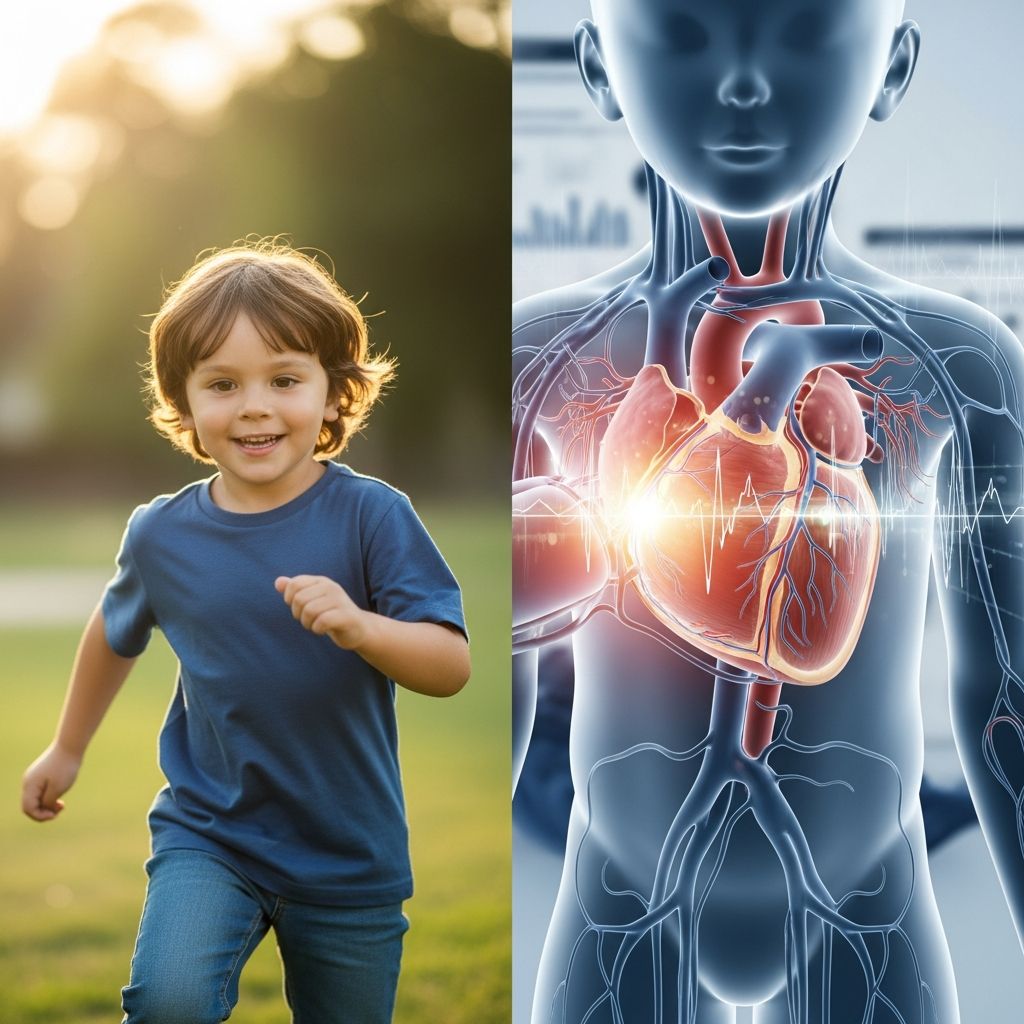
High blood pressure is often thought of as an adult problem, but more children and teens are now being diagnosed with primary hypertension (also called primary or essential high blood pressure). Understanding what this means, why it happens, and how it is managed can help families protect long-term heart and kidney health.
What Is Primary Hypertension in Children?
Blood pressure is the force of blood pushing against the walls of the arteries. When that pressure is consistently too high for a child’s age, sex, and height, the child has hypertension. In children and teens, doctors classify blood pressure using age-based percentiles rather than a single cutoff number, because normal values change as kids grow.
Primary hypertension means high blood pressure that does not result from a single, obvious medical condition such as kidney disease or a heart defect. Instead, it develops from a combination of genetics, body weight, lifestyle, and other factors that subtly change how the heart and blood vessels work over time.
| Type of hypertension | Main feature | Age pattern |
|---|---|---|
| Primary | No single underlying disease; linked to weight, family history, lifestyle. | More common after age 6, especially in adolescents. |
| Secondary | Caused by an identifiable condition (kidney, heart, hormonal or other disorder). | More common in infants and young children under 6 years. |
How Common Is High Blood Pressure in Kids?
Research suggests that about 1–5% of children and adolescents have hypertension, and rates have increased alongside childhood obesity. Many affected children feel completely well, so elevated blood pressure is often discovered only during routine checkups. Because early high blood pressure can track into adulthood, experts view pediatric primary hypertension as the beginning of a lifelong cardiovascular risk pathway.
Why Does Primary Hypertension Develop?
No single cause explains primary hypertension. Instead, several influences tend to add up over time and push blood pressure higher. These influences often interact with each other.
Key Risk Factors
- Excess body weight (overweight or obesity) is one of the strongest and most consistent risk factors.
- Family history of high blood pressure, heart disease, or stroke, especially in first-degree relatives.
- Limited physical activity and long hours of sedentary behavior (screen time, sitting).
- Diets high in salt, processed foods, and sugary drinks and low in fruits, vegetables, and whole grains.
- Metabolic problems such as insulin resistance, high cholesterol, or type 2 diabetes.
- Exposure to tobacco smoke (active smoking or secondhand smoke).
How These Factors Affect the Heart and Blood Vessels
Experts have identified several ways these influences can change the cardiovascular system:
- Increased sympathetic tone: The body’s “fight or flight” system stays more activated, speeding the heart and tightening blood vessels.
- Salt and fluid retention: The kidneys may retain more sodium and water, increasing blood volume.
- Renin-angiotensin-aldosterone system (RAAS) changes: Hormonal signals that regulate blood pressure may become unbalanced, favoring higher pressures.
- Insulin resistance and inflammation: These can damage blood vessel lining and promote stiffening of arteries over time.
Over years, high blood pressure can lead to measurable changes in the heart, kidneys, brain, and blood vessels—even before symptoms appear.
Primary vs. Secondary Hypertension: What Parents Should Know
When a child is found to have high blood pressure, the first question doctors ask is whether it is primary or secondary. This distinction shapes the evaluation and treatment plan.
- Primary hypertension is more likely in older children and teens who have excess weight, a positive family history, and no signs pointing to another illness.
- Secondary hypertension is more likely in infants and young children, or when a child has additional symptoms (such as poor growth, kidney problems, or heart murmurs) that suggest an underlying condition.
Common causes of secondary hypertension include kidney disease, congenital abnormalities of the kidneys or urinary tract, coarctation (narrowing) of the aorta, endocrine disorders, sleep apnea, and certain medications.
Signs and Symptoms: Often Subtle or Absent
Most children with primary hypertension have no obvious symptoms, which is why regular blood pressure checks are crucial. When symptoms do occur, they are more likely in severe or sudden-onset hypertension and can include:
- Frequent or severe headaches
- Dizziness or lightheadedness
- Blurred vision or changes in vision
- Chest pain or a feeling of heart racing
- Shortness of breath
- Nausea or vomiting, especially with very high readings
Because these symptoms can also be caused by many other conditions, they do not by themselves prove that a child has high blood pressure. Measurement with an appropriate cuff size is always necessary.
How Doctors Diagnose Primary Hypertension
Diagnosing hypertension in a child involves more than a single high reading. Pediatric guidelines recommend a structured approach to be sure the elevation is real and persistent.
1. Accurate Blood Pressure Measurement
- Using the correct cuff size for the child’s arm is essential.
- Measurements are usually taken in the right arm with the child seated, feet on the floor, after a few minutes of rest.
- High readings should be confirmed on separate visits, unless they are dangerously elevated.
2. Comparing to Pediatric Norms
Unlike adult cutoffs, children’s blood pressure ranges depend on age, sex, and height. A child is diagnosed with hypertension when average blood pressure is at or above the 95th percentile on at least three separate visits or meets specific fixed thresholds for adolescents.
3. Looking for Possible Secondary Causes
Even when primary hypertension seems likely, doctors first screen for conditions that could be driving blood pressure higher.
This evaluation may include:
- Detailed medical and family history (birth history, kidney or heart issues, medication use, sleep problems).
- Physical exam, including measurements of growth, weight, BMI, and pulses in all limbs.
- Basic blood and urine tests to check kidney function, electrolytes, blood sugar, and cholesterol.
- Possibly an echocardiogram (heart ultrasound) to look for thickening of the heart muscle and rule out structural heart disease.
4. Ambulatory Blood Pressure Monitoring (ABPM)
Ambulatory blood pressure monitoring involves the child wearing a portable device that measures blood pressure every 20–30 minutes over a 24-hour period. This test can:
- Confirm whether blood pressure is truly elevated throughout the day and night.
- Distinguish true hypertension from “white coat” hypertension, where readings are high only in the clinic.
Potential Long-Term Effects if Untreated
Pediatric primary hypertension is not simply a short-term concern. It is strongly linked to higher blood pressure and a greater risk of cardiovascular disease in adulthood. Studies show that children with elevated blood pressure can already have:
- Thickening of the heart’s left ventricle (left ventricular hypertrophy)
- Narrowing of small blood vessels and stiffening of large arteries
- Early changes in kidney function
- Higher likelihood of future heart attack, stroke, and kidney failure if hypertension continues into adult life
The good news is that when high blood pressure is identified early and managed effectively, these risks can be reduced and sometimes reversed.
How Is Primary Hypertension Treated in Children?
Treatment plans are individualized and depend on blood pressure level, the child’s age, and the presence of other health problems. In many children with primary hypertension, lifestyle changes are the cornerstone of management.
Lifestyle Measures for Every Child With Primary Hypertension
- Healthy body weight: Gradual weight loss or weight maintenance during growth can significantly lower blood pressure in children with overweight or obesity.
- Regular physical activity: At least 60 minutes per day of moderate-to-vigorous activity (such as brisk walking, biking, swimming, or sports), most days of the week.
- Heart-healthy diet:
- Emphasis on fruits, vegetables, whole grains, lean proteins, and low-fat dairy.
- Reduced salt (sodium) intake by limiting fast foods, processed snacks, and salty condiments.
- Limiting sugary drinks and high-calorie snacks.
- Sleep and stress: Regular sleep schedules and good sleep hygiene; support in managing school or social stress.
- No tobacco or vaping: Avoiding smoking and secondhand smoke exposure.
When Are Blood Pressure Medicines Needed?
Medications are usually considered when:
- Blood pressure remains high despite several months of lifestyle changes.
- The child has stage 2 hypertension (more severely elevated readings).
- There is evidence of organ involvement, such as thickening of the heart muscle or signs of kidney damage.
- The child has other significant conditions (diabetes, chronic kidney disease).
Commonly used medicine classes in children include ACE inhibitors, angiotensin receptor blockers, calcium channel blockers, and thiazide diuretics. The specific choice depends on the child’s overall health and any co-existing conditions. Most children tolerate these medications well, but regular follow-up and lab monitoring are important.
Everyday Prevention: What Families Can Do
Even if your child does not currently have hypertension, adopting heart-healthy habits early can lower the chance of developing high blood pressure later.
Simple Daily Habits That Protect Heart Health
- Offer water or milk instead of sugary drinks at meals and snacks.
- Include at least one fruit or vegetable at every meal.
- Limit fast food and highly processed snacks to occasional treats.
- Encourage outdoor play, walking, biking, or family activities instead of long sedentary screen time.
- Keep regular pediatric checkups, and ask that blood pressure be measured with the right cuff size.
Living With Primary Hypertension: Outlook for Children
With timely diagnosis and appropriate management, most children with primary hypertension can lead active, full lives. Key elements of long-term care include:
- Ongoing partnership with a pediatrician, and sometimes a pediatric nephrologist or cardiologist.
- Regular monitoring of blood pressure and growth.
- Reinforcing healthy lifestyle habits at home and school.
- Adjusting medications as needed during growth spurts and developmental changes.
Most importantly, caring for a child’s blood pressure today is an investment in their health decades from now, reducing the chance of early heart disease, stroke, and kidney problems.
Frequently Asked Questions (FAQs)
Is primary hypertension in children reversible?
High blood pressure can often be significantly improved—sometimes normalized—when children adopt healthier eating patterns, increase physical activity, and reach a healthier weight. In some cases, medication is still needed, but even then, lifestyle changes improve overall heart health and may allow for lower doses over time.
Should I check my child’s blood pressure at home?
Home monitoring can be helpful in some situations, especially to complement clinic readings or if white coat hypertension is suspected. However, cuffs must be child-sized and validated for pediatric use, and your healthcare team should instruct you on technique and how often to measure. Home values should always be interpreted in consultation with the child’s doctor.
Can a child with high blood pressure play sports?
Most children with well-controlled primary hypertension can safely participate in sports and regular physical activity, which are actually part of treatment. Very high or uncontrolled blood pressure may require temporary restriction until it is better managed. Decisions about competitive sports should be made with the child’s healthcare provider.
Does salt alone cause high blood pressure in kids?
Salt intake is only one piece of the puzzle. Diets very high in sodium can raise blood pressure, especially in children who are salt-sensitive or who already have other risk factors such as obesity or a family history of hypertension. However, overall eating patterns, weight, activity level, and genetics also play important roles.
Will my child always need medicine once started?
Not necessarily. Some children who make substantial lifestyle changes and improve weight, fitness, and diet can eventually reduce or stop blood pressure medication under medical supervision. Others may need long-term treatment, especially if they have strong genetic risk or additional health conditions. Regular follow-up is essential before making any changes.
References
- Unusual causes of pediatric hypertension — Sinaiko AR, Gomez-Marin O, et al. 2009-09-01. https://pmc.ncbi.nlm.nih.gov/articles/PMC2755748/
- Pediatric Primary Hypertension: An Underrecognized Condition — Flynn JT, Kaelber DC, et al. Hypertension. 2021-03-22. https://www.ahajournals.org/doi/10.1161/HYP.0000000000000228
- High blood pressure in children – Symptoms & causes — Mayo Clinic Staff. 2023-02-25. https://www.mayoclinic.org/diseases-conditions/high-blood-pressure-in-children/symptoms-causes/syc-20373440
- Hypertension in Children — Merck Manual Professional Edition. 2023-06-01. https://www.merckmanuals.com/professional/pediatrics/hypertension-in-children/hypertension-in-children
- Hypertension in Children and Adolescents — National High Blood Pressure Education Program Working Group; American Academy of Family Physicians. 2006-05-01. https://www.aafp.org/pubs/afp/issues/2006/0501/p1558.html
- Pediatric Hypertension — ColumbiaDoctors, Columbia University Irving Medical Center. 2022-10-01. https://www.columbiadoctors.org/specialties/cardiology-cardiac-surgery/our-services/hypertension-center/pediatric-hypertension
- High Blood Pressure in Teens & Kids (Pediatric Hypertension) — Cleveland Clinic. 2023-06-20. https://my.clevelandclinic.org/health/diseases/21150-high-blood-pressure-in-children