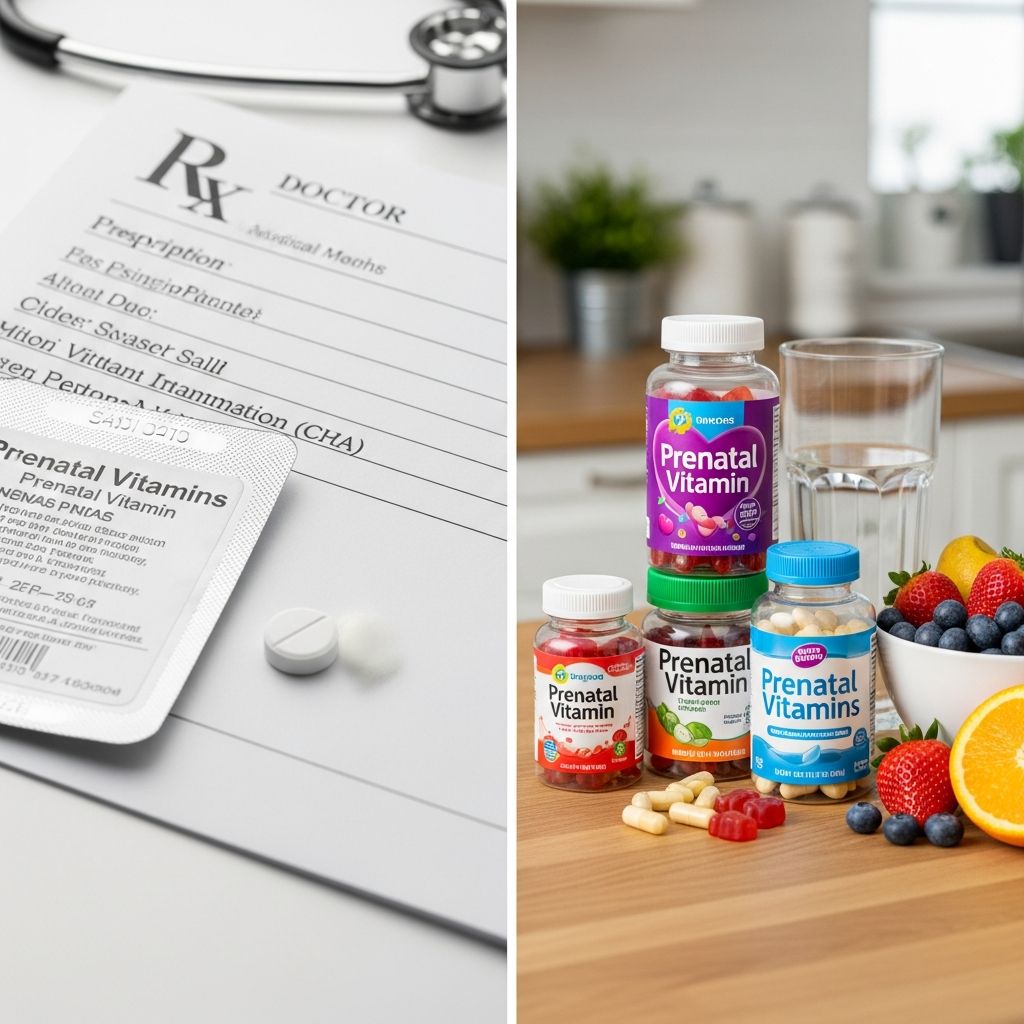
Prenatal vitamins are one of the first pregnancy decisions many people face, and often the choice comes down to whether to take a prescription product or an over-the-counter (OTC) supplement. While both can support a healthy pregnancy, they differ in formulation, cost, and convenience, and those differences matter when you are trying to nourish both yourself and your baby effectively.
This guide breaks down how prenatal vitamins work, what nutrients to prioritize, the key distinctions between prescription and OTC options, and how to evaluate labels and marketing claims so you can decide—together with your healthcare provider—which approach fits your body, your budget, and your values.
Why Prenatal Vitamins Matter in the First Place
A prenatal vitamin is not a substitute for balanced eating, but it acts like a safety net during a time when your body has higher nutrient demands and your appetite or digestion may be unpredictable. Pregnancy increases the need for certain vitamins and minerals, such as folate, iron, iodine, and vitamin D, and typical diets often fall short, even when they appear healthy on the surface.
Many of the most critical developmental processes—like neural tube formation—happen in the first weeks of pregnancy, sometimes before a person knows they are pregnant. That is why clinicians often recommend starting prenatal supplements before conception when possible, or as soon as pregnancy is confirmed if it was unplanned.
Core Nutrients to Look For in Any Prenatal
Whether you are filling a prescription or choosing a bottle from the shelf, the most important question is not “Is this prescription or OTC?” but “Does this supplement provide the nutrients that matter most, in safe and effective amounts?” While exact needs vary, most evidence-based guidelines emphasize the following components.
- Folate (or methylated folate): Helps support closure of the neural tube and reduces risk of certain birth defects. Many prenatals use folic acid; some use methylfolate for people who prefer or require that form.
- Iron: Supports increased blood volume, prevents or treats iron deficiency anemia, and helps transport oxygen to the placenta and baby.
- Calcium and vitamin D: Support bone health for both parent and baby, and play roles in muscle function and immune health.
- Iodine: Important for thyroid function and fetal brain development, yet not included in every prenatal by default.
- B vitamins (especially B6 and B12): Support energy metabolism and red blood cell production; B6 is sometimes used to help ease nausea.
- Omega-3 fats (DHA and EPA): Not universally included in multivitamins but often recommended to support fetal brain and eye development; may come in a separate capsule.
Beyond these, trace minerals like zinc, copper, and magnesium, as well as vitamins A, C, and E, can contribute to overall maternal and fetal health when present in appropriate doses and forms.
How Prescription Prenatal Vitamins Are Typically Structured
Prescription prenatals are products you obtain with an order from your healthcare provider and pick up at a pharmacy. They are often designed to be simple to use and to meet certain minimum standards for critical nutrients such as folate and iron. Many are one-pill-per-day formulas to encourage adherence during a time when fatigue and nausea can make complicated regimens difficult.
Some prescription products contain specific, branded nutrient forms—such as a particular type of iron or folate—that claim improved absorption or fewer side effects. These formulas may be helpful for people who have had trouble tolerating standard supplements in the past or who have absorption issues or specific medical conditions that warrant a tailored approach.
What Over-the-Counter Prenatal Vitamins Offer
Over-the-counter prenatal vitamins are available without a prescription at pharmacies, grocery stores, big-box retailers, and online. This category is wide-ranging, from very basic multivitamins labeled for pregnancy to premium products that emphasize organic ingredients, allergen-free formulas, or specific nutrient forms such as methylated folate or chelated minerals.
OTC options often provide flexibility: you may find capsules, tablets, gummies, liquids, or powders; combinations that include separate DHA; or formulas targeted to different phases like preconception, pregnancy, and postpartum. This variety can make it easier to find a product you can actually take consistently, but it also means you need to be more proactive about reading labels and evaluating quality.
Key Differences at a Glance
The table below summarizes some of the most common distinctions between prescription and over-the-counter prenatal vitamins. Keep in mind that there are many exceptions; use this as a starting framework rather than a rigid rulebook.
| Feature | Prescription Prenatal Vitamins | Over-the-Counter Prenatal Vitamins |
|---|---|---|
| How you get them | Require a healthcare provider’s order and are dispensed by a pharmacy. | Can be purchased directly from retailers without a prescription. |
| Regulatory oversight | Generally subject to tighter controls on manufacturing and labeling as drug products or medical foods, depending on classification. | Regulated as dietary supplements; manufacturers must follow safety rules, but formulas and claims are more variable. |
| Typical dosage pattern | Often one pill per day, designed for simplicity and adherence. | May require multiple pills per day or an additional omega-3 capsule; gummies may exclude iron. |
| Nutrient profile | Usually emphasize folate and iron; some contain unique or patented nutrient forms. | Wide range of strengths; some higher in certain vitamins and minerals, others intentionally lower for sensitive stomachs. |
| Cost and insurance | Sticker price may be higher, but some or all cost may be covered by insurance plans. | Price varies widely; often cheaper per bottle but fully out-of-pocket. |
| Customization options | Typically fewer flavor and format variations, but your provider can change the specific product if needed. | Extensive variety of brands, forms, and ingredient combinations, allowing trial-and-error to find a good fit. |
Advantages of Prescription Prenatal Vitamins
For some pregnant people, a prescription prenatal provides structure and peace of mind. Knowing that a clinician has selected the product and that it is dispensed through a pharmacy can make the decision feel more straightforward during a time when information overload is common.
- Professional guidance built in: Because a prescription requires involvement from your provider, there is an opportunity to discuss your medical history, your diet, any previous pregnancies, and lab results when choosing a product.
- Insurance coverage potential: In some health systems, part or all of the cost of a prescription prenatal may be reimbursed, which can make a higher-priced product more affordable over the course of pregnancy.
- Targeted formulations: Certain prescriptions use forms of iron, folate, or other nutrients that are designed to be better tolerated or absorbed, which may help if you have experienced gastrointestinal side effects or deficiency despite prior supplement use.
That said, a prescription does not automatically mean a product is “stronger” or “better” than every OTC option. The real value lies in the combination of oversight, targeted design, and the ability to coordinate with your overall care plan.
Advantages of Over-the-Counter Prenatal Vitamins
Over-the-counter prenatals offer accessibility and choice. For many people, especially those in early family planning stages or in-between medical visits, the ability to start a high-quality prenatal right away without waiting for an appointment can be a major benefit.
- Immediate availability: You can walk into a store or click “order” online and start supplementing within days, which is particularly helpful if you are trying to conceive or have just seen a positive pregnancy test.
- Broad price range: From budget-friendly generics to premium formulations, you can often find a product that meets both your nutrient needs and your financial realities.
- Format flexibility: For people who have difficulty swallowing pills or who struggle with nausea, the option to choose gummies, chewables, powders, or smaller capsules can be the difference between consistent use and giving up altogether.
The trade-off is that you, alongside your clinician, must play a more active role in scrutinizing labels, since quality, dosages, and added ingredients vary dramatically from one brand to another.
Common Misconceptions About Prenatal Vitamins
Marketing and word-of-mouth can create confusion about what prenatal vitamins can and cannot do. Clearing up a few myths helps you focus on evidence-based choices instead of hype.
- “Prescription always means higher quality.” In reality, some non-prescription products contain comparable or even higher amounts of certain vitamins and minerals than prescription options. Quality depends on formulation, testing, and manufacturing practices, not just whether a pad of paper was involved in the purchase.
- “More is always better.” Taking extremely high doses of fat-soluble vitamins or certain minerals without medical supervision can be harmful. It is possible to exceed safe upper limits with a potent supplement plus fortified foods and additional single-ingredient pills.
- “A prenatal guarantees perfect nutrition.” Supplements are designed to fill gaps, not replace the benefits of a varied diet, hydration, movement, sleep, and regular prenatal care. They work best as part of a broader lifestyle and medical plan.
How to Read a Prenatal Vitamin Label
Standing in the supplement aisle or scrolling endlessly online can feel overwhelming, but a methodical approach to the label makes comparison easier. Focus on four main areas: nutrient amounts, nutrient forms, additional ingredients, and third-party verification when available.
- Check the key nutrients first: Verify that folate, iron, iodine, vitamin D, and B vitamins are present in amounts that align with your provider’s guidance. Make allowances if you obtain some nutrients—such as DHA—from separate products.
- Look at the form of each nutrient: Some people prefer methylated folate over folic acid or chelated minerals over basic salts due to perceived or documented absorption advantages or genetic considerations. If you have specific needs, confirm the form matches what your clinician recommends.
- Scan for potential irritants: Colorants, artificial sweeteners, certain herbal blends, or high doses of sugar alcohols can cause headaches, digestive upset, or other issues. Consider whether each added ingredient serves a purpose for you personally.
- Note the serving size: Some labels list impressive nutrient amounts that require multiple capsules per day; if you are unlikely to remember more than one dose, a simpler product may be more realistic.
Side Effects and Tolerability: What to Expect
It is common to experience some side effects when starting or changing prenatal vitamins, especially in the first trimester when nausea and sensitivity are already high. Iron, in particular, is known for causing constipation, darker stools, or occasional stomach upset, regardless of whether the product is prescription or OTC.
If you find that your supplement worsens nausea, triggers reflux, or causes significant digestive issues, options include switching to a different form of iron, taking the vitamin with food (if allowed by the product directions), changing the time of day you take it, or using a split-dose approach under your provider’s guidance. Persistent or severe symptoms always deserve a conversation with a clinician, as they could signal issues beyond simple supplement intolerance.
Cost, Insurance, and Budgeting Over a Full Pregnancy
Prenatal vitamins are a recurring expense that can span preconception, the entire pregnancy, and sometimes the postpartum period, especially if you are breastfeeding. That timeline can easily add up to a year or more of daily supplements, making total cost a practical concern.
- With prescription prenatals: Ask your pharmacy and insurer how much you will pay per month after coverage, and whether generic or alternative brands are available that provide comparable nutrient profiles at a lower out-of-pocket cost.
- With OTC products: Compare price per day rather than price per bottle; a cheaper bottle that requires three tablets per day may ultimately cost more than a slightly pricier one-pill formula. Subscription discounts or buying larger quantities can sometimes reduce cost, but only if you are sure the product works well for you.
In either case, let your provider know if cost is a barrier. They may suggest acceptable generic choices, coupons, samples, or a simplified regimen that still meets your most important nutrient needs.
Special Health Situations That May Influence Your Choice
Not all pregnancies are the same, and certain medical conditions or histories may nudge your provider toward recommending one type of prenatal over another. What feels like a simple supplement decision is, in some cases, part of a more complex medical strategy.
- Digestive disorders and surgeries: If you have celiac disease, inflammatory bowel disease, or a history of bariatric surgery, absorption can be unpredictable. Your provider may prefer a specific prescription formula or a combination of products to ensure adequate levels.
- Previous pregnancy complications: A history of anemia, neural tube defects, or certain pregnancy-related conditions can influence the recommended amount and form of folate, iron, or other nutrients, making tailored supplementation more important.
- Medication interactions: Some medications interact with vitamins or minerals, affecting absorption or safety. In these cases, the exact composition of your prenatal—and when you take it relative to other drugs—should be coordinated with your healthcare team.
Decision Checklist: Choosing Your Prenatal Vitamin Step by Step
When it is time to pick a prenatal, streamlining the decision into a few concrete steps can prevent overwhelm. Use the checklist below as a conversation starter with your provider and as a personal guide when comparing products.
- Clarify your needs: Share your health history, diet patterns, lab results, and any previous supplement experiences with your clinician so you both understand which nutrients should be prioritized.
- Decide on prescription vs. OTC: Weigh the value of insurance coverage, professional oversight, and targeted formulas against the flexibility and accessibility of non-prescription products.
- Evaluate at least two labels: Compare nutrient amounts, forms, serving sizes, and added ingredients. Confirm that key nutrients like folate, iron, iodine, and vitamin D align with recommended targets.
- Consider format and tolerability: If you know you struggle with large tablets or strong aftertastes, prioritize capsules, gummies, or liquids, and plan when in the day you are most likely to tolerate them.
- Reassess after a few weeks: Track how you feel, including any digestive changes, energy levels, or adherence challenges, and adjust with your provider’s input if the product you chose is not working well for you.
Frequently Asked Questions
Do I have to take a prescription prenatal vitamin if my doctor writes one?
A prescription from your provider is a recommendation, not a legal requirement, but it should be taken seriously because it reflects their understanding of your individual needs. If you prefer to use an over-the-counter product, discuss this openly and bring the specific supplement for review so your clinician can confirm that its nutrient profile is appropriate for you.
Can I switch from a prescription prenatal to an over-the-counter one (or the other way around)?
Yes, many people switch types of prenatal vitamins during pregnancy due to cost, side effects, or changing needs. If you plan to change, do so intentionally: share the labels with your healthcare provider, avoid overlapping high-dose products without guidance, and monitor how your body responds over the next few weeks.
Are gummy prenatal vitamins good enough?
Gummy prenatals can be helpful for those who cannot tolerate pills, but they often omit iron and sometimes contain lower doses of certain nutrients to keep the gummies palatable and stable. If gummies are the only form you can reliably take, your clinician may add a separate iron supplement or adjust other aspects of your plan to close any gaps.
Should my partner take prenatal vitamins too?
While traditional prenatal vitamins are formulated specifically for pregnancy and lactation, preconception health matters for all parents. Some people trying to conceive choose a standard multivitamin, targeted fertility supplement, or focus on dietary changes to support sperm quality or general reproductive health. Your healthcare provider can suggest an appropriate approach for your situation.
How long should I keep taking prenatal vitamins after birth?
Many clinicians advise continuing prenatal or postnatal vitamins through at least the early postpartum months, especially while breastfeeding, because nutrient demands remain high and appetite or energy may still be irregular. The exact duration depends on your recovery, feeding choices, and lab results, so this is a good topic for your postpartum visits.
Putting It All Together
The most important decision is not whether your prenatal vitamin comes from behind the pharmacy counter or off the store shelf, but whether it supplies the nutrients you need in doses and forms that you can tolerate and afford over time. When in doubt, turn to your healthcare team for guidance, bring labels and specific questions to appointments, and remember that supplements are one piece of a larger picture that also includes food, rest, movement, and ongoing medical care.
By combining sound information with personalized advice, you can choose a prenatal vitamin strategy that supports both your health and your growing baby—without getting lost in marketing claims or conflicting opinions.