Prescription medicines can keep you healthy, reduce pain, and help you manage medical conditions. But when they are used the wrong way, they can lead to addiction, overdose, or even death. This guide explains how to use prescriptions safely, why misuse is risky, and what to do if you’re worried about yourself or a friend.
What Are Prescription Medicines?
A prescription medicine is a drug that you can only get when a licensed health professional (like a doctor, nurse practitioner, dentist, or psychiatrist) writes an order for you that a pharmacist fills. These medicines are regulated because they can have powerful effects, both helpful and harmful, and need professional supervision.
By contrast, over-the-counter (OTC) medicines can be bought without a prescription but still must be used exactly as the label and your health provider direct.
Common Types of Prescription Medicines Teens See
- Opioid pain relievers (for serious pain, after surgery or injuries)
- Stimulants (often used to treat ADHD)
- Anti-anxiety medicines and sedatives (to treat anxiety, panic, or sleep problems)
- Antidepressants and mood stabilizers (for depression or mood disorders)
- Other chronic-condition medicines (for asthma, diabetes, seizures, kidney or heart conditions, etc.)
When these medicines are used exactly as prescribed for the person they were prescribed for, they can be lifesaving. When they’re misused, they can be extremely dangerous.
Using Your Prescription Safely: The Basics
Safe use starts with knowing exactly what you are taking and why. Teens who understand their medicines are more likely to take them correctly and less likely to share or misuse them.
Key Safety Rules
- Take only your own medicine. A prescription is tailored to your body, condition, and medical history.
- Follow the directions exactly. Take the dose written on the label at the times listed. Do not change doses on your own.
- Ask questions until you’re clear. If you don’t understand why you’re taking a medicine or how to use it, ask your health provider or pharmacist.
- Do not mix with alcohol or drugs. Combining prescription medicines with alcohol or other substances can be deadly, especially with opioids, sedatives, and anxiety medicines.
- Tell your provider about all medicines you use. Include prescriptions, OTC medicines, vitamins, and supplements so they can check for dangerous interactions.
Questions to Ask About Any New Prescription
- What is this medicine for?
- How long should I take it?
- What dose do I take and how often?
- Can I take it with food, or on an empty stomach?
- What side effects should I look out for?
- Is it safe to drive, play sports, or focus in school while I’m on it?
- What happens if I miss a dose?
Writing these answers down or snapping a photo of the label can help you remember later.
Prescription vs. Misuse vs. Abuse
Not all risky use looks like “hardcore drug abuse.” Misuse can start with small choices that seem harmless, like taking an extra pill because you’re in more pain. Understanding the difference can help you catch problems early.
| How It’s Used | What It Looks Like | Risk Level |
|---|---|---|
| Proper medical use | Taking your own prescription exactly as directed for a health condition. | Benefits usually outweigh risks when monitored by a provider. |
| Misuse | Using your medicine differently than prescribed (extra doses, more often, saving pills for later without guidance). | Raises risk of side effects, dependence, and overdose. |
| Abuse | Using medicines without a prescription, using someone else’s pills, or using them just “to get high.” | High risk of addiction, overdose, and legal trouble. |
Why Teens Misuse Prescription Medicines
Research shows that prescription drugs are among the most commonly misused substances by teens after marijuana and alcohol. Many teens say they thought prescriptions were safer than street drugs because they came from a doctor, which is not true.
Common Reasons Teens Give
- To get high or experiment – trying opioids, stimulants, or sedatives for the “buzz.”
- To cope with stress, anxiety, or depression – self-medicating instead of getting proper mental health care.
- To boost school performance – using someone else’s ADHD medicine to stay awake or focus.
- To escape problems or boredom – using pills to numb emotions or fill empty time.
- Because “everyone else” is doing it – responding to peer pressure at parties or in friend groups.
These reasons are understandable, but none make misuse safer. There are healthier, safer ways to handle stress, mental health struggles, or academic pressure.
How Misuse Harms Your Brain and Body
Many prescription medicines act on the brain’s reward and stress systems. When misused, they can change how your brain works, especially during the teen years when the brain is still developing.
Health Risks Vary by Medicine Type
- Opioid pain medicines
- Slow breathing and heart rate
- Extreme drowsiness, confusion
- High risk of overdose, especially with alcohol or other sedatives
- Stimulants
- Rapid heart rate, high blood pressure
- Agitation, anxiety, or panic
- Seizures, stroke, or heart problems in extreme cases
- Sedatives and anti-anxiety medicines
- Slowed breathing, poor coordination
- Blackouts, memory problems
- Severe overdose risk when combined with alcohol or opioids
In addition to overdose, misuse can lead to addiction, where the brain and body become so used to a drug that stopping it leads to withdrawal and cravings. Teens who start misusing earlier are at higher risk of developing long-term substance use disorders.
Home, Friends, and the “Medicine Cabinet” Problem
Many teens don’t get pills from strangers; they get them from familiar places. Studies show that teens often find prescription medicines in their own homes or those of relatives, especially grandparents, or from friends who share or sell extra pills.
How Teens Commonly Access Prescriptions
- Unsecured medicine cabinets or bathroom shelves at home
- Leftover pain pills after surgery or dental procedures
- Friends with prescriptions for ADHD, anxiety, or pain
- Buying online from illegal sites that don’t require prescriptions
Ordering prescription medicines from unregulated websites or buying them on the street can be especially dangerous because pills may be contaminated or counterfeit (for example, fake opioids containing fentanyl).
Smart Storage and Disposal
Safe storage and disposal help protect you, your friends, and younger siblings from accidental or intentional misuse.
How to Store Medicines Safely
- Keep medicines in their original, labeled containers so you always know what they are.
- Store them in a secure place (a locked box or drawer is best for high-risk medicines like opioids or sedatives).
- Do not leave pills in backpacks, cars, or school lockers where others can access them.
- Talk with your parent or caregiver about locking up medicines that can be misused.
Getting Rid of Leftover Pills
- Use community drug take-back programs or secure drop-off boxes at pharmacies or police stations when available.
- If no program is available, your health provider or pharmacist can tell you how to dispose of specific medicines safely at home.
- Never save strong pain pills or sedatives “just in case” without your provider’s guidance.
Warning Signs of Trouble
Catching problems early can prevent serious harm. Prescription drug misuse often shows up through changes in behavior, school performance, and health.
Signs You Might Be Misusing Medicines
- Taking more medicine than prescribed or taking it more often
- Using someone else’s pills or lying to get extra prescriptions
- Focusing a lot on when you can take your next dose
- Needing more of the medicine to feel the same effect
- Feeling sick, shaky, or anxious when you cut back or stop
Signs a Friend May Be Misusing
- Sudden mood swings, irritability, or unusual sleepiness
- Dropping grades, skipping school, or losing interest in activities
- Missing pills at home or medicines disappearing at gatherings
- Showing up intoxicated without the smell of alcohol
- Secretive behavior about pills or new “capsules” and “tabs”
Any of these signs are a reason to talk with a trusted adult and encourage your friend to get help, not a reason to judge.
What To Do If You’re Worried
If you think you or someone you care about might be misusing prescription medicines, you are not alone—and help is available. Early action can prevent addiction and overdose.
If You’re Concerned About Yourself
- Be honest with your healthcare provider about how you’re using the medicine. They can adjust your treatment safely.
- Talk with a parent, caregiver, school counselor, or other trusted adult about what’s going on.
- Ask about counseling or mental health support if you’re using pills to cope with stress, anxiety, or depression.
If You’re Concerned About a Friend
- Let them know calmly that you’re worried and why.
- Encourage them to talk to an adult they trust or to a health professional.
- If you think they are in immediate danger, tell a responsible adult right away, even if you promised not to. Safety comes first.
Emergencies: Overdose or Severe Reaction
Call emergency services right away if someone:
- Is extremely sleepy or difficult to wake up
- Has slow or stopped breathing
- Has blue or gray lips or fingernails
- Has a seizure or loses consciousness
Some families and schools keep naloxone, a medicine that can quickly reverse an opioid overdose, on hand. Health authorities recommend having naloxone available in places where opioid misuse might occur. Ask your health provider if this makes sense for your home.
Building a Personal Medicine Safety Plan
Planning ahead can make it easier to use medicines safely and avoid pressure to misuse them.
Steps You Can Take
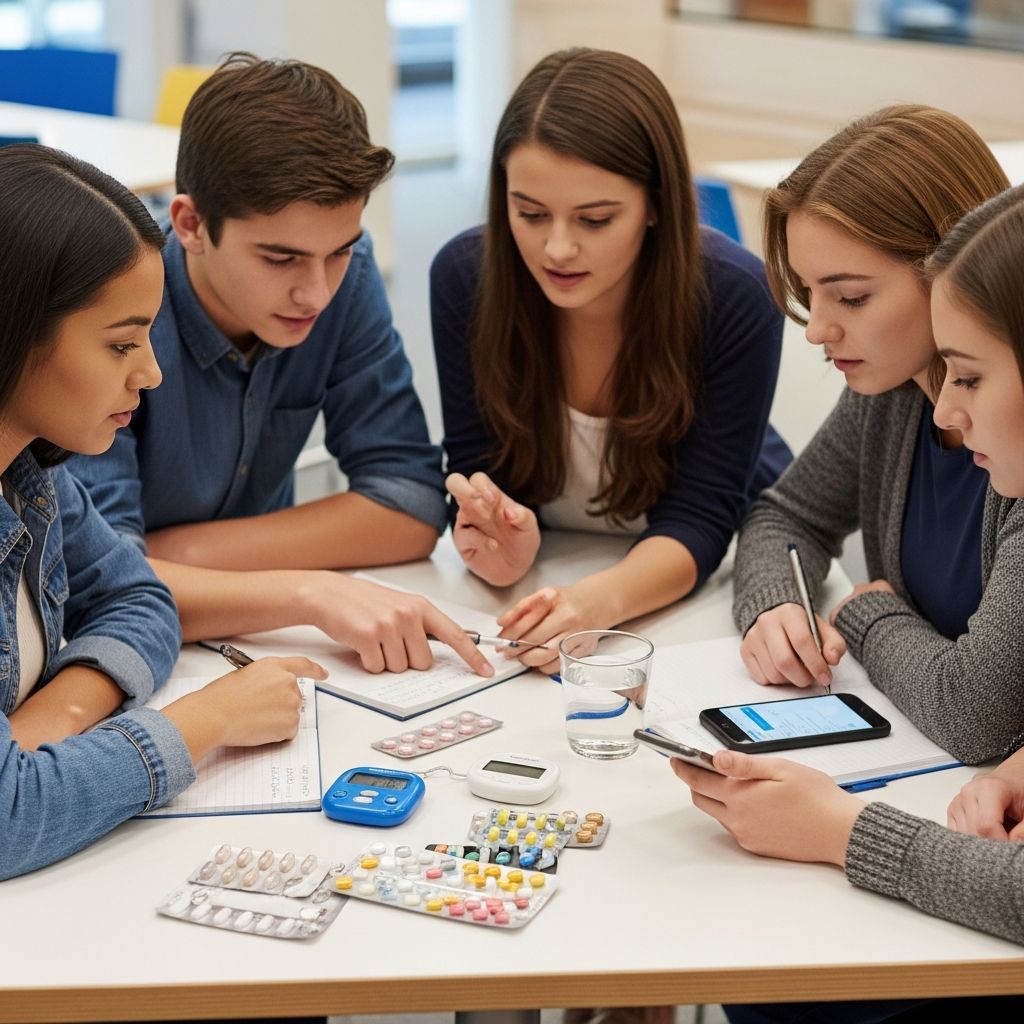
- Know your medicines. Keep a list (on your phone or written down) of each medicine you take, the dose, and why you take it.
- Set reminders. Use alarms or apps to remember doses instead of “doubling up” if you forget.
- Decide your boundaries. Plan what you’ll say if someone offers you pills: simple phrases like “I don’t take anything that’s not prescribed to me” work.
- Ask for help early. If you feel tempted to use more than prescribed or use someone else’s medicine, talk to a trusted adult or provider.
Frequently Asked Questions (FAQs)
Is it really that bad to take a friend’s ADHD pill to study?
Yes. Using someone else’s prescription is considered misuse and can be illegal. Stimulants can raise your heart rate and blood pressure, trigger anxiety, and put you at risk of dependence, especially when you take doses not meant for you. There are safer ways to improve focus, like study skills, sleep, and talking with a provider if you have ongoing concentration problems.
What if my parents share one prescription pain bottle between them?
Adults should only take medicine prescribed for them, too. If you notice sharing, it’s okay to ask a health provider privately about safe use. For you, the key rule is to avoid taking any medicine unless it’s prescribed specifically to you and you understand how to use it.
Can you get addicted even if a doctor prescribed it?
Yes. Some medicines, especially opioids, stimulants, and sedatives, can cause physical dependence and addiction even when they are first prescribed legitimately. That’s why it is crucial to use them exactly as directed and to have close follow-up with your provider.
How common is prescription drug misuse in teens?
Large national surveys show that prescription medicines are among the most commonly misused drugs by teens after alcohol and marijuana. Many teens report taking a prescription that was not written for them, often believing it is safer than street drugs—which is not true.
What should I do with old pills in my room?
Tell a parent or caregiver and ask to dispose of them safely. Look for local medicine take-back options, or ask your pharmacist how to get rid of them properly. Keeping unused high-risk medicines increases the chances of accidental or intentional misuse.
References
- Prescription Drug Abuse: Symptoms and Causes — Mayo Clinic. 2024-01-10. https://www.mayoclinic.org/diseases-conditions/prescription-drug-abuse/symptoms-causes/syc-20376813
- Teens and Prescription Medicines — University of Rochester Medical Center Health Encyclopedia. 2023-06-15. https://www.urmc.rochester.edu/encyclopedia/content?contenttypeid=1&contentid=4240
- Six Tips for Managing Your Medications When You’re a Teen — National Kidney Foundation. 2022-05-05. https://www.kidney.org/kidney-topics/six-tips-managing-your-medications-when-you-re-teen
- Prescription Drugs: What You Need to Know — U.S. Drug Enforcement Administration (DEA), in “Prescription for Disaster: How Teens Abuse Medicine”. 2018-02-01. https://www.dea.gov/sites/default/files/resource-center/Publications/DEA_Prescription-For-Disaster_508ver.pdf
- Rx for Understanding: Prescription Drug Safety — Nebraska Regional Poison Center. 2018-10-01. https://www.nebraskapoison.com/wp-content/uploads/2018/10/rx-understanding.pdf
- Understanding Medicines and What They Do (for Teens) — Nemours KidsHealth. 2022-03-01. https://kidshealth.org/en/teens/meds.html