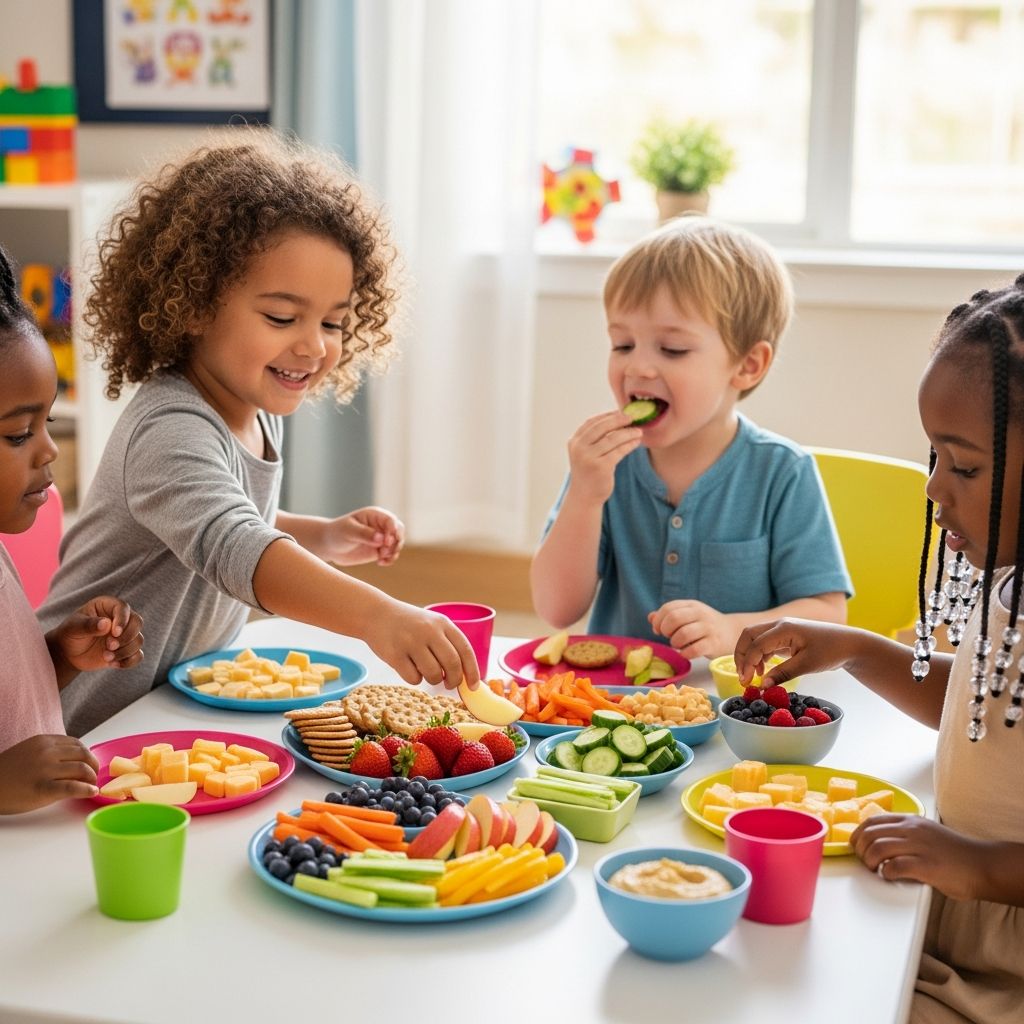
Preschoolers aged 2 to 5 experience rapid growth and development, making balanced nutrition crucial for physical health, cognitive function, and immune strength. Providing a variety of nutrient-rich foods supports energy needs while establishing positive eating patterns that last a lifetime.
Understanding Nutritional Needs for Young Children
During the preschool years, children’s appetites fluctuate due to slower growth rates compared to infancy. Caloric requirements vary by age, activity level, and gender, typically ranging from 1,000 to 1,600 calories daily for ages 2-4 and up to 2,000 for more active 5-year-olds. Focus on five key food groups: fruits, vegetables, grains, proteins, and dairy or fortified alternatives to meet vitamins, minerals, fiber, and macronutrients.
Key principles include offering child-sized portions, encouraging self-feeding to build independence, and modeling healthy choices at family meals. Avoid forcing food or using meals as rewards to prevent negative associations.
Daily Food Group Recommendations
Health experts recommend specific servings to ensure comprehensive nutrition. These guidelines promote variety and limit empty calories from sugars and unhealthy fats.
| Food Group | Ages 2-3 (Servings/Day) | Ages 4-5 (Servings/Day) | Serving Size Example |
|---|---|---|---|
| Vegetables | 3-4 | 1-2 cups | ½ cup cooked carrots or broccoli |
| Fruits | 2-3 | 1-1.5 cups | ½ cup berries or one small apple |
| Grains (½ whole) | 3-6 | 3-5 oz | ½ slice whole-wheat bread or ¼ cup oatmeal |
| Protein | 2-5 | 3-5 oz | 1 oz lean chicken or ¼ cup beans |
| Dairy/Fortified Soy | 3-5 | 2-2.5 cups | ½-¾ cup low-fat milk or yogurt |
Adapt portions based on hunger cues; active children may need the upper end.
Building Balanced Meals and Snacks
Structure eating around three meals and two snacks daily, spaced 2-3 hours apart to maintain steady energy and prevent overeating. Meals should combine at least three food groups, while snacks pair two for balance.
- Breakfast ideas: Whole-grain oatmeal topped with sliced bananas and a side of low-fat yogurt.
- Lunch examples: Turkey on whole-wheat pita with carrot sticks, hummus, and milk.
- Dinner suggestions: Baked fish, quinoa, steamed peas, and a fruit salad.
- Snack combos: Apple slices with peanut butter or cheese cubes with whole-grain crackers.
Incorporate colors and textures to make meals appealing—rainbow plates with reds, oranges, greens, and yellows encourage exploration.
Power-Packed Food Choices by Group
Vibrant Fruits and Veggies
Aim for half the plate as produce. Fresh, frozen, canned (low-sodium), or dried options work; prioritize whole fruits over juices to maximize fiber. Examples: strawberries, melons, spinach, sweet potatoes. These provide vitamins A and C for immunity and vision.
Smart Grains for Sustained Energy
Select half as whole grains like brown rice, whole-wheat pasta, or popcorn. They offer B vitamins, iron, and fiber for digestion and focus.
Lean Proteins for Growth
Include fish, poultry, eggs, beans, nuts, and seeds twice weekly. Limit processed meats; aim for variety to cover iron, zinc, and omega-3s essential for brain development.
Calcium-Rich Dairy Options
Low-fat milk, yogurt, or cheese (or fortified plant-based) support bones and teeth. Lactose-intolerant? Choose alternatives with added calcium and vitamin D.
What to Limit for Optimal Health
Restrict added sugars to under 25g daily, avoiding sodas, candies, and sweetened cereals. Cap saturated fats and sodium by skipping fried foods, chips, and processed items. Opt for water or plain milk as beverages.
- No sugary drinks: Replace with infused water (lemon or berries).
- Low-sodium swaps: Fresh veggies over canned, herbs over salt shakers.
- Fat balance: 25-35% of calories from healthy fats like avocados, nuts.
Tackling Picky Eating Challenges
Neophobia peaks at this age—repeated exposure (10-15 tries) without pressure works best. Serve new foods alongside favorites; involve kids in prep like washing produce. Family meals normalize variety; don’t prepare special options.
Strategies:
- Small portions of unknowns to reduce overwhelm.
- FUN presentations: Veggie faces or fruit kebabs.
- Positive reinforcement for trying, not finishing.
Mealtime Environment and Routines
Establish consistent schedules: Breakfast within an hour of waking, no screens during eating to promote mindful consumption. Supervise to ensure safety—cut foods into small pieces to prevent choking.
Parents decide what and when; children choose how much. This ‘division of responsibility’ fosters healthy attitudes.
Hydration and Beverage Best Practices
Water is ideal between meals; milk at mealtimes (2 cups/day for ages 1-8). Limit juice to 4 oz diluted, if any. Sparkling water with fruit slices adds fun without sugar.
Sample Weekly Meal Plan
| Day | Breakfast | Lunch | Dinner | Snacks |
|---|---|---|---|---|
| Monday | Yogurt parfait w/berries | Tuna salad wrap, cucumber | Chicken stir-fry w/rice, broccoli | Cheese & crackers / Apple |
| Tuesday | Oatmeal w/banana | Bean soup, whole-grain bread | Baked salmon, quinoa, peas | Hummus & carrots / Pear |
| Wednesday | Whole-grain toast, eggs | Turkey roll-ups, salad | Lentil curry, brown rice | Yogurt / Grapes |
| Thursday | Smoothie w/spinach | Cheese quesadilla, salsa | Beef stir-fry, noodles | Nuts & fruit / Celery sticks |
| Friday | Pancakes w/fruit | Egg salad, pita | Fish tacos, corn | Cottage cheese / Orange |
| Weekend | Vary w/family favorites | Picnic-style mixes | Grill lean proteins, veggies | Seasonal fruits/veggies |
Special Considerations and Allergies
Monitor for intolerances; introduce allergens early under guidance. For vegetarian families, emphasize beans, eggs, nuts. Active play (3 hours/day for ages 3-5) complements diet for weight management.
Frequently Asked Questions (FAQs)
What if my preschooler refuses vegetables?
Keep offering without comment; mix into smoothies or sauces. Patience yields results over weeks.
How much milk is too much?
Stick to 2 cups/day to avoid displacing solids; transition to low-fat after age 2.
Can snacks be fun and healthy?
Yes—ant on a log (celery, peanut butter, raisins) or yogurt-dipped fruit.
What about juice?
Limit to 4 oz 100% juice, diluted; water preferred.
How to handle growth spurts?
Appetites increase; offer nutrient-dense choices, consult pediatrician if concerned.
References
- Ages 2-8 Feeding Recommendations — Healthy Eating Research. 2023. https://healthyeatingresearch.org/tips-for-families/ages-2-8-feeding-recommendations/
- Preschooler Nutrition — Stanford Medicine Children’s Health. 2024. https://www.stanfordchildrens.org/en/topic/default?id=preschooler-nutrition-90-P02273
- Good Nutrition Starts Early — Centers for Disease Control and Prevention (CDC). 2025-01-10. https://www.cdc.gov/nutrition/features/good-nutrition-starts-early.html
- Nutrition Information for Preschoolers — MyPlate.gov (USDA). 2024. https://www.myplate.gov/life-stages/preschoolers
- Nutrition for kids: Guidelines for a healthy diet — Mayo Clinic. 2024-06-15. https://www.mayoclinic.org/healthy-lifestyle/childrens-health/in-depth/nutrition-for-kids/art-20049335
- Preschooler Food and Feeding — American Academy of Pediatrics (AAP). 2021-07-08. https://www.aap.org/en/patient-care/healthy-active-living-for-families/preschooler-food-and-feeding/
- Dietary Recommendations for Healthy Children — American Heart Association. 2024. https://www.heart.org/en/healthy-living/healthy-eating/eat-smart/nutrition-basics/dietary-recommendations-for-healthy-children