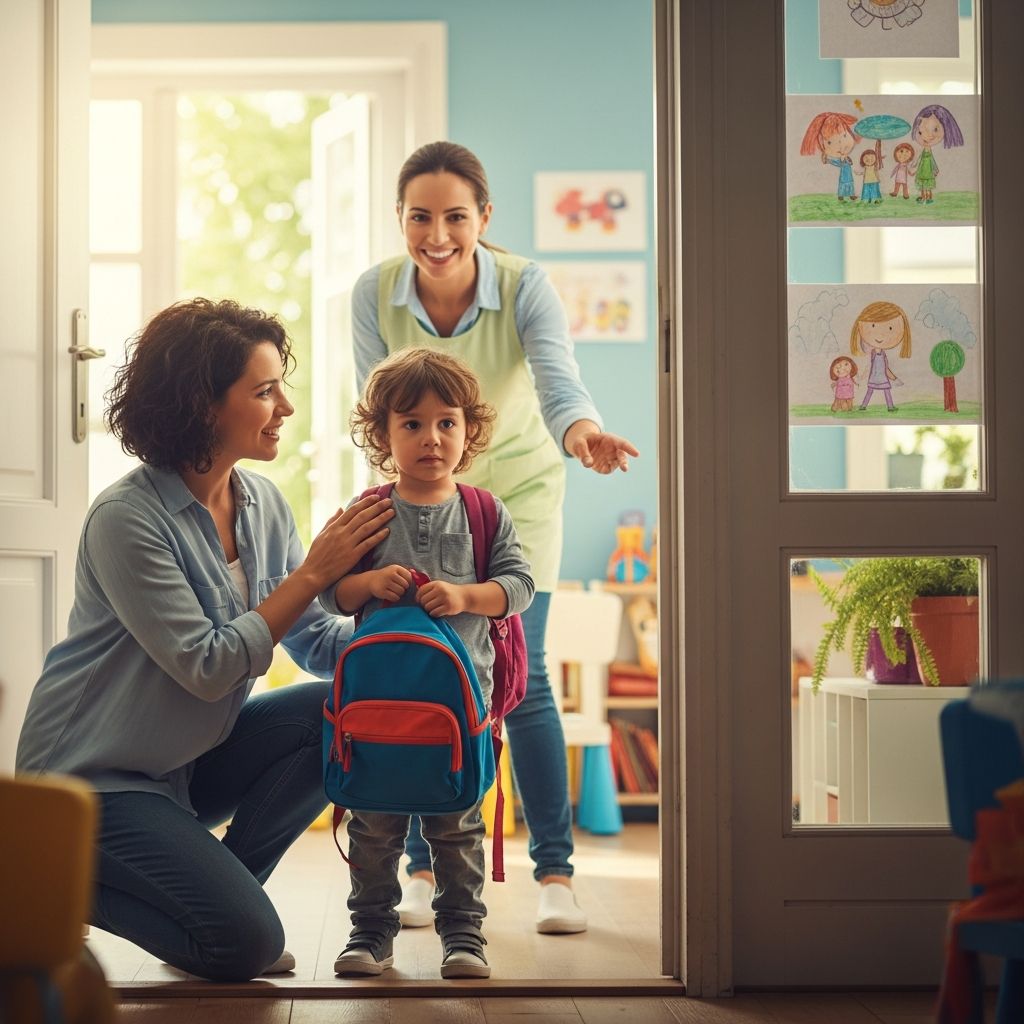
Separation anxiety is a common developmental milestone for young children, particularly as they approach preschool age. While it can be distressing for both parents and children, understanding its roots and applying targeted strategies can transform these challenges into opportunities for growth and confidence-building.
Understanding the Roots of Separation Concerns in Young Children
Young children naturally form strong attachments to their primary caregivers, viewing them as a source of safety in an unpredictable world. This bond, essential for healthy emotional development, can lead to distress when separations occur, such as during preschool drop-offs. Separation anxiety typically peaks between 8 months and 3 years but may persist or intensify in preschoolers due to increased awareness of time and potential dangers.
Biological factors play a role, including potential imbalances in brain chemicals like norepinephrine and serotonin, which regulate mood and stress responses. Environmental influences, such as family stress, major life changes like moving or parental divorce, or even a child’s innate temperament, can exacerbate these feelings. Importantly, this anxiety is not a sign of poor parenting but a normal phase that, when navigated well, strengthens a child’s resilience.
Key Indicators That Signal Separation Challenges
Recognizing the signs early allows parents to intervene effectively. Common manifestations include emotional outbursts and physical complaints that arise specifically around separation times. Here’s a breakdown of frequent symptoms:
- Intense crying, clinging, or tantrums that exceed typical age-appropriate reactions and persist beyond a few minutes.
- Recurrent nightmares centered on themes of loss or abandonment.
- Physical symptoms like stomachaches, headaches, nausea, or muscle tension before leaving for school or bedtime.
- Excessive worry about family safety, such as fears of illness, disasters, or kidnapping.
- Refusal to sleep alone, attend school, or engage in age-expected independent activities.
When these persist for over four weeks and disrupt daily functioning, they may indicate separation anxiety disorder, warranting professional evaluation.
Differentiating Normal Phases from Persistent Issues
| Normal Separation Anxiety | Separation Anxiety Disorder |
|---|---|
| Occurs in most children 18 months to 3 years; short-lived distress that resolves quickly after separation. | Intense, prolonged symptoms lasting 4+ weeks; interferes with school, sleep, and social life. |
| Mild clinginess or brief tears at drop-off. | Panic attacks, refusal to attend school, constant reassurance-seeking. |
| Improves with age and routine. | Accompanied by other disorders like depression or OCD; requires intervention. |
Most preschoolers experience the normal variety, which fades as they gain independence. However, monitoring for escalation is crucial, especially post-holidays or illness when symptoms often reemerge.
Building a Foundation of Security at Home
Creating a stable home environment lays the groundwork for easier separations. Consistency is paramount—establish predictable daily routines for meals, play, and bedtime to reduce uncertainty. Discuss emotions openly using simple language and books about feelings to help children name and manage their anxieties.
Practice short separations within the home, such as playing in another room while staying within earshot. Gradually extend these to build tolerance. Reassure children of your return with specific timelines, like “I’ll be back after lunch,” and always follow through to foster trust.
Proven Daily Practices to Foster Independence
Empowering preschoolers through structured activities promotes self-reliance. Encourage exploration in safe spaces, praising efforts to reinforce positive behaviors. Role-play preschool scenarios with toys or dolls to demystify the experience.
- Develop a Special Goodbye Ritual: A quick hug, kiss, and phrase like “See you soon, love you!” signals the transition positively without lingering, which can heighten anxiety.
- Involve Trusted Caregivers: Arrange playdates with familiar adults or older siblings to expand the child’s comfort zone gradually.
- Prioritize Quality Evenings: Dedicate undivided attention post-pickup to reaffirm the bond, reducing anticipatory worry for the next day.
- Promote Self-Soothing Tools: Offer comfort items like a favorite stuffed animal or photo of the family for school use.
These steps, applied consistently, help children internalize security, knowing separations are temporary and safe.
Collaborating with Preschool Staff for Seamless Transitions
Partnering with educators amplifies home efforts. Share insights about your child’s triggers and effective comforts beforehand. Request brief check-ins or photos during the day to ease your mind—and indirectly your child’s—without disrupting class.
Visit the preschool multiple times pre-enrollment for familiarization tours and meet-the-teacher sessions. On the first day, opt for a short stay to acclimate gradually. Teachers trained in child development often use group activities to distract and engage anxious arrivals effectively.
When to Seek Professional Guidance
If symptoms intensify—such as school refusal persisting weeks, panic attacks, or co-occurring issues like depression—consult a pediatrician or child psychologist. Therapies like cognitive-behavioral approaches teach coping skills, while in severe cases, medication may be considered.
Early intervention prevents long-term impacts on academic performance and social skills. Resources from hospitals like Mayo Clinic emphasize ruling out other conditions through comprehensive assessments.
Long-Term Benefits of Overcoming Early Anxieties
Children who navigate separation successfully develop robust emotional regulation, paving the way for friendships, learning, and adaptability. Parents emerge more confident, too, in guiding their child’s growth. Track progress in a journal to celebrate small victories and adjust strategies as needed.
Remember, patience and empathy are your strongest tools. Every child’s timeline differs, but with support, most outgrow these fears by kindergarten.
Frequently Asked Questions (FAQs)
How long does separation anxiety typically last in preschoolers?
Normal separation anxiety often resolves within weeks to months with consistent support, improving significantly by age 3-4. Persistent cases may need professional help if lasting over a month.
Can separation anxiety affect sleep patterns?
Yes, children may resist sleeping alone, experience nightmares about separation, or wake frequently due to worries.
Is separation anxiety more common after major changes?
Absolutely—events like moving, family illness, or school breaks can trigger or worsen symptoms as children process instability.
What role does routine play in reducing anxiety?
Routines provide predictability, minimizing surprises and helping children anticipate separations positively.
Should parents stay longer on the first preschool day?
A brief extension can help, but quick, positive goodbyes are ideal to avoid prolonging distress. Coordinate with teachers.
References
- Separation Anxiety in Preschool Children — Mana.md. 2023. https://mana.md/separation-anxiety-in-preschool-children/
- Separation anxiety disorder – Symptoms and causes — Mayo Clinic. 2025-01-10. https://www.mayoclinic.org/diseases-conditions/separation-anxiety-disorder/symptoms-causes/syc-20377455
- Easing Separation Anxiety in Preschoolers and Kindergarteners — Wee Care Pediatrics. 2024. https://weecarepediatrics.com/easing-separation-anxiety-in-preschoolers-and-kindergarteners/
- Separation Anxiety Disorder — University of Rochester Medical Center Golisano Children’s Hospital. 2024-08-15. https://www.urmc.rochester.edu/childrens-hospital/developmental-disabilities/conditions/anxiety-disorders/separation-anxiety-disorder.aspx
- Separation Anxiety — Nemours KidsHealth. 2025. https://kidshealth.org/en/parents/sep-anxiety.html
- Separation Anxiety: What’s Normal and When to Worry — Children’s Hospital of Philadelphia. 2023-11-20. https://www.chop.edu/news/health-tip/separation-anxiety-whats-normal-and-when-worry