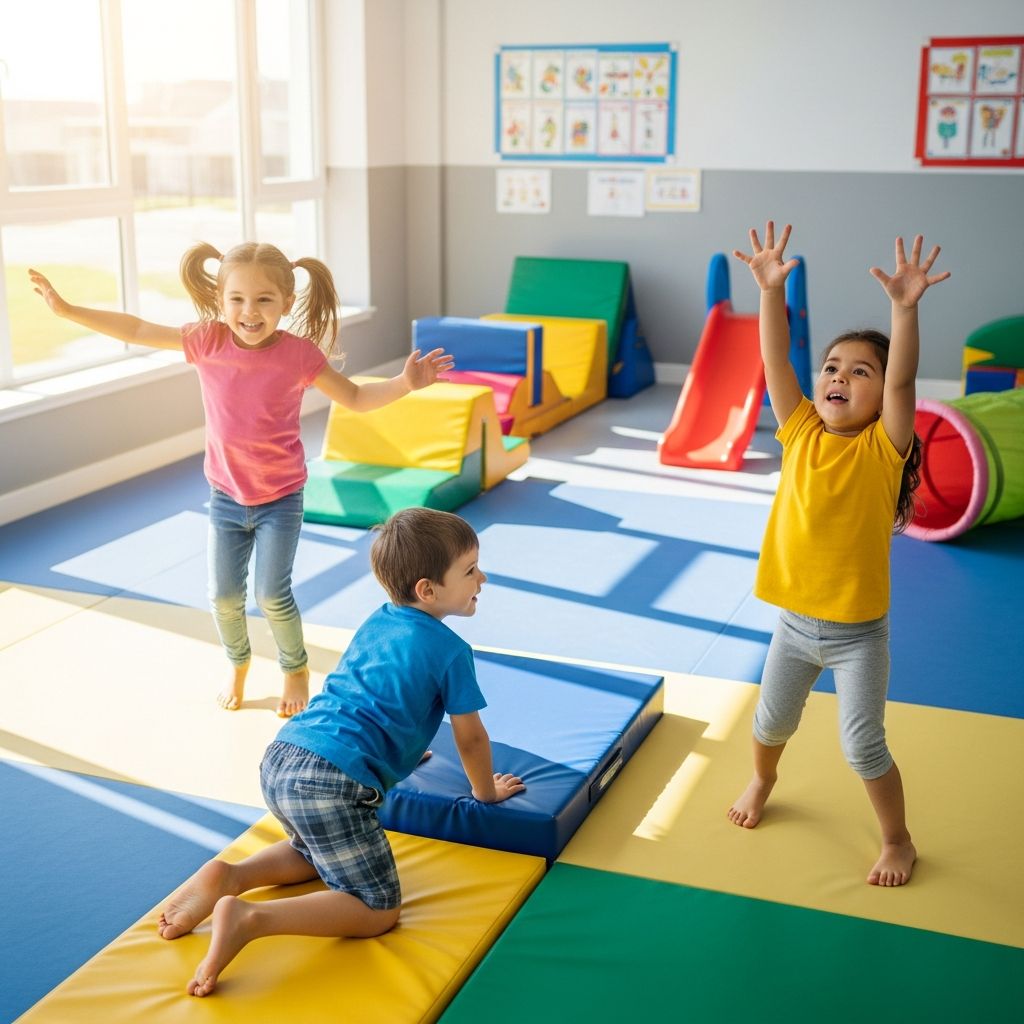
Preschoolers aged 3 to 5 years thrive on movement, requiring at least 3 hours of physical activity spread throughout the day to support holistic development. This includes a mix of light, moderate, and vigorous play that builds motor skills, strengthens bones and muscles, and promotes emotional well-being.
Why Movement Matters for Young Children
Regular physical engagement during the preschool years lays the groundwork for lifelong health. Active play helps maintain healthy weight, reduces obesity risk, and improves cardiovascular fitness while fostering social interactions and anxiety management. Children who move frequently develop better coordination, balance, and confidence, essential for school readiness.
According to health authorities, insufficient activity contributes to developmental delays and higher stress levels. In contrast, consistent movement enhances cognitive function, as physical exertion boosts brain-derived neurotrophic factor, aiding learning and memory. Parents play a pivotal role by modeling active behaviors, encouraging kids to view exercise as joyful rather than obligatory.
Official Guidelines: How Much is Enough?
Health organizations unanimously recommend preschoolers (3-5 years) engage in physical activity throughout the day, totaling about 3 hours. This encompasses aerobic exercises like running, muscle-strengthening like climbing, and bone-building jumps.
| Age Group | Total Daily Activity | Structured Play | Unstructured Play |
|---|---|---|---|
| Infants (0-1) | 30+ min tummy time | Interactive caregiver play | Supervised exploration |
| Toddlers (1-2) | 3 hours | 30 min | 60+ min |
| Preschoolers (3-5) | 3 hours | 60 min | 120+ min |
| School-age (6+) | 60 min moderate-vigorous | Varies | Free play encouraged |
Data adapted from CDC and state guidelines; spread activity in 10-15 minute bouts to sustain engagement.
Core Components of a Balanced Activity Routine
A well-rounded preschooler routine incorporates three pillars: endurance (running, dancing), strength (climbing, pushing), and flexibility (stretching, bending). Variety prevents boredom and ensures comprehensive growth.
- Aerobic/Endurance: Activities elevating heart rate, like tag or cycling, for 60+ minutes daily.
- Muscle-Strengthening: Climbing playground equipment or animal walks, 3 days/week.
- Bone-Strengthening: Jumping rope or hopping, integrated regularly.
Limit sedentary screen time to under 1 hour, prioritizing real-world adventures.
Fun Indoor Activities to Spark Energy
Weather-proof options keep movement flowing indoors. These games require minimal space and props, ideal for homes or classrooms.
1. Musical Freeze Dance
Play upbeat music; children dance freely, freezing when it stops. Builds listening skills, rhythm, and self-control. Rotate music genres for variety.
2. Obstacle Course Challenge
Use cushions, tunnels, and chairs for a DIY course. Crawl under tables, balance on lines, jump over pillows. Enhances problem-solving and agility.
3. Simon Says Movement Edition
Leader calls actions like “Simon says hop like a frog.” Promotes rule-following and body awareness. Great for groups of 4-10 kids.
4. Balloon Volleyball
Hit balloons without letting them touch the ground. Improves hand-eye coordination and teamwork; use multiple balloons for chaos-free fun.
5. Yoga Storytime
Follow simple poses (tree, cat-cow) during storytelling. Fosters flexibility, focus, and imagination. Free online kid yoga videos guide sessions.
Incorporate 15-20 minute sessions multiple times daily, adjusting for attention spans.
Outdoor Adventures for Bigger Movements
Nature amplifies activity scale. Aim for two 30-minute outdoor sessions daily, weather permitting, to connect with the environment.
1. Nature Scavenger Hunt
List items like red leaves or smooth rocks; kids run, bend, and search. Combines exercise with learning about surroundings.
2. Parachute Play
Group holds a sheet/parachute, lifting toys underneath or making waves. Develops arm strength and cooperation.
3. Bubble Chase Relay
Blow bubbles; children pop them before they land. High-energy cardio with giggles guaranteed.
4. Hopscotch or Chalk Mazes
Draw courses on pavement; hop, skip, or weave through. Perfect for fine-tuning balance and spatial skills.
5. Wheelbarrow Races
Adult holds child’s legs; child walks hands forward. Strengthens core and shoulders safely.
Outdoor time boosts vitamin D and mood via sunlight exposure.
Skill-Building Milestones and Parental Support
Preschoolers master hopping, skipping, catching, somersaulting, and one-foot balance. Practice via playful repetition without pressure.
- Model activity: Join games to show enthusiasm.
- Liven walks: Count steps, race trees, or collect treasures.
- Playground priority: Swing, slide, climb weekly.
- Dance parties: Weekly home discos build rhythm.
- Sports intro: Parent-child soccer kicks or swim lessons, avoiding competitive teams.
If a child resists, start small and praise efforts. Track progress with fun charts.
Navigating Challenges: Screens, Picky Movers, Safety
Sedentary habits rise with devices; set “no screen zones” during play hours. For reluctant kids, disguise exercise as games. Safety first: Supervise, use soft surfaces, ensure hydration.
Allergies or conditions? Consult pediatricians for tailored plans. Inclusive activities accommodate all abilities, like seated versions of tag.
Frequently Asked Questions
What if my preschooler prefers sitting?
Gradually introduce short bursts; pair with favorites like music. Consistency turns skeptics into enthusiasts.
Is structured sports okay at 3-4 years?
Focus on fun fundamentals over teams; soccer kicking or tumbling classes suit best.
How to fit 3 hours into busy days?
Integrate: Walk to preschool, active chores, recess breaks. Small doses accumulate effectively.
Indoor-only in bad weather?
Yes; yoga, indoor courses, or mall walks maintain momentum.
Signs of too little activity?
Weight gain, hyperactivity indoors, poor sleep. Increase play and monitor.
Long-Term Benefits and Family Integration
Active preschoolers grow into fit kids, slashing chronic disease risks. Family routines strengthen bonds; hike together or bike weekends. Track with apps or journals for motivation.
Empower caregivers: Childcare should mandate 60 minutes structured play daily. Communities offer free programs; join playgroups.
By prioritizing movement, parents gift children vitality, resilience, and joy. Start today—your little one’s energy awaits!
References
- Physical Activities for Preschoolers: A Complete Guide — Brightwheel. 2023. https://mybrightwheel.com/blog/physical-activities-for-preschoolers
- Raising a Fit Preschooler — Nemours KidsHealth. 2024. https://kidshealth.org/en/parents/fit-preschooler.html
- Physical Activity Recommendations — Wisconsin DHS. 2022-10-01. https://www.dhs.wisconsin.gov/publications/p0/p00280-par.pdf
- Physical Activity Guidelines – Division of Early Childhood — Maryland Public Schools. 2023. https://earlychildhood.marylandpublicschools.org/system/files/filedepot/3/cacfpphysactivguide1.pdf
- Child Activity: An Overview | Physical Activity Basics — CDC. 2025-01-10. https://www.cdc.gov/physical-activity-basics/guidelines/children.html
- Physical Activity for Children 5-12 — SHAPE America. 2024. https://www.shapeamerica.org/MemberPortal/standards/guidelines/pa-children-5-12.aspx
- Preschooler Physical Activity — American Academy of Pediatrics (AAP). 2024. https://www.aap.org/en/patient-care/healthy-active-living-for-families/preschooler-physical-activity/
- AHA Recommendations for Physical Activity in Kids — American Heart Association. 2023-05-15. https://www.heart.org/en/healthy-living/fitness/fitness-basics/aha-recs-for-physical-activity-in-kids-infographic