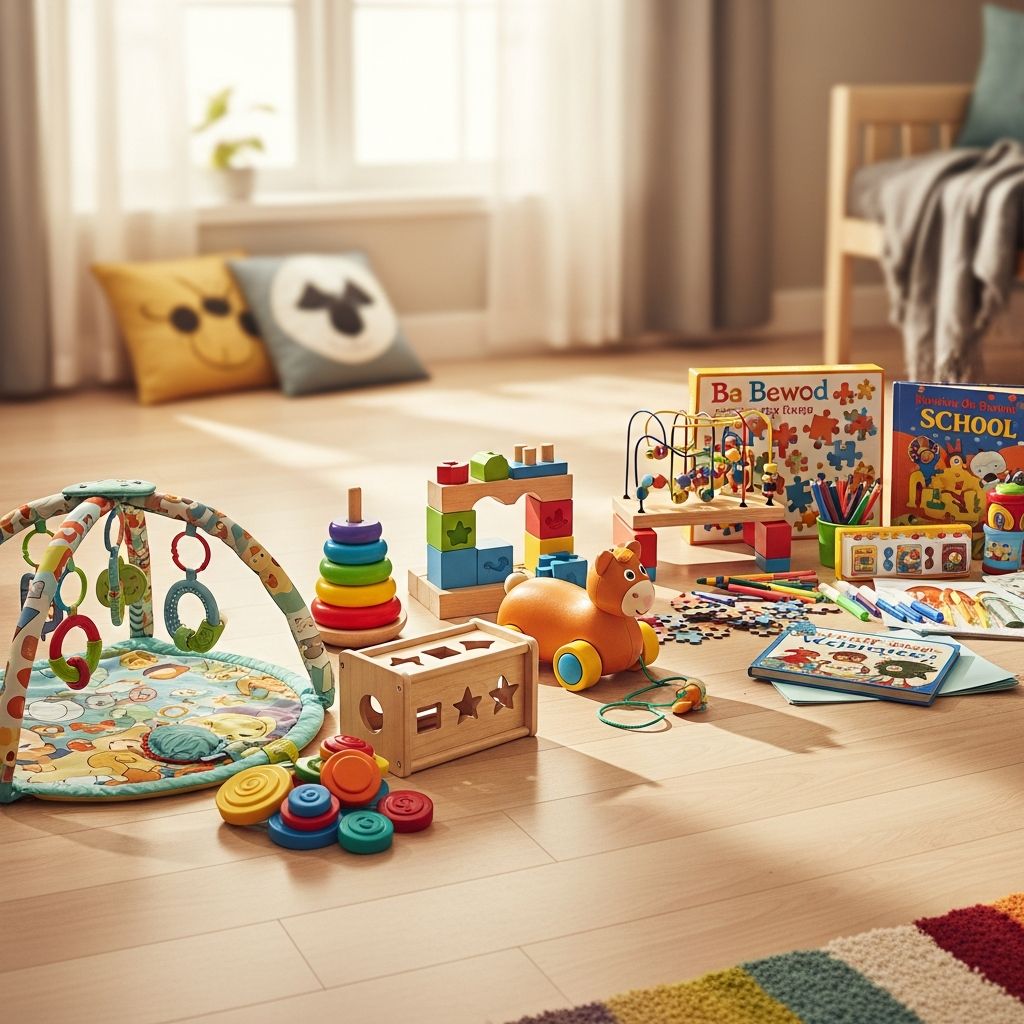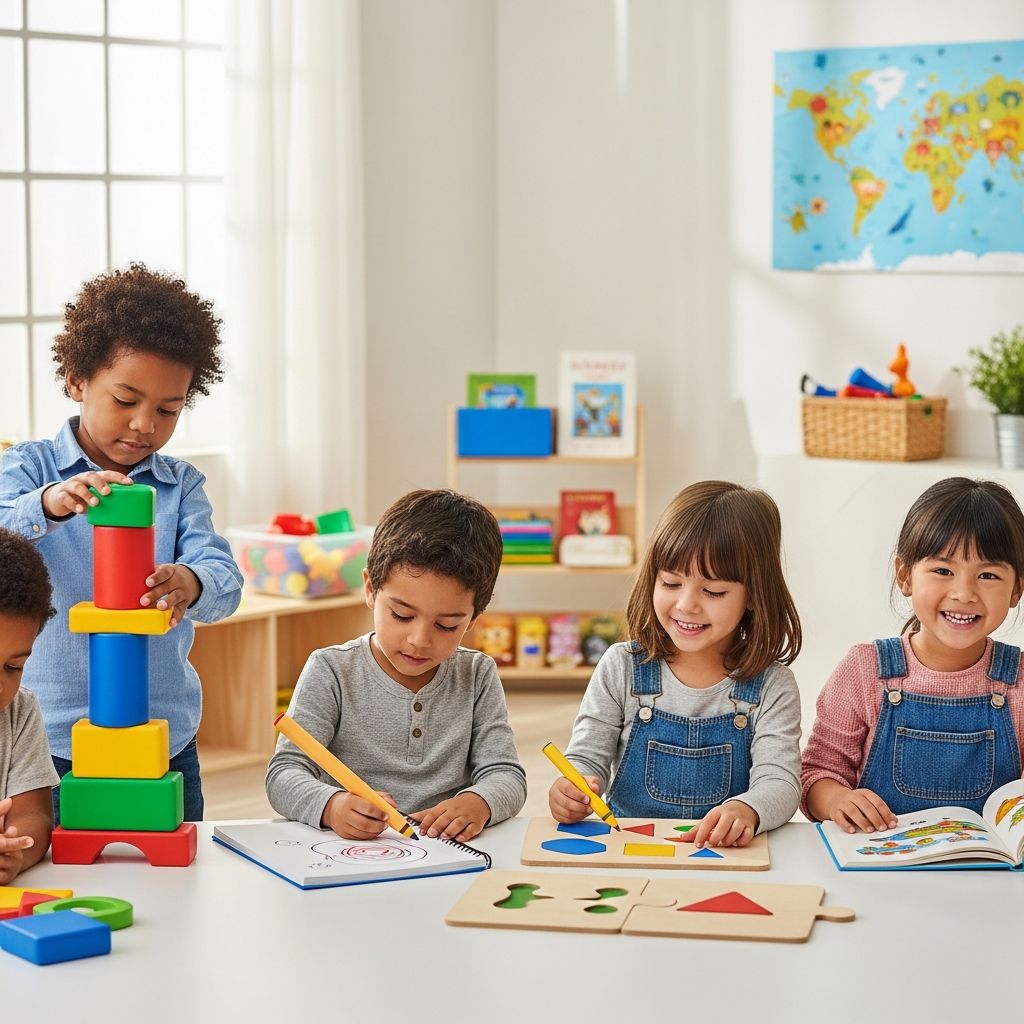
Preschool serves as a critical bridge between home and formal schooling, where children aged 3 to 5 cultivate foundational abilities that influence their academic trajectory and personal growth. Through structured play and guided activities, educators target holistic development across multiple domains, ensuring young learners emerge confident, curious, and capable. This article delves into the primary learning areas, drawing from established early childhood frameworks to outline what children typically gain during these formative years.
Building Strong Social-Emotional Foundations
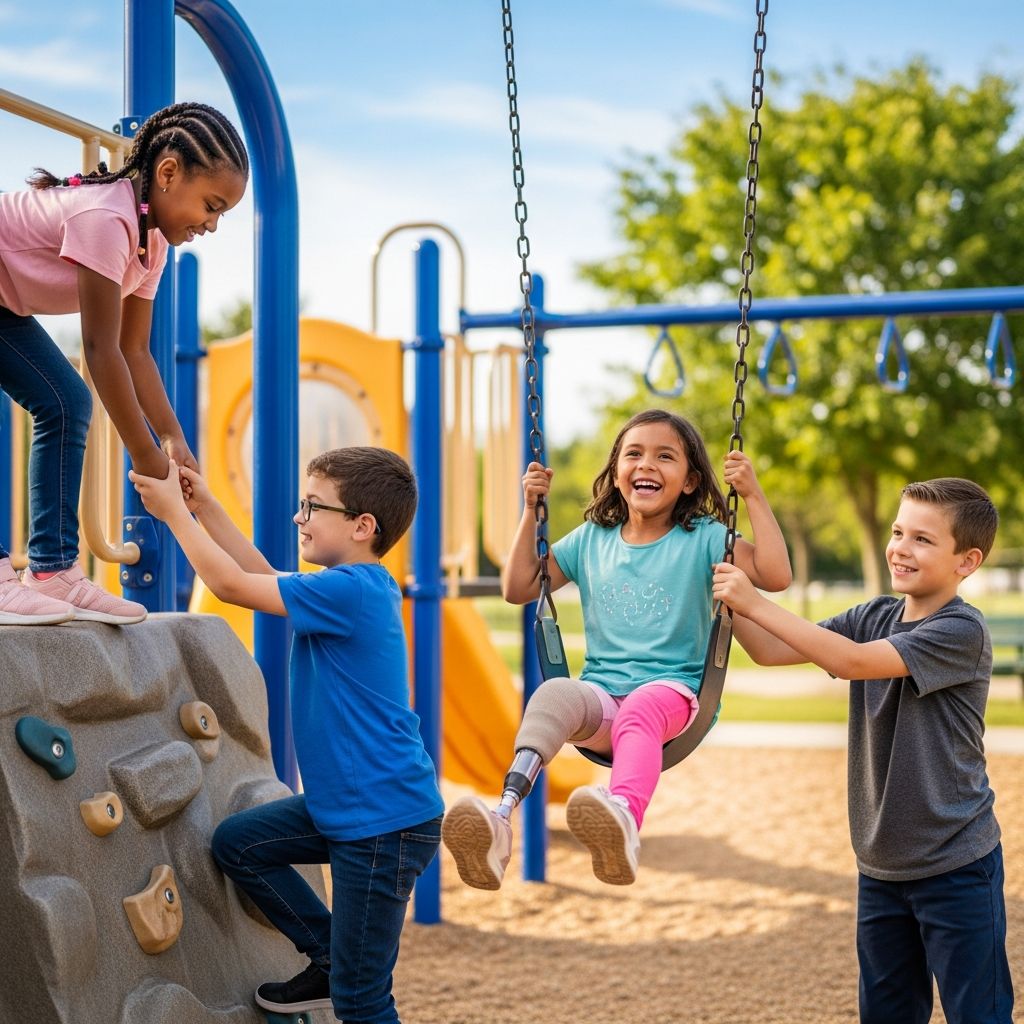
Social-emotional development forms the bedrock of preschool education, teaching children to navigate relationships, manage feelings, and foster independence. Programs emphasize self-awareness, empathy, and cooperation, helping kids recognize emotions like joy, frustration, or sadness in themselves and others.
Children practice turn-taking during group games, resolve minor conflicts through discussion, and learn to express needs verbally rather than through tantrums. Objectives include identifying personal feelings, showing empathy by comforting peers, and demonstrating self-control, such as waiting patiently for a turn. These skills promote resilience and positive peer interactions, essential for kindergarten group work.
- Recognize and name basic emotions to build emotional vocabulary.
- Practice sharing resources and materials in collaborative play.
- Develop independence in daily routines like dressing or cleaning up.
- Engage in role-playing to understand perspectives of others.
By year’s end, most children can separate from caregivers without distress, hold simple conversations, and balance their needs with those of the group. Such growth not only aids immediate classroom harmony but also lays groundwork for lifelong interpersonal success.
Enhancing Physical Capabilities Through Play
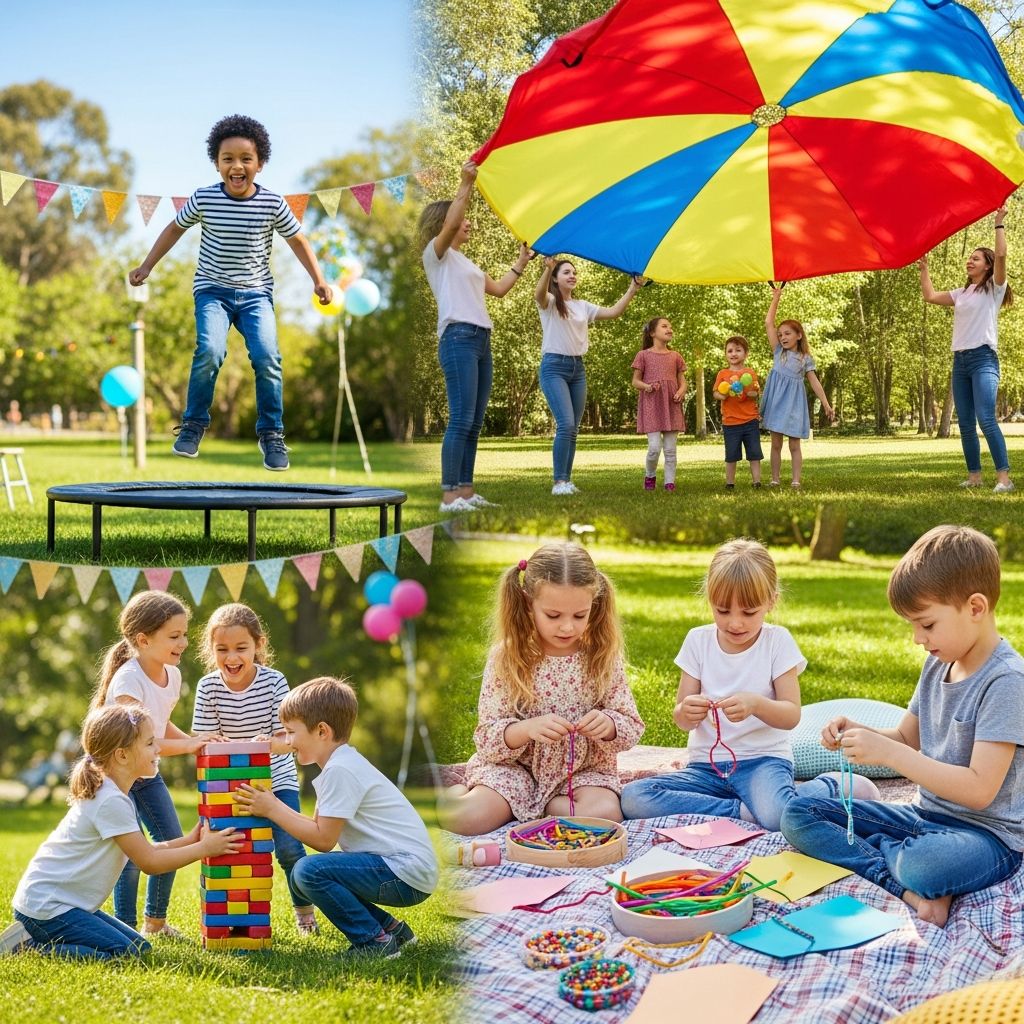
Physical development in preschool splits into gross motor skills for large movements and fine motor skills for precise hand-eye coordination. Gross motor activities like running relays, balancing on beams, or climbing structures build strength, agility, and spatial awareness.
Fine motor tasks, such as threading beads, using safety scissors, or manipulating playdough, refine dexterity needed for writing and self-care. These exercises support overall health, improving posture, endurance, and body control.
| Skill Type | Examples | Benefits |
|---|---|---|
| Gross Motor | Jumping, kicking balls, hopping | Improves balance, coordination, and cardiovascular fitness |
| Fine Motor | Drawing lines, buttoning clothes, pouring water | Enhances precision for academic tasks like handwriting |
Preschoolers progress from clumsy grasps to controlled pencil holds, enabling them to draw shapes, write initial letters, and manage utensils independently. Regular movement breaks throughout the day sustain attention and combat sedentary tendencies.
Mastering Language and Early Literacy
Language blooms in preschool through rich interactions, storytimes, and conversations that expand vocabulary and comprehension. Children learn to articulate thoughts, follow multi-step directions, and engage in dialogues, boosting listening skills and expressive abilities.
Early literacy introduces print concepts: understanding that text conveys meaning, recognizing letters, and associating sounds with phonemes. Activities like rhyming songs, alphabet hunts, and shared reading spark interest in books and narrative retelling.
- Recite the alphabet and identify uppercase/lowercase letters.
- Recognize rhyming words and blend simple sounds.
- Write own name and attempt simple words.
- Retell key events from familiar stories.
By preschool’s close, children often comprehend book orientation, predict story outcomes, and use emergent writing to convey ideas, priming them for reading fluency[10]. A language-saturated environment, with diverse books and talk-heavy routines, accelerates this vital progression.
Introducing Mathematical Thinking
Early math in preschool demystifies numbers through hands-on exploration, fostering number sense, shape recognition, and pattern detection. Children count objects accurately, compare quantities using ‘more’ or ‘less,’ and sort by attributes like size or color.
Activities involve matching socks by pairs, building with shape blocks, or sequencing beads, making abstract concepts tangible. Spatial reasoning grows via puzzles and block play, while measurement introduces ideas like taller/shorter or fuller/emptier.
| Math Objective | Activity Example | Expected Outcome |
|---|---|---|
| Counting | Counting classroom snacks | Count to 20 with one-to-one correspondence |
| Shapes | Shape hunts in nature | Identify circles, squares, triangles |
| Patterns | Clapping rhythms | Extend simple repeating sequences |
These foundations correlate with later math proficiency; preschoolers grasping rote counting to 50 and basic operations like addition via manipulatives show kindergarten readiness.
Fostering Scientific Curiosity and Exploration
Science in preschool ignites inquiry through sensory experiments, nature observations, and environmental investigations. Children use their senses to explore properties of materials—sink/float tests, magnet play, or plant growth tracking.
Objectives cover living things (animal needs, life cycles), physical world (magnets, shadows), and earth science (weather patterns, recycling). Simple tools like magnifying glasses teach observation and prediction skills.
- Observe changes in ice melting or seeds sprouting.
- Predict outcomes in cause-effect scenarios.
- Classify animals by habitats or features.
- Discuss weather and seasonal shifts.
This approach cultivates critical thinking, encouraging questions like ‘Why does it rain?’ and hypothesis testing, which persist into advanced STEM pursuits.
Cultivating Creativity Through Arts and Imagination
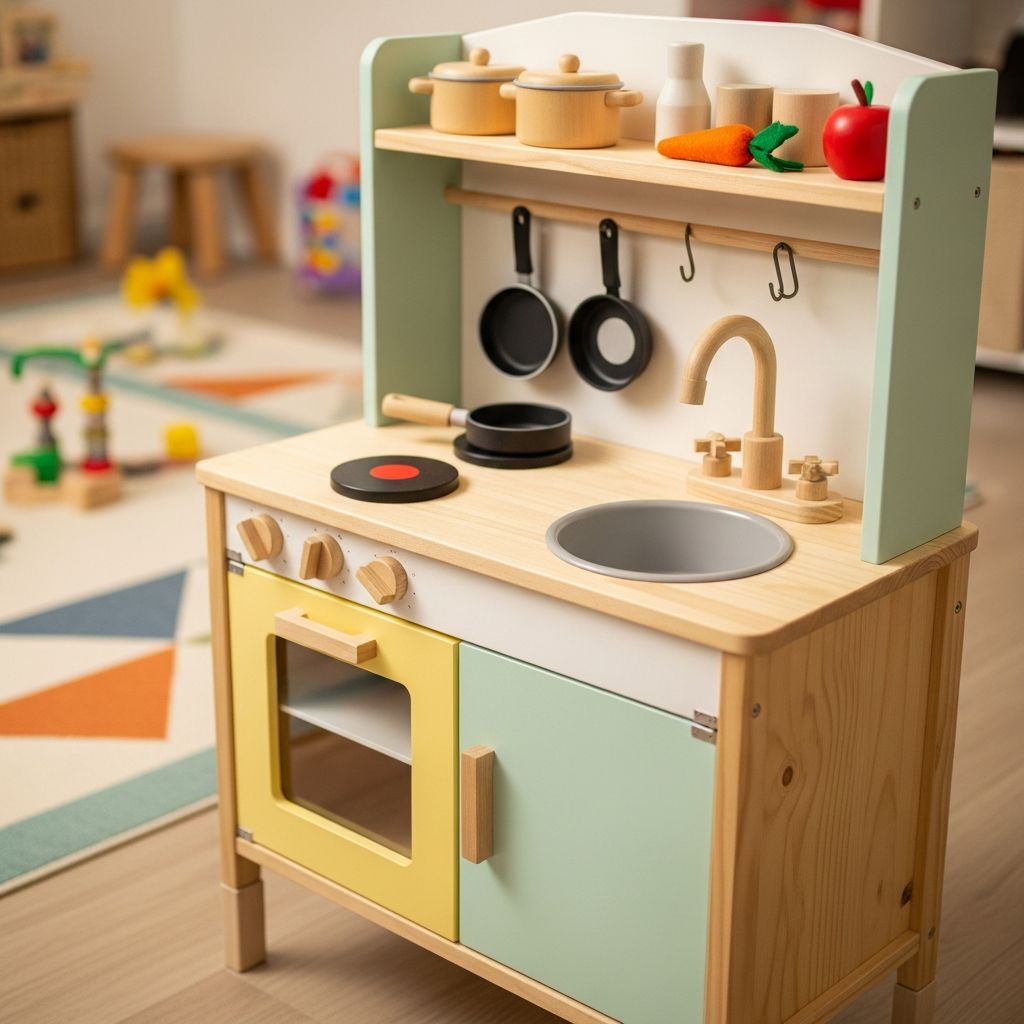
Arts encompass visual, musical, dramatic, and kinesthetic expression, allowing children to experiment freely with colors, sounds, and stories. Open-ended painting, clay modeling, and dramatic play build confidence and innovative thinking.
Music involves rhythm clapping, instrument exploration, and song memorization, enhancing auditory discrimination and memory. Dance and movement integrate physicality with creativity, while theater skits develop narrative skills.
Children learn artistic processes: mixing paints for new hues or improvising tales, appreciating diverse cultural expressions through global songs or crafts. These pursuits not only delight but also reinforce cognitive links, like patterns in music mirroring math.
Promoting Healthy Habits and Self-Care
Beyond academics, preschool instills wellness routines: proper handwashing, nutritious eating, and dental care. Self-help goals include toileting independently, zipping jackets, and tidying spaces, fostering autonomy.
Nutrition education via taste tests and garden projects teaches balanced choices, while mindfulness moments address emotional regulation. These habits combat childhood obesity and build hygiene awareness.
Preparing for Kindergarten: A Holistic Checklist
Kindergarten readiness synthesizes all domains. Use this checklist to track progress:
- Sustains focus for 15-20 minutes on tasks.
- Follows 2-3 step instructions.
- Counts to at least 20 and recognizes numbers 1-10.
- Names 18+ uppercase letters and some sounds.
- Plays cooperatively with peers.
- Uses scissors and writes simple shapes.
Parents reinforce at home with read-alouds, counting games, and outdoor play, partnering with teachers for seamless transitions.
Frequently Asked Questions (FAQs)
What age group does preschool typically serve?
Preschool generally targets children aged 3 to 5 years, preparing them for kindergarten entry.
How much daily physical activity is recommended?
At least 60 minutes of structured and unstructured play to develop motor skills and health.
Can children with delays catch up in preschool?
Yes, individualized support and early intervention help bridge gaps effectively[10].
What role do parents play in preschool learning?
Parents extend classroom lessons through home activities, reading, and positive reinforcement.
How do preschools assess progress?
Through observations, portfolios, and developmental checklists rather than tests.
References
- Essential Preschool Learning Objectives for Holistic Child… — mybrightwheel.com. 2023. https://mybrightwheel.com/blog/preschool-learning-objectives
- Pre-K Academic Goals — St. Jude Early Learning Ministry. 2024. https://www.stjude-elm.org/about-us-elm/prekindergarten/pre-k-academic-goals
- Preschool Curriculum — Purdue ELM (elmcurriculum.org). 2023. https://elmcurriculum.org/preschool/
- A Guide to Preschool Learning Objectives (Ages 2-5) — tshanywhere.org. 2024. https://www.tshanywhere.org/post/preschool-education-goals-learning-objectives
- Preschool Learning Objectives — Sioux City Community Schools. 2023. https://www.siouxcityschools.org/page/preschool-learning-objectives