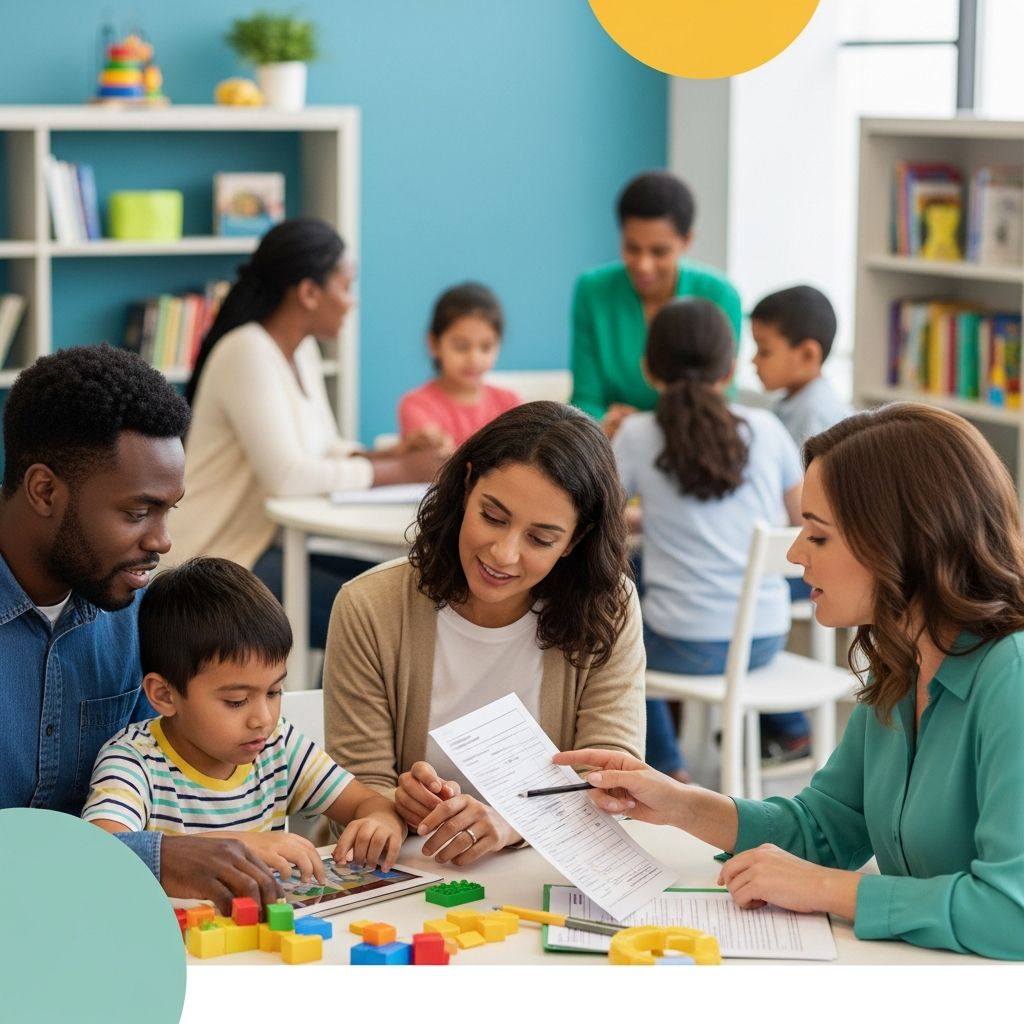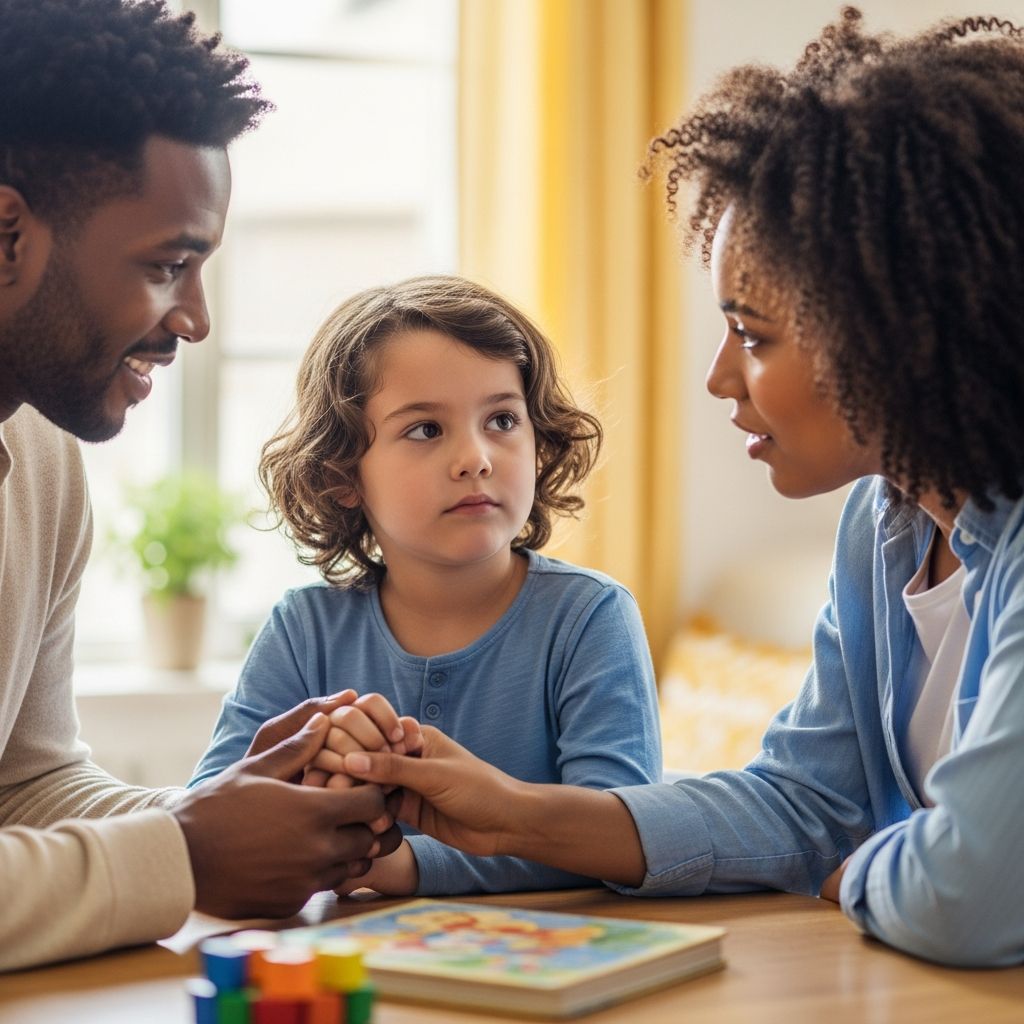
Preschool graduation marks a profound turning point for families, blending pride with an undercurrent of sorrow as the playful early years give way to structured learning ahead.
The Hidden Heartache Behind the Caps and Gowns
When your little one dons a tiny cap and gown, the ceremony often triggers a cascade of unexpected feelings. Parents frequently report a sense of loss, mourning the end of an era defined by unstructured joy and minimal pressures. This emotional response stems from the shift away from the nurturing bubble of preschool, where days revolved around playdates, finger paints, and nap times rather than homework or tests.
Many caregivers describe this as a form of anticipatory grief, where the finality of preschool hits harder than anticipated. It’s not just about the child growing; it’s the parent’s identity evolving too—from ‘preschool mom’ basking in compliments about their child’s budding skills to bracing for the rigors of elementary school expectations.
- Unexpected tears during sing-alongs and photo ops.
- Nostalgia for simpler drop-offs without academic worries.
- Fear of losing the close teacher bonds that felt like extended family.
Why These Feelings Surface Now
The preschool phase offers a unique sanctuary. Classrooms typically feature small groups, dedicated educators, and a focus on holistic development over grades. This environment fosters security, allowing children to explore at their own pace while parents receive reassuring updates like ‘He’s thriving socially!’ Transitioning to kindergarten disrupts this, introducing larger classes, new routines, and performance metrics that can feel overwhelming.
Psychologically, this milestone amplifies attachment dynamics. Parents who navigated infancy’s dependencies now confront a child’s budding independence, evoking memories of first steps, words, and separations. For families with multiple children, it might signal the close of the ‘little kid’ chapter entirely, intensifying the void.
| Preschool Era | Kindergarten Shift |
|---|---|
| No homework or exams | Daily assignments and assessments |
| Play-based learning | Structured academics |
| Intimate teacher relationships | Larger class dynamics |
| Flexible schedules | Rigid start times and routines |
Children’s Perspectives: Excitement Amid the Unknown
While parents grapple with melancholy, children often buzz with enthusiasm. Preschoolers might cheer about shorter school days or endless home play, viewing graduation as freedom rather than farewell. This contrast highlights developmental stages: kids focus on immediate joys, unburdened by future anxieties.
Encourage open dialogues about their emotions. Simple prompts like ‘What are you most looking forward to in big school?’ reveal mixed feelings—happiness for new friends alongside sadness for familiar faces. Acknowledging these helps children process change healthily.
Coping Strategies for Parents in Transition
Embracing these emotions starts with validation. It’s normal to cry at the ceremony; you’ve earned those tears through countless milestones like potty training triumphs and first friendships. Here are practical ways to navigate:
- Document the memories: Compile photo albums or videos to revisit joyful preschool highlights.
- Connect with community: Join parent groups sharing similar sentiments for solidarity.
- Plan celebrations: Host a family party emphasizing growth, not endings.
- Prepare practically: Tour the new school, meet teachers, and establish home routines early.
- Self-care rituals: Journal feelings or seek therapy if grief lingers intensely.
Reframe the narrative: This isn’t loss but evolution. Your child’s resilience, honed in preschool, equips them for what’s next. Trust their natural development pace, resisting comparisons that breed unnecessary stress.
Building Bridges to Elementary Success
As primary school looms, shift focus to empowerment. Stock up on supplies together, turning prep into bonding. Discuss social skills like sharing and kindness, reinforcing preschool lessons. Monitor for adjustment signs—sleep changes or reluctance—but most kids adapt swiftly with support.
For parents feeling ‘kiasu’ (overly competitive), remember: Academic pressures build gradually. Prioritize emotional well-being over perfection. Programs emphasizing play in early grades ease the jump, preserving some preschool magic.
Long-Term Reflections on Growth and Letting Go
Years later, these moments become cherished stories. The boy who painted masterpieces or led playground adventures now tackles reading challenges. Parents learn profound lessons in release—supporting unique paths without micromanaging. This graduation teaches balance: celebrating achievements while honoring vulnerabilities.
One parent’s journey illustrates this: From nursing struggles to sibling integrations, each phase built family strength. Fears of inadequacy faded as the child thrived, proving trust in development pays dividends.
Frequently Asked Questions
Is it common to feel sad about preschool graduation?
Yes, many parents experience this ‘graduation grief,’ a mix of nostalgia and anxiety over ending the low-pressure preschool years.
How can I help my child adjust to kindergarten?
Visit the school beforehand, read transition books, and maintain consistent bedtime routines to build confidence.
What if my child isn’t ready academically?
Preschool focuses on foundations; kindergarten teachers tailor support. Communicate concerns early for personalized plans.
Should I hide my emotions from my child?
No—model healthy expression by naming feelings, e.g., ‘I’m sad to say goodbye but excited for your adventures.’
How long does this emotional phase last?
Typically weeks to months; if persistent, consider professional support for deeper processing.
Expert Insights on Early Childhood Transitions
Research underscores preschool’s role in equity and trauma reduction, preparing children for future success. Programs closing opportunity gaps ensure all kids enter kindergarten ready, regardless of background.
Educators note small classes and dual-teacher models create safety nets, explaining parental apprehension about larger settings. Yet, data shows most transitions succeed with family involvement.
Crafting Lasting Memories Before the Leap
Maximize final preschool weeks: Field trips, craft sessions, teacher thank-yous. These anchor positive associations. Post-graduation, track progress via journals, noting new skills like independent dressing or friend-making.
For multi-child families, involve siblings in celebrations, fostering unity. Singles might extend playdates, easing solitude.
Ultimately, this milestone reaffirms parenting’s beauty—fleeting yet transformative. As kids outgrow laps, they carry your love forward, navigating independence with roots deep in preschool joys.
References
- No One Told Me About Preschool Graduation Grief — Women’s Weekly Singapore. 2023-06-15. https://www.womensweekly.com.sg/parenting/preschool-graduation-grief
- Pre-school Graduation: Taking a Moment to Embrace All the Emotions — Weisinger Law Firm Blog. 2019-06-01. https://www.weisingerlawfirm.com/blog/2019/june/pre-school-graduation-taking-a-moment-to-embrace/
- Why it’s ok to cry at a preschool graduation — LeapFrog Learning Path. 2023-05-20. https://www.leapfrog.com/en-us/learning-path/blogs/crying-at-preschool-graduation
- Celebrating Preschool Graduation and Advancing Equity through Early Education — The Family Partnership. 2024-01-10. https://www.thefamilypartnership.org/celebrating-preschool-graduation-and-advancing-equity-through-early-education/
- Lessons from Preschool Graduation — Tara Mohr. 2022-11-05. https://www.taramohr.com/dealing-with-fear/making-a-life-change/