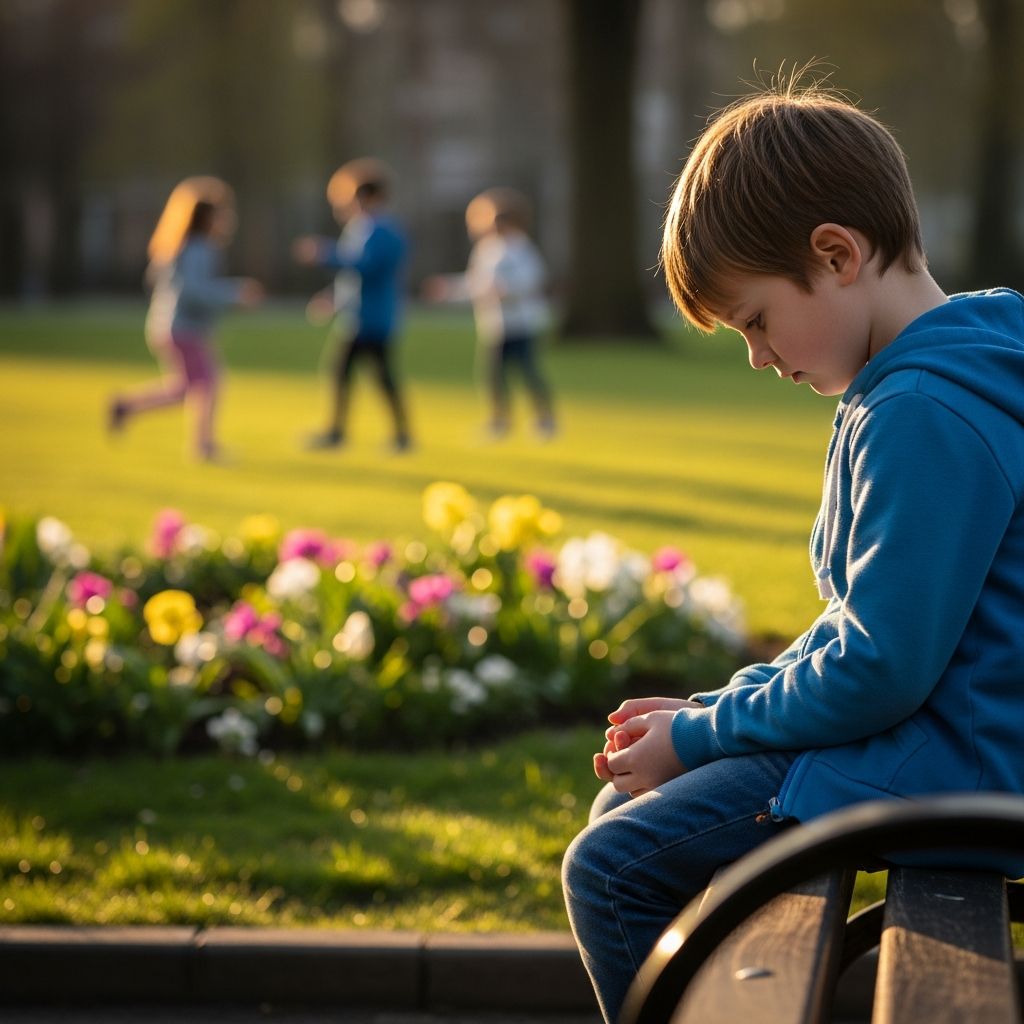
Across many preschools and early learning centers, teachers are introducing simple consent songs that help even very young children understand boundaries, respect, and body autonomy.
What Is a Preschool Consent Song?
A preschool consent song is a short, repetitive tune that teaches kids they must ask before touching others, borrowing items, or entering someone’s personal space. The lyrics usually focus on themes like “ask first,” “my body, my choice,” and “no means no,” all framed in age-appropriate language that feels playful rather than scary.
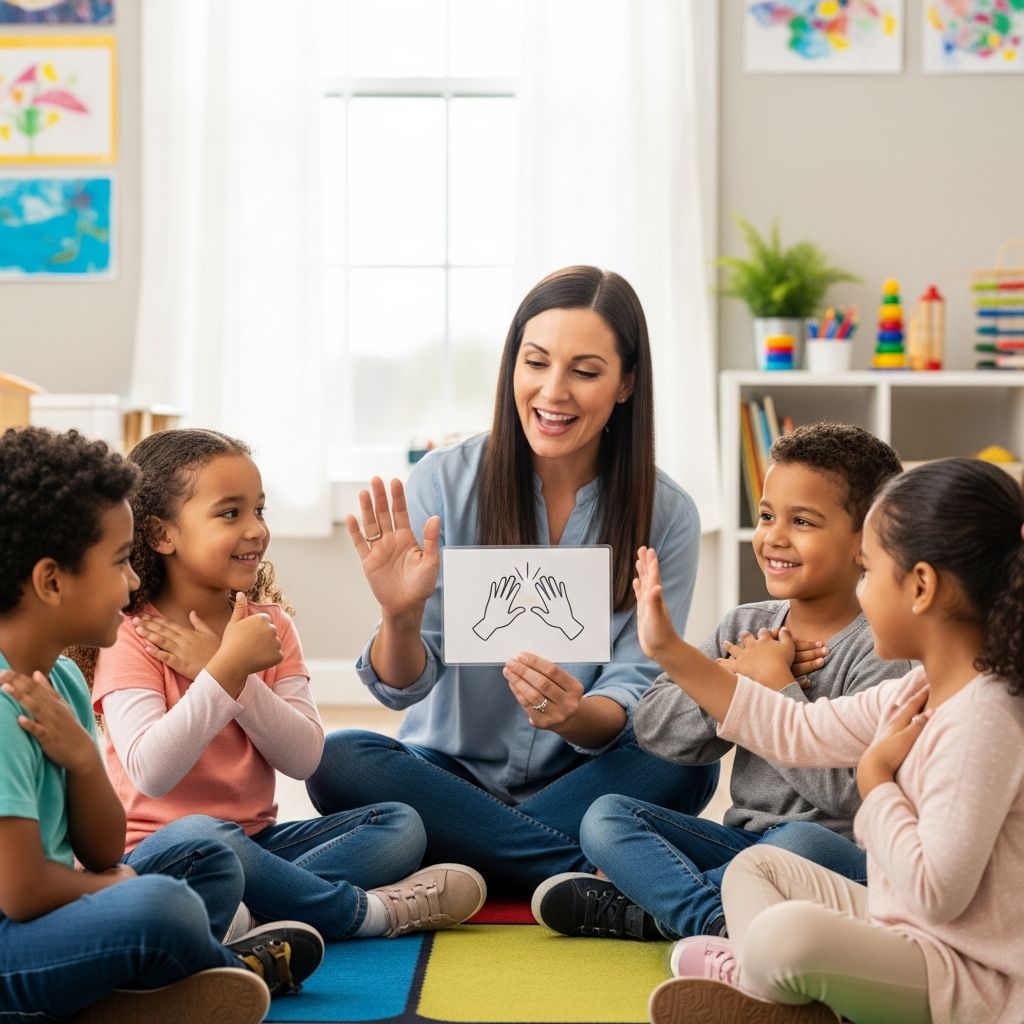
In many classrooms, teachers pair the song with simple hand motions or role-play, so children can practice asking for a hug, saying yes or no clearly, and respecting a friend’s answer. Because music sticks in kids’ minds, the song becomes an easy way to remind them of the rules during daily play.
- Simple, catchy melody that young children can memorize.
- Short phrases about asking permission and listening to the answer.
- Interactive actions (like clapping or pointing to personal space) to reinforce the message.
Why Parents Are So Excited
Parents who hear their child singing a consent song at home often feel both surprised and relieved. Many adults grew up without clear language for boundaries, so watching their preschooler casually explain that “you have to ask before you touch” can feel both new and deeply reassuring.
For caregivers, this kind of early education signals that schools are taking children’s safety and emotional well-being seriously. It shows that boundaries are not just discipline rules; they are everyday habits that protect kids and teach them to respect others.
- Parents see their child using confident, respectful language when interacting with siblings and friends.
- Families gain a natural conversation starter about body safety and personal space.
- Caregivers feel supported by educators in teaching complex topics in a gentle, age-appropriate way.
Key Lessons Packed Into One Song
Behind the cute melody, a preschool consent song usually carries several big ideas that form the foundation of healthy boundaries. These concepts are presented in simple, child-friendly phrases, but they introduce lifelong skills.
While different classrooms may use different words or tunes, most of these songs revolve around a consistent set of themes.
1. Consent Means Asking First
The core of any consent song is that you must ask before you touch or take something from another person. Kids practice phrases like “Can I hug you?” or “Is it okay if I sit next to you?” and wait for a clear answer instead of assuming a friend is comfortable.
- Teaches children that other people’s bodies and belongings are not automatically available.
- Helps kids slow down and check in before acting on impulses.
- Models respectful communication they can use for the rest of their lives.
2. No Really Means No
Another crucial theme is that when someone says “no,” the next step is to stop, not to argue or keep asking. Songs often repeat “no means no” or “stop means stop” so that kids internalize the message.
- Shows children that other people’s comfort matters even when they want to keep playing.
- Normalizes stopping immediately instead of pushing, begging, or teasing.
- Reinforces that respecting a “no” is just as important as giving one.
3. Your Body Belongs to You
Consent songs often weave in the idea that each child’s body is their own, and they have the right to say yes or no to touch that does not involve health or safety. This is the basis of body autonomy at a child’s level.
- Kids learn they can refuse hugs, tickles, or roughhousing if it feels uncomfortable.
- Children start to see their comfort as important, not selfish.
- Parents can reference the song when explaining why it is okay to change their mind about a hug or a high-five.
4. Consent Applies Beyond Touch
Many modern consent songs expand the concept beyond physical touch to include taking photos, borrowing toys, or entering private spaces. This helps children recognize that consent is a general rule for many parts of life, not only bodies.
- Prepares kids for digital boundaries later, like asking before posting pictures.
- Encourages respectful sharing and turn-taking with toys and materials.
- Makes it easier for teachers to refer back to the song during conflicts in the classroom.
Benefits of Teaching Consent in Preschool
Some adults worry that talking about consent with very young children will be too heavy or complicated, but age-appropriate songs actually make the topic lighter and clearer. Instead of lectures, kids receive playful reminders that feel natural in the flow of the day.
Early lessons form a foundation that helps children navigate friendships, handle conflicts, and speak up if something ever feels wrong. These skills matter long before kids are old enough for conversations about dating or sexuality.
| Area | How the Song Helps |
|---|---|
| Emotional Safety | Children know they can say no to unwanted touch and have their feelings respected. |
| Social Skills | Kids practice asking, listening to answers, and resolving minor conflicts without aggression. |
| Language Development | Repetitive phrases give children words and scripts for tricky situations. |
| Self-Advocacy | Children learn to speak up about their needs, which can help protect them in unsafe situations. |
| Empathy | Kids recognize that others have feelings and boundaries too, not just themselves. |
How Teachers Use Consent Songs in Class
In the classroom, educators typically introduce the consent song during circle time or morning meeting, singing it together every day for several weeks. The song then becomes a shared language that the teacher can quickly reference later.
For example, when two children argue over a toy, the teacher might gently remind them of a lyric about asking first or stopping when someone says no. This shifts the focus from punishment to problem-solving, using tools children already know.
- Teachers may pair the song with storybooks about boundaries and body autonomy.
- Role-playing games let kids act out asking, granting, and refusing permission kindly.
- Visual aids (like posters or picture cards) reinforce song phrases around the room.
How Parents Can Support the Message at Home
When a child brings the consent song home, it is a powerful opportunity for parents to reinforce the message in daily life. The goal is not to recite the exact same words, but to echo the same ideas: asking first, listening to the answer, and respecting everyone’s comfort.
Caregivers can model consent in small, everyday moments, showing that the song’s rules apply to grown-ups too. This consistency helps children understand that consent is a family value, not just a classroom rule.
Practical Ideas for Families
- Ask before hugs and kisses: Say things like “Can I give you a hug?” and respect your child’s answer, even if it is no.
- Use scripts from the song: Repeat simple phrases about asking first or stopping when someone says no during playtime.
- Support changing their mind: If your child first says yes and then no, calmly honor the change to show that consent is ongoing.
- Talk about toy sharing: Encourage kids to ask before taking a sibling’s toy and to respect the response, tying it back to what they sing at school.
- Model apologizing: If you accidentally overstep, acknowledge it and ask how to do better, teaching repair and respect.
Addressing Common Concerns
Some adults worry that consent education is too mature for preschoolers, but in reality, early lessons focus on safety, kindness, and respect rather than anything graphic or sexual. At this age, consent is about everyday situations like hugs, tickling, and sharing toys.
Others fear that requiring children to ask and answer questions about touch will make them rude or distant. In practice, the opposite usually happens: kids learn to connect more kindly because everyone’s boundaries are clearly understood.
- Age-appropriate consent talks use simple words about comfort and choices, not complex details.
- Children still show affection; they just do so in ways that feel good to everyone involved.
- Healthy boundaries actually make relationships more trusting, not less warm.
FAQs About Preschool Consent Songs
1. Is a consent song appropriate for very young children?
Yes, when presented in simple terms, consent is a basic social skill rather than an adult topic. Preschoolers already deal with sharing, touching, and personal space every day, so a song gives them language for experiences they are already having.
2. Does teaching consent mean talking about sex with toddlers?
No. In early childhood, consent lessons focus on body autonomy, safe touch, and respect for feelings. Topics like dating and sexuality belong much later; for preschoolers, the emphasis stays on hugs, tickles, roughhousing, and everyday interactions.
3. What if family members expect hugs from my child?
Many parents use the consent song as a bridge to explain new family rules: children may choose a hug, a wave, a high-five, or another greeting. Adults can still feel welcomed while children learn that their comfort matters.
4. How can I talk to our preschool if they do not use a consent song yet?
You can start by asking how the school handles body safety and personal space, then gently share that you value explicit language about consent. Some programs are open to adding a short song, book, or activity once parents express interest.
5. What if my child is very shy and rarely says yes?
A shy child may need extra reassurance that it is okay to say no and that adults will respect their pace. Over time, feeling safe and unpressured often gives children more confidence to choose affectionate interactions on their own terms.
Why This Tiny Song Matters So Much
On the surface, a preschool consent song may sound like just another classroom tune, but it quietly reshapes how children understand themselves and others. It tells them their bodies matter, their feelings count, and their words carry power.
For many parents, hearing that song at home is a sign of progress: a reminder that this generation can grow up with clearer boundaries, more respectful relationships, and a stronger sense of safety than many adults ever had as children.