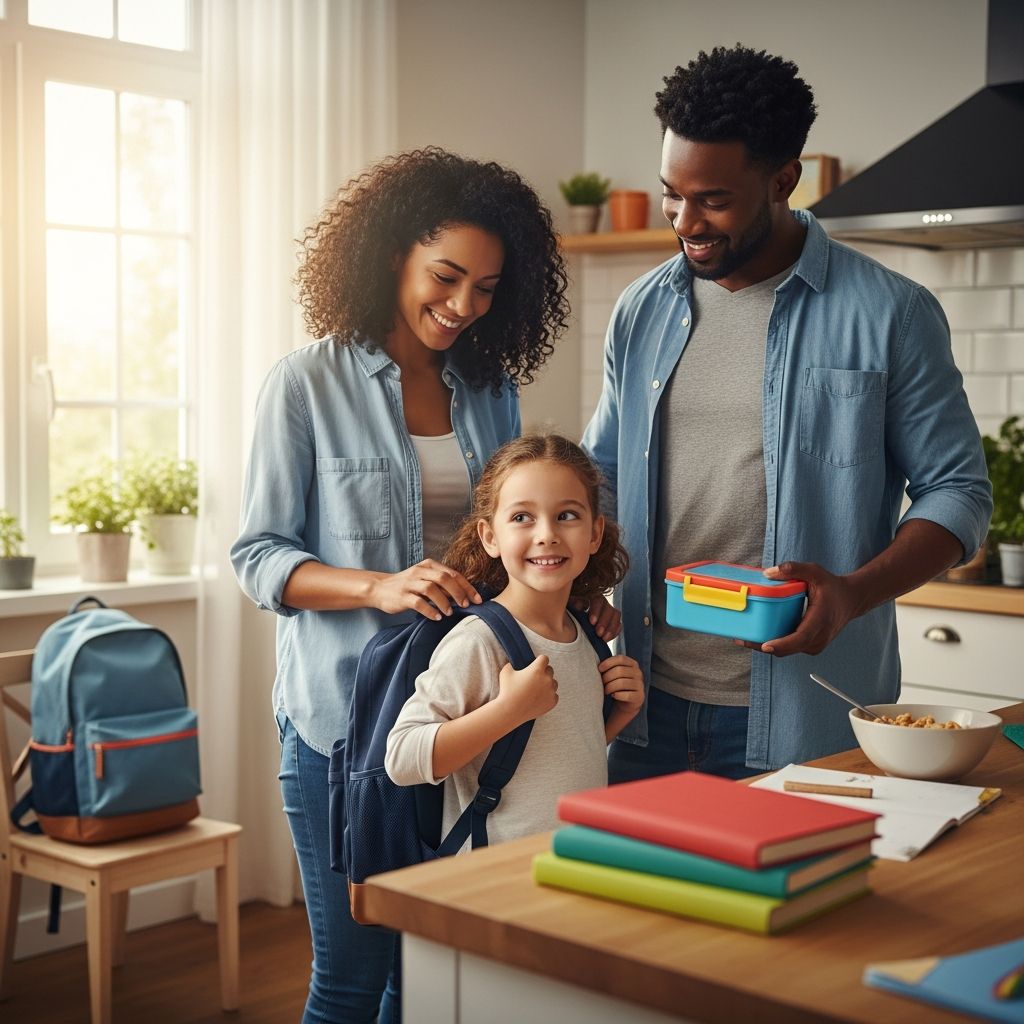
Sending a child to preschool or kindergarten is a big milestone, filled with excitement, pride, and often a bit of anxiety. A clear plan and a thoughtful checklist can make the transition smoother for your child and less stressful for you. This guide walks you through everything from supplies and clothes to routines and big feelings, so your family can start the school year feeling ready instead of rushed.
Understanding What Your Child Really Needs
Young children do not need a backpack full of fancy gadgets to succeed in school. What they truly need is a combination of basic supplies, predictable routines, and a sense of security. When you focus on these foundations, you create an environment where learning and social growth can unfold naturally.
Take time to clarify which items are required by the school and which items are simply “nice to have.” This prevents over-buying and helps your child learn that school is about experiences and relationships more than stuff.
Core School Gear: Backpacks, Lunch, and Labels
Your child’s backpack and lunch gear will travel back and forth every day, so choose items that are practical, durable, and easy for little hands to manage. Think of these items as tools your child uses to practice independence, not just containers for belongings.
Backpack essentials
- Lightweight, child-sized backpack with padded shoulder straps
- One large compartment that fits a folder, lunch box, and change of clothes
- Small outer pocket for tiny treasures or a snack
- Easy zippers or closures that your child can open and close alone
Lunch and snack supplies
- Insulated lunch box or bag that fits comfortably in the backpack
- Leak-resistant food containers that your child can practice opening at home
- Reusable water bottle with a simple spout or straw
- Cloth napkin and small reusable utensils if needed
Why labeling matters
Preschool and kindergarten classrooms are busy places where many children often own the same popular items. Clear labels save teachers time, reduce lost items, and teach your child to recognize their own name in print.
- Use waterproof labels for lunch containers, water bottles, and jackets.
- Write your child’s name on the inside of backpacks and shoes with permanent marker.
- Keep a small sheet of extra labels at home for new items that appear during the year.
Clothing, Footwear, and Spare Outfits
The best school clothes for young children are comfortable, easy to pull on and off, and okay to get messy. This is the time to prioritize function over fashion. Clothing choices can either support your child’s independence or create daily frustration.
Everyday clothing tips
- Choose elastic waistbands instead of buttons or zippers for pants and skirts.
- Opt for soft fabrics and layers that can be added or removed easily.
- Avoid clothing with complicated straps, belts, or sequins that irritate skin.
- Pick clothes that can handle paint, dirt, and playground adventures.
Footwear for busy little feet
- Closed-toe shoes or sneakers with good traction for running and climbing.
- Velcro straps or simple slip-on designs that allow your child to dress independently.
- Avoid shoes with laces unless your child can tie them consistently.
Spare clothes checklist
Even toilet-trained children can have spills or accidents. A labeled spare outfit stored at school helps your child stay comfortable and avoids an early pickup.
- Underwear and socks
- Pants or leggings
- Shirt or top
- Seasonal item (tight-fitting hat, gloves, or lightweight shorts depending on climate)
School Supplies and Personal Care Items
Most early childhood programs provide basic classroom materials, but many still ask families to contribute specific supplies. Rather than loading your child’s backpack with everything you can think of, focus on what the teacher recommends and what supports your child’s daily comfort.
Typical classroom supplies
- Crayons or washable markers
- Glue sticks and child-safe scissors
- Folders or a simple binder for papers
- Tissues, wipes, or paper towels for shared use
Personal care kit
A small personal care kit keeps your child comfortable, clean, and ready for a long day of play and learning.
- Travel pack of tissues
- Hand wipes or school-approved sanitizer (if allowed)
- Lip balm in cold or dry climates
- Comb or brush if your child has longer hair
Naps, rest time, and comfort objects
Many preschool and some kindergarten programs include rest time. Even children who no longer nap benefit from a quiet period to reset. Check with your school to see what is allowed and then prepare accordingly.
- Rest mat, small blanket, or fitted sheet if required
- Small comfort item like a soft toy (ideally washable)
- Lightweight bag to keep nap items separate from lunch and supplies
Health, Safety, and Emergency Readiness
Good preparation around health and safety gives teachers the information they need to care for your child and gives you peace of mind. Take the time to complete forms carefully and update them when anything changes.
Medical information to share
- Current emergency contact numbers and backup caregivers
- Known allergies and clear instructions for avoiding triggers
- Details about medications, including dosage and timing
- Relevant medical history or ongoing conditions
Hygiene and illness expectations
Most programs have specific policies about handwashing, bathroom independence, and when a child needs to stay home due to illness. Review these guidelines ahead of time so there are no surprises.
- Practice thorough handwashing with soap and water at home.
- Talk about covering coughs and sneezes into elbows or tissues.
- Have a backup plan for childcare in case your child needs to stay home.
Building Routines Before School Starts
A smooth school year begins long before the first day. Gradually shifting your family’s schedule a week or two in advance helps your child’s body and brain adjust to new routines.
Morning practice runs
- Wake up at the time you will need for school, even on non-school days.
- Follow the same sequence you plan for school mornings: bathroom, get dressed, breakfast, teeth, shoes, and out the door.
- Time the routine together and notice where you might need to start a bit earlier.
Evening wind-down habits
Good mornings almost always start the night before. A calming, predictable bedtime routine supports better sleep and a happier child in the classroom.
- Turn off screens at least an hour before bedtime.
- Lay out clothes and pack the backpack together.
- Include a short, comforting ritual like reading a book or sharing three favorite moments from the day.
Skills That Make the First Days Easier
There is no requirement for a preschooler or kindergartner to arrive with a long list of academic skills. Still, certain practical and social abilities make the day more comfortable for them and more manageable for their teachers.
Independence skills to practice
- Putting on and taking off shoes and outerwear
- Opening and closing lunch containers and water bottles
- Using the toilet and washing hands with minimal reminders
- Recognizing their name on labels and cubbies
Social and emotional readiness
Children do not need to be fearless or outgoing to be ready for school. They do benefit from basic tools for expressing feelings and interacting with peers. You can nurture these skills in small, everyday moments at home.
- Role-play sharing toys, taking turns, and asking for help.
- Practice simple phrases like “Can I play with you?” or “I feel sad; I miss my parent.”
- Talk openly about what nervousness feels like and how to cope, such as taking deep breaths.
Talking About School: Easing Fears and Building Excitement
How you talk about school shapes your child’s expectations. Neutral, confident language and honest reassurance help reduce anxiety. Aim to present school as a place where grown-ups care about them and fun things happen, rather than a test they must pass.
Conversation starters
- “At school, there will be toys and books to explore.”
- “Your teacher’s job is to help you learn and keep you safe.”
- “You might feel happy, excited, or even a little worried—and all of those feelings are okay.”
Creating a goodbye ritual
A predictable, brief goodbye routine helps many children separate more easily. Choose a simple ritual and use it consistently.
- Hug, special phrase, and a wave from the same spot each day.
- A small, unobtrusive token from home in their pocket or backpack.
- A reminder that you will return at a specific part of the day, such as “after rest time” or “after you play on the playground.”
Partnering with Teachers and the School
Teachers and caregivers want to know your child as an individual. Sharing a bit of background, while respecting privacy, helps them respond with empathy and insight. Communication works best when it is respectful and focused on collaboration rather than perfection.
Information teachers appreciate
- Nicknames or pronunciation notes for your child’s name
- Comfort strategies that help when your child feels upset
- Any big changes at home (new sibling, move, family separation) that might affect behavior
- Specific concerns you have about the transition, framed as invitations to work together
Simple communication habits
- Read all notes, emails, or posted announcements from the school.
- Ask brief, specific questions at drop-off or pickup, saving larger topics for scheduled conferences.
- Express appreciation when you notice something going well; positive feedback supports a strong relationship.
Sample Daily Prep Table
The table below offers an example of how to organize key tasks before and after school. Adjust the times and details to fit your family’s schedule and your child’s needs.
| Time of Day | Parent Tasks | Child Tasks |
|---|---|---|
| Evening |
|
|
| Morning |
|
|
| After School |
|
|
Frequently Asked Questions
Does my child need to know letters and numbers before kindergarten?
No specific academic checklist is required for most preschool or kindergarten programs. Teachers expect a wide range of skills and are trained to meet children where they are. If you want to support learning at home, focus on playful activities like reading together, counting everyday objects, and talking about shapes and colors during daily routines.
What if my child cries at drop-off?
Crying at separation is very common, especially in the first days or weeks. Maintain a calm, predictable goodbye ritual and avoid stretching out the farewell. Most children settle more quickly once parents leave and they become engaged in classroom activities. Stay in contact with the teacher so you can hear how your child is doing after you go.
How much should I pack in the backpack?
Keep it simple. On a typical day, your child usually needs a lunch box or snack, water bottle, and any required school papers, plus a spare outfit if not stored in the classroom. A lighter backpack is easier for your child to carry and reduces the chance of items getting lost at the bottom.
What if my child still naps and the kindergarten schedule does not include rest time?
Many children naturally adjust their sleep patterns in response to the new schedule, though the first weeks can be tiring. Prioritize an early bedtime, keep weekends relatively calm, and watch for signs of overtiredness. If you have concerns, talk with the teacher about how your child is managing during the school day.
How can I tell whether my child’s worries are normal?
It is typical for young children to feel nervous about new people, new routines, and separation from caregivers. Gentle reassurance, patience, and open communication usually help these feelings ease over time. If your child’s anxiety seems to grow stronger, leads to physical symptoms, or makes daily life very difficult, consider reaching out to a pediatrician or child therapist for additional guidance.
Final Thoughts for Parents
Preparing for preschool or kindergarten is not about creating a flawless child or a perfect checklist. It is about building enough structure that everyone feels supported and enough flexibility to handle the bumps that naturally arise. With thoughtful planning, honest communication, and a generous dose of grace for yourself and your child, the first days of school can mark the beginning of a rich, joyful chapter in your family’s story.