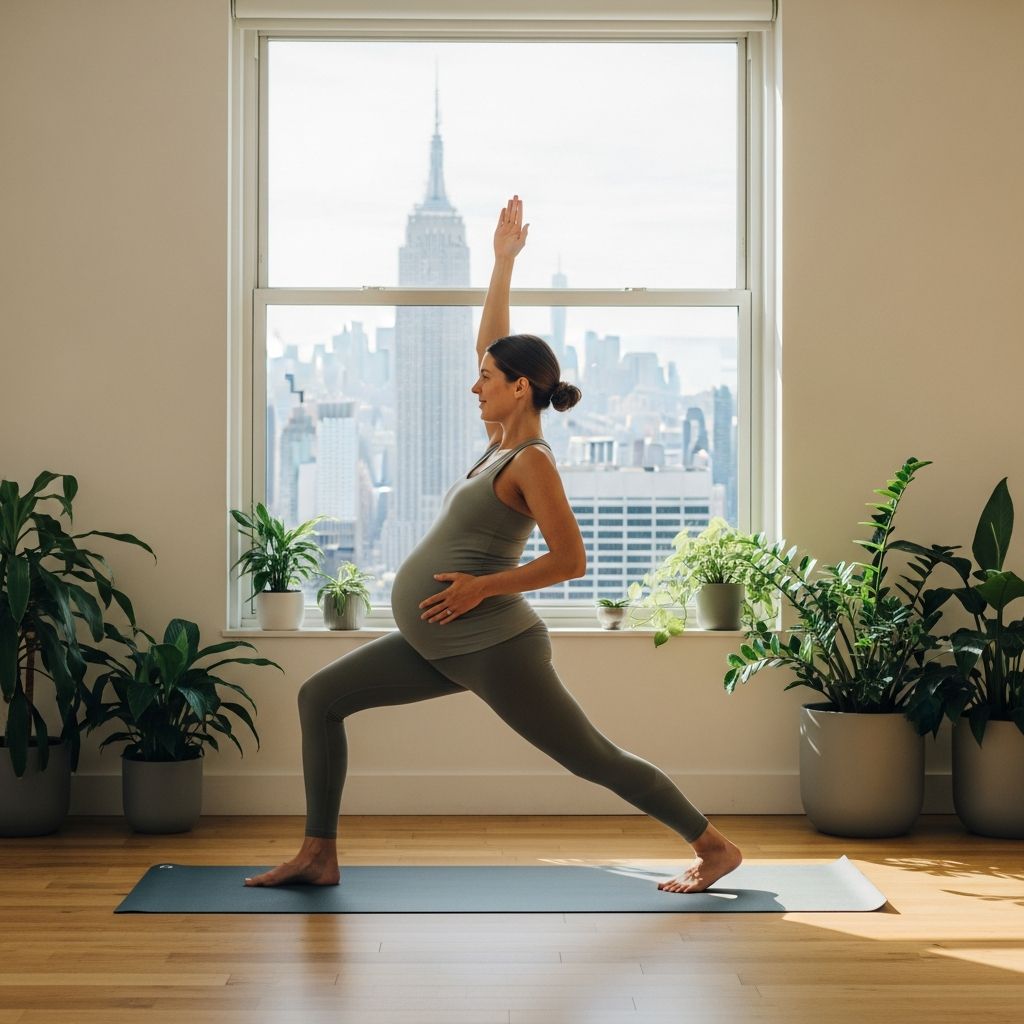
Pregnancy brings profound changes to a woman’s body, often accompanied by discomforts like lower back pain, swollen ankles, and restless nights. Prenatal yoga offers a gentle, effective way to navigate these challenges, promoting physical strength, emotional balance, and preparation for labor. In the bustling heart of New York City, renowned instructors have perfected sequences tailored for expecting mothers. This guide draws inspiration from their expertise, presenting original pose recommendations to help you cultivate wellness throughout your pregnancy journey.
Why Prenatal Yoga Matters During Pregnancy
Prenatal yoga isn’t just about stretching; it’s a holistic practice that addresses the unique needs of pregnancy. As the body accommodates a growing baby, hormonal shifts loosen ligaments, and the center of gravity shifts forward, leading to strain on the back, hips, and pelvis. Regular practice can alleviate these issues by improving circulation, reducing stress hormones like cortisol, and enhancing flexibility.
Studies from authoritative sources confirm these benefits. The American College of Obstetricians and Gynecologists (ACOG) recommends yoga as a safe form of exercise for most pregnant women, noting its role in improving mood and sleep quality. Similarly, a review in the Journal of Obstetrics and Gynaecology Research highlights how prenatal yoga decreases labor pain and shortens delivery duration. For NYC moms juggling high-energy lifestyles, these practices provide a sanctuary of calm amid the city’s chaos.
Essential Poses for First Trimester Strength Building
The first trimester focuses on establishing stability as nausea and fatigue set in. These poses gently awaken the body without overwhelming it.
- Seated Forward Bend Variation: Sit with legs extended, placing a bolster under your knees. Inhale to lengthen the spine, exhale to fold forward slightly. This calms the nervous system and eases morning sickness.
- Cat-Cow Flow on All Fours: On hands and knees, alternate arching and rounding the back with breath. It mobilizes the spine, countering early postural changes.
- Supported Warrior II: Stand with feet wide, one foot turned out, arms extended, supported by a wall. Builds leg strength for later months.
Incorporate these 3-5 times weekly for 10-15 minutes. NYC teacher insights emphasize breath synchronization to manage energy dips.
Second Trimester: Opening Hips and Relieving Back Pain
By the second trimester, the belly expands, intensifying hip tightness and sciatica. Poses here emphasize spaciousness in the pelvis.
| Pose Name | Benefits | Modifications | Duration |
|---|---|---|---|
| Bound Angle Pose (Baddha Konasana) | Opens hips, improves circulation to pelvis | Prop blocks under knees; use blanket for comfort | 2-5 minutes |
| Low Lunge with Support | Stretches hip flexors, strengthens quads | Back knee on bolster; hands on blocks | 1 minute per side |
| Side Angle Pose Variation | Relieves side body tension, enhances balance | Forearm on thigh; chair for support | 30 seconds per side |
These selections, inspired by urban prenatal experts, help maintain mobility for daily commutes and long workdays in NYC.
Third Trimester: Preparing for Birth with Pelvic Floor Focus
The home stretch demands poses that strengthen the pelvic floor and encourage optimal baby positioning. Avoid deep twists or inversions; prioritize support.
- Squats with Wall Support: Feet wide, lower into squat holding a wall. Strengthens glutes and opens birth path.
- Happy Baby Pose: Lie on back, hold feet, gently rock. Releases lower back and massages sacrum.
- Supported Bridge Pose: Lie with block under sacrum, feet grounded. Energizes without strain.
Practice mindfully, using breathwork like Ujjayi to simulate labor contractions. ACOG guidelines stress consulting your provider before starting.
Breathwork Techniques from NYC Prenatal Pros
Breath is the cornerstone of yoga. These techniques, honed by city instructors, anchor the mind and body.
- Three-Part Breath: Fill belly, ribs, chest sequentially. Calms anxiety.
- Alternate Nostril Breathing (Nadi Shodhana): Balances left-right brain for emotional equilibrium.
- Labored Breath Simulation: Deep inhales, slow exhales with sound. Preps for pushing.
Integrate into daily routines; even 5 minutes on the subway can transform your day.
Finding the Best Prenatal Yoga Studios in NYC
New York City’s yoga scene thrives with specialized prenatal offerings. While inspired by top teachers, explore these hubs:
- Golden Bridge Yoga: Known for Kundalini and prenatal flows, fostering community.
- The Nesting Place (nearby LI influence): Blends yoga with family fitness.
- City-wide Studios: Many like those in offer gentle classes focusing on breath and stretch.
Virtual options abound for home practice, ideal for busy schedules.
Frequently Asked Questions (FAQs)
Is prenatal yoga safe in all trimesters?
Yes, with modifications. ACOG approves it for low-risk pregnancies; avoid if high-risk or consult your doctor.
How often should I practice prenatal yoga?
3-5 sessions weekly, 20-45 minutes. Consistency yields best results per research.
Can beginners start prenatal yoga?
Absolutely. Start slow with props; instructors tailor for all levels.
What if I feel dizzy during poses?
Stop immediately, sit, and breathe. Common in pregnancy due to blood pressure shifts.
Does prenatal yoga help with labor?
Evidence shows reduced pain and shorter labors.
Customizing Your Prenatal Yoga Routine
Tailor sequences to symptoms: back pain? Prioritize cat-cow. Swelling? Elevate legs in reclined pose. Track progress in a journal, noting energy and mood shifts. Combine with walks in Central Park for full benefits.
For advanced practitioners, add meditation: Visualize birth affirmations in child’s pose. NYC’s diverse teacher wisdom underscores personalization—listen to your body above all.
Props and Gear for Safe Practice
Invest in:
- Bolsters and blocks for support.
- Non-slip mats for stability.
- Eye pillows for savasana.
Affordable sets available online; prioritize quality for longevity through postpartum.
Postpartum Transition: Continuing the Practice
After birth, ease into gentle flows. Poses like gentle twists aid recovery, reconnecting with your changing body. Many NYC studios offer mommy-and-me classes.
Prenatal yoga builds a foundation for lifelong wellness, empowering you through motherhood’s transformations.
References
- Physical Activity and Exercise During Pregnancy and the Postpartum Period — American College of Obstetricians and Gynecologists (ACOG). 2020-12-01. https://www.acog.org/clinical/clinical-guidance/committee-opinion/articles/2020/04/physical-activity-and-exercise-during-pregnancy-and-the-postpartum-period
- Effects of Prenatal Yoga on Labor Pain: A Systematic Review and Meta-Analysis — Journal of Obstetrics and Gynaecology Research. 2023-05-15. https://obgyn.onlinelibrary.wiley.com/doi/10.1111/jog.15612
- Prenatal Yoga Guidelines — Centers for Disease Control and Prevention (CDC). 2024-01-10. https://www.cdc.gov/physicalactivity/basics/guidelines/healthy-pregnant-or-postpartum-women.html
- Yoga for Pregnancy — Harvard Health Publishing. 2022-08-20. https://www.health.harvard.edu/blog/yoga-for-pregnancy-202208202801