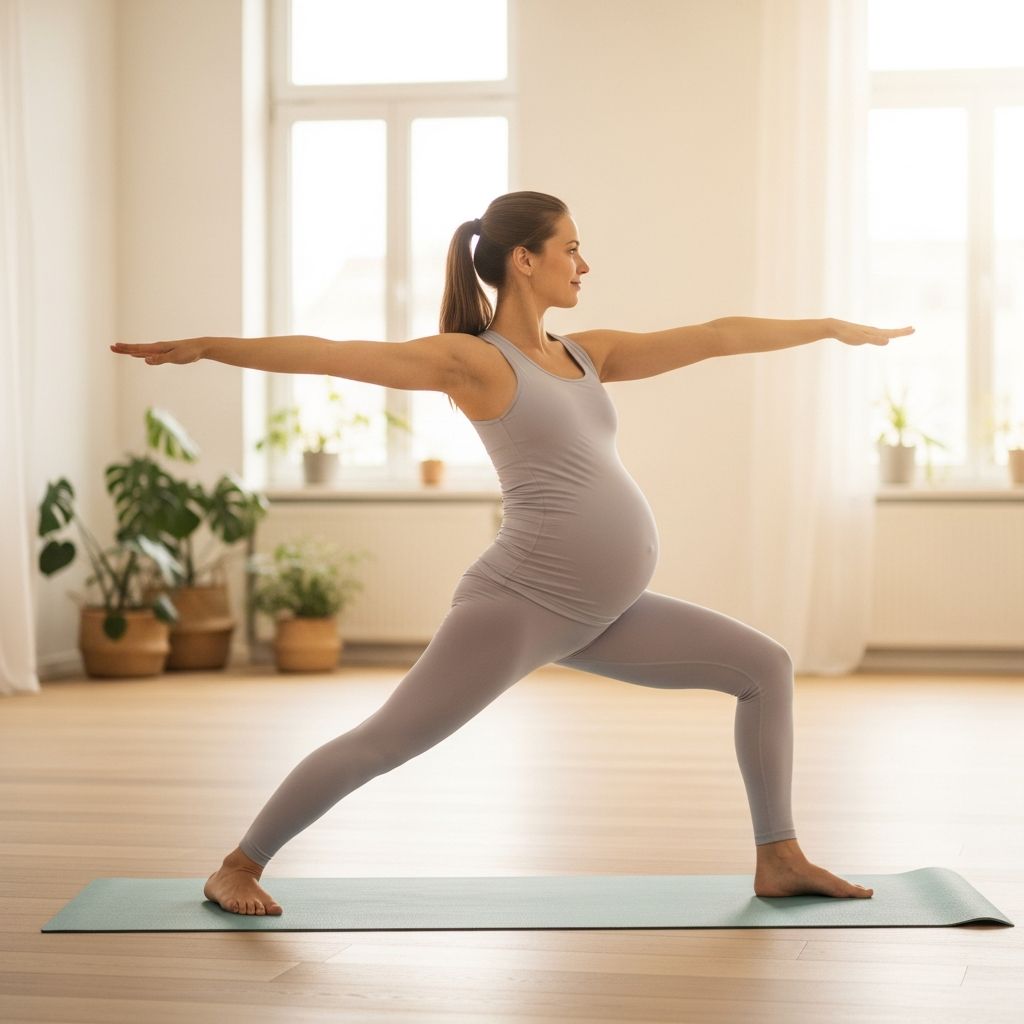
Understanding Prenatal Yoga for Expectant Mothers
Pregnancy represents one of life’s most profound physical and emotional transformations. As an expecting mother’s body undergoes significant changes to accommodate new life, maintaining physical activity becomes crucial for both maternal health and fetal development. Prenatal yoga offers a specialized approach to movement that addresses the unique needs of pregnant women, combining gentle strengthening with flexibility work while respecting the body’s evolving capabilities.
The practice of prenatal yoga differs fundamentally from conventional yoga classes. Instructors trained in prenatal modifications understand how pregnancy affects posture, balance, and structural alignment. Rather than pursuing advanced poses or intense practice, prenatal yoga prioritizes safety, comfort, and functional preparation for the birthing process. This specialized approach makes yoga particularly valuable for expectant mothers seeking to remain active while managing pregnancy-related discomfort.
Physical Benefits During Pregnancy
Engaging in regular prenatal yoga practice delivers multiple benefits throughout the three trimesters of pregnancy. Research from Mayo Clinic demonstrates that consistent prenatal yoga participation leads to improved sleep quality, a significant concern for many pregnant women dealing with physical discomfort and hormonal shifts. Beyond sleep improvement, prenatal yoga practitioners report meaningful reductions in stress and anxiety—psychological factors that significantly influence overall pregnancy experience and maternal health outcomes.
The physical strengthening components of prenatal yoga target muscles essential for labor and delivery. Lower body strength becomes particularly important as these muscle groups directly support the pushing phase of childbirth. Simultaneously, prenatal yoga addresses common pregnancy complaints through targeted stretching and mobility work:
- Decreased lower back pain through hip opening and core engagement
- Reduced nausea and morning sickness symptoms via gentle movement
- Relief from pregnancy-related headaches through tension release
- Improved breathing capacity and reduced shortness of breath
- Enhanced flexibility in muscles required for labor positioning
The pelvic floor deserves special attention during prenatal yoga practice. These muscles support the growing uterus and prepare for labor demands. Yoga practices that promote pelvic floor relaxation—rather than constant engagement—help create the flexibility necessary for delivery while building foundational strength for postpartum recovery.
Trimester-Specific Modifications and Progression
Pregnancy’s three stages present different physical realities, requiring adjustments to yoga practice throughout the nine months. Understanding how to modify poses appropriately ensures safety while maintaining practice consistency.
First Trimester Considerations
Early pregnancy sometimes involves fatigue and nausea that affect exercise capacity. During this phase, prenatal yoga emphasizes grounding practices and breath work to establish mind-body connection. Standing poses maintain stability while gentle twists support digestive health. Most women can continue relatively active practices during the first trimester, though modifications become increasingly important as pregnancy progresses.
Second Trimester Adaptations
As the belly expands, balance becomes more challenging and ligament laxity increases due to relaxin hormone effects. The second trimester benefits from hip-opening sequences that prepare the pelvis for later stages. Forward folds require modification to accommodate the growing abdomen, shifting from folding over the legs to folding beside them. Standing poses gain importance for maintaining strength and stability as the body’s center of gravity shifts.
Third Trimester Focus
The final trimester emphasizes preparation for labor and birth. Deep squats and supported hip openers work toward optimal fetal positioning. Practices that encourage internal hip rotation simulate positions the body will assume during the pushing phase of labor. Restorative elements increase as fatigue peaks, with supported poses providing physical comfort while maintaining engagement.
Key Poses and Their Specific Benefits
Certain yoga poses particularly support pregnancy’s demands. Understanding the purpose and alignment of these foundational postures helps expecting mothers practice safely and effectively.
| Pose Name | Primary Benefits | Modification Tips |
|---|---|---|
| Supported Deep Squat (Yogi Squat) | Opens hips, groin, and lower back; relaxes pelvic floor; simulates birth position | Use yoga block under sitting bones or support on stairs; press elbows inside thighs to deepen |
| Cat-Cow Flow | Mobilizes spine; relieves back tension; encourages fetal positioning | Move slowly with breath; place blanket under knees for comfort; avoid excessive spinal extension |
| Wide-Legged Forward Fold | Stretches inner thighs; opens hips; relieves back tension | Fold forward at hips rather than bringing head down; use block between legs for stability |
| Warrior II Pose | Builds leg strength; improves stability; prepares for labor positions | Ensure front knee tracks over ankle; widen stance if balance becomes difficult |
| Child’s Pose Variations | Provides rest and restoration; gently stretches back and hips | Widen knees to accommodate belly; place bolster between thighs and calves |
| Sufi Rolls | Mobilizes thoracic spine; encourages fetal rotation; builds core awareness | Begin with smaller circles; increase range as comfort allows; coordinate with breath |
Breath Work and Mental Preparation
Beyond physical postures, prenatal yoga emphasizes breath awareness and control—skills directly applicable to labor. Learning to maintain steady, deep breathing during challenging poses translates directly to managing labor contractions. The breath becomes a tool for managing pain, promoting relaxation, and maintaining focus during childbirth.
Pranayama (breathing practices) specifically modified for pregnancy help expecting mothers develop coping strategies. Extended exhales activate the parasympathetic nervous system, promoting the relaxation response that supports efficient labor progression. Practicing breath awareness during pregnancy establishes neural pathways the body can access during birth, making breathing techniques feel familiar and accessible when needed most.
Mental preparation through yoga addresses the emotional landscape of expecting motherhood. Pregnancy naturally brings anticipation and uncertainty alongside joy. Prenatal yoga classes create space for processing these emotions through gentle movement, supportive community, and guided relaxation. This psychological preparation proves as valuable as physical conditioning for the birth experience.
Building a Sustainable Prenatal Yoga Practice
Consistency matters more than intensity when establishing a prenatal yoga routine. Most practitioners benefit from practicing one to two times weekly, with daily gentle movement sessions providing additional support. A balanced approach combines strengthening work that builds labor-supporting muscles with restorative practices that manage pregnancy-related discomfort.
Expecting mothers should communicate openly with yoga instructors about their pregnancy stage, any complications, and physical limitations. Prenatal yoga instructors trained in obstetric modifications understand contraindications and can suggest appropriate alternatives. Working with qualified instructors ensures practice remains safe throughout pregnancy’s progression.
Creating a personalized practice routine involves identifying which poses and sequences feel most beneficial. Some mothers prioritize hip opening, while others focus on back pain relief. Listening to body signals and adjusting practice accordingly honors pregnancy’s unique demands on each individual.
Preparing for Labor Through Movement
Prenatal yoga’s most practical application emerges in labor preparation. Regular practice trains the body and mind to remain calm under stress and engage muscles efficiently during contractions. The squatting positions practiced in prenatal yoga directly translate to optimal pushing positions during labor’s second stage.
Hip opening work throughout pregnancy encourages the baby into anterior presentation—the position most favorable for vaginal delivery. Pelvic floor relaxation practices developed through prenatal yoga help prevent excessive tension that could hinder labor progression. The body’s familiarity with these positions and breathing techniques creates confidence as labor begins.
Beyond physical preparation, prenatal yoga develops the mental resilience needed for labor. The practice of moving through challenge while maintaining breath awareness and staying present creates psychological tools for managing labor’s intensity. Mothers who practice prenatal yoga often report feeling more empowered and less fearful approaching birth.
Postpartum Transition and Beyond
The benefits of prenatal yoga extend beyond delivery into the postpartum period. Mothers who practiced prenatal yoga often recover faster, with established body awareness facilitating rehabilitation of pelvic floor muscles and core strength. The community connections formed in prenatal classes provide ongoing support as new mothers navigate postpartum recovery and early parenting challenges.
The breath work and relaxation techniques learned during prenatal yoga remain valuable tools for managing the stress and sleep disruption of early parenthood. Many prenatal yoga classes transition into postpartum offerings, allowing mothers to continue practice while accommodating new physical realities and schedules.
Safety Considerations and When to Modify
While prenatal yoga offers substantial benefits, certain conditions require modifications or cessation of practice. Expecting mothers experiencing complications should consult healthcare providers before beginning or continuing yoga practice. High-risk pregnancies, placental abnormalities, or preeclampsia may contraindicate certain poses or intensity levels.
General safety principles include avoiding deep twists that compress the abdomen, practicing forward folds beside rather than over the legs, and eliminating poses requiring balance as pregnancy advances. Prone positions become uncomfortable and unnecessary as pregnancy progresses, with alternatives providing similar benefits safely.
Expecting mothers should avoid any pose causing pain, dizziness, or shortness of breath beyond mild exertion. The practice should feel supportive and comfortable rather than challenging or competitive. This fundamental principle guides all prenatal yoga modifications.
Frequently Asked Questions
Is prenatal yoga safe throughout all three trimesters?
Yes, prenatal yoga is generally safe throughout pregnancy when properly modified for each trimester. However, expecting mothers with high-risk pregnancies or complications should consult healthcare providers before practicing. Modifications become increasingly important as pregnancy progresses.
How often should expecting mothers practice prenatal yoga?
Most practitioners benefit from one to two structured classes weekly, with additional gentle daily movement. Consistency matters more than intensity. However, practice frequency should accommodate individual comfort levels and energy availability during pregnancy.
Can prenatal yoga help turn a breech baby?
Prenatal yoga’s hip-opening and pelvic mobility work may encourage optimal fetal positioning. While yoga alone cannot guarantee positional changes, regular practice combined with other positioning techniques may support the baby moving into anterior presentation during the third trimester.
What equipment do I need for prenatal yoga?
Basic equipment includes a yoga mat for comfort and traction. Blocks, bolsters, and blankets support proper alignment and provide comfort modifications. These props are particularly valuable as pregnancy advances and belly space becomes limited.
Can I practice prenatal yoga if I’ve never done yoga before?A: Absolutely. Prenatal yoga classes are specifically designed for expecting mothers without prior yoga experience. Instructors explain all poses and modifications, making classes accessible regardless of fitness background or yoga familiarity.
Q: How does prenatal yoga compare to other pregnancy exercises?
Prenatal yoga combines strength-building, flexibility work, and breath awareness in one practice. It differs from general cardio exercise by emphasizing controlled movement, body awareness, and psychological preparation. Many expecting mothers benefit from combining prenatal yoga with walking or other approved cardio activities.
References
- Prenatal Yoga Flow: 6 Pregnancy Yoga Exercises — Nourish Move Love. Accessed April 2026. https://www.nourishmovelove.com/prenatal-yoga-flow/
- A Prenatal Yoga Sequence to Worry Less and Trust More — Yoga Journal. Accessed April 2026. https://www.yogajournal.com/yoga-101/types-of-yoga/prenatal/a-prenatal-yoga-sequence-to-worry-less-and-trust-more/
- Benefits of prenatal yoga include: improved sleep quality, reduced stress and anxiety — Mayo Clinic. Accessed April 2026. https://www.mayoclinic.org
- Prenatal Yoga Modifications by Trimester — CorePower Yoga. Accessed April 2026. https://www.corepoweryoga.com/blog/family/prenatal-yoga-modifications-by-trimester