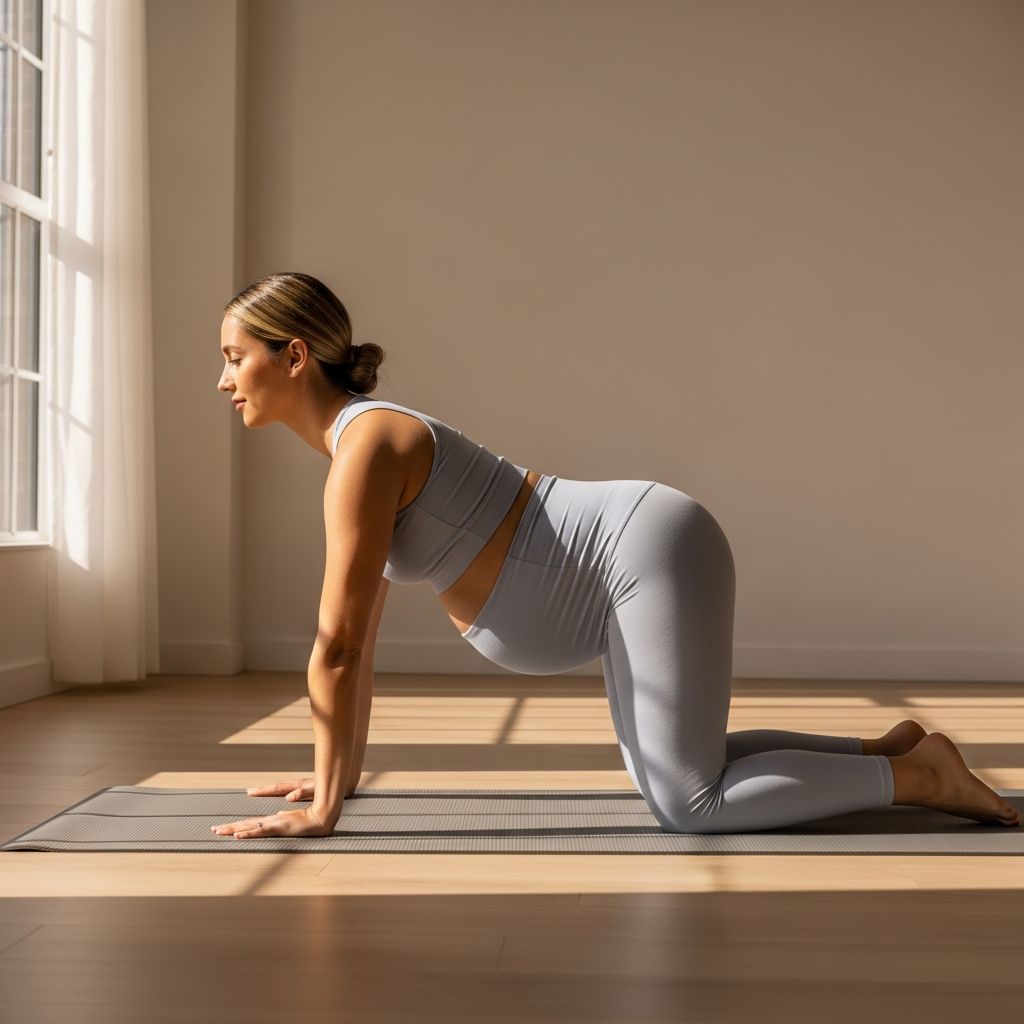
Adapting Pilates for pregnancy ensures you stay active while prioritizing safety for both mother and baby. These modifications address common challenges like growing belly size, shifting balance, and intra-abdominal pressure changes.
Why Adapt Pilates During Pregnancy?
Pregnancy transforms your body, requiring adjustments to traditional Pilates to avoid strain. As the uterus expands, especially from the second trimester, exercises involving supine positions, deep flexion, or high pressure on the abdomen can compress blood vessels or exacerbate diastasis recti—a separation of abdominal muscles. Modifications focus on maintaining strength in the transverse abdominis (deep core layer), pelvic floor, and posture-supporting muscles without risking injury.
Regular prenatal Pilates can reduce back pain, enhance pelvic stability, and improve breathing efficiency. Studies from reputable institutions emphasize activating deep core muscles to minimize diastasis recti risks. Always consult your healthcare provider before starting or modifying routines.
First Trimester: Building a Strong Foundation
In the initial weeks, many women continue standard Pilates with minor tweaks. Focus on diaphragmatic breathing to support oxygenation for the developing placenta. Lie on your back only if comfortable; transition to side-lying or seated if dizziness occurs due to vena cava compression.
- Breathing Technique: Sit tall or lie on your side. Inhale deeply into the ribcage, expanding laterally while relaxing the pelvic floor. Exhale to draw ribs in, gently lifting the pelvic floor. Repeat 8-10 times.
- Seated Core Activation: Cross legs on a cushion. Place hands on ribs, exhale to engage deep abs as if hugging your baby upward. Avoid traditional crunches; opt for isometric holds.
This phase builds endurance without overload. Monitor for fatigue, as hormonal changes like relaxin loosen ligaments.
Second Trimester: Adjusting for Balance and Belly Growth
By now, balance shifts forward, and abdominal pressure increases. Avoid full supine work; use wedges or elevate torso. Skip prone positions entirely. Prioritize upright or all-fours exercises to manage intra-abdominal pressure and prevent coning (abdominal bulging).
| Exercise to Modify | Reason | Safe Alternative |
|---|---|---|
| Full Roll-Up | Excessive abdominal flexion strains rectus abdominis | Seated partial roll-back: Sit with knees bent, curl spine forward slightly while engaging deep core, then return. |
| Supine Leg Series | Back-lying compresses vena cava | Side-lying leg lifts: Lie on stable side, lift top leg slowly for hip strength. |
| Plank | Pressure on belly and lower back | Wall plank or elevated hands: Hands on bench, hold neutral spine. |
These changes support glute medius strength for hip stability, crucial as your center of gravity shifts.
Third Trimester: Prioritizing Stability and Comfort
The largest adjustments come here, with reduced balance and higher diastasis risk. Emphasize standing, seated, or supported moves. Use props like balls or walls for stability.
- Glute Bridges: Lie on back with wedge under shoulders if tolerated, or do seated version. Lift hips gently, focusing on glute squeeze. 10 reps.
- Bird-Dog: On hands and knees, extend opposite arm and leg slowly. Exhale to draw knee/elbow toward midline, hugging core. 8 reps per side.
- Mermaid Stretch: Seated sideways on ball, side-bend over stretched leg to open hips and ribs. Hold 20 seconds each side.
Avoid deep twists; opt for gentle rotation with core engagement to elongate spine. Heavier resistance for stability work on reformers if applicable.
Core-Focused Modifications for All Trimesters
Maintaining core integrity prevents postpartum recovery issues. Replace crunches with transverse abdominis activations: Exhale fully, draw navel to spine without breath-holding.
- Toe Taps: Tabletop legs (knees bent 90 degrees), lower one foot to tap mat while stabilizing pelvis. No hip flexor dominance.
- Hug-the-Baby Contraction: Seated or standing, exhale to pull belly button up and in. Hold 5 seconds, repeat 10 times.
- Clamshells: Side-lying, knees bent, lift top knee while keeping feet together. Strengthens glutes for pelvic support. 10 reps per side.
Monitor for coning; stop if bulging appears, indicating overload.
Upper Body and Posture Work
Pregnancy posture often rounds shoulders forward. Counter this with chest openers and arm series in seated positions.
- Seated Arm Circles: Sit tall, circle arms forward/backward slowly. Enhances shoulder mobility without balance challenge.
- Doorway Chest Stretch: Stand in doorway, arms at 90 degrees, lean forward gently. Hold 30 seconds.
- Calf and Ankle Mobility: Seated flex/point or wall lunge to prevent swelling-related tightness.
These maintain upper back strength, easing neck pain from breast growth.
Props and Equipment for Safe Practice
Incorporate everyday items for support:
- Wedge pillow for semi-reclined positions.
- Stability ball for seated work.
- Resistance bands for gentle arm/leg resistance.
- Wall or bench for elevated planks.
On reformers, lighter springs for limbs, heavier for core stability.
Common Pitfalls to Avoid
Steer clear of breath-holding (Valsalva), which spikes pressure. Stay hydrated and listen to body signals like dizziness or pain. No high-impact jumps or inversions.
Frequently Asked Questions (FAQs)
Can I do Pilates throughout all trimesters?
Yes, with proper modifications. Most women can until delivery if cleared by a doctor, focusing on low-impact, core-aware moves.
What if I experience coning during exercises?
Stop immediately, exhale longer, and engage deep core more gently. Consult a specialist for diastasis assessment.
Is reformer Pilates safe prenatally?
Absolutely, with adjustments like avoiding supine and using wedges. Trained instructors ensure safety.
How often should I practice prenatal Pilates?
2-4 sessions weekly, 20-45 minutes, combined with walking or prenatal yoga for balance.
Does prenatal Pilates help with labor?
It strengthens pelvic floor and core, potentially easing delivery and speeding recovery.
Sample 20-Minute Prenatal Routine
- Diaphragmatic breathing: 2 min.
- Seated TA contractions: 3 min.
- Clamshells: 3 min each side.
- Bird-dog: 4 min.
- Glute bridges: 3 min.
- Chest opener + arm circles: 3 min.
- Mermaid stretch: 2 min each side.
End with restful breathing. Progress slowly.
Prenatal Pilates empowers you through physical changes, fostering strength and confidence for motherhood. Pair with nutrition and rest for optimal results.
References
- Top 5 Pilates Moves for Pregnancy and Postpartum — Hospital for Special Surgery (HSS). 2023-06-15. https://www.hss.edu/health-library/move-better/pilates-during-pregnancy
- A Complete Guide to Prenatal Pilates — Babylist. 2024-02-10. https://www.babylist.com/hello-baby/prenatal-pilates
- Guide to Pilates for Pregnancy by Trimester — Pilates Anytime. 2023-11-20. https://www.pilatesanytime.com/blog/pregnancy/trimester-by-trimester-guide-to-prenatal-pilates
- 5 Pilates Moves to Keep Us Strong Throughout Pregnancy — Perelel Health. 2024-01-05. https://perelelhealth.com/blogs/news/prenatal-pilates-workout
- Pilates Pregnancy Modifications & More — YouTube (Pilates instructor video). 2023-05-12. https://www.youtube.com/watch?v=rxSGzFQ-Qc4